
2765 Virgina Avenue N, New Hope, MN 55427
For more information about senior living options: (866) 208-4318
Overall Review of The Lodge Of New Hope
Pros
 The Lodge of New Hope offers 31 cozy apartments and comfortable common areas.
- It is supported by a skilled and caring staff with a wide range of options for services and activities.
- The Lodge of New Hope is a welcoming environment where people feel loved, valued and at peace.
Review
The Lodge of New Hope in New Hope, MN is best suited for seniors who want an intimate, homelike assisted-living setting where staff know residents by name and daily routines are enriched by a steady stream of activities. The 31 cozy apartments and comfortable common areas create a small, human-scale community where care feels personalized rather than transactional. For older adults who prize peace, consistent emotional support, and a strong sense of belonging, The Lodge delivers a compelling blend of daily companionship, accessible services, and a welcoming atmosphere that softens the edge of a facility-based lifestyle.
That said, this is not the right fit for everyone. Families needing heavy medical oversight, round-the-clock nursing, or specialized dementia care on site may want alternatives with larger medical teams and dedicated memory-care wings. If budget constraints are tight or if mobility and frequent transport needs require more expansive rehabilitation and therapy programming, it pays to compare options elsewhere. The Lodge excels in social and supportive programming, but it does not appear to be a one-stop solution for high-acuity medical needs or complex care trajectories.
The strongest pros center on the human-scale experience: 31 apartments, cozy common areas, a skilled and caring staff, and a wide range of services and activities. Residents benefit from a welcoming environment where they feel loved and valued, a stabilizing factor that often translates into better emotional well-being and easier adjustment for new residents. These elements combine to create a daily life that emphasizes connection, routine, and engagement, which in turn can offset the common trade-off of smaller campuses, fewer on-site medical amenities and a more compact service footprint, by delivering quick, attentive care and a felt sense of community that big campuses sometimes struggle to replicate.
However, the limited public data tied to a single glowing review invites prudent caution. One favorable impression is encouraging, but it does not establish consistency across all seasons, staff shifts, or resident needs. Prospective families should pursue additional sources, schedule in-person tours, and speak with current residents or families to confirm that the warmth and responsiveness described are durable experiences rather than exceptional moments. Use the visit to gauge not only kindness and attentiveness but also actual access to services, wait times for assistance, and the reliability of daily routines that sustain independence.
During a tour, attention should focus on practical realities: the vibe of the living spaces, the quality of meals, the pace and tone of daily activities, and the flexibility of programming to accommodate changing interests. Inquire about staffing levels and on-site medical support, including nurse availability, physician access, and care coordination. Ask about transportation for appointments, the frequency of activities, and how residents participate in choosing their schedules. Clarify housing costs, what is included in monthly fees, and how price changes are handled over time. If memory or more intensive care might be needed down the line, explore how future transitions would be managed and what memory-care options exist in related campuses.
For families prioritizing a warm, intimate, high-engagement environment, The Lodge of New Hope offers a compelling option within New Hope’s assisted-living landscape. It presents a credible combination of personal attention, a lively activity calendar, and a peaceful, home-like atmosphere that can significantly ease the transition into senior living. Yet it remains essential to benchmark against alternatives that foreground more extensive medical resources or dementia-specific programming, ensuring the chosen path aligns with current needs and plausible future changes. A well-toured decision, anchored in direct conversations with staff and residents, will reveal whether this community is the right match or if another setting better serves longevity, safety, and evolving care expectations.
 21 resident community capacity
 Assisted Living
 Beauty salon
 Cable or satellite TV
 Dining room
 Fully furnished
 Garden
 Housekeeping services
 Kitchenette
 Move-in coordination
 Outdoor space
 Telephone
 Wi-Fi/high-speed internet available
 Minneapolis-St Paul International (12 miles away)
 24-hour call system
 Activities of daily living assistance
 Assistance with bathing
 Assistance with dressing
 Assistance with transfers
 Diabetes diet
 Meal preparation and service
 Medication management
 Mental wellness program
 Special dietary restrictions
 Transportation arrangement (medical)
 Transportation to doctors appointments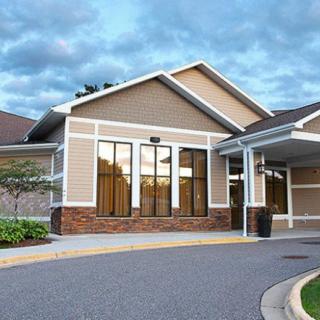



 When to Transition from Assisted Living to Memory Care: Key Indicators, Steps, and Finding the Right Community
 Assisted Living and Memory Care: Understanding Their Core Differences
 Beyond the Bingo Hall: 50+ Enriching Activities for Seniors in Assisted Living