
15475 Middlebelt Rd, Livonia, MI 48154
To contact a resident: (734) 743-4000
For more information about senior living options: (866) 208-4318
Marycrest Heights Costs & Pricing
Marycrest Heights offers competitively priced living options, particularly when compared to both Wayne County and the broader Michigan state averages. For a one-bedroom unit, residents at Marycrest Heights enjoy a monthly rate of $1,450, significantly lower than the county average of $3,210 and the state average of $3,384. Similarly, the two-bedroom units are available at $1,850 per month, which also represents a substantial saving when contrasted with Wayne County's average cost of $3,452 and Michigan's overall average of $3,523. This makes Marycrest Heights an attractive choice for individuals and families seeking quality housing without the burden of excessive costs in comparison to regional trends.
| Floor plans | Marycrest Heights | Wayne County | Michigan |
|---|---|---|---|
| 1 Bedroom | $1,450 | $3,210 | $3,384 |
| 2 Bedrooms | $1,850 | $3,452 | $3,523 |
Independent Living communities with a similar price nearby
-
from +$150 / mo
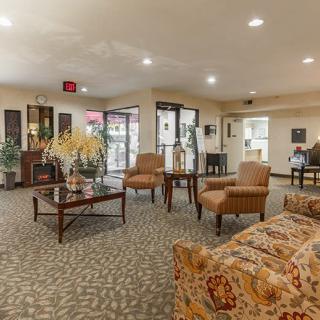
Park House Southfield I
$1,600 to $1,900 / month7.2 miles away -
from +$104 / mo
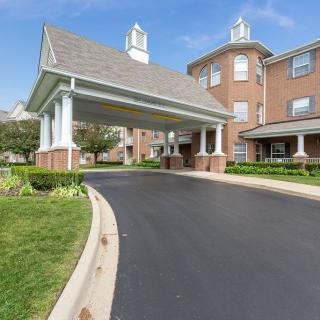
Elmhaven Manor
$1,554 to $3,700 / month19.3 miles away -
from -$175 / mo

Westhaven Manor
$1,275 to $1,697 / month5.5 miles away -
from +$246 / mo
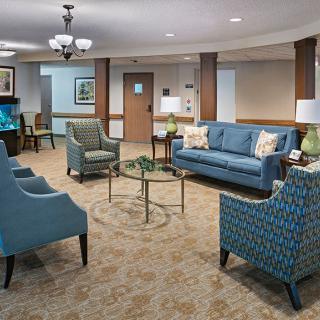
American House Southgate
$1,696 to $2,832 / month15.6 miles away -
from +$225 / mo
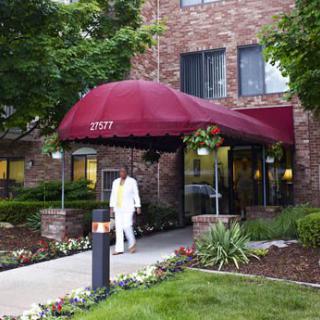
Park House Southfield II
$1,675 to $1,850 / month7.2 miles away
Overall Review of Marycrest Heights
Pros
 The facilities were clean, lovely, and modern.
- The Mary Crest staff have been very supportive and helpful.
- The service is excellent, and the residents are friendly.
- They would recommend living at Mary Crest to their family and friends.
- Marycrest was very clean and smelled new.
- The OT and PT staff were very good.
- The units include a step-in shower and a washer and dryer.
Cons
 The staff provided little information about pricing.
- They claimed to have assisted living apartments, but on arrival they said none existed.
- They seemed to steer residents toward independent living rather than providing the needed assisted living.
- The respite care room was extremely small, with one small hospital bed and no furnishings.
- The room did not feel like home; there was nothing for visitors to sit on.
- Care was described as negligent, with staff failing to attend to basic needs like turning, bathing, or changing briefs.
- Call buttons were ignored for hours, leaving residents waiting for help.
- The facility was labeled unsafe and a "crap hole" by reviewers, with concerns about infections and neglect.
- Nursing staff spent most of their time on cell phones, not caring for residents.
Review
Marycrest Heights in Livonia, MI is best suited for seniors who want modern, apartment-style living with ready access to on-site therapies, social activities, and a personal, homelike feel, provided they are comfortable navigating a care path that may emphasize independent living more than immediate assisted-living placement. Families should understand that the community can be two different experiences: an appealing, well-kept campus with opportunities for a more autonomous lifestyle, and a setting where skilled-nursing attention is not consistently guaranteed at all times. Those needing constant, hands-on nursing and rapid response to every call for help should seriously consider alternatives.
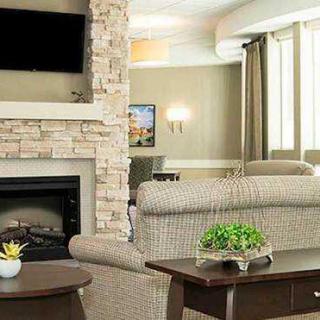
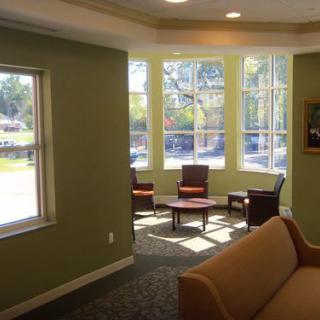
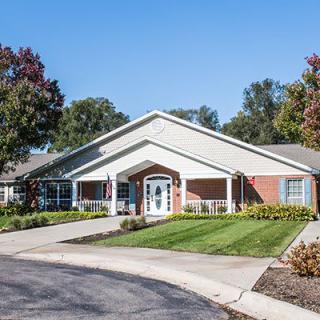
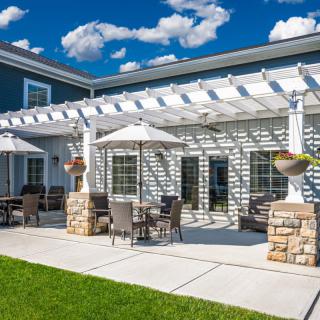
The strongest positives line up around the campus experience. The facility presents as clean, fresh, and newer, with amenities that invite daily activity: a dining room, walking path, chapel, computer room, library, and courtyard. Units come with practical in-room appliances, stove and refrigerator, and features like step-in showers and in-unit washers and dryers. Prospective residents can access a shuttle for errands or outings, and there is a straightforward sense of independence in the layout. The on-site therapy options, including a dedicated physical therapy program, add tangible value for residents seeking rehab or ongoing fitness support within the community. For many, these practical touches translate into a comforting, lived-in atmosphere where visits and everyday routines feel manageable.
Yet the reviews expose significant downsides that complicate the decision. Clarity around pricing and levels of care is inconsistent at the outset, with some potential residents told to wait for assisted living beds that may never become available promptly. The respite-care option, when discussed, proved less appealing in practice, tiny rooms, minimal furniture, and a sense that the space did not resemble a real home. More troubling are accounts of unreliable daily care: call buttons ignored or left unanswered for lengthy periods, aides perceived as inattentive, and even painful patient experiences in which basic hygiene, mobility support, and skin care were neglected. Several reviews describe understaffing, staff distraction by personal devices, and complaints about the nursing team, highlighting a real risk for residents who require consistent supervision and timely assistance.
Despite those concerns, certain advantages can meaningfully offset the drawbacks, especially for residents who articulate a clear preference for independence and a light care footprint. For families prioritizing a clean, pleasant environment with a neighborly, less-impersonal feel, Marycrest delivers a sense of personal touch that some facilities lose. The proximity to on-site therapy and the availability of activities, mass in the chapel several times a week, social events, and accessible recreation, support a lifestyle where aging in place remains feasible without stepping into a full-time skilled-nursing setting. Positive anecdotes from residents who successfully transitioned from independent living to supported living underscore that the campus can serve as a gentle, well-supported continuum of care when needs stay modest.
There is a reasonable case to consider alternatives for anyone whose loved one will require reliable, around-the-clock care and immediate, consistent attention to daily tasks. Distance can also be a factor; one reviewer cited location as a disadvantage enough to push consideration elsewhere. The explicit warnings about neglect, poor monitoring after falls, and inconsistent bedside care should prompt families to verify staffing ratios, fall-prevention protocols, and the husbanding of call-bell response times before committing. If a family needs a facility where nursing staff are routinely present, proactive, and able to manage complex health needs without delay, Marycrest may not be the best fit.
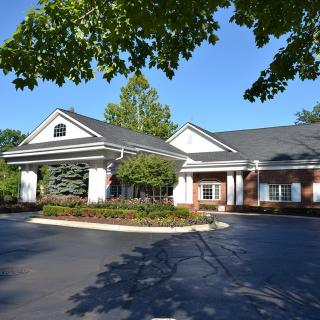
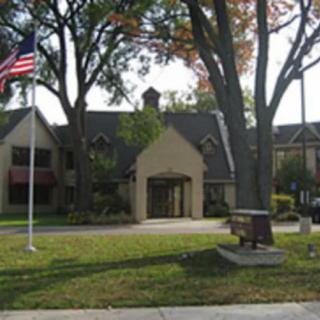
In the end, Marycrest Heights represents a mixed proposition: a visually appealing, well-equipped community that shines for independent-minded seniors who value on-site rehab, structured activities, and apartment-style living at a competitive price. The main cons, uncertainty about assisted-living readiness, variability in daily caregiving, and reports of staffing gaps, are real enough to shape the decision. Prospective residents should conduct a thorough, candid inquiry: what are the current staffing levels, call-button response times, and bedside-care protocols? How quickly can assisted living be secured if needs escalate? Is the on-site therapy robust enough to support existing health concerns? With clear answers to these questions, Marycrest Heights can be a confident choice for those prioritizing independence, amenities, and a approachable, home-like community, while ensuring expectations align with the live realities of care delivery.
 1-bedroom apartments
 Independent Living
 Beautician on-site
 Cable or satellite TV
 Computer center
 Dining room
 Full kitchen
 Garden
 Guest parking
 Overnight guests
 Party space
 Respite or short term stays offered
 Swimming pool
 Wi-Fi/high-speed internet available
 Detroit Metropolitan-Wayne County (13 miles away)
 Hospice care
 Medication management
 Activities off-site
 Arts and crafts
 Educational speakers / life long learning
 Fitness programs
 Games
Games Live musical performances
 Religious services
 Caregiver Exhaustion: Recognizing the Signs and Restoring Your Well-Being
 Understanding Hospice Care at Home: Comprehensive Services, Key Benefits, and Eligibility
 Understanding the Full Cost of 24/7 In-Home Care: A Detailed Overview