
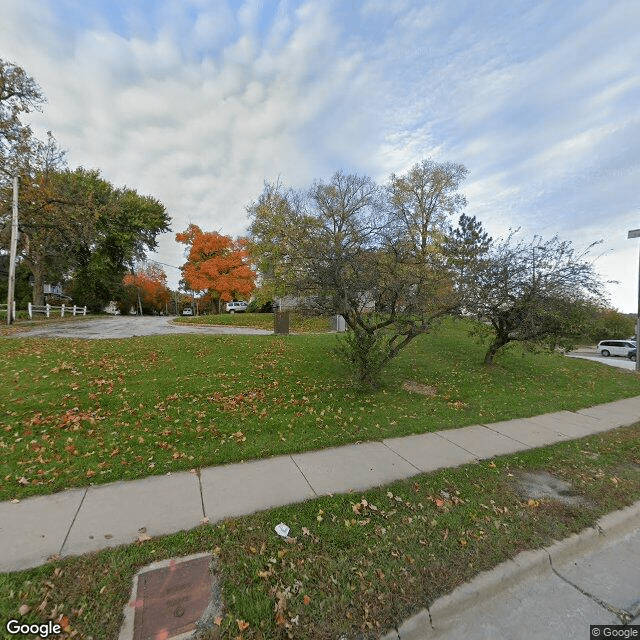
116 W Prospect Ave, Ottawa, IL 61350
To contact a resident: (815) 433-0409
For more information about senior living options: (866) 208-4318
Overall Review of Cora J Pope Home
Pros
 The house has been restored and is phenomenal.
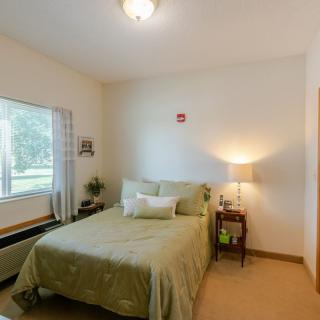
- The rooms are extremely comfortable, with linens, towels, shampoo, and coffee makers in every room.
- The property is very clean.
- The house contains a huge dining room, a spacious kitchen, a living room, and a conference room area.
- The back porch overlooks the Illinois River and downtown Ottawa.
- It is a short walk to downtown Ottawa, which has a lot of great restaurants, parks, and shopping.
- The Cora Pope House is highly recommended as a place to stay.
- It appears to be a very nice establishment, with meals included and reasonably cheap rent.
Cons
 Pat canceled the guest’s paid reservation at short notice because another guest was given the room.
- The cancellation was communicated via app messaging and the host did not respond to later messages.
- The guest had to contact Airbnb to recover their money, indicating a headache-inducing experience.
- The rules are described as restrictive, allowing only water with meals and limiting meals to three per day.
- Residents cannot come and go freely and must be admitted by an employee on guard, with consequences for socializing or staying out late.
Review
Cora J Pope Home in Ottawa, IL reads best for families or visiting groups seeking a warm, home-like atmosphere where gatherings are easy and meals are part of the package. The house has been restored with an eye toward comfort: well-appointed rooms equipped with linens, towels, shampoo, and coffee makers, and a level of cleanliness that supports relaxed, social stays. Public spaces are generous, large dining and living areas, plus a conference room, that accommodate family meals, reunions, or multi-generational visits without crowding. A back porch overlooks the Illinois River and downtown Ottawa, adding a pleasant backdrop for conversations and downtime. It’s a setting that rewards group use and shared meals, with a residential feel that makes visitors feel anchored rather than institutional.
Those who should consider alternatives are primarily families or individuals who prize autonomy, flexibility, and predictable operations. If ongoing personal care or medical oversight beyond a meal service is required, this setting may not meet those needs. A preference for liberal guest access, spontaneous outings, or unstructured social life would also be a mismatch here, given reports of scheduled meals and guarded access. For travelers seeking more independence, more transparent booking practices, or a looser, less regulated environment, exploring other assisted living options or traditional hotels and dedicated care facilities will likely yield a smoother experience. In short, this residence works best when the expectation is a shared, homey stay rather than a freely moving, care-centric lifestyle.
The strongest positives, roomy, comfortable accommodations, thorough housekeeping, and generous common areas, do align well with the family-friendly, gathering-focused use case. The property’s restoration translates into a high-quality, aesthetically pleasing backdrop that supports extended stays and socializing. Cleanliness and thoughtful amenities reduce the friction of hosting relatives or guests, while the river-view porch and walkable access to downtown Ottawa amplify convenience for daytime activities and nearby dining. These practical advantages bolster a positive impression for short-term visits, family reunions, or celebratory occasions where the emphasis is on comfort and connection rather than personal care or mobility support. When those needs match, the house functions as a practical, appealing hub.
However, the main drawbacks are real and consequential. A significant red flag is reliability and communication in bookings, illustrated by a recent Airbnb cancellation that occurred after payment, with poor follow-through from the host and no immediate remedy beyond self-advocacy with the platform. That experience casts long shadows on planning logistics and financial protections, especially for holiday or multi-family trips that rely on precise reservations. More troubling for long stays is the described regime of strict rules and oversight: a Christian atmosphere framed by regimented routines, limited mobility within the home, and tightly controlled social timelines. The cited limits, meals only with water provided at set times, curfews, and mandatory employee authorization for entry and exit, contribute to a sense of confinement that clashes with the freedom families often expect during multi-day visits.
In practical terms, families evaluating this option should foreground a few decision criteria. First, confirm whether the comfort and social environment align with the resident’s temperament and care needs, especially if autonomy matters or if a patient enjoys unsupervised activities, evenings out, or spontaneous outings. Second, demand a written copy of all rules and schedules, including meal counts, water provisions, visiting hours, and curfew, so there is a clear baseline before any commitment. Third, probe the scope of care beyond meals, what level of personal or medical assistance is available, and who staffs the home at night or on weekends. Finally, insist on transparent, reliable reservation practices and direct communication channels with management to minimize the risk of booking disruptions and miscommunications.
Ultimately, Cora J Pope Home is best for families seeking a gracious, self-contained gathering space with high comfort and strong social potential, provided there is tolerance for a controlled, schedule-driven environment. It remains a sensible option for short-term visits or celebrations where independence is less critical and the focus is on togetherness in a warm, homelike setting. For those who prize flexibility, autonomy, and predictable logistics, alternatives with looser rules and more straightforward communication will likely deliver greater peace of mind and fewer friction points. The decision hinges on aligning the resident’s preferences for control, social rhythm, and freedoms with the reality of a tightly managed, rules-forward home.
 Independent Living






 Financing Long-Term Nursing Home Care Through Social Security: A Thorough Exploration
 Essential Knowledge on Pneumonia in Older Adults
 Exploring Palliative Care in the Home: A Comprehensive Overview