


Liberty Village of Peru

Save

  • Interior

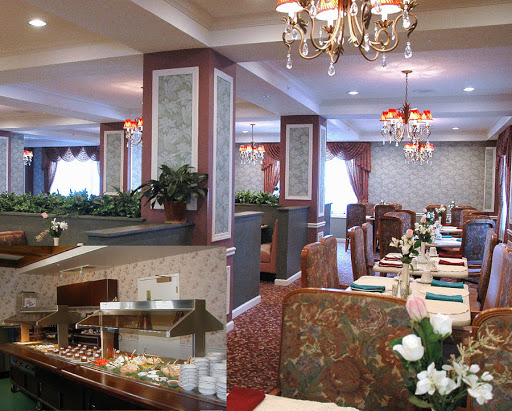
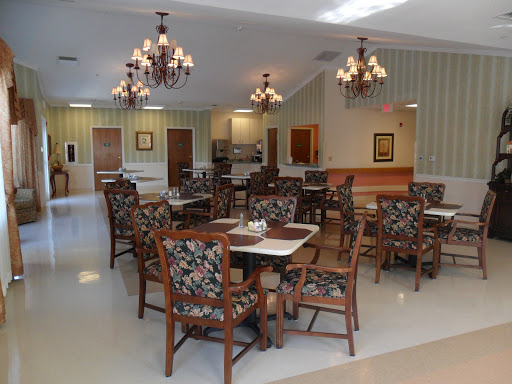
    An elegant dining area featuring chandeliers, plush booths, and a buffet setup.
  • Outdoors

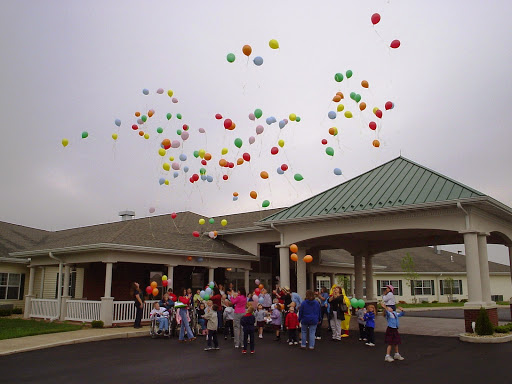
    A joyful gathering of children releasing colorful balloons into the sky during a celebration.
  • Decor

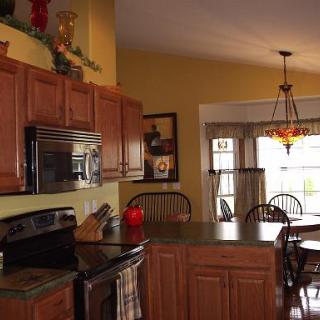
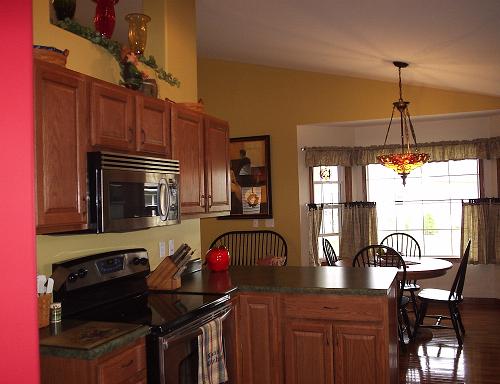
    A cozy kitchen featuring wooden cabinets, modern appliances, and a welcoming dining area.
  • Living Room

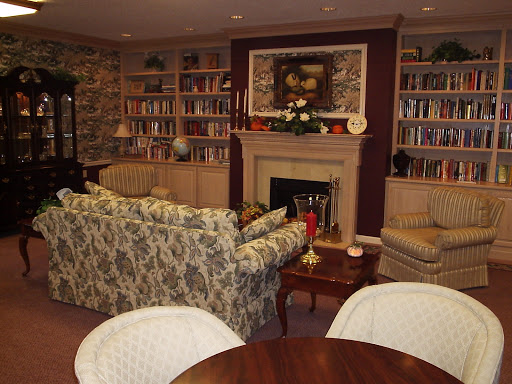
    A cozy living room featuring a fireplace, bookshelves filled with books, and comfortable seating.
  • Building

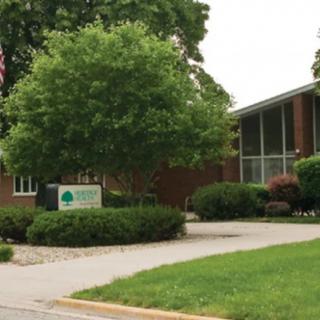
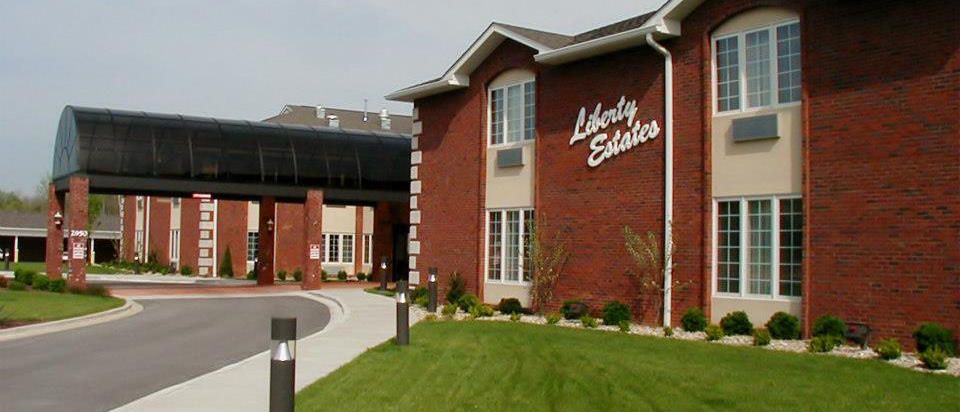
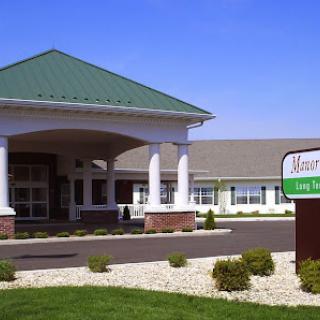
    The entrance of a building labeled 'Liberty Estates' with a brick exterior and landscaped surroundings.
  • Architecture

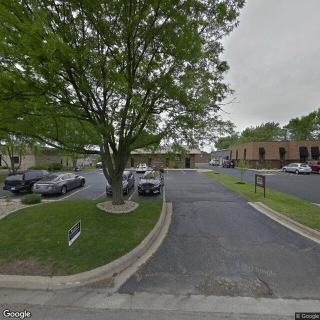
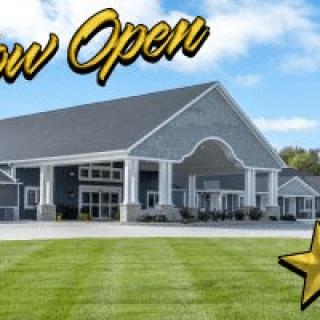
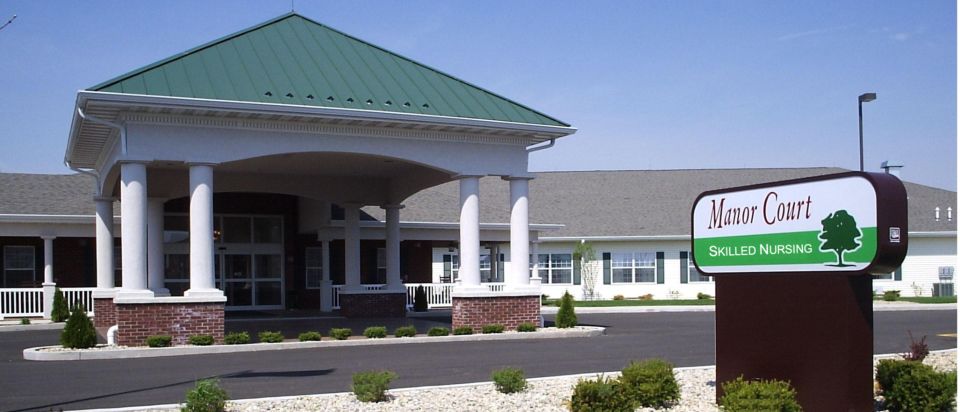
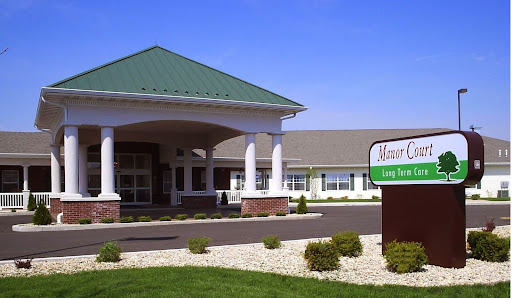
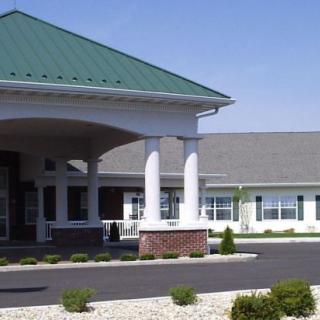
    A large building with a covered entrance, featuring white columns and a green roof, surrounded by landscaping and a parking lot.
  • Dining

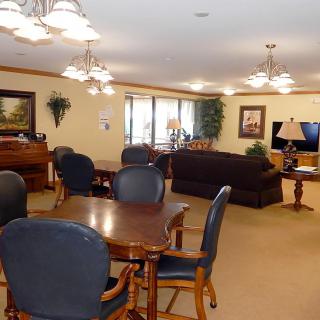
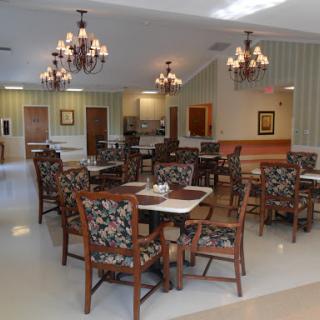
    A cozy dining area featuring floral-patterned chairs and elegant chandeliers, perfect for communal meals.
  • Landscaping

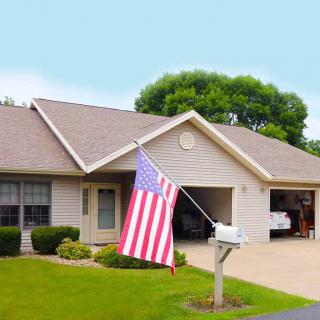
    A welcoming entrance to a senior living facility with well-maintained landscaping.

Liberty Village of Peru

1101 31st Street, Peru, IL 61354

For more information about senior living options: (844) 490-3973

3.6 from 21 reviews
5 stars
9
4 stars
4
3 stars
3
2 stars
1
1 stars
4

Assisted Living Memory Care Skilled Nursing Facility

Overall Review of Liberty Village of Peru

Pros

  • pro The CNAs work extremely hard, preserving residents' dignity and providing attentive care.
  • pro The therapists are knowledgeable, competent, individualized, and friendly.
  • pro The activities team does a phenomenal job, making things happen and tailoring activities to residents' needs.
  • pro Administrative staff are receptive, attentive, and able to explain things clearly in extraordinary situations.
  • pro The facility is clean, well-maintained, and has a fresh, welcoming environment.
  • pro The kitchen staff are kind and remember resident preferences, contributing to positive meals.
  • pro Families note that staff show genuine kindness and expertise, leaving a lasting positive impression.

Cons

  • pro The reviewer would never return due to Erin Nicole Turner's arrogance and incompetence.
  • pro The reviewer observed that the nursing staff didn't attend to patients closely, with CNAs wandering the halls chatting while people called for help.
  • pro The nurses were described as acting above manual labor and often being in the kitchen instead of assisting residents.
  • pro A loved one was left in diapers much longer after rehab than appropriate.
  • pro Social Services were nonexistent and some staff were rude; residents lined up in the halls and others wandered asking visitors for help.
  • pro Administrators were accused of lying, spreading gossip, and allowing nepotism, leading to family members being alienated or ignored.
  • pro The cost and room-rent ratio were criticized as not aligned with local economics and not good.
  • pro Administration was described as really bad, with negative implications cascading to care quality.

Review

Liberty Village of Peru is best suited for families and residents who prize a lively, engagement-rich environment where activity programming and rehabilitative therapies are a clear strength. The community tends to serve seniors who thrive on structured daytime programming, individualized therapy, and staff who can balance compassionate care with meaningful interaction. It works for people who want consistent access to activity coordinators, therapists, and CNAs who genuinely invest in daily routines. Those who need near-perfect, glitch-free care or who operate under tight budget constraints, however, should consider alternatives.

On the upside, the strongest draws are the robust activities and the therapy team. Reviews repeatedly rate the activities staff as creative, thoughtful, and adaptable, delivering social and cognitive engagement that noticeably improves daily life for many residents. Therapists come in for high marks - knowledgeable, individualized, and professional - delivering focused rehabilitation and steady progress for those in recovery or maintaining function. CNAs are described as hard-working and dedicated, often carrying demanding workloads with dignity and warmth. Cleanliness and upkeep also stand out; the facility is reported as clean and orderly, with attentive housekeeping contributing to a welcoming atmosphere.

Yet, significant drawbacks temper the positives. Several accounts point to inconsistent nursing attentiveness, with some staff appearing stretched thin or preoccupied, leading to delays in assistance and frustration for residents and families. Specific concerns include episodes of residents being left in diapers longer than appropriate and multiple reported falls during therapy or rehab. Social Services are cited as lacking in responsiveness, and there are mentions of rude or aloof behavior from some staff members. Administrative tensions and perceived interference from outside decision-makers add another layer of frustration, undermining trust for families seeking transparent, collaborative oversight. Cost is another persistent issue: shared rooms are described as prohibitively expensive for what is offered, with rent levels higher than neighbor facilities despite room configurations that resemble dorm-style accommodations.

The critical question becomes whether the strong programmatic and care strengths outweigh the visible operational risks. For residents who prioritize social vitality, meaningful activities, and access to rehab professionals, the forum and staff energy can offset occasional care gaps. The heartfelt care noted by some families - administrators and clinicians who respond with calm competence during crises - can make daily life more tolerable and, at times, genuinely uplifting. However, for families where safety concerns, predictable RN oversight, and seamless administrative communication are non-negotiable, the cons are significant enough to tilt the decision toward alternatives. The mismatch between what families value most (reliable caregiving continuity, clear communication, cost containment) and what some reviews describe (administrative friction, variable staff demeanor, and high room costs) cannot be ignored.

To navigate a potential move here, prospective families should probe concrete, practical questions early. Observe how therapy and nursing teams coordinate on a daily basis, and request direct conversations with the therapy staff about expectations, turnover, and response times. Scrutinize the social services track record - how families are kept in the loop, how decisions are documented, and how conflicts are resolved. Clarify room types, monthly costs, and what the shared-room arrangement truly includes, ensuring a transparent apples-to-apples comparison with other local options. Speak with current residents and families about what a typical day looks like, and insist on meeting the front office leadership to gauge how concerns are handled and escalated.

Bottom line: Liberty Village of Peru delivers a compelling mix of strong activity programming, capable rehabilitation therapists, and a dedicated CNA core, all wrapped in a clean, well-kept environment. It is a sensible choice for active seniors who place a premium on engagement and who trust a capable, compassionate care team to balance warmth with structure. However, it is less suited for families demanding flawless, consistently responsive care and tighter cost control, given reports of staffing inconsistencies, administrative tensions, and higher-than-expected room rents. Alternatives merit serious consideration for those priorities, with a clear-eyed comparison of staffing reliability, financials, and administrative transparency before committing to care.

Features

Housing

  • 52 resident community capacity 52 resident community capacity

Types of Care

  • Assisted Living Assisted LivingAssisted living facilities provide crucial support and care for seniors who may need help with daily tasks such as medication management, bathing, and meal preparation. These communities offer a safe and comfortable environment where seniors can maintain their independence while receiving the assistance they need to thrive in their golden years.
  • Memory Care Memory CareMemory care is crucial for seniors as it provides specialized support and services for individuals with dementia or Alzheimer's disease. These programs offer a safe and secure environment where residents receive personalized care, cognitive stimulation, and help with daily activities. Memory care helps seniors maintain their independence, quality of life, and dignity while also providing peace of mind for their families.
  • Skilled Nursing Facility Skilled Nursing FacilitySkilled Nursing Facilities are crucial for seniors as they provide round-the-clock medical care, rehabilitation services, and assistance with daily activities. These facilities ensure that seniors receive the specialized care they need to maintain their health and well-being as they age.

Amenities

  • Air-conditioning Air-conditioningAir conditioning is important for seniors as they are more vulnerable to heat-related illnesses and may have underlying health conditions that make it difficult for them to regulate their body temperature. It helps to keep them comfortable, safe, and healthy in hot weather.
  • Beauty salon Beauty salonBeauty salons are important for seniors because they provide a space for them to feel pampered, socialize, and maintain their personal grooming and hygiene. Regular visits to a beauty salon can help boost seniors' self-esteem and overall well-being.
  • Cable or satellite TV Cable or satellite TVCable or satellite TV is important for seniors because it provides entertainment, news, and companionship, helping to combat loneliness and boredom. It also offers a wide range of programming options tailored to different interests and preferences.
  • Computer center Computer centerA computer center is essential for seniors as it provides access to technology, communication tools, and resources that can enhance their daily lives. It allows them to stay connected with loved ones, engage in online activities, and learn new skills, ultimately promoting socialization and mental stimulation.
  • Dining room Dining roomDining rooms are important for seniors as they provide a space for socialization, connection, and nutritious meals. They offer opportunities for residents to bond over shared meals, foster a sense of community, and promote healthy eating habits. Dining rooms also ensure that seniors have access to well-balanced meals tailored to their dietary needs and preferences.
  • Fitness room Fitness roomHaving a fitness room in a senior living community is essential for seniors to stay active, maintain their physical health, and improve their overall well-being. Regular exercise can help prevent falls, reduce the risk of chronic diseases, and promote mental sharpness. It also provides social opportunities for residents to connect with others and enjoy a sense of community.
  • Fully furnished Fully furnishedFully furnished senior living communities are important for seniors because they provide convenience, comfort, and a hassle-free moving experience. Seniors can easily settle into their new living space without the stress of having to buy and move furniture. This allows them to focus on enjoying their new home and community.
  • Gaming room Gaming roomGaming rooms are important for seniors as they provide a fun and engaging environment for socializing, cognitive stimulation, and physical activity. Games can improve memory, problem-solving skills, and overall mental well-being while fostering friendships and reducing feelings of isolation.
  • Garden GardenGardens are important for seniors as they provide a peaceful and therapeutic environment for relaxation, physical activity, and socialization. Being in nature has been shown to reduce stress, improve mood, and promote overall well-being. Gardens also offer opportunities for seniors to engage in gardening activities, which can improve mobility, flexibility, and cognitive function. Additionally, gardens create a sense of community and connection with others who share a passion for plants and outdoor spaces.
  • Housekeeping services Housekeeping servicesHousekeeping services are important for seniors because they help maintain a clean and safe living environment, promote independence, and reduce the risk of accidents or illnesses. Additionally, having assistance with household chores can alleviate physical strain and allow seniors to focus on other aspects of their well-being.
  • Kitchenette KitchenetteKitchenettes are important for seniors living in senior living communities because they provide the convenience and independence of being able to prepare simple meals and snacks in the comfort of their own living space. This can help promote a sense of autonomy and well-being for seniors, allowing them to maintain some level of control over their dietary choices and daily routines.
  • Move-in coordination Move-in coordinationMove-in coordination is important for seniors because it helps ease the transition into their new living environment. It ensures that all logistics, such as packing, organizing movers, and setting up utilities are taken care of, allowing seniors to focus on settling in and adjusting to their new home. Having a smooth move-in process can alleviate stress and anxiety, making the transition smoother and more enjoyable for seniors.
  • Outdoor space Outdoor spaceOutdoor spaces are important for seniors as they provide opportunities for physical activity, social interaction, exposure to natural light and fresh air, and a sense of connection to nature. Having access to outdoor spaces can improve overall well-being and quality of life for older adults living in senior communities.
  • Private bathrooms Private bathroomsPrivate bathrooms are important for seniors in senior living communities because they provide independence, dignity, and comfort. Having a private bathroom allows seniors to maintain their personal hygiene routines without the need for assistance, promoting a sense of autonomy and privacy. Additionally, private bathrooms help prevent the spread of infections and provide a safe and clean environment for seniors to navigate safely.
  • Restaurant-style dining Restaurant-style diningRestaurant-style dining is important for seniors because it allows them to enjoy delicious, nutritious meals in a social and upscale setting. This enhances their dining experience, promotes healthy eating habits, and fosters socialization with fellow residents, ultimately contributing to their overall well-being and quality of life.
  • Small library Small librarySmall libraries are important for seniors as they provide access to a variety of reading materials, including books, newspapers, and magazines. This can help stimulate their minds, keep them engaged, and provide a sense of community through book clubs and other social activities. Additionally, reading has been shown to improve cognitive function and overall mental well-being in older adults.
  • Telephone TelephoneTelephones are important for seniors as they provide a lifeline for communication with loved ones, emergency services, and healthcare providers. They offer a sense of security and independence, enabling seniors to stay connected and access assistance when needed.
  • Wellness center Wellness centerWellness centers are important for seniors because they offer a variety of programs and services that promote physical, mental, and emotional well-being. These centers provide opportunities for exercise, socialization, education, and relaxation, helping seniors maintain their overall health and quality of life.
  • Wi-Fi/high-speed internet available Wi-Fi/high-speed internet availableWi-Fi/high-speed internet is important for seniors to stay connected with loved ones, access online resources, and participate in virtual activities to combat feelings of loneliness and isolation. It also allows them to easily manage healthcare needs, access entertainment, and engage in lifelong learning opportunities.

Transportation

  • Community operated transportation Community operated transportationCommunity operated transportation is crucial for seniors as it provides them with the means to access essential services, social activities, and medical appointments. It allows seniors to maintain their independence and quality of life by ensuring they can participate in activities outside of their homes. Additionally, community-operated transportation services offer a safe and reliable way for seniors to travel without having to rely on family or friends for assistance.
  • Transportation arrangement Transportation arrangementTransportation arrangements are crucial for seniors as they may face challenges with driving, mobility, or access to public transportation. Having reliable transportation services ensures that seniors can easily attend appointments, social activities, and maintain their independence and quality of life.
  • Transportation arrangement (non-medical) Transportation arrangement (non-medical)Transportation arrangements are essential for seniors as they provide access to essential services, activities, and social interactions outside the home. This service helps maintain independence, mobility, and overall well-being for seniors who may have limited transportation options.
  • Transportation to doctors appointments Transportation to doctors appointmentsTransportation to doctors appointments is crucial for seniors as it ensures they have access to necessary medical care and support, promoting their health and well-being. It allows them to receive timely treatment, monitor existing conditions, and address any new health concerns efficiently. Additionally, transportation services can help seniors maintain their independence and quality of life by enabling them to stay connected with their healthcare providers.

Care Services

  • 12-16 hour nursing 12-16 hour nursing12-16 hour nursing care is crucial for seniors in order to ensure around-the-clock monitoring, timely medication administration, and prompt response to any health concerns or emergencies. This level of care helps to promote the overall well-being and safety of seniors living in senior living communities.
  • 24-hour call system 24-hour call system24-hour call systems are important for seniors because they provide peace of mind and immediate assistance in case of emergencies. This technology ensures that help is always available, promoting safety and security for elderly individuals living alone or in assisted living facilities.
  • 24-hour supervision 24-hour supervision24-hour supervision is important for seniors to ensure their safety, well-being, and access to immediate assistance in case of emergencies or health issues. This constant support provides peace of mind for both seniors and their loved ones, allowing them to age in place with dignity and security.
  • Activities of daily living assistance Activities of daily living assistanceActivities of daily living assistance are important for seniors because they provide essential support with tasks such as eating, bathing, dressing, and mobility. This assistance helps seniors maintain their independence, dignity, and overall quality of life as they age.
  • Assistance with bathing Assistance with bathingAssistance with bathing is crucial for seniors as it helps maintain personal hygiene, prevents infections, and ensures their overall well-being and comfort. It also provides a sense of dignity and independence for seniors who may struggle with this task on their own.
  • Assistance with dressing Assistance with dressingAssistance with dressing is important for seniors because it helps maintain their independence, promotes personal hygiene, prevents accidents and injuries, and improves overall quality of life. This service ensures that seniors can continue to dress comfortably and confidently, despite any physical limitations they may have.
  • Assistance with transfers Assistance with transfersAssistance with transfers is crucial for seniors as it helps prevent falls and injuries, maintains their independence, and ensures they can safely navigate their living environment. It also provides peace of mind for both seniors and their loved ones.
  • Diabetes diet Diabetes dietA diabetes diet is crucial for seniors as it helps manage blood sugar levels, reduce risks of complications, and improve overall health and well-being. By following a balanced and nutritious diet tailored to their specific needs, seniors can better control their diabetes and enhance their quality of life.
  • Meal preparation and service Meal preparation and serviceMeal preparation and service are crucial for seniors as they may have limited mobility or energy to cook nutritious meals. Having access to healthy and convenient food options can ensure they are getting the proper nutrition needed to maintain their overall health and well-being.
  • Medication management Medication managementMedication management is crucial for seniors to ensure they are taking the right medications at the correct dosages and times. This helps prevent adverse drug interactions, reduces the risk of medication errors, and promotes overall health and well-being. Proactive management also allows for adjustments as needed based on changing health conditions or new prescriptions.
  • Mental wellness program Mental wellness programMental wellness programs are essential for seniors as they promote cognitive stimulation, emotional support, and social engagement. These programs help prevent isolation, depression, and cognitive decline, ultimately enhancing the overall quality of life for older adults.
  • Mild cognitive impairment Mild cognitive impairment"Mild cognitive impairment" is important for seniors because it is an early stage of cognitive decline that can potentially progress to more severe conditions such as dementia. Recognizing and addressing mild cognitive impairment can help seniors receive appropriate care and support to maintain their quality of life and independence for as long as possible.
  • Special dietary restrictions Special dietary restrictionsSpecial dietary restrictions are important for seniors because age-related changes in metabolism and health conditions can make it difficult for their bodies to process certain foods. By following a diet tailored to their specific needs, seniors can maintain their overall health and well-being, manage chronic conditions, and reduce the risk of complications such as malnutrition or food interactions with medications.
  • Specialized memory care programming Specialized memory care programmingSpecialized memory care programming is crucial for seniors with cognitive impairments such as dementia or Alzheimer's disease. These programs provide a safe and supportive environment tailored to the unique needs of individuals with memory loss, helping them maintain their independence, dignity, and quality of life.

Dining

  • Diabetes diet Diabetes dietA diabetes diet is crucial for seniors as it helps manage blood sugar levels, reduce risks of complications, and improve overall health and well-being. By following a balanced and nutritious diet tailored to their specific needs, seniors can better control their diabetes and enhance their quality of life.
  • Special dietary restrictions Special dietary restrictionsSpecial dietary restrictions are important for seniors because age-related changes in metabolism and health conditions can make it difficult for their bodies to process certain foods. By following a diet tailored to their specific needs, seniors can maintain their overall health and well-being, manage chronic conditions, and reduce the risk of complications such as malnutrition or food interactions with medications.

Activities

  • Community-sponsored activities Community-sponsored activitiesCommunity-sponsored activities are important for seniors as they provide opportunities for social interaction, mental stimulation, and physical activity. These activities can help improve overall well-being, combat loneliness and isolation, and promote a sense of belonging and purpose among older adults.
  • Concierge services Concierge servicesConcierge services are essential for seniors as they provide assistance with daily tasks and errands, enhance their quality of life by offering convenience and personalized care, and promote a sense of safety and security.
  • Fitness programs Fitness programsFitness programs are crucial for seniors as they help improve strength, flexibility, balance, and overall well-being. Staying active can reduce the risk of chronic diseases, improve mental health, and enhance quality of life in older adults.
  • Planned day trips Planned day tripsPlanned day trips are important for seniors because they offer opportunities for socialization, mental stimulation, and physical activity. They provide a change of scenery and help seniors stay engaged and connected to their community, promoting overall well-being and quality of life.
  • Resident-run activities Resident-run activitiesResident-run activities are important for seniors as they encourage social interaction, creativity, and a sense of autonomy. These activities empower seniors to stay engaged and active in their community while fostering meaningful connections with their peers.
  • Scheduled daily activities Scheduled daily activitiesScheduled daily activities are important for seniors because they provide structure, socialization, mental stimulation, and physical activity. Engaging in regular activities can improve overall well-being and quality of life for seniors living in a community setting.

Description

Liberty Village of Peru in Peru, IL is an assisted living community that offers a range of care services for seniors including memory care and skilled nursing facility options. The community provides a comfortable and welcoming environment for residents with a variety of amenities to enhance their daily lives.

Residents can enjoy the convenience of an on-site beauty salon, cable or satellite TV, and access to community operated transportation. For those who wish to stay connected, there is a computer center and Wi-Fi/high-speed internet available. The dining room offers restaurant-style dining with delicious meals prepared and served by professional staff. There is also a kitchenette available for residents who prefer to prepare their own meals.

The community features various spaces for relaxation and recreation such as a fitness room, gaming room, small library, and outdoor garden. Housekeeping services are provided to ensure a clean and tidy living environment.

For residents who require assistance with daily tasks, Liberty Village of Peru offers 24-hour call system and supervision to provide peace of mind. The dedicated staff is available to assist with activities of daily living such as bathing, dressing, and transfers. Medication management is also provided to ensure residents receive their required medications on time.

To promote mental wellness, the community offers a mental wellness program and specialized memory care programming for those with cognitive impairments. Special dietary restrictions can be accommodated in meal preparation.

Residents have access to a range of activities such as fitness programs, planned day trips, resident-run activities, and scheduled daily activities. Additionally, there are several nearby amenities including cafes, parks, pharmacies, physicians' offices, restaurants, transportation options, places of worship, theaters, and hospitals.

At Liberty Village of Peru in Peru, IL seniors can enjoy a vibrant lifestyle while receiving the care they need in a supportive and engaging community setting.

Nearby Places of Interest

Physicians

  • Bard Optical - Peru (0.1 miles)
  • Saint Margarets Hospitals (0.3 miles)
  • Sears Hearing Aid Center by Miracle-Ear (0.3 miles)
  • St Margaret's Health Services: Chilson Dale DO (0.4 miles)
  • St. Margaret's Ear, Nose & Throat Center (0.4 miles)
  • A Woman's Connection (0.5 miles)
  • Soderstrom Skin Institute (0.6 miles)

Restaurants

  • Culver's (0.2 miles)
  • Bayou Express (0.5 miles)
  • Wendy's (0.6 miles)
  • Master Buffet (0.7 miles)
  • Liberty Family Restaurant (0.7 miles)
  • Steak 'n Shake (0.7 miles)
  • Chipotle Mexican Grill (0.8 miles)

Theaters

  • AMC Theaters (0.5 miles)

Pharmacies

  • Walgreens (0.8 miles)
  • CVS Pharmacy (0.9 miles)
  • Walmart Pharmacy (1.6 miles)
  • Thompson Rexall Drug (4.3 miles)

Parks

  • Veterans Park (0.9 miles)
  • Centennial Park (1 miles)
  • Washington Park (1.2 miles)
  • Starved Rock State Park (7 miles)
  • Hopkin's Park (8.4 miles)
  • Veteran's Park (8.5 miles)
  • Buffalo Rock State Park (10.9 miles)

Transportation

  • Illinois Valley Regional Airport (VYS) (1.5 miles)
  • Bus Stop (2 miles)
  • U-Haul (2.1 miles)

Cafes

  • Starbucks (1.5 miles)
  • Lock 16 Cafe and Gift Shop (2.1 miles)
  • Lil' MAD Cafe Gourmet Shop (2.1 miles)

Hospitals

  • Illinois Valley Community Hospital (1.6 miles)
  • St Margaret's Hospital (4 miles)
  • St Margaret's Hospital (4 miles)

Places of Worship

  • Spring Valley United Church of Christ (4.2 miles)
  • St Benedict Catholic Church (5.5 miles)
  • United Church of Christ Congregational (8.1 miles)
  • First Lutheran Church Elca (8.1 miles)
  • Sacred Heart Church & Rectory (8.2 miles)
  • Saint Mary's Roman Catholic Church (9.5 miles)
  • First Congregational Church (9.8 miles)

Frequently Asked Questions

Where is Liberty Village of Peru?
Does Liberty Village of Peru provide care for residents with dementia or Alzheimer's disease?
What photos are available for Liberty Village of Peru in Peru, Illinois?

Nearby Communities

  • Hawthorne Inn of Peru

    Hawthorne Inn of Peru

    Peru, IL

    3.5 from 15 reviews
     

    pro Diabetic care provided; meals included.

  • Manor Court Of Peru

    Manor Court Of Peru

    Peru, IL


    pro Broad range of care services and amenities

  • Simple Comfort Retirement Home

    Simple Comfort Retirement Home

    Peru, IL

    3.5 from 15 reviews
     

    pro Small, home-like setting with comprehensive care and transportation.

  • Heritage Health Peru

    Heritage Health Peru

    Peru, IL

    3.2 from 11 reviews
     

    pro Comprehensive amenities and 24/7 care, including diabetes-friendly dining, transportation, fitness and social activities.

  • Home Bound Healthcare

    Home Bound Healthcare

    Peru, IL

    5 from 1 review
     

    pro Convenient, amenity-rich location with easy access to healthcare, dining, and transportation.

  • Home Instead - Peru,  IL

    Home Instead - Peru, IL

    Peru, IL

    5 from 6 reviews
     

    pro Meaningful, rewarding relationships with seniors.

  • Pleasant View Lutheran Home

    Pleasant View Lutheran Home

    Ottawa, IL

    4.6 from 51 reviews
    $1,353 to $10,200 / month

    pro Wide range of care options (AL, IL, memory care) with on-site activities and devotional services.

  • Villas of Holly Brook Streator

    Villas of Holly Brook Streator

    Streator, IL

    4.7 from 15 reviews
    $2,875 to $5,375 / month

    pro Friendly, accommodating staff; clean, newer facility with home-style meals and engaging activities.

  • Evergreen Place Supportive Living Streator

    Evergreen Place Supportive Living Streator

    Streator, IL

    5 from 9 reviews
     

    pro Fully furnished apartments with 24/7 supervision, meals, housekeeping, and care coordination.

Assisted Living in Nearby Cities

Related Resources

  • alzheimer's factsIlluminating Insights About Alzheimer's Disease: Ten Crucial Realities

    Alzheimer’s disease is a progressive neurological disorder that significantly impacts memory and cognitive functions, accounting for 60-80% of dementia cases, with early diagnosis being crucial yet challenging. It involves brain changes like beta-amyloid plaques and tau tangles, influenced by genetic and lifestyle factors, and while there is no cure, symptom management and support for caregivers are essential.

  • list of drugs linked to dementiaA Thorough Discussion of Medications Potentially Linked to Dementia Risk

    Dementia, influenced by aging and certain medications, may be exacerbated by drug classes such as anticholinergics, benzodiazepines, and antipsychotics, which are associated with cognitive impairment. Regular medication reviews by healthcare professionals are crucial for older adults to manage risks and optimize cognitive health.

  • do dementia patients sleep a lotWhy Do Dementia Patients Sleep So Much? Understanding Oversleeping, Stages, and Care Approaches
    Dementia often results in disrupted sleep patterns, leading to excessive daytime sleeping due to factors like brain damage affecting circadian rhythms, medication side effects, and lack of structure in daily activities. Caregivers must monitor these changes closely, as oversleeping can increase risks such as malnutrition or dehydration, and provide necessary support and routines to enhance patient engagement and well-being.