1301 21st Street, Peru, IL 61354
For more information about senior living options: (866) 208-4318
Overall Review of Heritage Health Peru
Pros
 The facility is wonderful.
- The reviewer was very happy with the experience.
- The building is full of caring people.
Cons
 Medications are being stolen from residents, especially pain medications.
- The male cook is vulgar and frequently talks about being "stoned."
- The food has bugs in it.
- The foods are served cold.
- The place is disgusting.
- It feels like a retirement facility or prison, with little distinction between the two.
Review
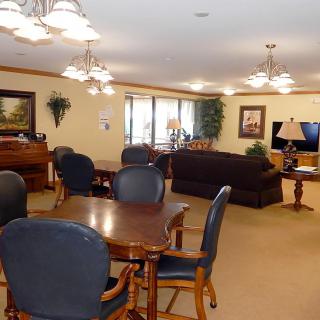
Heritage Health Peru in Peru, IL is best suited for families seeking a small, hands-on atmosphere where staff are visible and residents feel cared for on a day-to-day basis. It can work well for seniors who prioritize a warm, home-like setting and value personal attention from caregivers who seem genuinely engaged. The facility can serve residents who respond well to a consistent routine and appreciate a community feel where staff interactions are frequent and familiar. This is not the top pick for those who demand stringent safety controls or flawless dining experiences, but for families that can tolerate some variability in operations while prioritizing a personable, approachable environment, it may be a workable option.
Those who should consider alternatives are clearly defined by safety and quality benchmarks that appear uneven here. Medications being stolen, especially pain meds, raises serious red flags about medication management and resident protections. The kitchen environment and dining quality emerge as recurring concerns, with reports of vulgar behavior by a staff member, food that is cold, and even references to bugs in meals. These issues point to potential long-term risk in daily living, food safety, and overall morale. Families with high expectations for pristine hygiene, consistent meal quality, and impeccably professional staff will likely want to look elsewhere or insist on rigorous assurances and ongoing oversight before committing.
The strongest positives are tempered by the darker feedback, but they still matter in a practical decision framework. Several reviewers praise the facility as a place where caring people exist and where experiences can be very positive, suggesting that when things click, residents feel valued and supported. That caring energy is real and can translate into meaningful daily moments for residents who respond to personal attention. However, the optimism is uneven, and the contrast between “wonderful” experiences and severe concerns cannot be ignored. The bottom line: the human element is a real asset, but it does not fully offset the risk signals around safety, food, and basic cleanliness.
From a risk-management perspective, prospective families should demand concrete, verifiable assurances. Inquire about medication security protocols, double-check how incidents are documented and followed up, and request recent audit or inspection results related to pharmacies, storage, and administration practices. Kitchen practices warrant scrutiny as well, food handling, sourcing, cooking temperatures, and regular sanitation schedules. Touring the building with a focus on kitchen cleanliness, dining area conditions, and housekeeping standards is essential. If possible, arrange direct conversations with care staff about daily routines, response times, and how worries from residents are escalated and tracked.
Decision-makers should weigh the value of a compassionate, engaged staff against the recurring negatives. If a family can commit to active oversight, regular visits, transparent reporting, and strong advocacy, the positives may be enough to make this community work, particularly for residents who need constant personal interaction and who thrive in a tight-knit setting. For those with limited capacity to monitor, or for elders who require strict safety, medication controls, and consistently high dining standards, Heritage Health Peru presents too many unresolved questions to serve as a dependable long-term solution.
Ultimately, Heritage Health Peru lands as a mixed bag with a practical caveat: it can be a viable choice for families willing to lean in and demand accountability, where the resident appreciates a personable, familiar environment and staff who seem invested in daily well-being. It is not the right fit for households prioritizing flawless safety records, impeccable dining hygiene, or a consistently professional environment. Alternatives should be strongly considered by anyone who cannot tolerate the reported risks; for those who can actively engage and supervise, this community may deliver meaningful daily life with the right guardrails in place.
 127 resident community capacity
 Skilled Nursing Facility
 Air-conditioning
 Beauty salon
 Cable or satellite TV
 Computer center
 Dining room
 Fitness room
 Fully furnished
 Gaming room
 Garden
 Housekeeping services
 Kitchenette
 Move-in coordination
 Outdoor space
 Private bathrooms
 Restaurant-style dining
 Small library
 Telephone
 Wellness center
 Wi-Fi/high-speed internet available
 Community operated transportation
 12-16 hour nursing
 24-hour call system
 Activities of daily living assistance
 Assistance with bathing
 Assistance with dressing
 Assistance with transfers
 Diabetes diet
 Medication management
 Mental wellness program
 Special dietary restrictions
 Concierge services
 Planned day trips

 Financing Long-Term Nursing Home Care Through Social Security: A Thorough Exploration
 Essential Knowledge on Pneumonia in Older Adults
 Exploring Palliative Care in the Home: A Comprehensive Overview