

815 W Daughtery Rd, Lakeland, FL 33809
To contact a resident: (863) 859-0475
For more information about senior living options: (866) 208-4318
Overall Review of North Lakeland Senior Living
Pros
 The place is better.
- The facility has kind staff who take pride in their work.
- There have been many positive changes in the facility.
- Mrs. Amy and her team are praised for their hard work and dedication.
- Cheryl and her trained staff always provide excellent care to the clients.
- The service provider is described as very good and takes care of loved ones like their own.
- The staff is always nice.
- They were great at adjusting medications for the mom.
- They can still visit even with COVID.
- New Era is advancing with better care and employees.
- The reviewer would recommend the facility and its people.
Cons
 The facility has mold and bedbugs, no functioning central air or heat, and rooms and walls are crumbling because of the mold.
- Staff do not adequately supervise patients, allowing them to wander off miles away without staff noticing.
- The management is poor; the administrator is perpetually unavailable and won’t return calls, and the facility has infractions and fines.
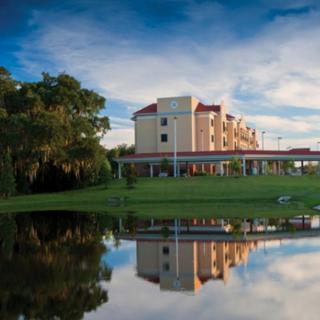
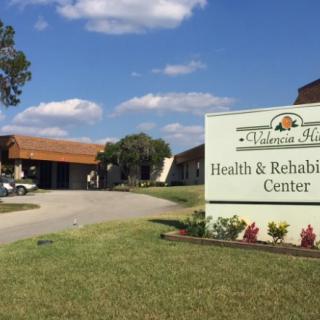
- The exterior and interior look rundown—filthy windows, depressing atmosphere, and it resembles a dungeon.
- It is not suitable for loved ones and should not be recommended.
- There are roach feces in drawers, rooms are uncomfortably cold, and there is severe understaffing.
- Medication changes caused agitation, patients were sedated, and weight loss occurred.
Review
North Lakeland Senior Living in Lakeland, FL is best suited for families that value hands-on, compassionate caregiving and are prepared to actively monitor a facility that struggles with maintenance and administration. The strongest appeal lies in staff who genuinely take pride in their work and in caregivers who form real connections with residents, including those living with dementia. Families will hear candid praise for caregivers who adjust medication routines, monitor hygiene, and maintain open lines of communication with relatives. When leadership steps in, recognized praise for Amy and noted positive shifts under dedicated supervisors, there is a sense that present staff can execute thoughtful, resident-centered care even amid broader facility challenges.
That favorable caregiving narrative comes with a heavy counterbalance. Several reviews accuse the community of serious environmental and safety flaws: mold and bedbugs, nonfunctional central air and heating, and deteriorating rooms and hallways. Observations of strong odors, rundown exteriors, and depressed, dreary interiors create an atmosphere that undermines resident well-being and families’ confidence. Safety concerns are repeatedly cited, patients wandering off without timely staff intervention, and there are credible reports of management gaps, including administrator unavailability and recurring infractions fined by oversight authorities. These issues collectively raise questions about reliability, infection control, and the overall living environment.
The primary pros, genuine caregiver dedication, responsive personal attention, and workable med-management adjustments, do provide meaningful day-to-day quality for residents who can tolerate the surroundings. Positive feedback from families about hygiene support, meal routines, and the ability to visit shows that, on a micro level, residents can experience dignity, routine, and attention. However, these benefits do not neutralize the more systemic drawbacks. Environmental hazards, inconsistent administration, and staffing gaps at night or during transitions create real risk, especially for residents with complex medical needs or those who require tight supervision and predictable environments.
Prospective families should take a disciplined, investigative approach before deciding. Schedule a thorough tour, insist on speaking with multiple staff members and several family proxies, and request copies of recent inspection reports and any corrective-action plans. Inspect HVAC performance, room temperatures, cleaning protocols, pest control records, and evidence of ongoing maintenance. Demand a clear, written plan for how risks will be mitigated, especially concerning wandering residents, medication administration, and emergency responsiveness. Inquire about occupancy trends, staff-to-resident ratios, and the specific training given to aides working with memory care patients, along with how leadership monitors and enforces standards.
If North Lakeland is chosen, go in with guarded expectations and a strong oversight protocol. Establish a regular cadence of updates from administration, lock in concrete service agreements for room maintenance and safety improvements, and insist on immediate escalation channels for any welfare concerns. Consider a staged commitment, such as a trial period with clear exit criteria and a plan for rapid transfer if environmental or governance issues intensify. In contexts where pristine maintenance, predictable safety, and consistent administrative responsiveness are non-negotiable, the prudent move is to explore other nearby options that deliver steadier infrastructure and firmer governance.
Bottom line: North Lakeland Senior Living presents a real trade-off. For families prioritizing personal, attentive caregiving, especially for residents with dementia, and who are prepared to devote ongoing advocacy to address environmental and administrative shortcomings, the community can offer meaningful daily quality. For most families seeking strict reliability, uniformly clean facilities, impeccable safety records, and consistently responsive management, alternatives should be planned. The facility is a calculated risk rather than a settled choice; diligence, documentation, and readiness to act are necessary companions to any potential placement here.
 Independent Living


 Comprehensive Look at Senior Blood Pressure Charts: Normal and Elevated Levels by Age
 Top Canine Companions for Older Adults
 Comprehensive Guide to Blood Pressure Charts for Older Adults: Understanding Normal and High Readings by Age