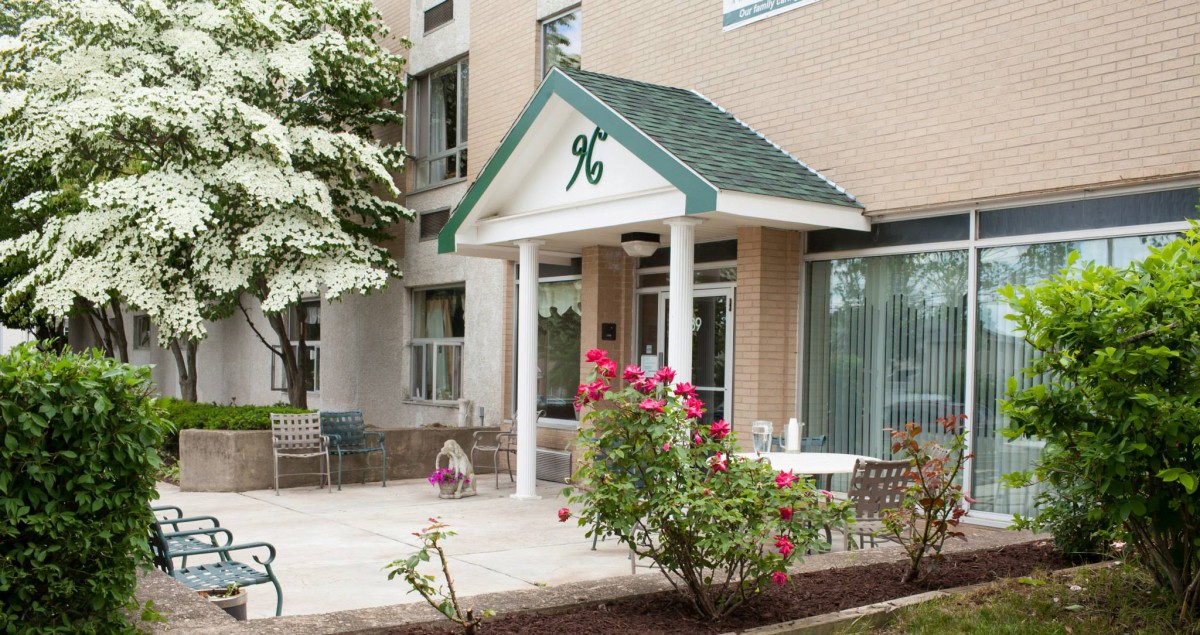
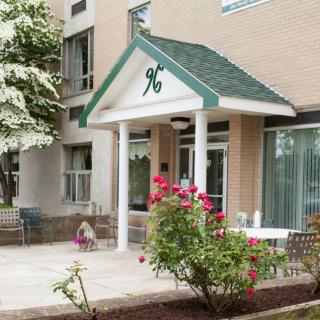
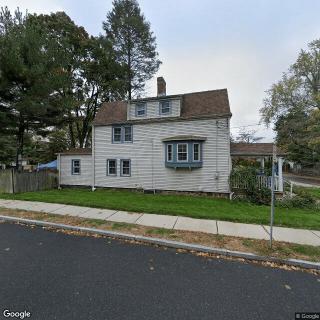
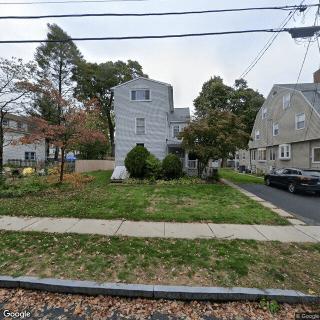
39 Highland Street, West Hartford, CT 06119
To contact a resident: (860) 233-8208
For more information about senior living options: (866) 208-4318
The Holiday Retirement Costs & Pricing
At The Holiday Retirement, the monthly cost for a studio apartment stands at an affordable $2,480. When we compare this with the average costs in Hartford County, which are considerably higher at approximately $3,713, and even more so against the state average in Connecticut, reaching around $5,919, it becomes evident that The Holiday Retirement offers significant savings. This value proposition not only makes it an attractive option for prospective residents seeking quality living arrangements but also highlights its commitment to affordability without compromising on care and community engagement.
| Floor plans | The Holiday Retirement | Hartford County | Connecticut |
|---|---|---|---|
| Studio | $2,480 | $3,713 | $5,919 |
Independent Living communities with a similar price nearby
-
from +$134 / mo
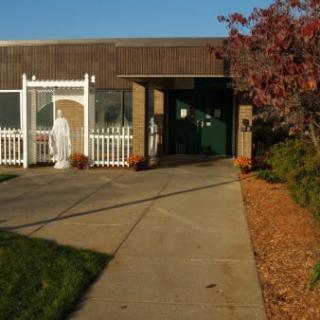
The McAuley, a CCRC
$2,614 to $4,103 / month1.0 miles away -
from +$295 / mo
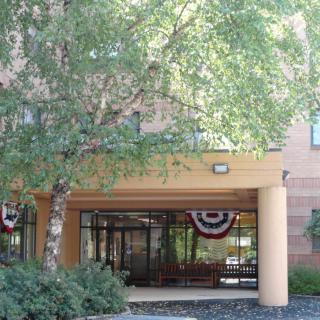
Heritage Commons
$2,775 to $5,138 / month15.0 miles away -
from -$130 / mo
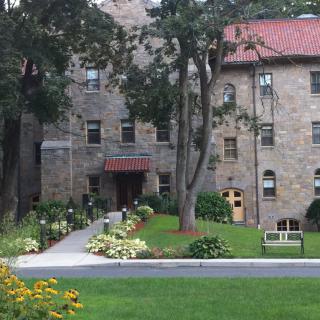
Prosper at Monastery Height
$2,350 to $4,200 / month24.5 miles away -
from +$229 / mo
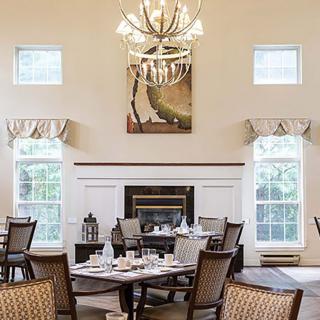
Holiday The Lodge at Cold Spring
$2,709 to $3,369 / month9.0 miles away -
from +$139 / mo
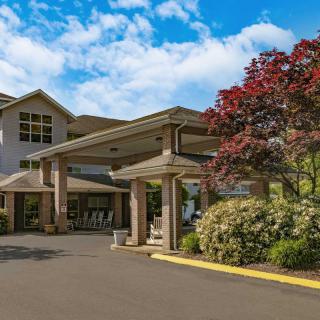
Holiday Quail Run Estates
$2,619 to $4,295 / month21.8 miles away
Overall Review of The Holiday Retirement
Pros
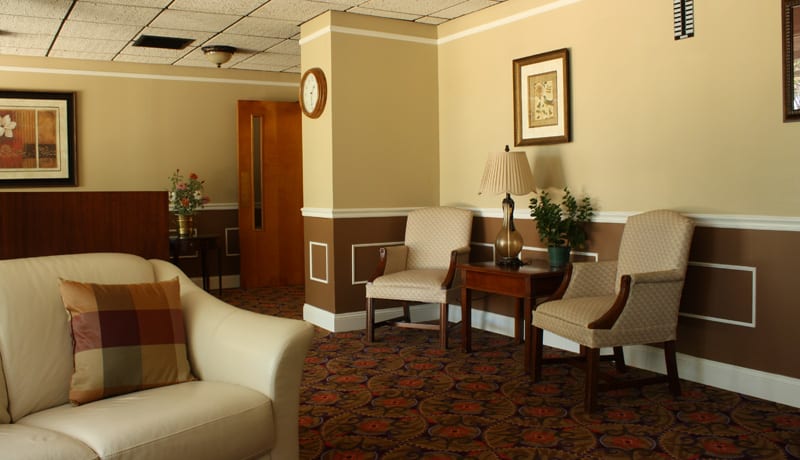
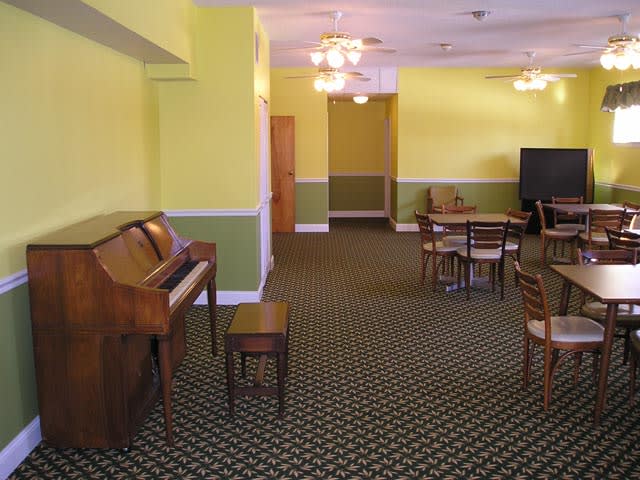
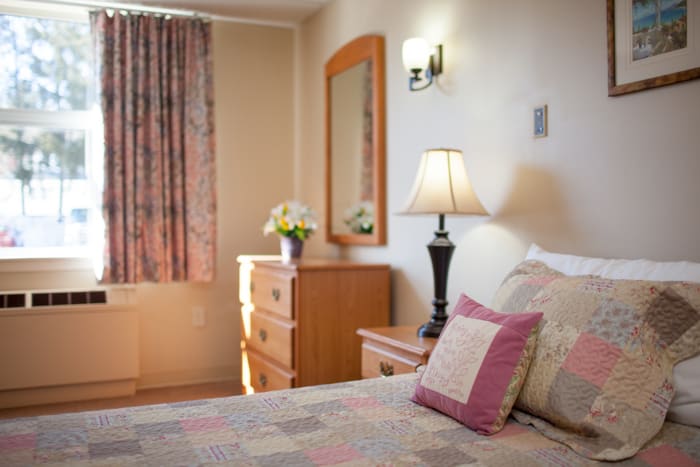
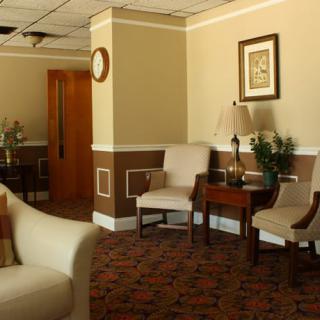
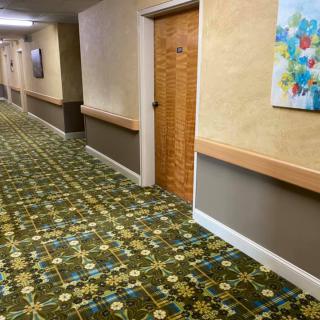
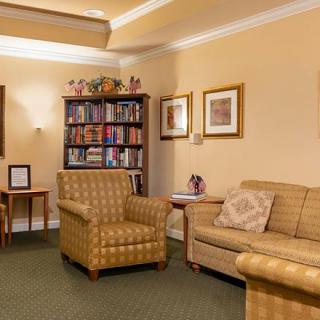
 The atmosphere felt like home.
- It was inviting and warm without unnecessary bells and whistles.
- The staff were humble and welcoming.
- They would recommend the holiday to everyone.
Review
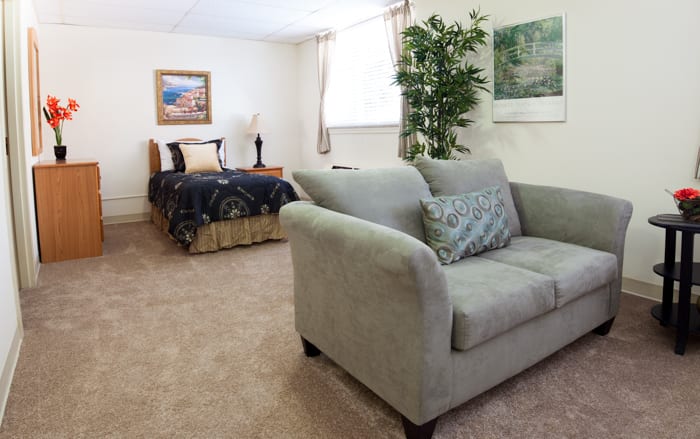
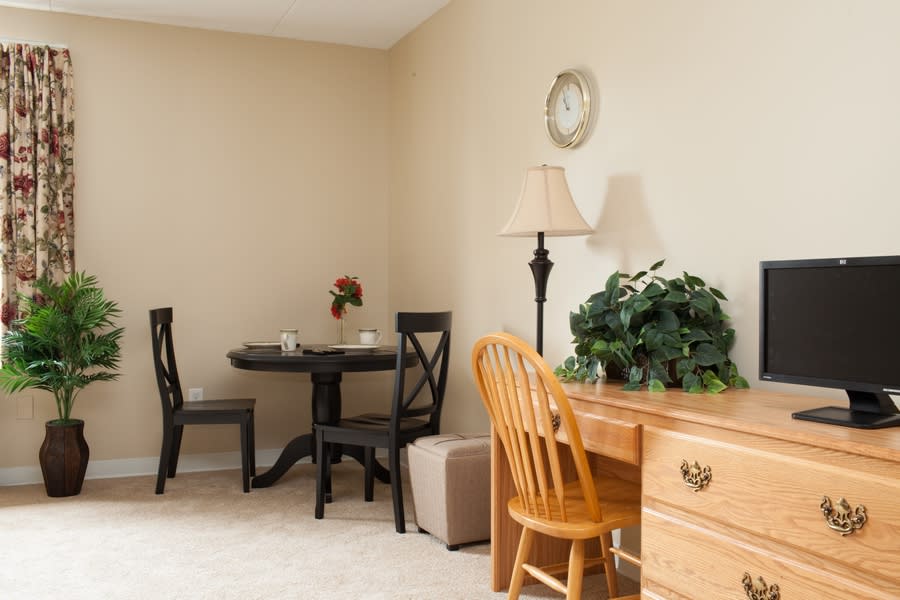
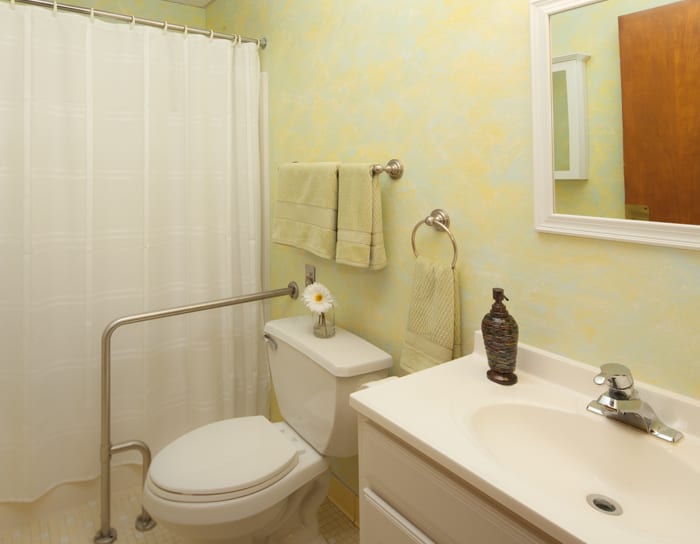
The Holiday Retirement in West Hartford is best suited for seniors who want a warm, home-like atmosphere where simplicity and heartfelt staff interactions take precedence over resort-style amenities. This community appeals to those who value quiet dignity, daily familiarity, and a sense of belonging more than dazzling common areas or high-tech programming. Prospective residents who are independent, or only lightly dependent, and who seek a peaceful environment with predictable routines will likely feel at ease from the first visit. The emphasis on a comfortable, unpretentious setting makes it a strong fit for families prioritizing emotional security and steady, human-centered care.
Those weighing options should consider alternatives if the priority is robust, hospital-grade support or a highly active social calendar. For seniors requiring extensive medical oversight, frequent nursing intervention, or specialized memory care, other communities with more pronounced clinical staffing may provide clearer continuity of care. Similarly, if a bustling campus with a wide array of scheduled excursions, high-volume programming, or resort-like amenities is non-negotiable, this location may feel understated. In short, a candidate seeking sophisticated programming or advanced care should examine more purpose-built assisted living or memory-care options.
The strongest credits here are the understated, authentic strengths that define daily life. The atmosphere feels like home, with an inviting, warm vibe that avoids unnecessary bells and whistles. That simplicity reduces noise, lowers stress, and creates a setting where residents and families can focus on genuine connections rather than navigating flashy features. The staff come across as humble and welcoming, a crucial asset in transitions and day-to-day interactions. When caregivers project approachability, trust grows quickly, and families gain confidence that their loved one is treated with dignity and personal attention.
This combination of atmosphere and staff demeanor translates into tangible daily benefits. Residents are more likely to engage on a humane, individual basis, which often means quicker acknowledgment of preferences, clearer communication, and smoother conflict resolution. The lack of showiness can be a release valve for seniors who feel overwhelmed by larger, more corporate environments. For families, the predictability of routines and the perceived sincerity of caregiving can offset a potential longing for more elaborate programming. In other words, the core advantages, homey warmth and approachable staff, provide a solid foundation that cushions the absence of high-end amenities.
Given the available impressions, the main drawbacks are not dramatic but real for certain seniors. A quieter, simpler campus may come across as limited when compared with communities that market extensive activity calendars or more intensive care options. Prospective residents should verify the level of medical support available on site, confirm what daily programming looks like, and assess whether meals, transportation, and housekeeping meet their expectations. However, the very traits that some might see as drawbacks, private, non-showy spaces, and a calmer pace, can be precisely what helps residents settle in, avoid overstimulation, and maintain a sense of independence that remains within comfortable bounds.
In the end, this community is a prudent choice for families seeking a respectful, low-drama living situation where familiarity and staff warmth carry significant weight. It serves well for those who want to minimize distractions while maximizing personal attention and daily comfort. The clarifying question for families is whether the residentā€™s needs align with a more modest, emotionally secure environment rather than a highly active campus with expansive services. For those who decide to proceed, due diligence during visits is essential: confirm staffing ratios, inquire about the specific care services available, review the activity calendar, understand fee inclusions, and request candid references. This approach ensures the fit is sound and the transition to the Holiday Retirement feels as natural as home itself.
 Independent Living
 Activities on-site
 Beautician on-site
 Cable or satellite TV
 Devotional services off-site
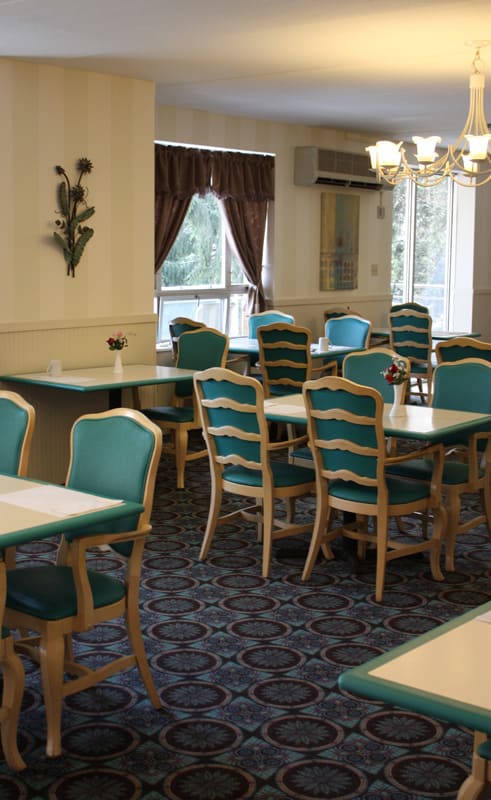
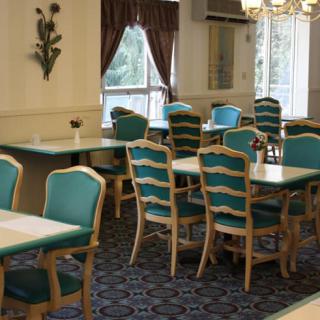
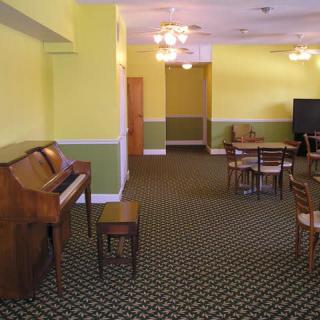
 Indoor common areas
 Bradley International (12 miles away)
 Ambulatory care
 Meals provided
 BBQs or picnics
 Gardening club
 Holiday parties
 Live musical performances
 Yoga / chair yoga


 Navigating the Financial Road to Nursing Home Care: In-Depth Guidance and Resources
 Supportive Employee Benefits That Help Caregivers Attain Better Work-Life Harmony
 Top Cars for Senior Drivers and Essential Safety Innovations