
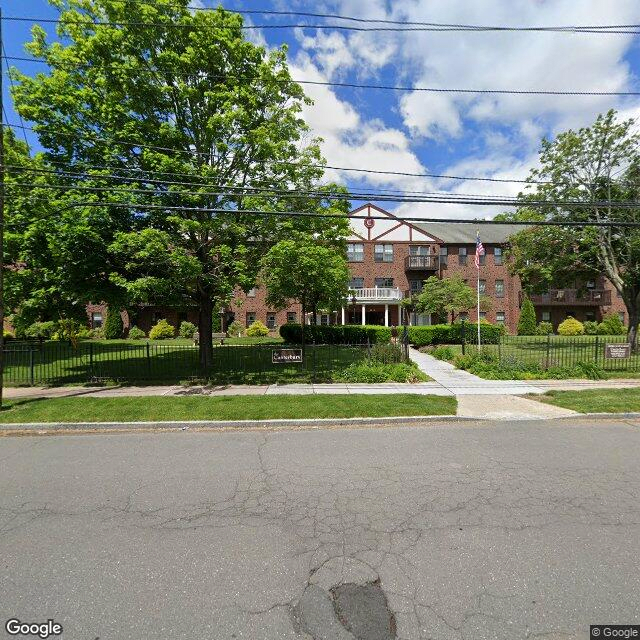
45 Highland St, West Hartford, CT 06119
To contact a resident: (860) 683-1177
For more information about senior living options: (866) 208-4318
Canterbury Costs & Pricing
In Canterbury, the cost of living presents a striking contrast to both Hartford County and the broader state of Connecticut. For instance, residents in Canterbury can expect to pay $1,295 per month for a one-bedroom apartment, which is significantly lower than the averages of $4,397 in Hartford County and $6,383 statewide. Similarly, two-bedroom apartments in Canterbury are priced at $1,595, compared to $3,985 in Hartford County and $5,070 across Connecticut. This makes Canterbury an attractive option for those seeking more affordable housing options while still enjoying the benefits of residing within the state. The overall lower costs reflect a unique opportunity for individuals and families looking to balance their housing expenses with quality living in a serene environment.
| Floor plans | Canterbury | Hartford County | Connecticut |
|---|---|---|---|
| 1 Bedroom | $1,295 | $4,397 | $6,383 |
| 2 Bedrooms | $1,595 | $3,985 | $5,070 |
Independent Living communities with a similar price nearby
-
About the same

Delamere Woods
$1,295 to $1,595 / month8.6 miles away -
from -$95 / mo
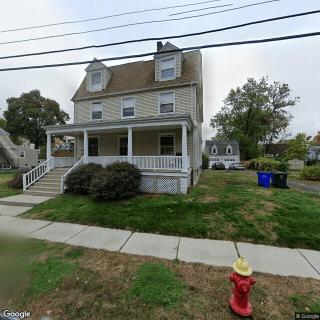
Fenway Place
$1,200 / month0.4 miles away -
from -$95 / mo
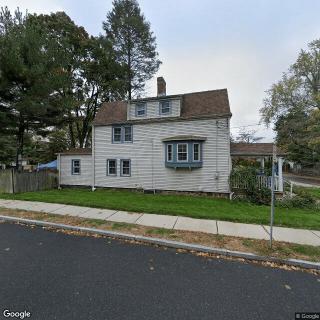
16 Fenway Place
$1,200 / month0.3 miles away
Overall Review of Canterbury
Pros
 Residents are happy and settling in well.
- They enjoy a quiet, peaceful environment.
- People are kind and supportive toward one another.
- They feel safe and cared for.
- The staff maintain a neat, well-kept community.
- The grounds are clean and well-maintained.
- There are meal options, with alternatives if needed.
- They would definitely recommend this home to others.
Review
Canterbury in West Hartford, CT is best suited for seniors who want a quiet, home-like setting where safety, consistent care, and neat, well-kept surroundings form the daily baseline. The community earns trust through reliable staff who appear genuinely attentive, and residents describe the environment as calm, predictable, and supportive. For families, this translates into reduced worry about everyday safety and the stability of routines, with meals offering real flexibility, an important comfort when preferences or appetites change. In short, Canterbury aligns with decision-makers seeking a dignified, low-stress living option that preserves independence while delivering dependable human-scale care.
Those evaluating alternatives should note that Canterbury may not be the right fit for seniors who crave a bustling social calendar, extensive on-site programming, or higher-acuity medical services. If the top priorities include frequent, varied activities, robust rehab options, or specialized memory-care configurations, it pays to explore communities that market more aggressive engagement and deeper clinical capabilities. For families prioritizing social stimulation or rapid access to intensive support, other options will likely deliver a pace and breadth of services that Canterbury does not emphasize.
The strongest positives, quietude, safety, and well-kept grounds, sit at the center of a comforting living experience. The consistency of care, as reflected in staff attention and the general upkeep of the community, reduces daily stress and fosters a sense of belonging. When meals are flexible and accommodating, the daily routine becomes less transactional and more resident-centered. These factors collectively create a reliable sense of homeliness, where residents feel both protected and valued. In practice, that translates into fewer daily tensions and more predictable, manageable days, which matters greatly for seniors who prioritize serenity and personal dignity.
Against the backdrop of a quiet setting, the main trade-off is the potential for lower-paced activity and a leaner array of high-intensity services. Yet Canterbury’s core strengths, attentive staff, cleanliness, and menu flexibility, help offset these possible drawbacks. Residents still have opportunities to engage in daily life through the community’s rhythms and through staff interactions, which can provide meaningful social contact without the artificial bustle of a more aggressive program. For individuals who prefer intimate conversations, familiar faces, and simple routines, the balance between calm and care proves practical rather than limiting.
Families considering Canterbury should approach a visit with a clear checklist: observe how staff interact with residents, assess whether the dining options genuinely reflect flexibility, and gauge the availability of assistance as needs evolve. Inquiries about routine activities, transportation, and guest engagement will reveal how much life outside the room exists within the quiet environment. It is wise to request firsthand accounts from current residents about daily satisfaction, and to confirm the cadence of care, safety features, and any potential upgrades in services. The goal is to confirm that the strengths can sustain quality life without compounding the frustrations that sometimes accompany quieter settings.
The verdict is practical and decisive: Canterbury is a strong match for seniors who value safety, a serene atmosphere, and dependable care delivered with care and neat surroundings. It is a particularly good fit for those who prize a steady routine and the assurance that meals will accommodate personal tastes. It is less suitable for families seeking high-energy programming or rapid access to advanced medical or rehabilitation services. For those with a preference for a calm, neighborly environment where staff know residents by name and daily life feels orderly and comfortable, Canterbury offers a credible, confidence-building option.
 Independent Living
 Cats allowed
 Dogs allowed
 Activities off-site
 Bath tubs
 Beautician on-site
 Bradley International (12 miles away)





 Comprehensive Approaches for Arthritis: A Detailed Guide to Symptoms, Causes, and Care
 Comprehensive Insights and Practical Strategies to Help Older Adults Avoid Falls
 6 Crucial Ways an Elder Law Attorney Assists Families