Lutheran Home of Southbury offers competitive pricing for its one-bedroom accommodations, with a monthly cost of $5,550. This is notably lower than the average rates in New Haven County, which stand at $6,325, and significantly less than the statewide average of $6,383 for similar living arrangements. By choosing Lutheran Home of Southbury, residents can benefit from a high-quality environment and care services while enjoying a more economical option compared to both county and state averages. This makes it an attractive choice for individuals seeking affordable yet comfortable long-term care solutions.
Floor plans
Lutheran Home of Southbury
New Haven County
Connecticut
1 Bedroom
$5,550
$6,325
$6,383
Skilled Nursing Facilities with a similar price nearby
Residents and families consistently describe the staff as attentive and caring.
Across many reviews, people describe the nursing team, aides, and therapists as pleasant, supportive, and responsive. Several reviewers also mention that when a resident presses a button, staff respond quickly. A number of residents or family members describe teamwork in rehab and day-to-day care, including respect and compassionate handling.
caveat7 reviews mention this
Care execution feels inconsistent
Some reviews raise concerns about staffing, organization, and follow-through.
A smaller set of reviews describe missed or delayed care actions, including concerns about medication handling, communication, and coordination between departments. One reviewer also described long waits for help with bathroom needs and general disorganization. Others describe frustrations about how information was communicated to family or how decisions were handled during a care period.
caveat8 reviews mention this
Food quality is mixed
Food quality comes up repeatedly, with both praise and complaints.
Several residents or family members say they liked the food, and at least one review describes it as above average at times. Other reviews report food being cold, bland, or uneatable, with concerns ranging from sandwiches not being warm to meals not meeting expectations. One reviewer also ties dining dissatisfaction to broader issues with service during their stay.
common3 reviews mention this
Activities and entertainment help
Many residents are able to stay engaged with daily activities.
Reviews describe residents participating in some on-site activities like chair exercises and watching movies in the evening. One reviewer also highlights making friends and staying active over time. This lines up with the community’s focus on scheduled daily activities and community-sponsored engagement.
common2 reviews mention this
Pricing is positioned as worthwhile
At least some families feel the cost is justified by the care.
Two reviews specifically frame the stay as “worth the price,” describing comfort and care while noting the room experience and attention to needs. For a 1-bedroom, the listed price is $5,550, which is shown as about 14% below the county average and about 15% below the state average.
caveat3 reviews mention this
Call responsiveness is debated
Phone or call-button responsiveness is described both positively and negatively.
Some reviews say staff are right there after a resident pushes the call button. Other reviews describe delays or problems with call button response during a care period. In addition, one reviewer reports difficulty reaching care staff after hours by phone.
How we summarize
Counts show how many written reviews mention each theme; a review can touch several themes, and only frequently mentioned themes are displayed.
Features
Housing
22 resident community capacity
Types of Care
Assisted Living
Board and Care Home
Continuing Care Retirement Community (CCRC)
Independent Living
Respite Care
Skilled Nursing Facility
Amenities
Activities on-site
Beauty salon
Cable or satellite TV
Devotional services off-site
Dining room
Fully furnished
Garden
Housekeeping services
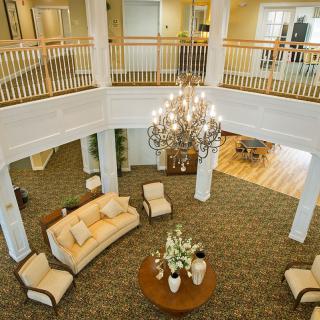
Indoor common areas
Kitchenette
Move-in coordination
Outdoor space
Telephone
Wi-Fi/high-speed internet available
Care Services
24-hour call system
24-hour supervision
Activities of daily living assistance
Ambulatory care
Assistance with bathing
Assistance with dressing
Assistance with transfers
Coordination with health care providers
Diabetes diet
Diabetic care
Meal preparation and service
Medication management
Mental wellness program
Special dietary restrictions
Transportation arrangement (medical)
Transportation to doctors appointments
Dining
Diabetes diet
Meals provided
Special dietary restrictions
Activities
Activities on-site
Community-sponsored activities
Devotional activities offsite
Scheduled daily activities
Nearby Places of Interest
This part of Southbury, Connecticut offers a variety of amenities and services that would be beneficial for senior living. With several physicians and healthcare facilities within a short distance, residents have access to quality medical care. Additionally, there are numerous dining options, including Asian cuisine, Italian fare, and local ice cream shops. The presence of cafes like Panera Bread provides a convenient spot for socializing or grabbing a quick bite to eat. Several pharmacies are also nearby for easy access to medications. Parks such as Hollow Park offer opportunities for outdoor recreation and leisurely walks in nature. For spiritual needs, there are multiple places of worship within the vicinity. Overall, this part of Southbury provides a blend of healthcare services, dining choices, recreational activities, and spiritual support that make it a desirable location for seniors looking to settle in the area.
Physicians
Harvey M. Kramer, MD (1.6 miles)
The Eye Care Group (1.6 miles)
Mirabilelevens Elizabeth Waterbury Pulmonary Associates Southbury (1.9 miles)
Progressive Eye Care (2.4 miles)
Southern Connecticut Vascular Center (2.4 miles)
Rejuve Medispa (6 miles)
Nephrology & Hypertension Associates (6.8 miles)
Restaurants
Jade Garden Asian Restaurant (1.7 miles)
Ovens of France (1.7 miles)
Market Place Woodbury (1.8 miles)
Mercato Italian Kitchen & Bar (1.9 miles)
1754 House Inn & Restaurant (2.1 miles)
Rich Farm Ice Cream Shop (5 miles)
Aldo's Ristorante (6.7 miles)
Cafes
Panera Bread (1.7 miles)
Starbucks (9.6 miles)
Riders Smokehouse Bar (10.7 miles)
Pharmacies
CVS Pharmacy (2 miles)
Canfield Corner Pharmacy (3.3 miles)
Drug Center Pharmacy (7.4 miles)
Newtown Pharmacy & Surgicals (7.9 miles)
CVS Pharmacy (7.9 miles)
Rite Aid (8.1 miles)
CVS Pharmacy (8.2 miles)
Parks
Hollow Park (2.3 miles)
Lovers Leap State Park (10.4 miles)
Harrybrooke Park (10.8 miles)
Creative Playground (11.1 miles)
Hospitals
Naugatuck Valley Surgery Center (8.6 miles)
The Wellspring Foundation (8.7 miles)
Saint Mary's Hospital (9.6 miles)
Danbury Hospital Business Office (11.2 miles)
Places of Worship
Church of Jesus Christ of Latter Day Saints (9.5 miles)
Lutheran Home of Southbury offers competitive pricing for its one-bedroom accommodations, with a monthly cost of $5,550. This is notably lower than the average rates in New Haven County, which stand at $6,325, and significantly less than the statewide average of $6,383 for similar living arrangements. By choosing Lutheran Home of Southbury, residents can benefit from a high-quality environment and care services while enjoying a more economical option compared to both county and state averages. This makes it an attractive choice for individuals seeking affordable yet comfortable long-term care solutions.
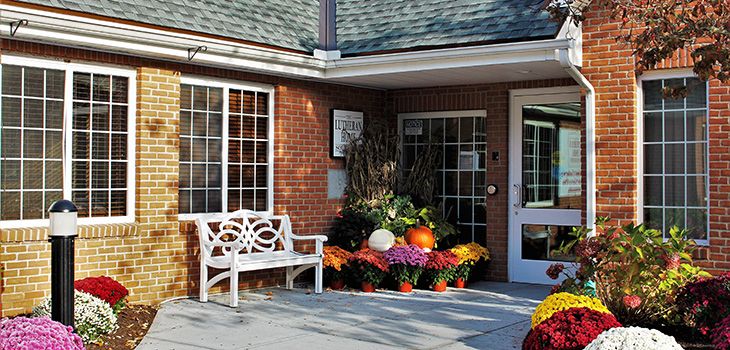
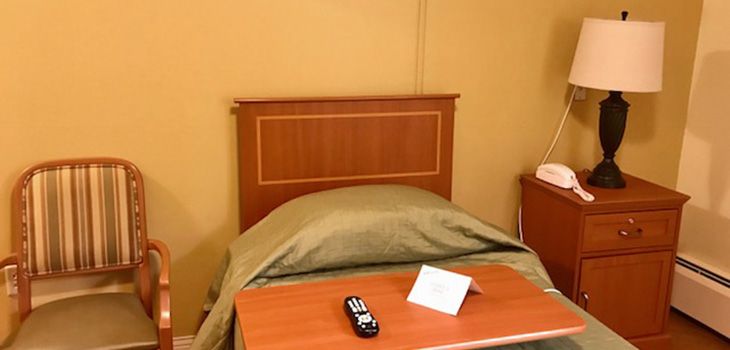
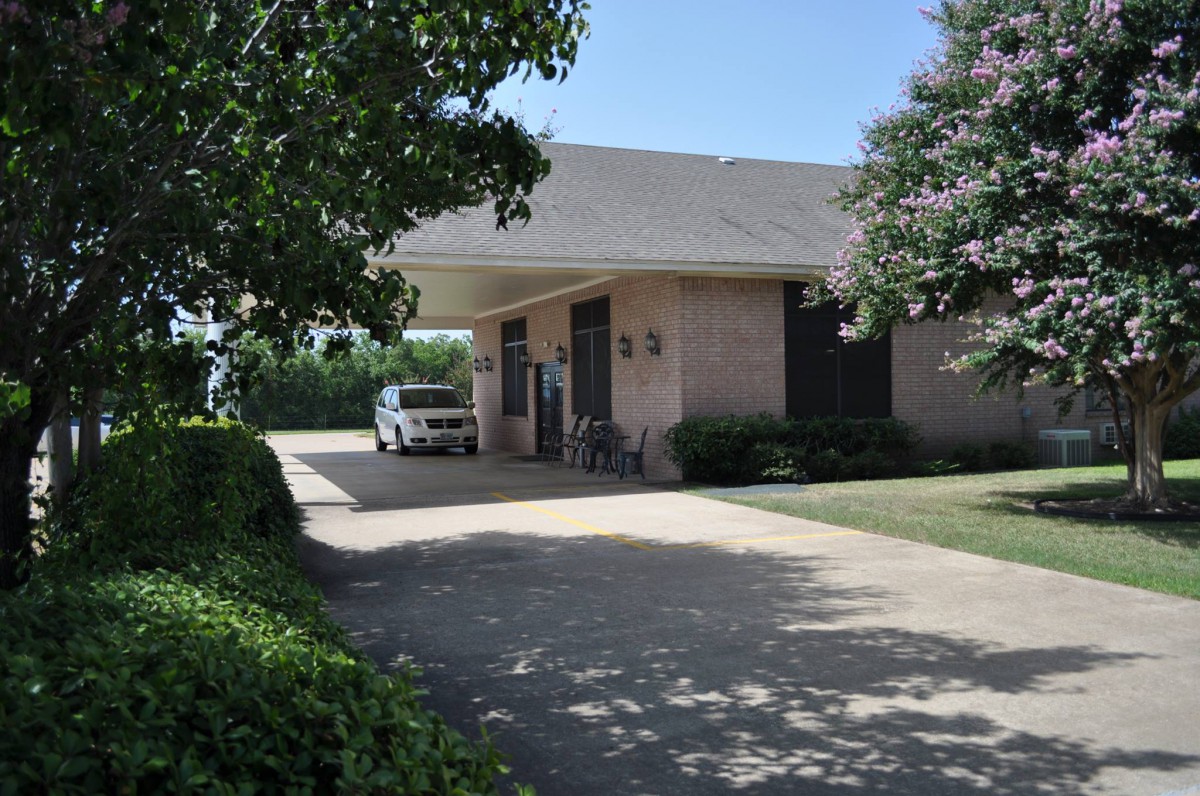
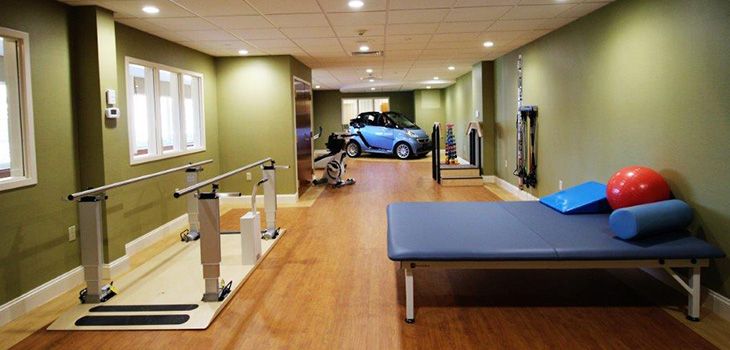
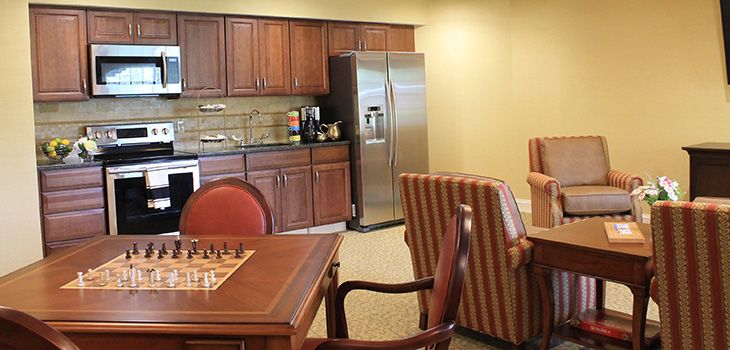
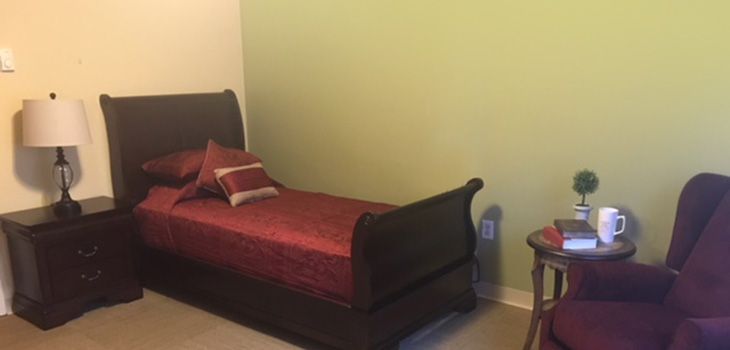
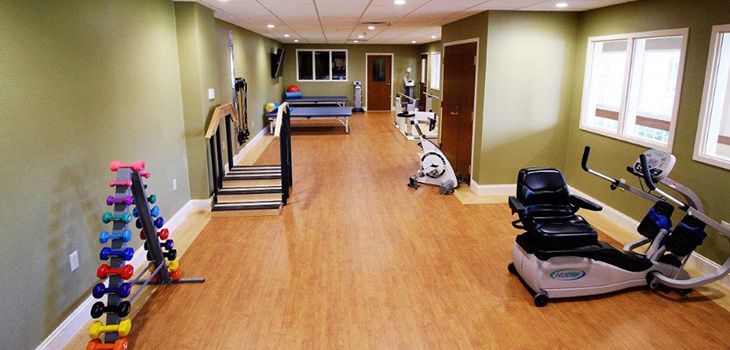
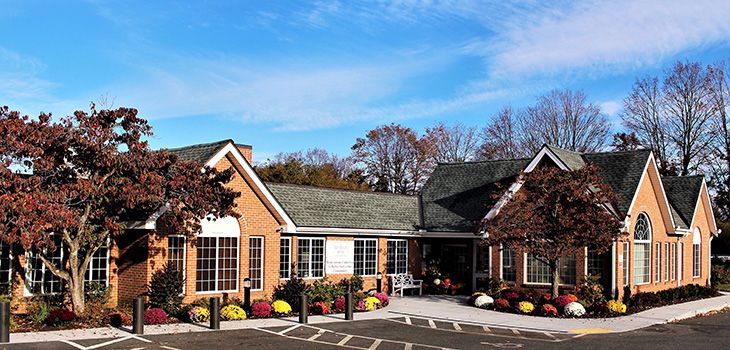
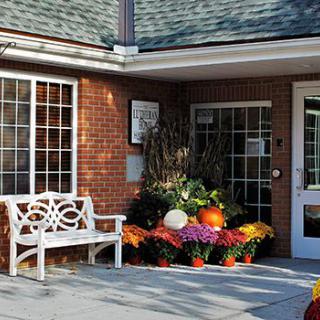
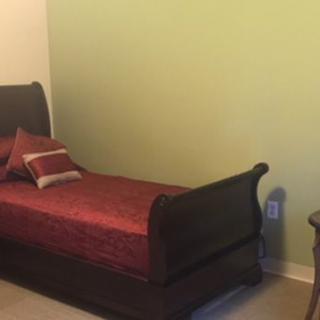
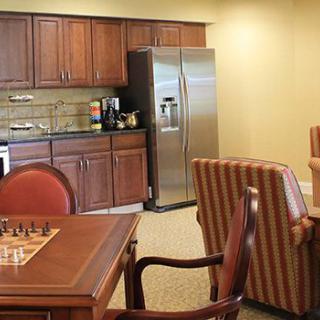
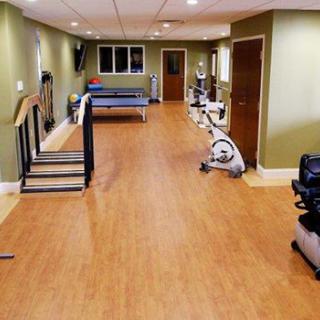
Lutheran Home of Southbury on seniors.fyi includes 9 photos including images showing exercise equipment, bedroom, interior, trees, kitchen, dining, refrigerator, cabinets, and more.
Nearby Communities
White Oak Manor
Southbury, CT
3.6 from 24 reviews
24/7 staff and comprehensive care with engaging daily activities.
Heritage Village - Southbury
Southbury, CT
3.5 from 2 reviews
Friendly, safe community with active social life and courteous staff.
Pomperaug Woods a CCRC
Southbury, CT
4.9 from 148 reviews
$4,033 to $7,500 / month
Caring staff, engaging activities, and a broad range of care options in a vibrant community.
The Watermark at East Hill
Southbury, CT
4.3 from 114 reviews
$3,500 to $6,900 / month
Caring staff, active resident life, and strong dining in a clean, welcoming setting.
Prestige Companion & Homemakers, LLC
Southbury, CT
4 from 27 reviews
Personalized care and companionship in a tranquil setting with nearby healthcare and amenities.
The Hearth At Southbury
Southbury, CT
4 from 38 reviews
Welcoming, professional staff in a well-maintained facility with engaging activities and restaurant-style dining.
Motif Southbury
Southbury, CT
4.2 from 48 reviews
$3,699 to $6,900 / month
Home-like atmosphere with attentive staff and strong family communication.
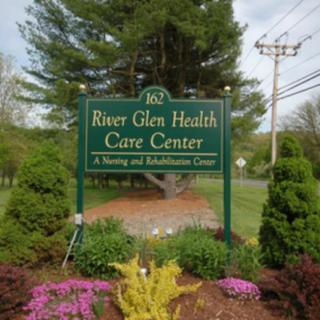
River Glen Health Care Center
Southbury, CT
4.8 from 122 reviews
Exceptional, compassionate staff who form meaningful relationships with residents in a well-maintained, welcoming environment.
The Ivy at Watertown
Watertown, CT
4.7 from 48 reviews
$4,900 to $7,450 / month
Warm, caring environment with attentive staff and engaging activities.
The guide outlines the complexities of Medicaid coverage for assisted living, highlighting significant state-to-state variations, limited coverage often restricted to personal care services, and the existence of specialized waivers for certain needs like memory care. It advises families to consult local Medicaid offices for options while emphasizing the importance of understanding state-specific regulations and facility policies.
Medicaid coverage for assisted living varies by state and is primarily available to low-income individuals, with eligibility dependent on strict income and asset limits. Some states offer HCBS waivers for specific services in assisted living, but families must generally cover room and board costs, and should verify facility acceptance of Medicaid while considering potential waiting lists.
Medicaid waivers for assisted living services provide vital support for seniors and individuals with disabilities in need of long-term care, with varying state-specific eligibility criteria and benefits. These waivers cover personal care and case management but often do not fully cover room and board, leading to waiting lists for many applicants.
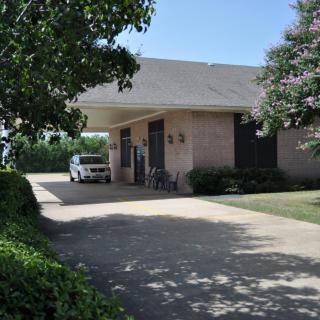
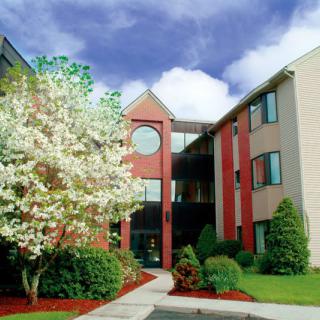
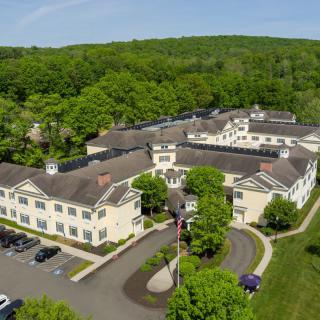
Landscaping, Building, Architecture, Outdoors, and Brick
Trees
Exercise Equipment
Healthcare, Rehabilitation, and Physical Therapy
Treadmill
Get PricingAsk A QuestionSchedule A TourContact Senior Advisor
By clicking submit, you agree to our Partner's Terms of Use. You
also consent to receive calls and texts, which may be autodialed, from our Partner. Your consent is not a condition to
using our Partner's service. Please visit our Partner's Privacy Policy for information about their privacy practices.






 22 resident community capacity
 Assisted Living
 Board and Care Home
 Continuing Care Retirement Community (CCRC)
 Independent Living
 Respite Care
 Skilled Nursing Facility
 Activities on-site
 Beauty salon
 Cable or satellite TV
 Devotional services off-site
 Dining room
 Fully furnished
 Garden
 Housekeeping services
 Indoor common areas
 Kitchenette
 Move-in coordination
 Outdoor space
 Telephone
 Wi-Fi/high-speed internet available
 24-hour call system
 Ambulatory care
 Assistance with bathing
 Assistance with dressing
 Assistance with transfers
 Diabetes diet
 Diabetic care
 Meal preparation and service
 Medication management
 Mental wellness program
 Special dietary restrictions
 Transportation arrangement (medical)
 Transportation to doctors appointments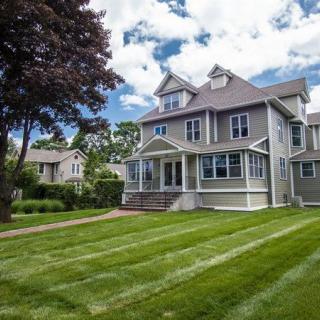
 24/7 staff and comprehensive care with engaging daily activities.


 Understanding Medicaid Coverage for Assisted Living: A Comprehensive Guide
 How and When Medicaid May Cover Assisted Living Costs
 A Detailed Exploration of Assisted Living Medicaid Waivers Across the United States