
2202 Downing St # 3, Denver, CO 80205
To contact a resident: (303) 860-9020
For more information about senior living options: (866) 208-4318
Overall Review of Shorter Arms Housing Project
Pros
 The tenants come together as a group to clean up and maintain the building.
- Residents show initiative and resilience in maintaining the property.
Cons
 The phone operator is rude and disrespectful.
- The operator allegedly does not care about activity in the building and hung up when illegal activity was reported.
- The reviewer intends to report the organization to the police and the BBB.
- The property is described as an elderly and disabled complex with illegal activity.
- Management has changed several times and is currently PK/Avail.
- The company is linked to horrible living conditions, fraud, and extremely poor maintenance.
- Residents experience floods, black mold, broken heat/AC units, poor plumbing, lack of yard care, and no general cleaning.
- When confronted, management’s responses are hostile and aggressive.
- Management has stated that tenants “have more than they deserve.”
- Tenants attempting to clean or maintain the property are told their efforts are not appreciated and to stop.
- The company has taken personal property and illegally towed cars with parking stickers.
- The reviewer calls them the biggest slum lords in the country.
Review
Shorter Arms Housing Project in Denver is best suited for residents who must accept extreme maintenance neglect and unstable, confrontational management as the trade-off for ultra-low-cost living. The available information indicates this is not a place for seniors or disabled residents who rely on dependable upkeep, predictable safety, and courteous, consistent on-site administration. In practical terms, the community functions in a way that makes daily life precarious rather than comfortable: turnover in management implies shifting rules and unclear accountability, while complaints about unsafe conditions point to a living environment that can be more adversarial than supportive. The balance clearly tilts toward those with no viable alternatives who can tolerate regular disruption and risk.
Those weighing options should explicitly consider alternatives. Families prioritizing health, dignity, and predictable service will want to look elsewhere in Denver’s affordable housing market. For comparable price point living, seek properties with stable ownership or non-profit management that enforces maintenance standards, responsive repairs, and respectful resident interactions. The available assessments raise red flags about safety, legality, and tenant rights, making a stronger case for places where management is established, responsive, and oriented toward long-term resident welfare rather than short-term expediency.
The most compelling cons center on management conduct and building conditions. The person answering the phone is described as rude and dismissive, with reports of disrespect that extend into real-world interactions and escalate when concerns are raised. A pattern of management turnover compounds the problem: changes in ownership or operators correlate with deteriorating conditions and inconsistent adherence to basic maintenance. The broader picture paints a property where legally or morally questionable activity is alleged, where tenants experience hostility when they push for basic upkeep, and where it is unclear who is responsible for enforcing safety and cleanliness.
Maintenance and living standards appear to be the dominant failing factors. Reports describe frequent floods, black mold, broken heating and air conditioning, inadequate plumbing, and a general lack of yard work and cleaning. When tenants attempt to address issues or contribute to upkeep, they encounter dismissiveness or outright hostility from management. Personal property is reportedly mishandled or taken, and vehicles are towed illegally under certain circumstances. Taken together, these conditions create a climate of risk, health risks from damp, moldy environments, safety risks from unrepaired infrastructure, and legal/financial risks from improper enforcement of property rules.
From a decision-making perspective, the lack of credible positive offsets means the cons overwhelmingly dominate. If any advantage exists, such as proximity to city conveniences or a perception of ultra-low rent, it is not supported by the reviews and is not enough to counter the pervasive maintenance failures, inconsistent policing of the property, and disrespectful treatment of residents. In practical terms, there is little to justify recommending this community to families seeking stable, respectful, and safe senior or disabled housing. The prudent course is to deprioritize this option in favor of facilities with verifiable maintenance records, clear complaint resolution processes, and consistently courteous, professional management.
Prospective movers should approach with strong due diligence: schedule visits with multiple residents, request current maintenance logs, and interview on-site staff about response times and repair protocols. Verify the management company’s identity and track record (noting the involvement of PK/Avail as described) and inquire about any active complaints filed with consumer or housing authorities. Ask explicit questions about mold remediation, heat and cooling reliability, flood history, and how personal property and vehicles are protected. If red flags persist, hostile responses to concerns, documented maintenance neglect, or rumors of illegal activity, the recommendation is unequivocal: pursue other housing options and avoid this community unless a compelling, verifiable improvement plan is in place.
 Independent Living
 Denver International (18 miles away)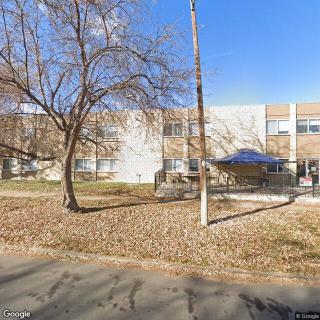

 Essential Knowledge on Pneumonia in Older Adults
 Exploring Palliative Care in the Home: A Comprehensive Overview
 Comprehensive Insights into Palliative Home Care: What It Is and What to Expect