
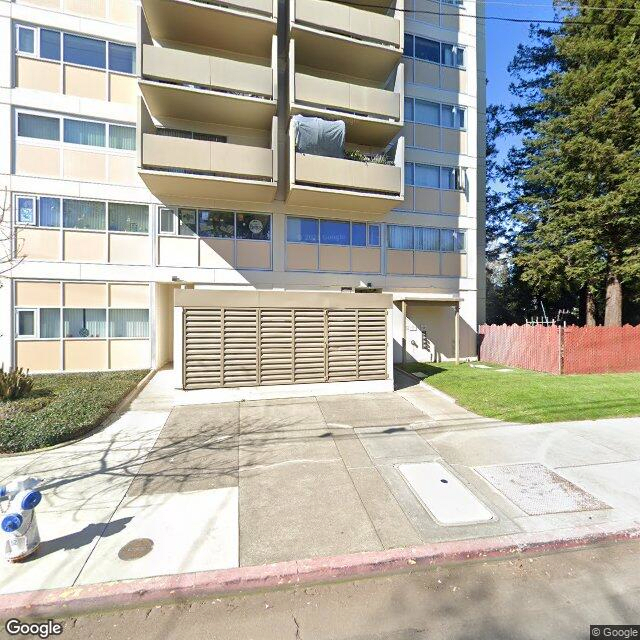
801 Tupper St, Santa Rosa, CA 95404
To contact a resident: (707) 544-5560
For more information about senior living options: (866) 208-4318
Overall Review of Bethlehem Towers Inc
Pros
 The staff are well-mannered and welcoming to newcomers.
- The staff are well-meaning, and the facility is described as one of the best-run large-scale subsidized housing complexes in the area.
- Ms. Lim personally checks up on residents and is very helpful.
- The people in the building are nice, and prospective residents are excited about moving in.
- This senior facility helps many Santa Rosa elderly.
Cons
 The building management is inept and unable to eradicate pest problems such as rats and roaches.
- Management changes too frequently and has been seen arguing with tenants.
- The facility fails to keep seniors safe and lacks adequate security, allowing harm by homeless individuals.
- The building is infested with bedbugs, rats, and cockroaches, with no effective action taken to address the infestation.
- Residents are living in unsanitary conditions, surrounded by vermin, and are told they brought the vermin with them.
- There is a perceived lack of respect for elders.
Review
Bethlehem Towers Inc in Santa Rosa is best suited for seniors who need affordable, subsidized housing and who value a steady, people-focused staff over premium amenities. The property operates as a large-scale subsidized community where daily life centers on modest apartments, routine maintenance, and a front-desk team that residents describe as well-mannered and accessible. For families watching costs, this option delivers predictable rent and a basic level of support without the frills of a boutique senior living campus. The strongest case is made for those who enter with realistic expectations about what care and safety look like in a subsidized setting. In short, affordability plus approachable staff characterize Bethlehem Towers, with caveats in the pest and safety arenas.
Alternatives become compelling for anyone prioritizing pest-free comfort and robust resident security. The reviews consistently flag ongoing pest problems, bedbugs, rats, roaches, and report questionable responsiveness from management on these issues. For families who cannot tolerate vermin in living spaces or who require a stronger security posture to shield vulnerable elders, other options with dedicated pest-control protocols and visible security measures are advisable. Likewise, if medical assistive services beyond what a subsidized housing complex provides are essential, or if turnover in management undermines trust and continuity of care, it makes sense to compare with smaller, more specialized senior communities or non-subsidized options that promise steadier operations. Bethlehem Towers is not the preferred pick in such cases.
On the positive side, the character of Bethlehem Towers lies in its people. Staff are consistently described as well-mannered, welcoming newcomers, and caregivers report meaningful connections with residents. Instances where staff personally check on a tenant, evidenced by a notable case involving a staff member reaching out to a worried family, underscore a culture of attentiveness that many subsidized communities struggle to sustain. Residents also point to the building being relatively well run for its scale and funding category, suggesting a practical, community-forward approach. These strengths matter: they can soften the friction of a less-than-ideal environment, helping families feel that their loved ones are not being neglected even when other issues persist.
Yet the downsides dominate the narrative. Pest infestations, bedbugs, rats, and cockroaches, are repeatedly described as pervasive, with assertions that management has not delivered timely or adequate remediation. Safety concerns surface in tandem with these infestations, including references to homeless individuals nearby and insufficient security. Several reviewers describe frequent turnover in management and a sense that leadership does not stabilize conditions quickly enough. The recurring tone is that residents are asked to tolerate risky and uncomfortable living conditions without clear, credible actions to resolve them. Taken together, these issues do not merely irritate; they erode basic quality of life and raise legitimate questions about long-term safety.
Pros and cons come to a functional crossroads: the care-oriented staff and the structured, affordable living can soften daily life but do not erase the most serious problems. The proactive, resident-focused culture can relieve anxiety for families when a loved one needs companionship and responsive help during daily routines, yet it cannot substitute for pest-control accountability and a dependable safety net. The question for families is whether the care rhythm and affordability justify accepting repeated pest issues and perceived security gaps. For many, the calculus will tilt toward alternatives that promise fewer pest hassles and tighter risk management; for others, Bethlehem Towers remains a defensible choice provided those issues are actively monitored and addressed.
In deciding, focus on affordability, staffing reliability, and the current status of pest management and security. Bethlehem Towers can serve as a practical option for seniors who prioritize cost efficiency and a caring front-line staff, with the understanding that pest challenges and safety gaps require ongoing oversight and direct accountability from management. Prospective residents should schedule a visit, interview front-desk and care staff, and ask for recent pest-control action logs and security upgrades. Verify rent details, subsidies, and whether any concessions exist for pest remediation. If the family values a tighter safety guarantee and a pristine living environment, or needs more intensive assisted living services, exploring other Santa Rosa options is strongly advised. Bethlehem Towers is workable, not flawless.
 Independent Living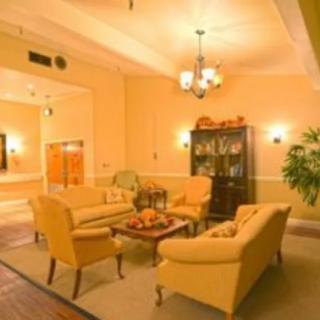



 Weight Training for Seniors: Building Strength and Vitality
 Understanding the Sandwich Generation: Stress and Responsibilities for Multigenerational Caregivers
 8 Essential Assistive Devices for Older Adults