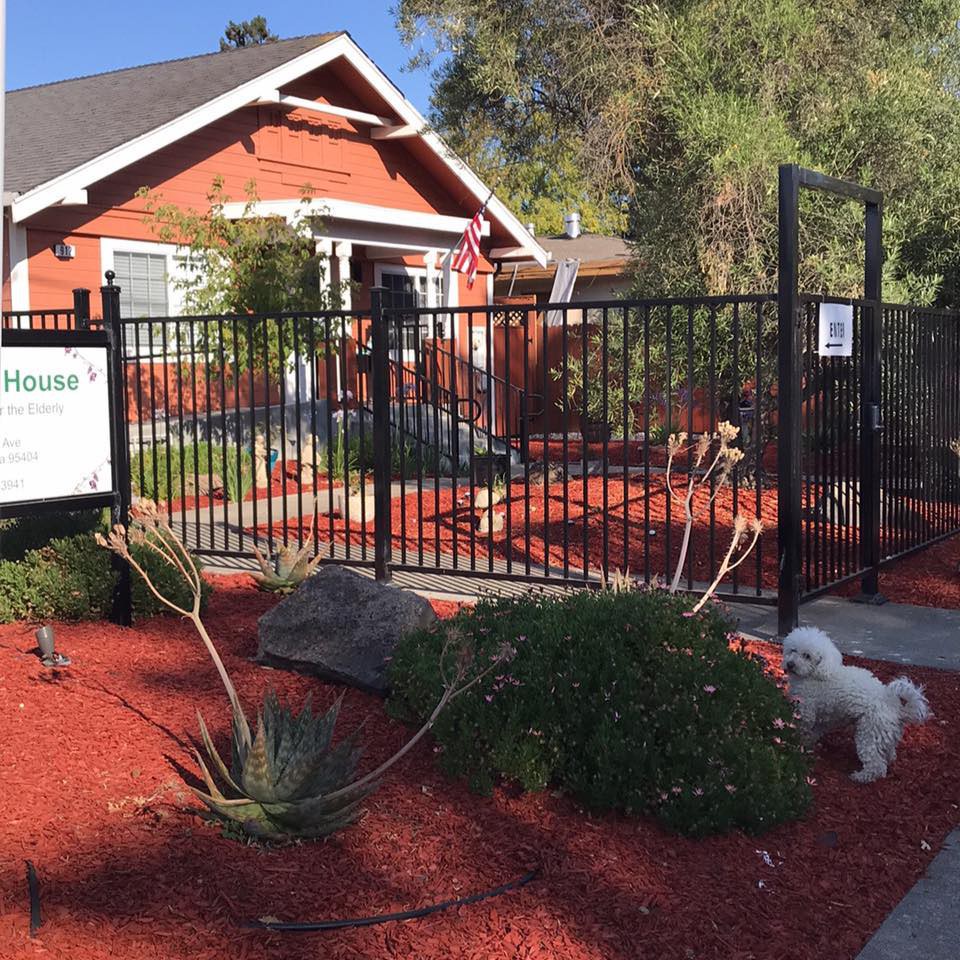
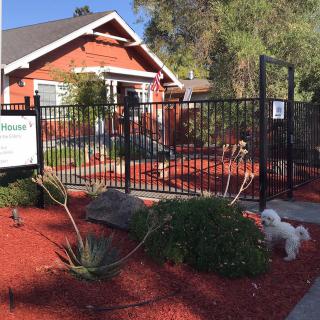
912 Deturk Avenue, Santa Rosa, CA 95404
For more information about senior living options: (866) 208-4318
Overall Review of Ashkalon House
Pros
 Adom Manor is described as a caring, comfortable, and homey place for loved ones.
 - Eva Kirikiri is praised as warm, competent, and consistently on top of things, with regular contact with families.
- The staff are patient, gracious, and treat residents with respect as if they were family.
- The care at Adom Manor is excellent and deeply attentive, with geriatric expertise.
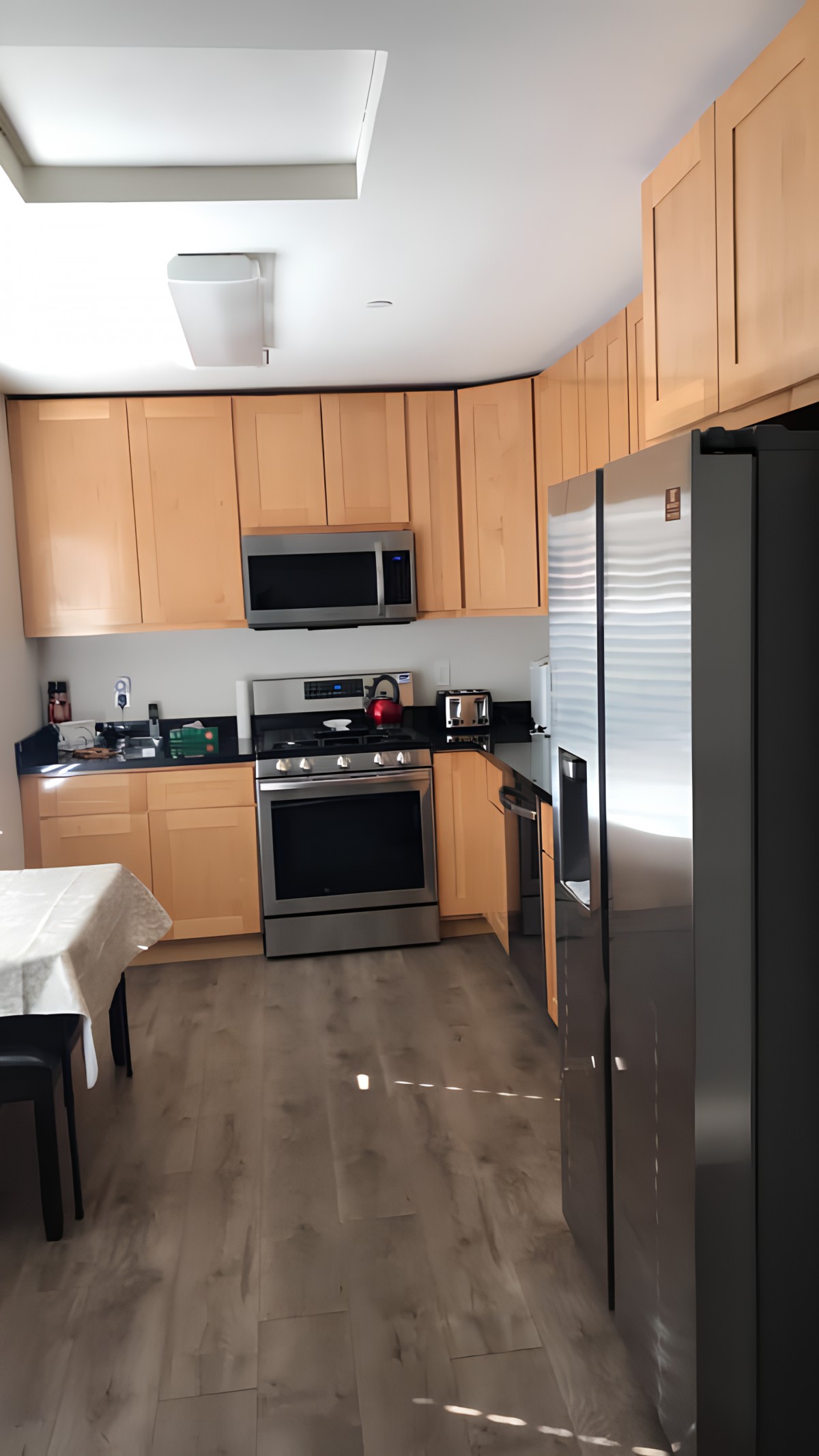
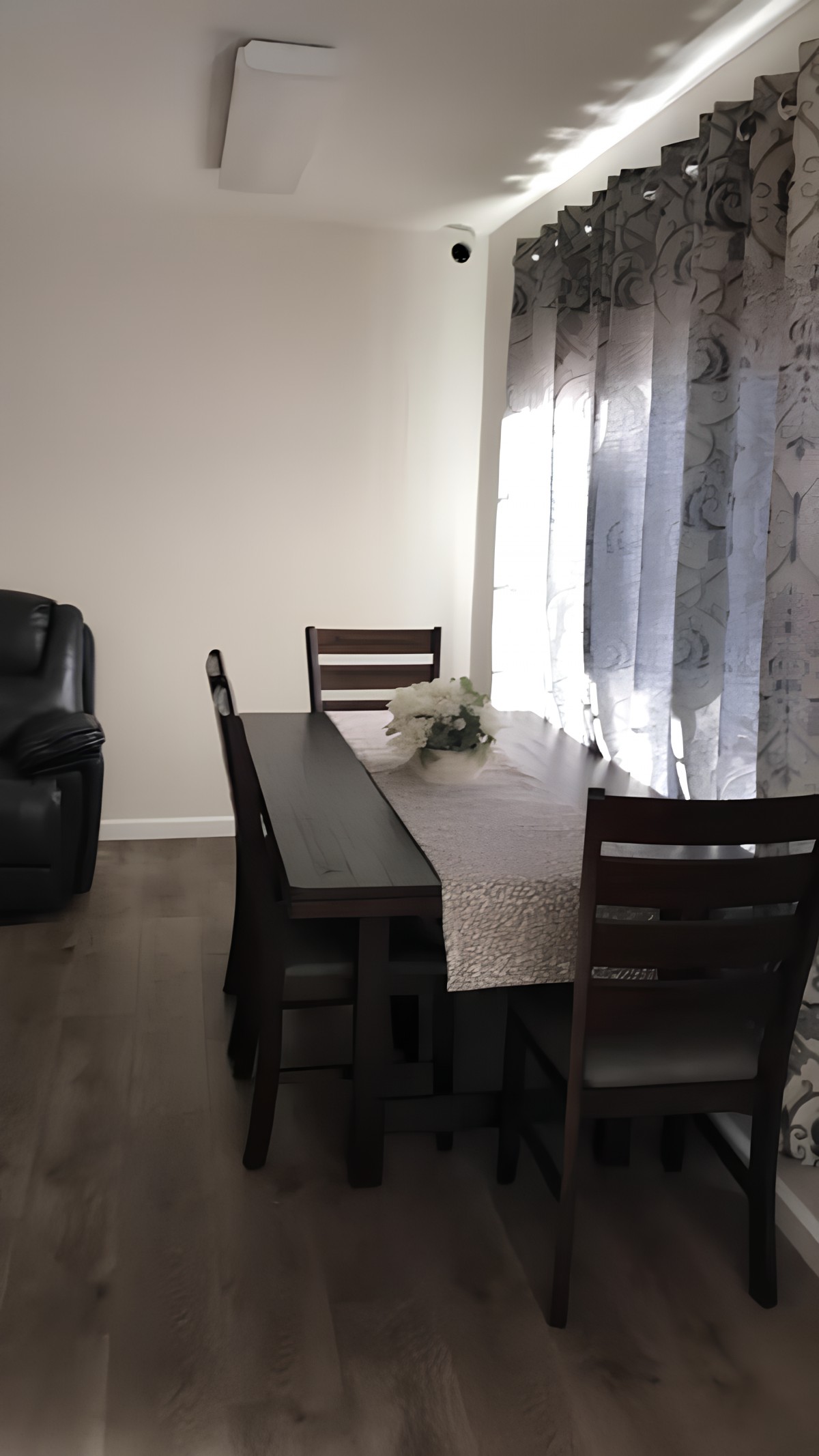
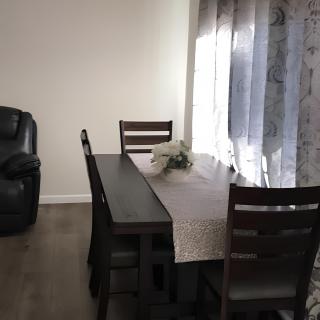
- Meals are nutritious, tasty, and often prepared with organic ingredients, with communal dining.
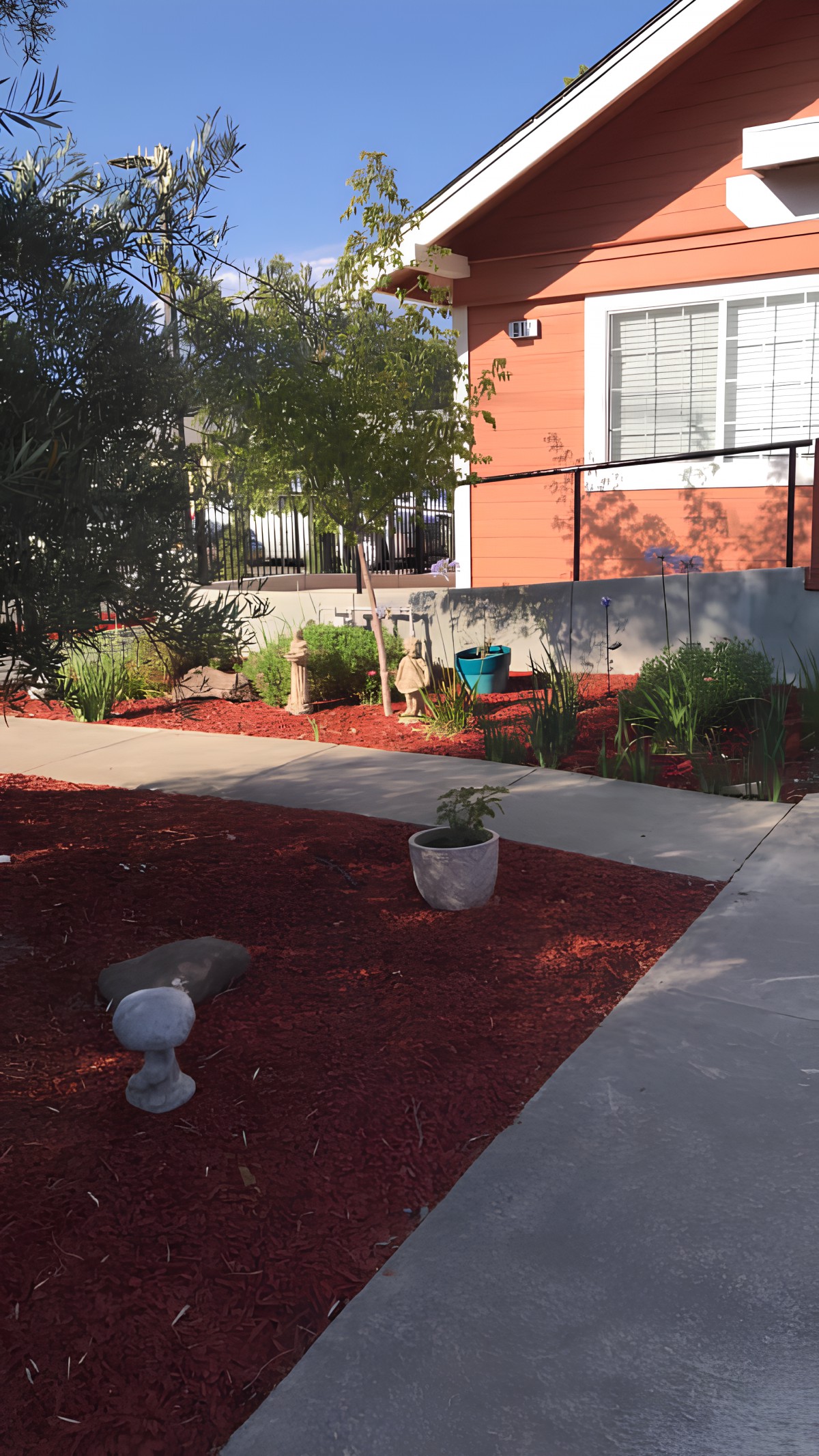
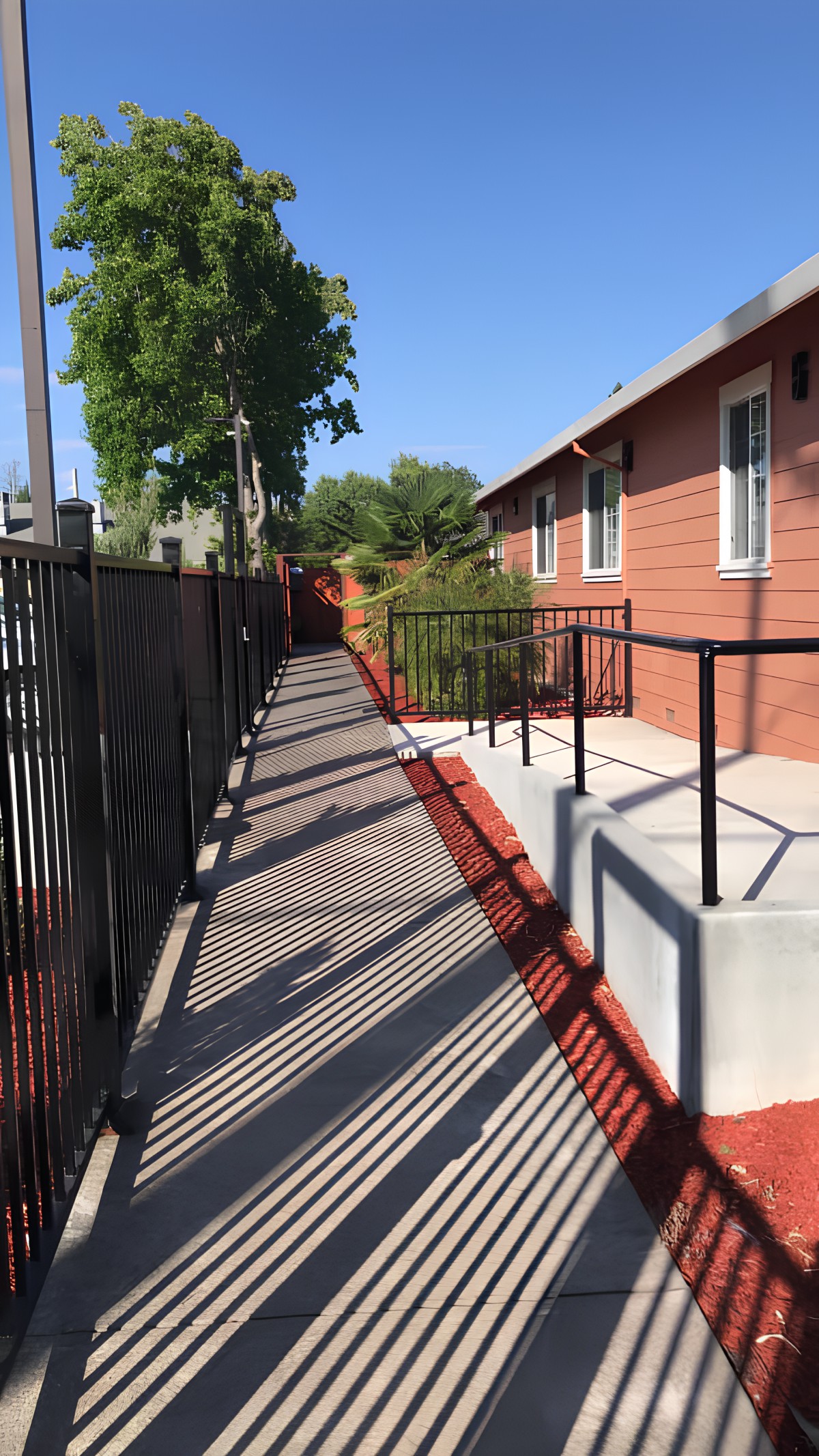
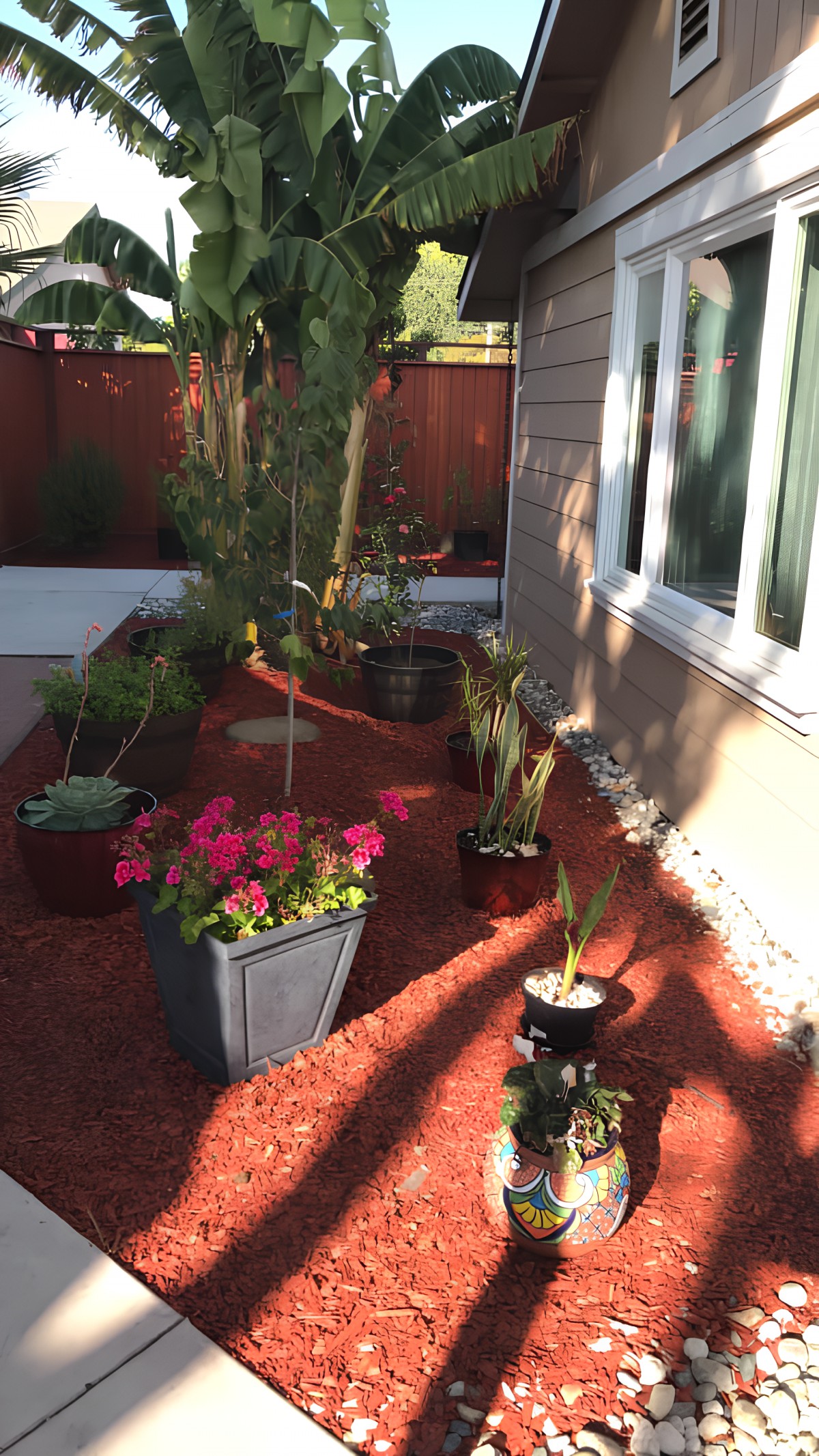
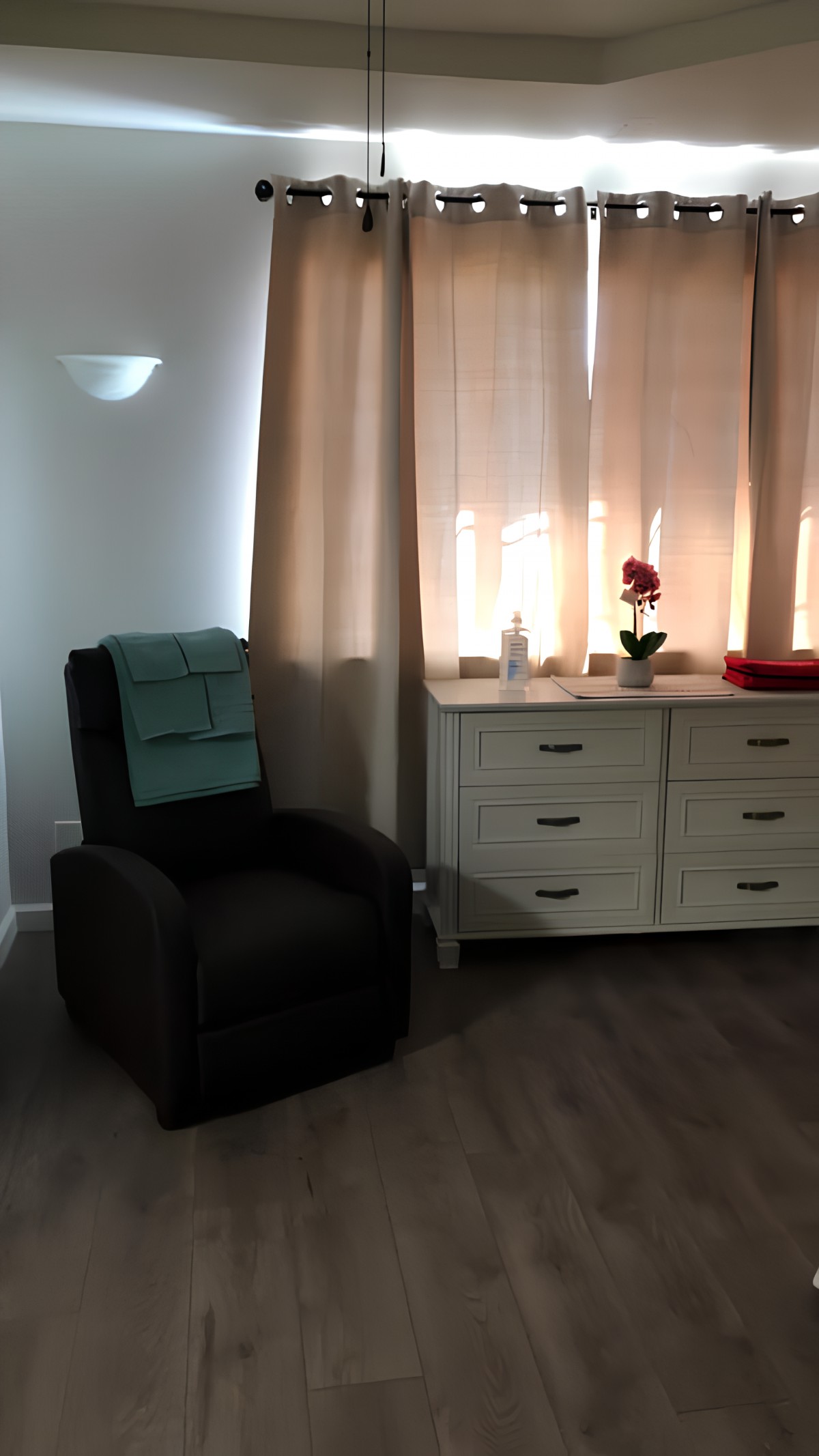
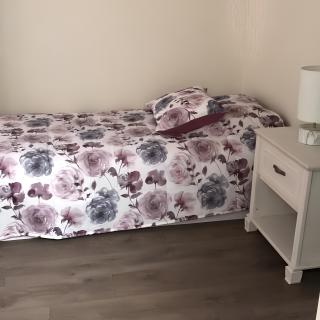
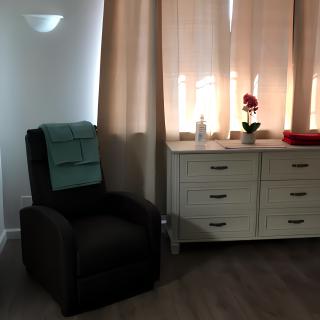
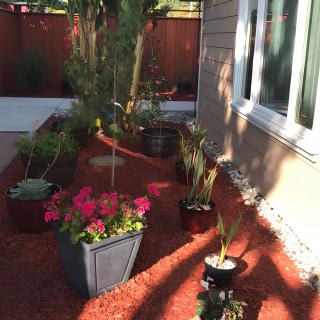
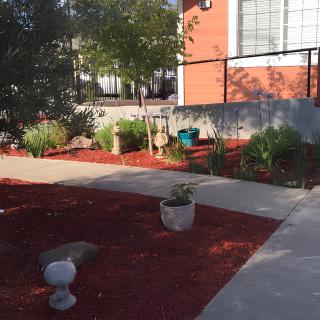
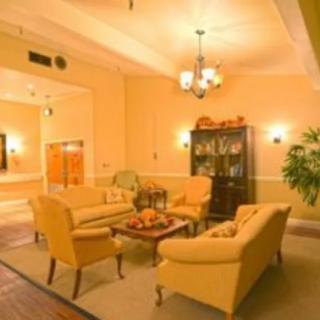
- The home is clean, warm, inviting, and peaceful, with a pleasant garden.
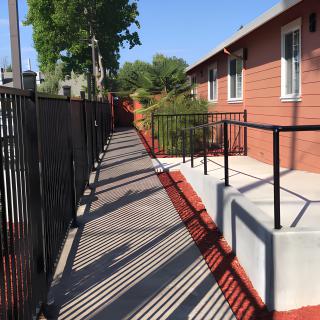
- Outdoor time and occasional outings are enjoyed by residents, and visiting is welcome.
- Families feel confident and relieved knowing their loved one is in capable hands.
- End-of-life care and hospice support are provided with compassion and dignity, making last days comfortable.
Review
Ashkalon House in Santa Rosa is best suited for families seeking a profoundly intimate, home-like senior living option where caregiving is personalized, consistent, and deeply relational. The community reads as a six-resident, owner-operated home rather than a large campus, which translates into daily familiarity: residents are known by name, routines feel predictable, and care decisions happen with rapid, direct communication. For families who want steady access to a caregiver-led team, daily updates, and a setting that feels like a family home where meals are nutritious, outdoors are accessible, and visits are welcomed, this option stands out as a practical, humane choice.
Those who may want alternatives are better served by larger assisted-living campuses or facilities with a stronger medical footprint. When a senior requires more intensive on-site nursing, comprehensive memory-care programming, or a wider calendar of professional-led activities, a bigger community often delivers more of those resources under one roof. The reviews repeatedly cast Adom Manor (the small-house model described) in contrast to larger facilities such as Aegis Living, where the breadth of staff and services can be more extensive. For families prioritizing brisk access to specialized medical oversight or highly structured clinical support, a larger campus may prove more suitable.
On the upside, the strongest pros here are exactly what families need during fragile transitions or ongoing caregiving. The owner, Eva, is described as on top of everything, hands-on daily, and frequently in touch with families, including overnight coverage when needed. The care team, identified by names like Patty, Yancy, and Maria, consistently comes across as patient, warm, and professional, with a clear commitment to treating residents with kindness and respect. Nutritious, house-made meals with organic ingredients, a clean and welcoming environment, scheduled dining, and opportunities to socialize at a shared table all contribute to a sense of safety and normalcy. Outdoor spaces, a front and back deck, a garden, offer the kind of low-stress, restorative time that often helps residents stay more settled and engaged.
These strengths offset the more obvious trade-offs of a small operation. A six-resident home cannot parallel a large facility in sheer activity variety or the intensity of medical resources someone with complex, high-acuity needs might require. Yet the reviews repeatedly emphasize that Eva’s leadership and the intimate staff dynamic produce reliability, timely communication, and a relationship-rich atmosphere that large campuses frequently struggle to sustain. The ability to coordinate hospice care smoothly, to keep doctors in the loop with clear, complete information, and to move quickly when a health issue arises are framed as distinctive advantages, areas where a smaller team often excels when led by a decisive, trusted owner. The personal touches, like framing a resident’s puzzles after completion, or the steady, compassionate presence during a difficult transition, underscore a level of attentiveness that can eclipse the limitations of scale.
In practical decision terms, Ashkalon House (as depicted by the reviews of this Santa Rosa operation) is a compelling fit for families prioritizing comfort, continuity, and heartfelt caregiving over a broad service menu. It shines for elders who benefit from constant human presence, meaningful daily routines, and a home-like culture where companions are part of a small, stable community. The model works especially well for transitions from hospital or skilled-nursing settings into a gentler, more intimate setting, or for end-of-life support where emotional and relational quality of care matters as much as daily assistance. If the goal is to preserve a sense of home, dignity, and familiar rhythms, this option delivers decisively.
For families evaluating next steps, the recommended approach is simple and practical: schedule a visit to observe the daily flow, speak with Eva and the caregiving team, and talk to families already caring for a loved one there. Ask pointed questions about staffing levels across day and night, how care plans are documented and updated, and how hospice or doctor communications are managed. Clarify what medical supports are readily available on-site versus what requires external coordination, and verify private-room options and cost structures. If the senior’s needs align with a warm, tightly knit, family-like environment, Ashkalon House offers a trustworthy path forward; if higher-acuity medical support or a broader, more programmatic slate of services is essential, exploring larger facilities will be warranted.
 6 resident community capacity
 Assisted Living
 Cable or satellite TV
 Dining room
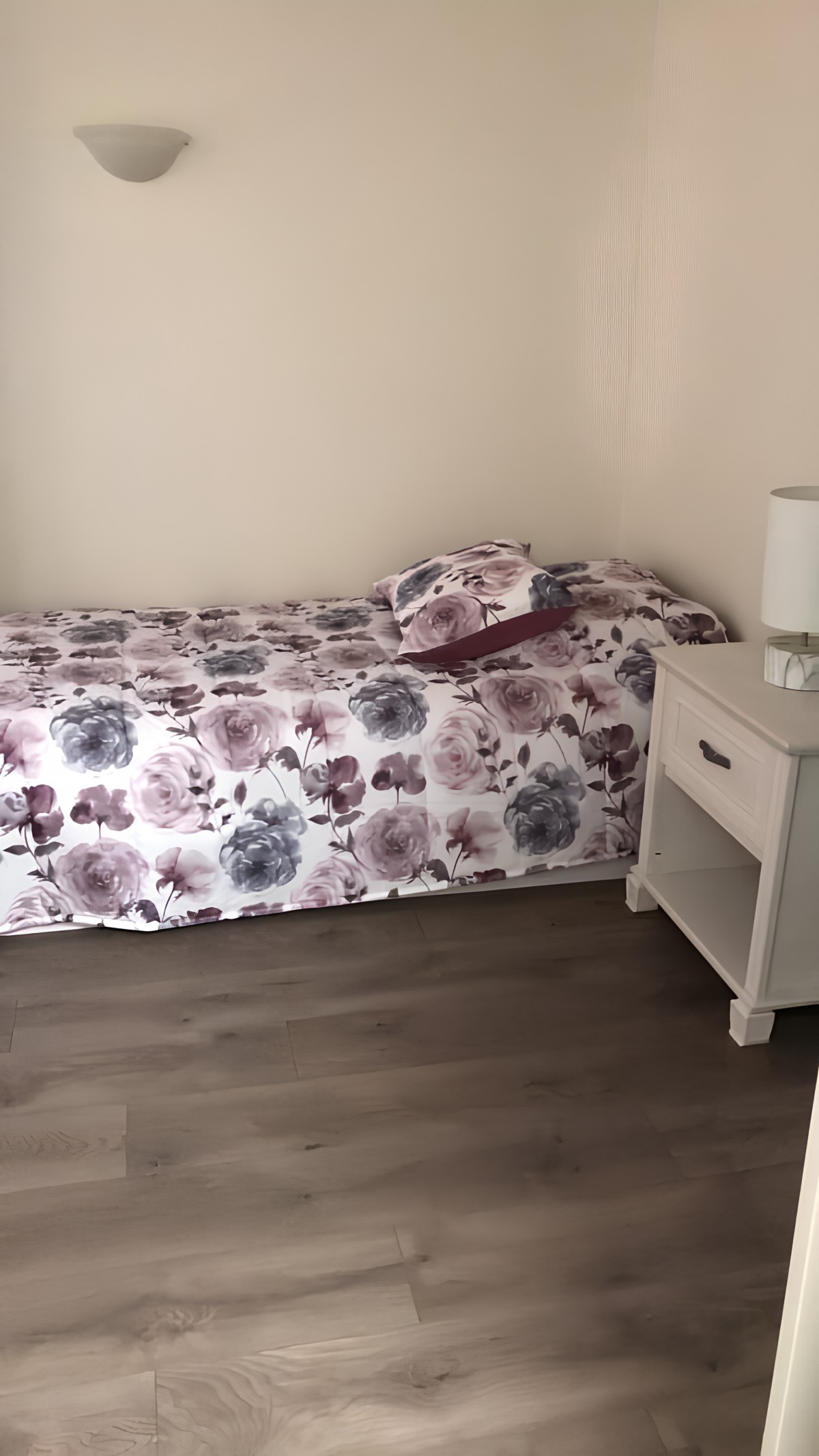
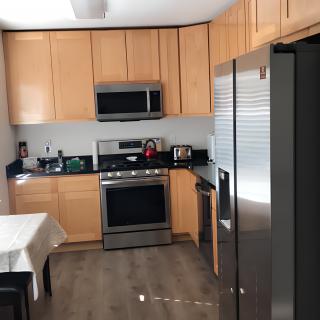
 Fully furnished
 Garden
 Housekeeping services
 Move-in coordination
 Outdoor space
 Telephone
 Wi-Fi/high-speed internet available
 24-hour supervision
 Activities of daily living assistance
 Assistance with bathing
 Assistance with dressing
 Assistance with transfers
 Diabetes diet
 Meal preparation and service
 Medication management
 Special dietary restrictions
 Transportation arrangement (medical)
 Transportation to doctors appointments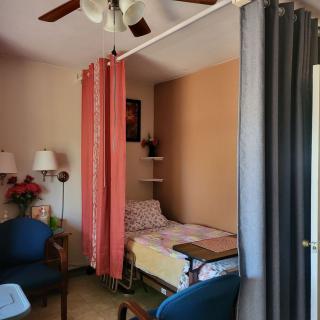





 A Detailed Exploration of Assisted Living Medicaid Waivers Across the United States
 Comprehensive Residential Support and Assisted Living Solutions for Individuals with Disabilities
 Comprehensive Supportive Living Arrangements for Adults with Disabilities