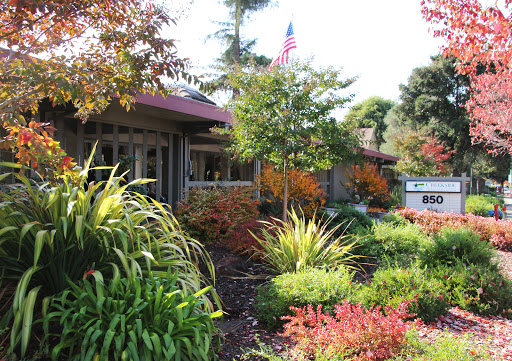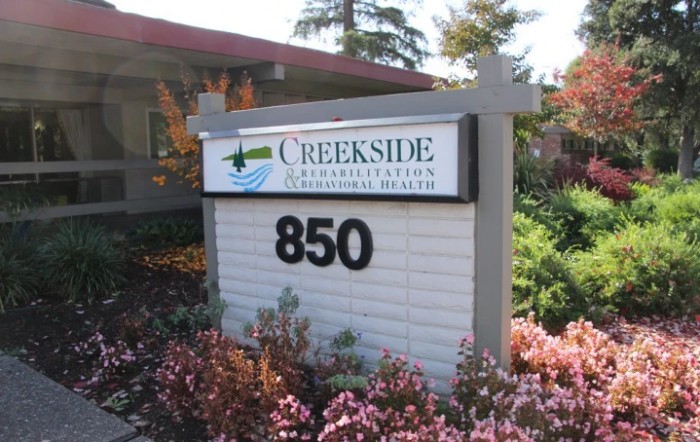


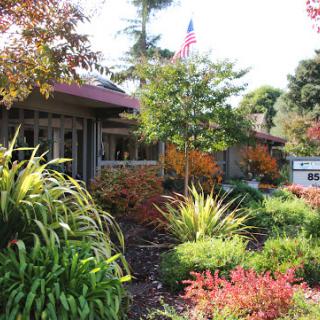

850 Sonoma Avenue, Santa Rosa, CA 95404
For more information about senior living options: (866) 208-4318
Overall Review of Creekside Rehabilitation & Behavioral Health
Pros
 Creekside's new ownership and management have significantly improved the facility culture and operations.
- The caregivers' compassion and strong work ethic make residents and families feel welcome.
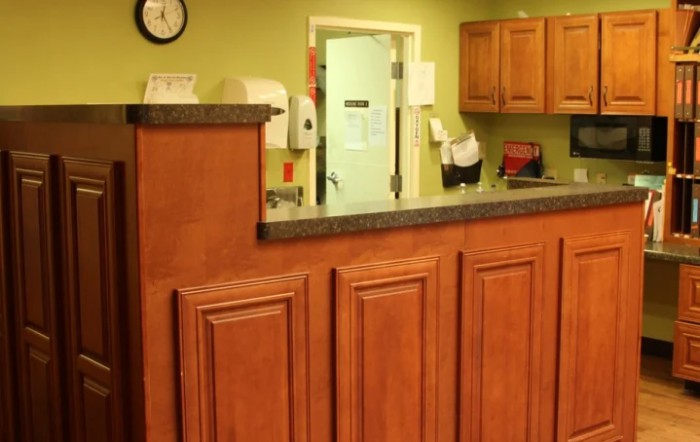
- Creekside consistently has a registered nurse on staff, and the nursing team demonstrates professionalism, knowledge, and cleanliness.
- The Director of Nursing is highly regarded and closely oversees wound care, ensuring quality treatment.
- The facility provides strong support for recovery and safety for patients.
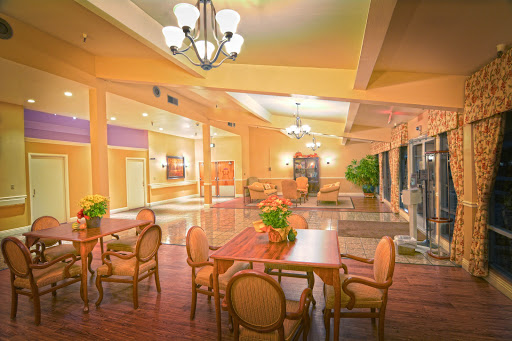
- Creekside offers engaging activities and works to keep residents involved in care and community.
Cons
 The facility is the worst.
- The weekend staff are extremely rude and treat residents like inmates rather than medical professionals.
- The reviewer was treated very poorly throughout their stay.
- There is only one nurse for fifteen patients, leading to serious health issues like infections and bed sores.
- A nurse named Ardi barely spoke English and was rude to the family.
- The facility operates as a profit-driven institution, prioritizing profit over patient care.
- There were numerous medication errors and cleanliness issues, with poor supervision of non-licensed staff.
Review
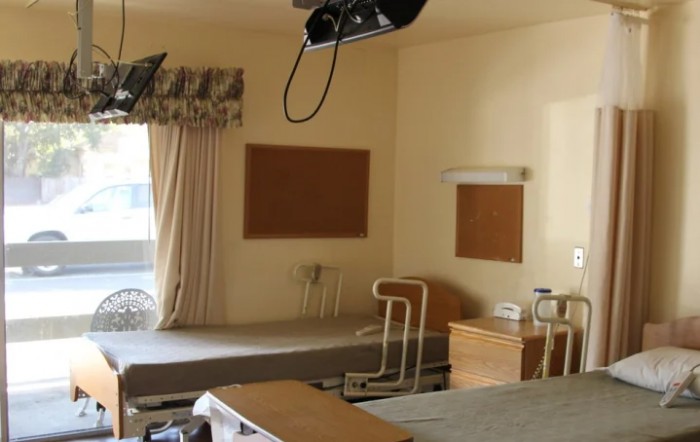
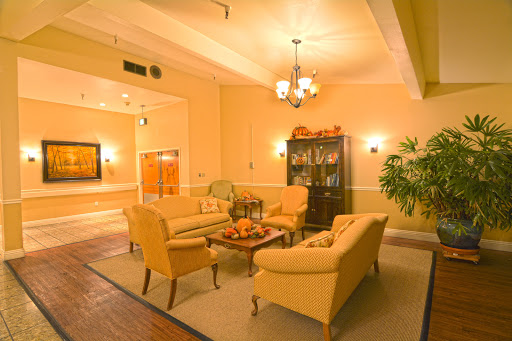
Creekside Rehabilitation & Behavioral Health in Santa Rosa is best suited for older adults who need short- to mid-term skilled nursing rehab with direct medical oversight, especially when wound-care needs are anticipated. The facility’s on-site Registered Nurse presence and access to specialized wound-care equipment are meaningful assets for recovery from surgery or medical setbacks. A number of accounts credit a culture shift after new ownership and management, with residents and families reporting a more welcoming atmosphere and greater engagement with the local community. This combination of medical capability and evolving culture can support steady progress for those willing to engage with a facility still refining its processes.
However, Creekside may not fit every situation. Families prioritizing airtight staffing ratios, consistent English-speaking care teams, and robust oversight may want alternatives. Several reviews flag understaffing (one nurse for about 15 patients) and communication barriers, including staff who do not share a common language with residents and families. Complaints about medication errors, laundry mishaps, and room-mate issues also underscore the risk of operational lapses. For residents who require consistent, high-touch supervision or who fear potential neglect or abuse, the concerns voiced in multiple accounts cannot be dismissed. In short, those with elevated safety expectations or budget-sensitive plans should compare viable options carefully.
On the plus side, Creekside’s nursing leadership and wound-care capabilities stand out as meaningful protections when rehabilitation goals center on medical stability. A dedicated Director of Nursing has been highlighted for hands-on involvement in complex wounds, and some patients note safe administration of IV antibiotics and attention to cleanliness. The presence of actual registered nurses on site and the opportunity to participate in activities also contribute to daily livability and engagement. Yet these strengths are repeatedly countered by perceived staffing shortages, inconsistent language access, and reports of limited responsiveness to call bells. The behavioral-rehabilitation segment, in particular, carries serious concerns about abuse and profit-driven policies, which clouds the facility's overall safety profile. The contrast between medical care strengths and operational weaknesses creates a significant, ongoing risk calculus.
Decision-makers should verify current conditions directly before placement. Prospective families should request a live tour focused on patient-to-staff ratios, the cadence of RN coverage, and the availability of wound-care specialists. Interview the Director of Nursing and front-line supervisors about medication management practices and incident reporting. Speak with current residents and their families about responsiveness to call lights and to daily routines, including laundry and room assignments. Check language access plans and ensure translation support is available when needed. Review recent survey findings and any corrective-action plans. Finally, assess whether the facility’s financial model aligns with the expected length of stay and care intensity, acknowledging the higher end of the market may reflect higher costs.
If alternatives present more consistent staffing, superior oversight, or a calmer environment without language barriers, those options should be prioritized. Facilities with stronger reputations for patient safety, clearer communication, and reliable response times may deliver a more predictable rehab trajectory. Creekside’s medical strengths can be an asset, but the full user experience, staff responsiveness, language compatibility, cleanliness, and administrative accountability, will largely determine satisfaction and outcomes. For families willing to engage actively, ask tough questions, and visit multiple times, Creekside can be a viable choice, particularly when the primary goal is wound care, ongoing medical management, and a structured activity calendar that keeps residents engaged during recovery.
In the end, Creekside Rehabilitation & Behavioral Health should be approached with a clear-eyed plan: confirm current staffing levels, insist on direct access to nursing leadership, and benchmark expectations against feasible alternatives. The best-fit candidate is someone needing skilled nursing oversight and targeted medical support who can tolerate potential language barriers and a facility still maturing its culture. Those who cannot accept understaffing risks or who require a consistently English-speaking environment should strongly consider other options. With careful due diligence and assertive family engagement, Creekside can deliver meaningful rehab gains, provided the medical care remains the top priority and safety protocols are transparent and actively enforced.
 181 resident community capacity
 Skilled Nursing Facility
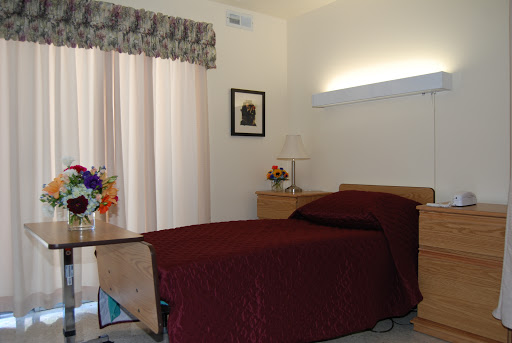
 Air-conditioning
 Beauty salon
 Cable or satellite TV
 Computer center
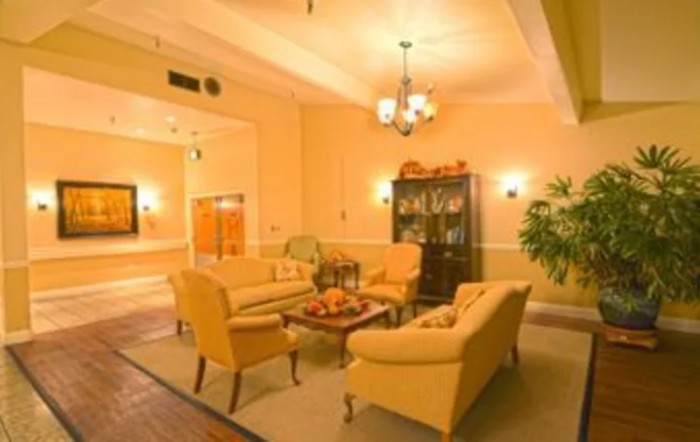
 Dining room
 Fitness room
 Fully furnished
 Gaming room
 Garden
 Housekeeping services
 Kitchenette
 Move-in coordination
 Outdoor space
 Private bathrooms
 Restaurant-style dining
 Small library
 Telephone
 Wellness center
 Wi-Fi/high-speed internet available
 Community operated transportation
 12-16 hour nursing
 24-hour call system
 Activities of daily living assistance
 Assistance with bathing
 Assistance with dressing
 Assistance with transfers
 Diabetes diet
 Medication management
 Mental wellness program
 Special dietary restrictions
 Concierge services
 Planned day trips





 Navigating Medicare Coverage for In-Home Care Services
 In-Home Care Costs in 2025: A Detailed State-by-State Exploration
 Understanding Home Health Care: A Comprehensive Guide