
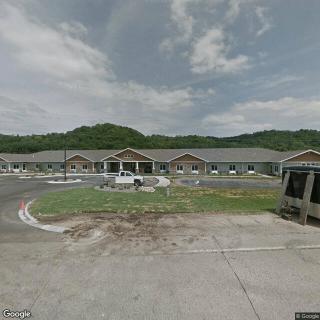
N5532 Highway 108, West Salem, WI 54669
For more information about senior living options: (866) 208-4318
Overall Review of Rem Wisconsin III West Isle
Pros
 All clients being served are extremely happy and loved.
- The co-workers are willing to do anything to help clients.
Cons
 They would not recommend the business due to staff bringing their children to work and causing disruption.
- They are disappointed by the business and view its professionalism as lacking.
- The staff are described as rude and more focused on their phones than helping.
- They saw a bruise on their family and wonder how it happened; the incident should be looked into.
Review
This community in West Salem is best suited for families seeking a warm, home-like atmosphere where residents appear to be genuinely cared for and staff are perceived as approachable and helpful. The strongest takeaway is the everyday personal touch: residents who are happy and supported, and staff who seem willing to go the extra mile to assist. For families prioritizing a cheerful, relational style of care over clinical rigidity, Rem Wisconsin III West Isle can feel like a comfortable, accessible option. It works best when the goal is daily companionship and a sense of being valued by the care team, rather than a facility that emphasizes formal protocols or meticulous safety procedures.
Those who may want to consider alternatives include families needing consistently polished professionalism and unambiguous safety standards. Several reviewers flag serious concerns about staff boundaries, with reports that staff bring their own children to work and appear distracted by phones. The implication is a setting where supervisory oversight and boundary enforcement could be unpredictable. For residents who require highly structured routines, rigorous supervision, or clear professional boundaries, the potential for disruptive interruptions or perceived neglect could outweigh the benefits of personal warmth. In such cases, a community with proven, tangibly consistent staff conduct and stricter visitation policies may be a better fit.
On the positive side, the most compelling pro is that all clients are described as extremely happy and loved, with co-workers who will do anything to help. This level of perceived attentiveness translates into meaningful daily experiences: flexible problem-solving, responsive caregiving, and a sense that residents’ preferences are honored. For families who value immediate, hands-on support and a culture that prioritizes kindness and availability, these strengths can deliver a high quality of life and a strong sense of belonging, especially for residents who thrive when staff relationships feel personal and affirming.
Yet the most consequential cons cannot be overlooked. The reports of staff behavior, being on their phones, appearing distracted, and a lack of professional boundaries, introduce real concerns about reliability, privacy, and appropriate caregiver focus. The suggestion of bruises on a family member, combined with accusations of rude or unprofessional staff, signals potential safety vulnerabilities and a discomfort level that is hard to overlook. Such issues, even if isolated, undermine the trust necessary for families to feel confident entrusting a loved one to this community, and they demand transparent accountability and immediate corrective action from leadership.
How the favorable aspects might offset these drawbacks depends on how well the administration addresses accountability and training. If management can demonstrate consistent policy enforcement, rigorous staff education, and measurable improvements in supervision, along with transparent incident reporting and prompt remediation, the warmth and responsiveness of the caregiving team can become a genuine asset. Prospective families should press for clear explanations: how staff boundaries are taught and monitored, what the facility’s policy is on personal devices and family access during shifts, and what concrete steps are taken when injuries or near-misses occur. A staged trial or shadow visit can help gauge whether the day-to-day experience aligns with the hoped-for standard.
In the end, Rem Wisconsin III West Isle presents a practical equilibrium for a specific subset of families: those who prize heartfelt, proactive caregiving and are comfortable navigating occasional questions about consistency and formal rigor. It is less suitable for families that cannot tolerate even occasional lapses in professionalism or that demand rigorous, uniformly enforced safety protocols. With a mixed track record, strong, affectionate care on one hand, and notable concerns about staff conduct on the other, this community warrants careful due diligence. Schedule candid conversations with leadership, seek recent resident and family references, and observe staff-resident interactions firsthand before making a final commitment. The decision should hinge on whether the warmth and flexibility align with the family’s safety expectations and tolerance for potential boundary challenges.
 4 resident community capacity
 Assisted Living
 Cable or satellite TV
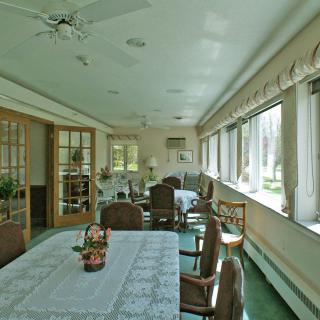
 Dining room
 Fully furnished
 Garden
 Housekeeping services
 Move-in coordination
 Outdoor space
 Telephone
 Wi-Fi/high-speed internet available
 La Crosse Municipal (10 miles away)
 24-hour supervision
 Activities of daily living assistance
 Assistance with bathing
 Assistance with dressing
 Assistance with transfers
 Diabetes diet
 Meal preparation and service
 Medication management
 Special dietary restrictions
 Transportation arrangement (medical)
 Transportation to doctors appointments



 Understanding the Distinctions: Assisted Living and Memory Care Explained
 Guiding Elderly Parents Who Refuse Assisted Living: 6 Practical Steps
 Your Comprehensive Guide to Luxury Assisted Living: Elevated Facilities, Amenities, and Costs