For more information about senior living options: (866) 208-4318
3.6 from 36 reviews
5 stars
21
4 stars
1
3 stars
2
2 stars
2
1 stars
10
Mulder Health Care Facility Costs & Pricing
At the Mulder Health Care Facility, monthly costs for various room types reflect a premium level of care and amenities. For instance, studio apartments range from $3,995 to $10,195, positioning them above both La Crosse County's average of $5,237 and Wisconsin's statewide figure of $3,999. One-bedroom units at Mulder are priced at $7,595, which significantly exceeds the county's rate of $4,767 and the state average of $3,412. Similarly, semi-private rooms are available at $8,195 compared to La Crosse County's $4,887 and Wisconsin's $3,977. The facility also offers private rooms at a cost of $9,995 - substantially higher than both local ($5,861) and state ($4,339) averages. Finally, two-bedroom accommodations are priced at $10,095 while the corresponding figures for La Crosse County and Wisconsin stand at $6,080 and $3,111 respectively. Overall, it is evident that Mulder Health Care Facility provides a high-end service experience that aligns with its elevated pricing structure when compared to regional norms.
Floor plans
Mulder Health Care Facility
La Crosse County
Wisconsin
Studio
$3,995 to $10,195
$5,237
$3,999
1 Bedroom
$7,595
$4,767
$3,412
Semi-Private
$8,195
$4,887
$3,977
Private
$9,995
$5,861
$4,339
2 Bedrooms
$10,095
$6,080
$3,111
Skilled Nursing Facilities with a similar price nearby
Residents and families describe staff as genuinely caring and attentive, even though experiences vary.
Many reviewers highlight kind, friendly, and considerate staff who treat residents with dignity and make them feel heard. Several also say the management team and team members work hard to keep residents safe and comfortable. At the same time, a number of negative reviews describe poor accountability, rude interactions, or serious breakdowns in care and follow-through.
caveat2 reviews mention this
Call response and staffing raise concerns
Some residents appear to wait too long for help when they press call buttons.
A few reviewers describe being short-handed or understaffed, with delays after residents pressed call buttons. One reviewer describes a prolonged wait for a nurse even after the call button was activated, while another mentions regularly understaffed conditions and delays getting assistance.
caveat4 reviews mention this
Facility upkeep and comfort vary
Several reviewers mention maintenance and comfort problems in addition to reports of cleanliness.
Some reviews call out facility condition issues, including a lack of heat in extreme cold and a need for HVAC improvements. Others still describe the facility as clean and well cared for, and mention residents being safe and the facility kept in order. The overall pattern suggests that comfort and upkeep may depend on when reviewers visited and what issues were occurring at the time.
common2 reviews mention this
Food gets straightforward praise
Reviews that mention meals generally say the food is good.
At least a couple of reviewers specifically comment that the food is good or pretty good. These comments also align with the community offering meals and dietary support as part of day-to-day care.
common2 reviews mention this
Social activities show up in reviews
Residents and families mention games and social activities as part of daily life.
Several reviewers describe a schedule that includes parties, card games, and other group activities, along with staff joining in the social atmosphere. This matches the community’s focus on planned daily activities and resident-involved options.
differentiator3 reviews mention this
Management changes are repeatedly noted
Multiple reviews reference a shift in management and describe different outcomes afterward.
Some reviewers say the facility improved under the current management team, pointing to better staffing and teamwork. Others describe the opposite experience after a change in ownership, mentioning miscommunication and families not being kept in the loop. Together, the reviews suggest that the day-to-day experience may differ depending on the period being described.
How we summarize
Counts show how many written reviews mention each theme; a review can touch several themes, and only frequently mentioned themes are displayed.
Features
Housing
87 resident community capacity
Types of Care
Skilled Nursing Facility
Amenities
Air-conditioning
Beauty salon
Cable or satellite TV
Computer center
Dining room
Fitness room
Fully furnished
Gaming room
Garden
Housekeeping services
Kitchenette
Move-in coordination
Outdoor space
Private bathrooms
Restaurant-style dining
Small library
Telephone
Wellness center
Wi-Fi/high-speed internet available
Transportation
La Crosse Municipal (9 miles away)
Community operated transportation
Transportation arrangement
Transportation arrangement (non-medical)
Transportation to doctors appointments
Care Services
12-16 hour nursing
24-hour call system
24-hour supervision
Activities of daily living assistance
Assistance with bathing
Assistance with dressing
Assistance with transfers
Diabetes diet
Meal preparation and service
Medication management
Mental wellness program
Special dietary restrictions
Dining
Diabetes diet
Special dietary restrictions
Activities
Community-sponsored activities
Concierge services
Fitness programs
Planned day trips
Resident-run activities
Scheduled daily activities
Nearby Places of Interest
Pharmacies
West Salem Pharmacy (0.3 miles)
Community Health Pharmacy (0.3 miles)
Prescription Center (0.3 miles)
Clinic Pharmacy of West Salem (0.5 miles)
Walmart Pharmacy (5.3 miles)
Gundersen Pharmacy Onalaska Clinic (5.5 miles)
Complete Nutrition (5.9 miles)
Restaurants
Subway (0.6 miles)
Log Cabin (4.1 miles)
Chipotle Mexican Grill (4.8 miles)
Fox Hollow (4.8 miles)
Burrachos (5.9 miles)
Culver's (5.9 miles)
Noodles & Company (5.9 miles)
Hospitals
Restoration Myofascial Release (4.7 miles)
Gundersen Lutheran Family Medicine (5.6 miles)
Gundersen W. R. Yutuc Renal Dialysis Center Onalaska (5.7 miles)
Mayo Clinic Health System-Franciscan Healthcare (6.8 miles)
Physicians
Feist Jon W DDS (5.3 miles)
Gundersen Lutheran Medical - John Herath MD (5.5 miles)
Remus Amanda Gundersen Lutheran Medical Center Onalaska (5.5 miles)
Gundersen Lutheran Onalaska Clinic (5.5 miles)
Oral Surgery Clinic of La Crosse (5.7 miles)
Gundersen Lutheran Dialysis Center (5.7 miles)
Allergy Associates of La Crosse (5.8 miles)
Cafes
Starbucks (5.8 miles)
Caribou Coffee (6.8 miles)
Panera Bread (7 miles)
Jacqlons Country Cafe & Pub (9.6 miles)
Greengrass Cafe (9.7 miles)
Places of Worship
Bells Coulee Lutheran Church (6.2 miles)
Saint Patrick's Catholic Parish (7.2 miles)
Apostolic Life Church (7.4 miles)
Blessed Sacrament Catholic Church (9.5 miles)
Holmen Lutheran Church (9.8 miles)
St Elizabeth Ann Seton Catholic Church (10 miles)
English Lutheran Church Elca (10.1 miles)
Parks
Lacrosse River Trail Prairie State Natural Area (7 miles)
At the Mulder Health Care Facility, monthly costs for various room types reflect a premium level of care and amenities. For instance, studio apartments range from $3,995 to $10,195, positioning them above both La Crosse County's average of $5,237 and Wisconsin's statewide figure of $3,999. One-bedroom units at Mulder are priced at $7,595, which significantly exceeds the county's rate of $4,767 and the state average of $3,412. Similarly, semi-private rooms are available at $8,195 compared to La Crosse County's $4,887 and Wisconsin's $3,977. The facility also offers private rooms at a cost of $9,995 - substantially higher than both local ($5,861) and state ($4,339) averages. Finally, two-bedroom accommodations are priced at $10,095 while the corresponding figures for La Crosse County and Wisconsin stand at $6,080 and $3,111 respectively. Overall, it is evident that Mulder Health Care Facility provides a high-end service experience that aligns with its elevated pricing structure when compared to regional norms.
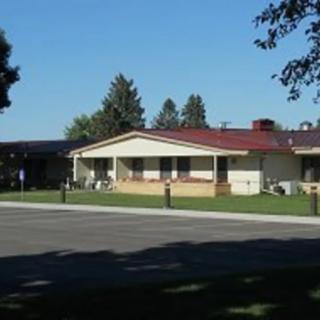
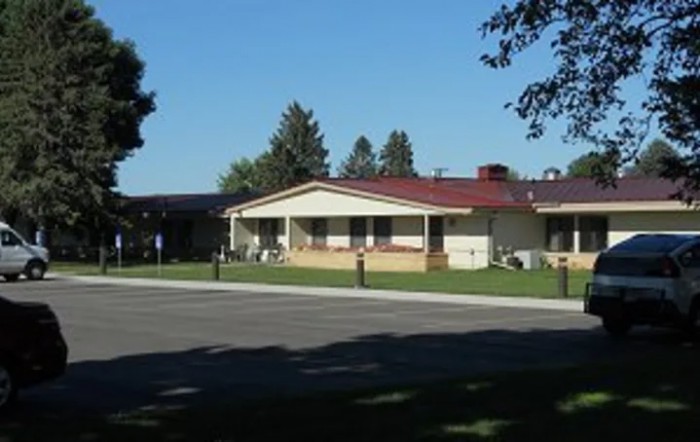
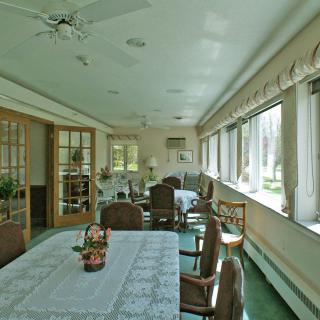
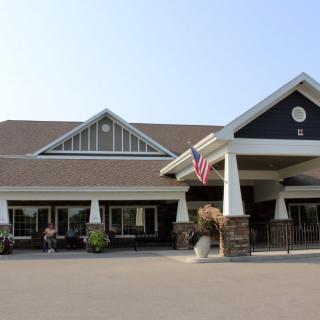
Mulder Health Care Facility on seniors.fyi includes 3 photos including images showing building, outdoors, trees, landscaping, interior, physical therapy, rehabilitation, assistance, and more.
Nearby Communities
Salem Terrace
West Salem, WI
5 from 1 review
Comprehensive care with furnished apartments and restaurant-style dining.
Mill Street Manor
West Salem, WI
3 from 2 reviews
Small, homelike setting with personalized care and comprehensive services (24/7 supervision, ADL assistance, medication management, and care coordination).
Monarch Manor
West Salem, WI
4.3 from 6 reviews
$6,895 to $10,995 / month
Fully furnished apartments with comprehensive care services.
Regent Manor
West Salem, WI
4.3 from 7 reviews
Fully furnished apartments with comprehensive assisted living services, dining options, housekeeping, and outdoor spaces.
Lakeview Health Center
West Salem, WI
4.3 from 6 reviews
Fully furnished rooms with 24/7 care, meals, and activities.
Maplewood Cbrf
West Salem, WI
4.3 from 6 reviews
Small, intimate 15-resident community with comprehensive care and convenient services.
Cass Street Assisted Living
La Crosse, WI
4.8 from 5 reviews
Extensive amenities with 24/7 supervision and transportation.
Bluffview Memory Care
Holmen, WI
3.8 from 18 reviews
Caring floor staff in a well-maintained facility with pleasant dining and outdoor spaces.
SpringBrook Village of La Crescent
La Crescent, MN
3.8 from 32 reviews
$2,480 to $3,365 / month
Beautiful, well-kept property with caring staff and amenities
Low-impact exercises are vital for seniors as they promote health, independence, and social interaction while reducing joint strain. These adaptable activities, guided by healthcare professionals, enhance strength, flexibility, and emotional well-being.
The guide details the tax deductibility of in-home healthcare expenses according to IRS guidelines, differentiating between medically necessary services and non-medical assistance, while emphasizing the need for proper documentation and itemization requirements. It also highlights state-level variations, the importance of record-keeping, and encourages seeking professional tax help to understand evolving regulations.
Gardening provides seniors with physical exercise, mental and emotional support, and social interaction opportunities, while accommodating their needs through raised beds and ergonomic tools. It promotes health benefits like improved dexterity and cardiovascular health, encourages sustainable practices, and allows for manageable upkeep with low-maintenance plants.
Get PricingAsk A QuestionSchedule A TourContact Senior Advisor
By clicking submit, you agree to our Partner's Terms of Use. You
also consent to receive calls and texts, which may be autodialed, from our Partner. Your consent is not a condition to
using our Partner's service. Please visit our Partner's Privacy Policy for information about their privacy practices.




 87 resident community capacity
 Skilled Nursing Facility
 Air-conditioning
 Beauty salon
 Cable or satellite TV
 Computer center
 Dining room
 Fitness room
 Fully furnished
 Gaming room
 Garden
 Housekeeping services
 Kitchenette
 Move-in coordination
 Outdoor space
 Private bathrooms
 Restaurant-style dining
 Small library
 Telephone
 Wellness center
 Wi-Fi/high-speed internet available
 La Crosse Municipal (9 miles away)
 Community operated transportation
 12-16 hour nursing
 24-hour call system
 Activities of daily living assistance
 Assistance with bathing
 Assistance with dressing
 Assistance with transfers
 Diabetes diet
 Medication management
 Mental wellness program
 Special dietary restrictions
 Concierge services
 Planned day trips
 Comprehensive care with furnished apartments and restaurant-style dining.
 Highly Beneficial Low-Impact Exercises for Senior Living Residents
 Is In-Home Healthcare Tax Deductible? Your Comprehensive Guide
 Nurturing Well-Being Through Gardening: A Detailed Guide for Senior Enthusiasts