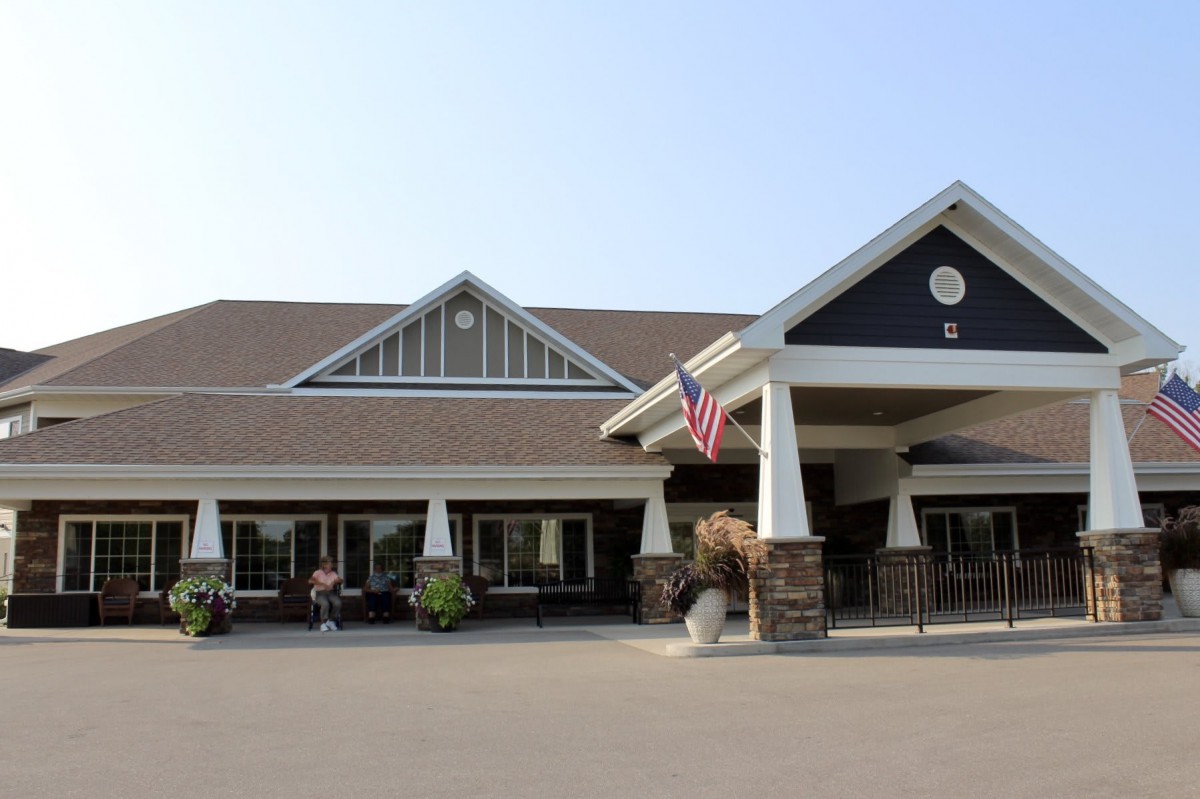
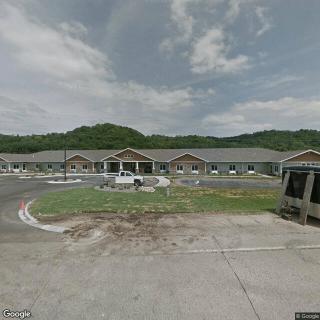
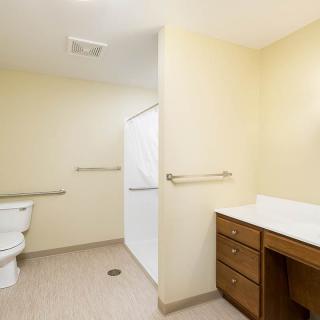
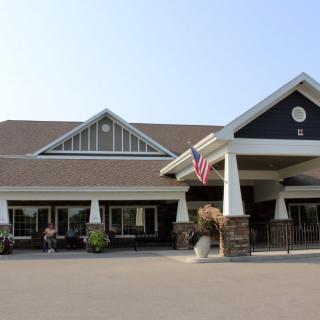
SpringBrook Village of La Crescent

Save
SpringBrook Village of La Crescent SpringBrook Village of La Crescent SpringBrook Village of La Crescent SpringBrook Village of La Crescent

SpringBrook Village of La Crescent

1384 County Rd 25, La Crescent, MN 55947

For more information about senior living options: (844) 490-3973

3.8 from 32 reviews
5 stars
19
4 stars
3
3 stars
0
2 stars
3
1 stars
7

Assisted Living Independent Living Memory Care

SpringBrook Village of La Crescent Costs & Pricing

SpringBrook Village of La Crescent offers competitive pricing for its accommodations compared to the broader market in Winona County and the state of Minnesota. For a one-bedroom unit, residents can expect to pay $2,480, which is more affordable than both the county average of $2,806 and the state average of $2,893. Similarly, for those seeking a two-bedroom option, SpringBrook's rate of $2,865 remains lower than Winona County's average of $2,960 and closely aligns with the state average of $2,955. The studio units at SpringBrook are priced at $3,365, again providing an advantageous position as they are less than both county and state averages of $3,462 and $3,617 respectively. This pricing structure positions SpringBrook Village as an appealing choice for prospective residents seeking quality living at reasonable costs within the region.

Floor plansSpringBrook Village of La CrescentWinona CountyMinnesota
1 Bedroom$2,480$2,806$2,893
2 Bedrooms$2,865$2,960$2,955
Studio$3,365$3,462$3,617

Overall Review of SpringBrook Village of La Crescent

Pros

  • pro The staff are caring, compassionate, and consistently attentive to residents.
  • pro The facility is clean, well-kept, and warmly welcoming with a beautiful layout.
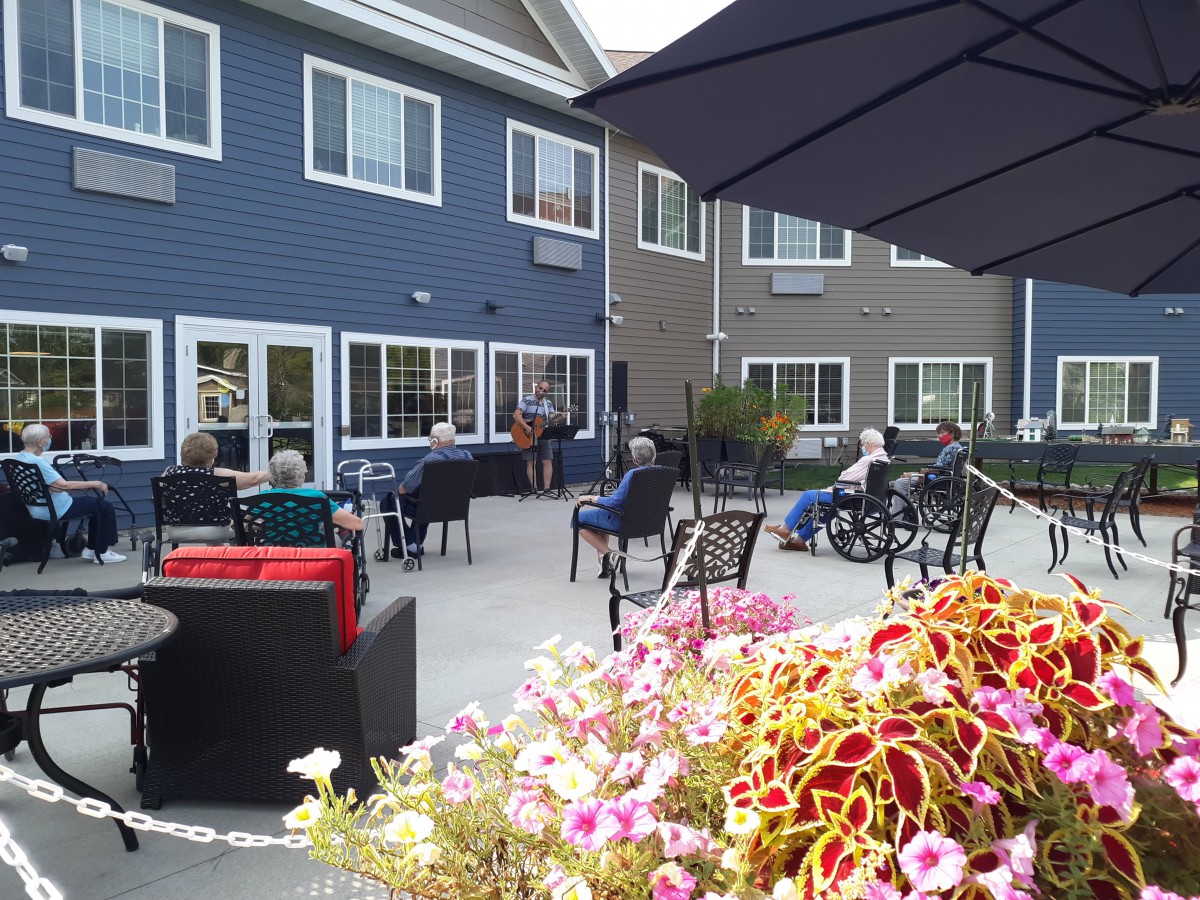
  • pro Residents enjoy a variety of activities, music, and social events that keep them engaged.
  • pro Families feel welcomed and supported by approachable, professional management and caregivers.
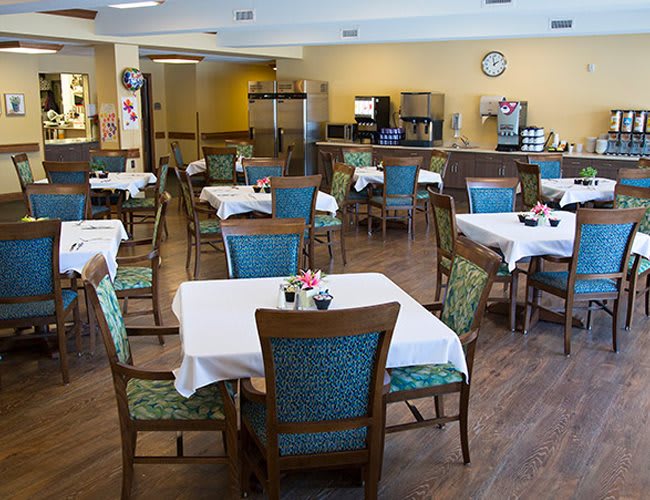
  • pro Dining is praised for good meals and a pleasant, well-organized dining environment.
  • pro The memory care team provides individualized, respectful care and treats residents like family.
  • pro The atmosphere feels like home, with friendly staff, bright spaces, and ample opportunities to socialize.
  • pro Management and nurses are proactive, responsive, and dedicated to continual improvement.
  • pro The campus offers multiple care options (independent, assisted, memory care) in a single, safe environment.

Cons

  • pro The facility employs aggressive aides who leave residents in urine all night, neglect brushing residents' teeth, ignore call lights, and starve independent residents.
  • pro The administration ignores calls about falls and fires aides who are doing their jobs.
  • pro The facility is extremely short-staffed, especially on nights.
  • pro Constant staff shortages lead to missed showers, lack of meal-time assistance, and personal items frequently going missing.
  • pro Residents are not getting services they have paid for, and call lights are not answered promptly.
  • pro Families feel misled by policies, including a $750 nonrefundable application fee and unclear memory-care rules about pets and the three-tier health maintenance package.
  • pro The kitchen and overall food and service quality have deteriorated over the last year.

Review

SpringBrook Village of La Crescent is best suited for families seeking a warm, engagement-driven memory-care and assisted-living environment where frontline staff are consistently present, compassionate, and capable of building real relationships with residents. The community rewards those who prioritize social programming, comfortable living spaces, and a home-like atmosphere backed by hands-on nursing leadership. When leadership is engaged, schedules, meals, and activities align with residents' needs, creating a sense of belonging that many families value highly. This is not a sterile, corporate facility; it is a place where care feels personal, and where improvements under new management have shown tangible benefits.

Those who may want to consider alternatives include families needing ironclad reliability around the clock, with every night shift fully staffed and consistently responsive call lights. Some reviews describe chronic staffing shortages, especially after hours, leading to delayed assistance, missed showers, and uneven attention to basic hygiene. Pricing transparency and the completeness of provided services are also points of contention for some families, including questions about nonrefundable fees and tiered health packages. For households operating on strict budgets or requiring predictable, straightforward pricing, comparing with other options may reveal more stable cost structures and clearer commitments.

On balance, the strongest advantages center on people: caregivers and nurses who demonstrate genuine care, patience, and dedication. When management is on the floor and teams receive proper training, daily routines run smoothly, meals are dependable, and residents participate in meaningful activities. The memory-care environment benefits from thoughtful touches - music and familiar cues - that help residents feel known and comfortable. The modern, well-kept facilities, bright common spaces, and accessible campuses reinforce a sense of safety and home. These strengths often offset drawbacks for families who value relational care and robust social engagement as central to quality living.

Nevertheless, the cons deserve clear attention. Ongoing staffing gaps, particularly at night, can produce delayed responses to call lights and slower assistance with daily needs. Some rooms have odors or cleanliness inconsistencies that can highlight housekeeping gaps, and administration's fluctuating visibility can leave families chasing answers. Instances of miscommunication around services or fees have been reported, and in memory-care areas there are concerns voiced about the consistency of oversight and the protection of personal belongings. While many families report remarkable care, the variability points to a need for vigilance and continuous improvement.

For families actively evaluating options, concrete steps matter. Request a recent night-shift observation to gauge real-time responsiveness, and tour the memory-care wing with a focus on caregiver-to-resident ratios, safety protocols, and personalized engagement. Seek clarity on room odors, cleaning schedules, and the process for addressing call-lights in all shifts. Scrutinize pricing: what the third-tier health maintenance package covers, whether pets are allowed in memory care, and what services are bundled into monthly fees. Confirm leadership accessibility during admissions and ongoing support, and if possible, speak with current residents or families about the cadence and quality of administrative follow-up.

In the end, SpringBrook Village of La Crescent stands as a practical, people-first option for families who prize compassionate care, social vitality, and a well-maintained, modern setting - and who are prepared to stay attentive to staffing consistency and clear, proactive communication. It is less suited for households seeking absolute, unwavering night-time reliability, frictionless administration, or universally transparent, simple pricing without negotiation. For those prioritizing a warm, engaged, memory-care-forward environment and willing to advocate to ensure consistent service, SpringBrook offers a compelling, durable choice in the La Crescent area.

Features

Housing

  • 1-bedroom apartments 1-bedroom apartments1-bedroom apartments are important for seniors because they provide a sense of independence, privacy, and autonomy while still offering the necessary space for comfortable living. These apartments allow seniors to maintain their own personal space and lifestyle preferences in a supportive community setting.
  • Studio apartments Studio apartmentsStudio apartments are important for seniors because they offer a smaller, more manageable living space that is easier to navigate and maintain as physical abilities decline. Additionally, studio apartments provide seniors with independence and privacy while still being part of a community that offers support and social opportunities.

Types of Care

  • Assisted Living Assisted LivingAssisted living facilities provide crucial support and care for seniors who may need help with daily tasks such as medication management, bathing, and meal preparation. These communities offer a safe and comfortable environment where seniors can maintain their independence while receiving the assistance they need to thrive in their golden years.
  • Independent Living Independent LivingIndependent living communities are important for seniors because they offer a safe and supportive environment where older adults can live independently while still having access to amenities and services that enhance their quality of life. These communities provide social opportunities, recreational activities, and assistance with daily tasks, promoting overall well-being and allowing seniors to maintain their independence for as long as possible.
  • Memory Care Memory CareMemory care is crucial for seniors as it provides specialized support and services for individuals with dementia or Alzheimer's disease. These programs offer a safe and secure environment where residents receive personalized care, cognitive stimulation, and help with daily activities. Memory care helps seniors maintain their independence, quality of life, and dignity while also providing peace of mind for their families.

Pets

  • Cats allowed Cats allowed"Pet friendly" senior living communities are important for seniors because pets provide companionship, reduce feelings of loneliness and depression, promote physical activity and mental stimulation, and offer a sense of purpose and responsibility. Pets can improve overall well-being and quality of life for seniors in many ways.
  • Dogs allowed Dogs allowed"Pet friendly" senior living communities are important for seniors because pets provide companionship, reduce feelings of loneliness and depression, promote physical activity and mental stimulation, and offer a sense of purpose and responsibility. Pets can improve overall well-being and quality of life for seniors in many ways.

Amenities

  • Activities on-site Activities on-siteActivities on-site are important for seniors because they provide opportunities for socialization, mental stimulation, physical activity, and overall well-being. Engaging in activities can help seniors stay active, maintain their independence, and improve their quality of life.
  • Air-conditioning Air-conditioningAir conditioning is important for seniors as they are more vulnerable to heat-related illnesses and may have underlying health conditions that make it difficult for them to regulate their body temperature. It helps to keep them comfortable, safe, and healthy in hot weather.
  • Beautician on-site Beautician on-siteHaving a beautician on-site at a senior living community is important for seniors as it allows them to easily access grooming and personal care services, boosting their self-esteem and overall well-being. It also provides convenience and helps seniors maintain their sense of independence and personal style.
  • Cable or satellite TV Cable or satellite TVCable or satellite TV is important for seniors because it provides entertainment, news, and companionship, helping to combat loneliness and boredom. It also offers a wide range of programming options tailored to different interests and preferences.
  • Computer center Computer centerA computer center is essential for seniors as it provides access to technology, communication tools, and resources that can enhance their daily lives. It allows them to stay connected with loved ones, engage in online activities, and learn new skills, ultimately promoting socialization and mental stimulation.
  • Devotional services off-site Devotional services off-siteDevotional services off-site are important for seniors as they provide spiritual nourishment, social engagement, and a sense of community outside of the senior living facility. This can enhance overall well-being and help combat feelings of isolation and loneliness often experienced by older adults.
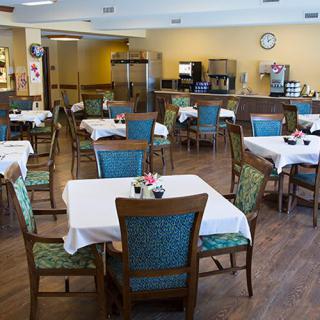
  • Dining room Dining roomDining rooms are important for seniors as they provide a space for socialization, connection, and nutritious meals. They offer opportunities for residents to bond over shared meals, foster a sense of community, and promote healthy eating habits. Dining rooms also ensure that seniors have access to well-balanced meals tailored to their dietary needs and preferences.
  • Garden GardenGardens are important for seniors as they provide a peaceful and therapeutic environment for relaxation, physical activity, and socialization. Being in nature has been shown to reduce stress, improve mood, and promote overall well-being. Gardens also offer opportunities for seniors to engage in gardening activities, which can improve mobility, flexibility, and cognitive function. Additionally, gardens create a sense of community and connection with others who share a passion for plants and outdoor spaces.
  • General store General storeGeneral stores are important for seniors because they provide a convenient one-stop shop for everyday essentials such as groceries, toiletries, and household items. They offer a sense of community and familiarity, making it easier for seniors to access the products they need without having to travel far. Additionally, general stores often have friendly staff who can assist seniors with their shopping needs, making the experience more enjoyable and stress-free.
  • Ground floor units Ground floor unitsGround floor units are important for seniors because they provide easy accessibility, reduced risk of falls and injuries, and convenience for those with mobility issues. Seniors can avoid climbing stairs or using elevators, making daily tasks and activities more manageable and enjoyable.
  • Guest parking Guest parkingGuest parking is important for seniors because it allows their friends and family members to visit them easily and safely. Having convenient parking options can help combat feelings of isolation and loneliness, promote regular social interaction, and improve overall mental and emotional well-being for seniors in senior living communities.
  • Handicap accessible Handicap accessible"Handicap accessible" amenities are crucial for seniors to ensure they can easily navigate and access facilities, services, and activities without barriers or limitations due to physical impairments. This promotes independence, safety, and inclusivity for seniors in senior living communities.
  • Housekeeping services Housekeeping servicesHousekeeping services are important for seniors because they help maintain a clean and safe living environment, promote independence, and reduce the risk of accidents or illnesses. Additionally, having assistance with household chores can alleviate physical strain and allow seniors to focus on other aspects of their well-being.
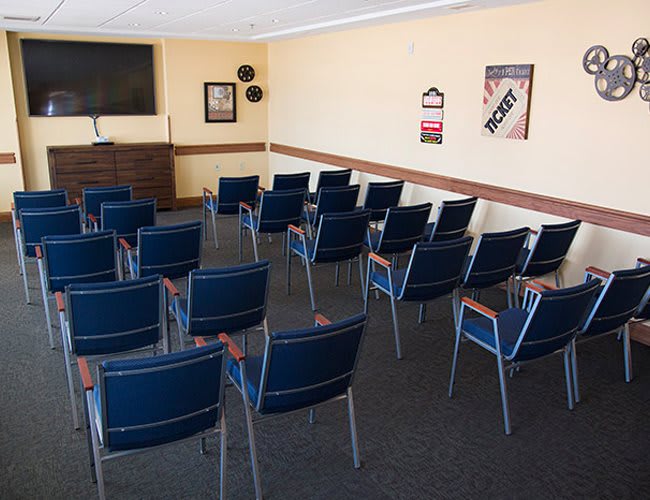
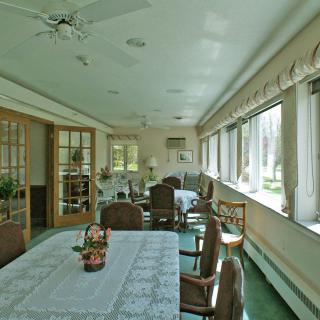
  • Indoor common areas Indoor common areasIndoor common areas are crucial for seniors as they provide a space for socialization, recreation, and community engagement, promoting overall well-being and reducing feelings of isolation and loneliness.
  • Kitchenette KitchenetteKitchenettes are important for seniors living in senior living communities because they provide the convenience and independence of being able to prepare simple meals and snacks in the comfort of their own living space. This can help promote a sense of autonomy and well-being for seniors, allowing them to maintain some level of control over their dietary choices and daily routines.
  • Laundry LaundryLaundry services are important for seniors as they may have difficulty with physical tasks such as bending, lifting, or carrying heavy loads. Having access to laundry services can help seniors maintain personal hygiene, cleanliness, and independence in their daily lives.
  • Outdoor common areas Outdoor common areasOutdoor common areas are important for seniors as they provide a space for socialization, physical activity, and relaxation. Being outside in nature can improve mood and overall well-being, while also encouraging movement and engagement with others. These spaces can help combat feelings of isolation and promote a sense of community among residents.
  • Party space Party spaceHaving access to party space is important for seniors as it provides opportunities for socialization, connection, and enjoyment. These spaces allow seniors to celebrate special occasions, host gatherings with friends and family, and participate in community events, enhancing their overall well-being and quality of life.
  • Resident parking Resident parkingResident parking is crucial for seniors in a senior living community as it provides convenience, accessibility, and safety for residents who may have limited mobility or rely on personal vehicles for transportation. Having designated parking spaces ensures that seniors can easily access their homes without having to walk long distances or navigate crowded parking lots, ultimately enhancing their overall quality of life and sense of independence.
  • VA Benefits Consultation VA Benefits ConsultationVA Benefits Consultations are important for seniors because they provide valuable information on the benefits and resources available to them as veterans. These consultations can help seniors access financial assistance, healthcare services, and other support that can greatly improve their quality of life in their later years.
  • Wheelchair accessible showers Wheelchair accessible showersWheelchair accessible showers are crucial for seniors as they provide a safe and independent bathing option for those with mobility challenges. These showers help prevent falls and allow seniors to maintain their dignity and autonomy while ensuring they can bathe comfortably.
  • Wi-Fi/high-speed internet available Wi-Fi/high-speed internet availableWi-Fi/high-speed internet is important for seniors to stay connected with loved ones, access online resources, and participate in virtual activities to combat feelings of loneliness and isolation. It also allows them to easily manage healthcare needs, access entertainment, and engage in lifelong learning opportunities.

Transportation

  • La Crosse Municipal (5 miles away) La Crosse Municipal (5 miles away)

Care Services

  • Ambulatory care Ambulatory care"Ambulatory care services provide essential medical support and treatment to seniors without requiring hospitalization, allowing them to maintain their independence and quality of life while managing chronic conditions or receiving routine medical care."
  • Companion care Companion careCompanion care is crucial for seniors as it provides social interaction, emotional support, and companionship, which can improve quality of life, mental health, and overall well-being. This type of care can combat feelings of loneliness and isolation often experienced by seniors and ensure they have someone to talk to and engage with on a regular basis.
  • Diabetic care Diabetic careDiabetic care is crucial for seniors as they are more susceptible to developing diabetes due to aging and other health conditions. Proper management of diabetes can help prevent complications such as heart disease, vision loss, and nerve damage, improving the overall quality of life for seniors in senior living communities.
  • High acuity care High acuity careHigh acuity care is important for seniors because it provides specialized medical attention and support for individuals with complex medical needs. This level of care ensures that seniors receive the appropriate treatment and assistance to maintain their health and quality of life as they age.
  • Hospice care Hospice careHospice care is important for seniors as it provides specialized end-of-life support, pain management, and emotional comfort for both the senior and their loved ones. It allows seniors to maintain dignity, receive personalized care, and spend their remaining time in a peaceful and comfortable environment.
  • Incontinence care Incontinence careIncontinence care is essential for seniors to maintain their dignity, hygiene, and overall quality of life. By addressing incontinence issues promptly and effectively, seniors can enjoy a sense of independence and comfort in their daily activities.
  • Medication management Medication managementMedication management is crucial for seniors to ensure they are taking the right medications at the correct dosages and times. This helps prevent adverse drug interactions, reduces the risk of medication errors, and promotes overall health and well-being. Proactive management also allows for adjustments as needed based on changing health conditions or new prescriptions.
  • Personal care assistants Personal care assistantsPersonal care assistants are essential for seniors as they provide assistance with daily tasks, such as dressing, bathing, and medication management. They offer crucial support and companionship to help seniors maintain independence and quality of life in their own homes or in senior living communities.
  • Physical therapy Physical therapyPhysical therapy is essential for seniors to maintain and improve their mobility, strength, and overall quality of life. It helps reduce pain, prevent falls, and enhance independence in daily activities. By promoting movement and function, physical therapy can help seniors stay active, healthy, and engaged in their communities.

Dining

  • Diabetes diet Diabetes dietA diabetes diet is crucial for seniors as it helps manage blood sugar levels, reduce risks of complications, and improve overall health and well-being. By following a balanced and nutritious diet tailored to their specific needs, seniors can better control their diabetes and enhance their quality of life.
  • Guest meals Guest mealsGuest meals are important for seniors living in senior living communities because they provide an opportunity for socialization and companionship. Sharing a meal with friends, family, or new acquaintances can help combat feelings of loneliness and isolation, promote a sense of community, and enhance overall well-being. Additionally, guest meals allow seniors to enjoy delicious food in a comfortable setting without the hassle of cooking or cleaning up, making dining a pleasurable and stress-free experience.
  • Meals provided Meals provided"Meals provided" are crucial for seniors in assisted living communities as it ensures they have access to nutritious, balanced meals without the stress of meal planning and preparation. This can help promote overall health and well-being for seniors who may have limited mobility or cognitive abilities.
  • Room service Room serviceRoom service is important for seniors in a senior living community because it provides convenience and allows them to have their meals delivered directly to their room. This can be especially beneficial for seniors who may have mobility issues or difficulty accessing the dining area. Room service ensures that seniors are able to receive nutritious meals without having to navigate through the facility, allowing them to maintain their independence and overall well-being.
  • Special dining programs Special dining programsSpecial dining programs are important for seniors because they provide nutritious meals tailored to their dietary needs and preferences. These programs also offer socialization opportunities, promote overall health and well-being, and can help prevent malnutrition.

Activities

  • Activities off-site Activities off-siteActivities off-site are crucial for seniors as they provide opportunities for socialization, mental stimulation, and physical activity outside of their usual routine. This helps combat feelings of isolation and boredom, promotes overall well-being, and allows seniors to remain engaged in the community.
  • Activities on-site Activities on-siteActivities on-site are important for seniors because they provide opportunities for socialization, mental stimulation, physical activity, and overall well-being. Engaging in activities can help seniors stay active, maintain their independence, and improve their quality of life.
  • Arts and crafts Arts and craftsEngaging in arts and crafts activities provides seniors with a creative outlet, promotes cognitive function, enhances dexterity and fine motor skills, fosters social interaction, and boosts overall well-being and mental health.
  • Birthday parties Birthday partiesBirthday parties are important for seniors as they provide an opportunity for celebration, socialization, and joy. They allow seniors to feel special and appreciated, boosting their mood and overall well-being. Additionally, birthday parties can help combat feelings of isolation and loneliness by fostering connections with friends, family, and community members.
  • Cooking club Cooking clubCooking clubs are important for seniors as they provide social interaction, mental stimulation, and the opportunity to learn new recipes and cooking techniques. These clubs also promote healthy eating habits and can improve overall well-being and quality of life for seniors.
  • Day trips and outings Day trips and outingsDay trips and outings are important for seniors as they provide opportunities for socialization, mental stimulation, physical activity, and a break from daily routines. These experiences can enhance overall well-being and quality of life for older adults living in senior communities.
  • Devotional activities offsite Devotional activities offsiteDevotional activities offsite are important for seniors because they provide social engagement, spiritual growth, and a sense of community outside of their living environment. This can improve overall well-being, mental health, and combat feelings of isolation or loneliness.
  • Educational speakers / life long learning Educational speakers / life long learningEducational speakers and lifelong learning opportunities are crucial for seniors as they provide mental stimulation, promote social engagement, and contribute to overall well-being. Continuous learning helps seniors stay mentally sharp, build new skills, and maintain a sense of purpose and fulfillment in their lives. It also allows them to stay connected to the world around them and fosters a sense of community within senior living facilities.
  • Fitness programs Fitness programsFitness programs are crucial for seniors as they help improve strength, flexibility, balance, and overall well-being. Staying active can reduce the risk of chronic diseases, improve mental health, and enhance quality of life in older adults.
  • Games GamesGames are an essential part of senior living as they help promote cognitive function, social interaction, and overall well-being. Playing games can improve memory, concentration, and decision-making skills while also providing a fun and engaging way to connect with others. Seniors who participate in games regularly tend to experience higher levels of satisfaction and happiness in their daily lives.
  • Happy hour Happy hourHappy hour is important for seniors as it provides a social activity that promotes camaraderie and reduces feelings of loneliness or isolation. It also offers an opportunity for older adults to relax, unwind, and enjoy some drinks or snacks in a fun and welcoming atmosphere.
  • Holiday parties Holiday partiesHoliday parties are important for seniors because they provide opportunities for socialization, community involvement, and mental stimulation. These festive events offer a sense of belonging and connection during a time that can be lonely for many older adults. Additionally, participating in holiday celebrations can boost mood and overall well-being for seniors living in senior living communities.
  • Live dance or theater performances Live dance or theater performancesLive dance or theater performances are important for seniors because they provide opportunities for socialization, mental stimulation, and emotional engagement. These performances can help combat feelings of isolation and loneliness, while also offering a sense of connection to the arts and culture. Additionally, watching live performances can bring joy and create lasting memories for seniors in their later years.
  • Live musical performances Live musical performancesLive musical performances can provide seniors with a sense of joy, nostalgia, and connection. Music has the power to evoke emotions and memories, improve mood and cognitive function, and foster social interaction among seniors. It can also serve as a form of therapy and stress relief for older adults, making it an important activity to include in senior living communities.
  • Religious services Religious servicesReligious services provide seniors with a sense of community, support, and spiritual fulfillment, which can improve their overall well-being and mental health. It also offers them opportunities for socialization and connection with others who share their beliefs.
  • Stories StoriesStories are important for seniors because they provide a sense of connection, stimulate memory and cognitive function, and offer entertainment and emotional engagement. Sharing stories can foster social interaction and create a sense of community among seniors, enhancing their overall well-being and quality of life.
  • Stretching classes Stretching classesStretching classes are important for seniors because they help improve flexibility, reduce the risk of injury, and promote overall health and well-being. Regular stretching can also help alleviate joint pain and stiffness, enhance balance and coordination, and increase range of motion.
  • Tai Chi Tai ChiTai Chi is important for seniors because it promotes balance, strength, flexibility, and mental relaxation. It can help prevent falls, improve mobility, and reduce stress and anxiety, making it an excellent form of exercise for older adults to maintain their overall health and well-being.
  • Trivia games Trivia gamesTrivia games are important for seniors because they provide mental stimulation, social interaction, and a fun way to keep the mind sharp. They can help improve memory, cognitive function, and overall well-being in older adults.
  • Wii bowling Wii bowlingWii bowling is important for seniors as it provides a fun and engaging way to stay active, socialize, and improve hand-eye coordination. It can help prevent isolation, boost mental well-being, and promote physical fitness in a safe and accessible manner.
  • Yoga / chair yoga Yoga / chair yogaYoga and chair yoga are important for seniors as they promote flexibility, balance, strength, and overall wellbeing. These practices can help improve mobility, reduce stress, and enhance mental clarity, ultimately leading to a higher quality of life in their senior years.

Languages Spoken

  • English EnglishEnglish is important for seniors as it allows them to communicate effectively with healthcare providers, understand important information related to their health and medications, stay connected with loved ones, and engage in social activities within their communities. It also opens up opportunities for lifelong learning and intellectual stimulation.

Description

SpringBrook Village of La Crescent is a vibrant assisted living community located in the beautiful surroundings of La Crescent, MN. Our community offers comfortable studio apartments with various amenities to ensure that our residents have a fulfilling and enjoyable lifestyle.

At SpringBrook Village, we provide two types of care: Independent Living and Memory Care, catering to the unique needs of each individual. Our residents can feel at ease knowing that they have access to personalized care services including companion care, diabetic care, high acuity care, hospice care, incontinence care, medication management, personal care assistants, and physical therapy.

Our community boasts a range of amenities designed for the comfort and convenience of our residents. Each apartment is equipped with air-conditioning and cable or satellite TV for their entertainment. We have an on-site beautician to attend to their grooming needs. For those who enjoy technology, we offer a computer center with Wi-Fi/high-speed internet access.

SpringBrook Village provides ample opportunities for socializing and engaging in activities. Our dining room offers delicious meals prepared by our talented chefs. Residents can also choose to have guest meals or enjoy room service. We organize special dining programs and happy hours to add variety to their dining experiences.

To keep our residents active and entertained, we offer a wide range of activities on-site such as arts and crafts, cooking club, games, stretching classes, trivia games, yoga/chair yoga, Wii bowling, and more. We also organize day trips and outings so our residents can explore the local area.

Our location is ideal with several cafes, parks, pharmacies, physicians' offices nearby. We understand the importance of spirituality in our residents' lives; therefore we provide devotional services off-site and have places of worship close by.

At SpringBrook Village of La Crescent, we strive to create an enriching environment where our residents can maintain their independence while receiving the necessary support. Come join us and experience a fulfilling and vibrant senior living community.

Nearby Places of Interest

Located in La Crescent, Minnesota, this area offers a wide range of amenities and services that cater to the needs of seniors. With multiple hospitals and pharmacies within a few miles, residents can easily access healthcare facilities and medication. In addition, there are numerous restaurants, cafes, and parks nearby for leisurely activities and socializing. Places of worship are also available for spiritual fulfillment. Transportation options such as Amtrak make it convenient for seniors to travel if needed. Lastly, with physicians and wellness centers close by, residents can easily access medical care. Overall, this part of La Crescent provides a comfortable and supportive environment for senior living.

Hospitals

  • La Crescent Health Care Center (0.9 miles)
  • Gundersen Lutheran Medical Center Pharmacy (4.1 miles)
  • Gundersen Morgue (4.3 miles)
  • Franciscan Skemp Healthcare (4.3 miles)
  • Gundersen Health System - Labor & Delivery (4.4 miles)
  • Gundersen Lutheran Medical Center (4.4 miles)
  • Lutheran Hospital-La Crosse (4.4 miles)

Pharmacies

  • Good Neighbor Pharmacy (1.3 miles)
  • Sterling Drug #29 (1.3 miles)
  • Sterling La Crescent (1.3 miles)
  • Quillin's Central Office (3.9 miles)
  • Quillins Quality (3.9 miles)
  • Gundersen Pharmacy Cass Street (4 miles)
  • Gundersen Pharmacy La Crosse East Building (4.4 miles)

Restaurants

  • Schmitty's TimeOut Tavern (1.6 miles)
  • Pettibone Boat Club (3.4 miles)
  • The Waterfront Restaurant and Tavern (3.5 miles)
  • Robins Nest (3.6 miles)
  • Uno Venti Pizzeria (3.6 miles)
  • Huck Finn's On the Water (3.6 miles)
  • 4 Sisters Wine Bar and Tapas (3.6 miles)

Parks

  • Rotary Park (1.9 miles)
  • Riverside Park (3.6 miles)
  • Houska Park (3.7 miles)
  • Veterans Freedom Park (3.8 miles)
  • Copeland Park (4 miles)
  • Hokah City Park (4.4 miles)
  • Weigent Park (4.7 miles)

Cafes

  • Pearl Ice Cream Parlor (3.7 miles)
  • Grounded Specialty Coffee (3.8 miles)
  • Moka (4 miles)
  • Moka (4.4 miles)
  • Greengrass Cafe (5 miles)

Transportation

  • Amtrak (4.1 miles)

Places of Worship

  • St Peter's Hokah (4.2 miles)
  • Zion Evangelical Lutheran Church (4.4 miles)
  • English Lutheran Church Elca (4.7 miles)
  • Blessed Sacrament Catholic Church (5.4 miles)
  • Mary Mother of the Church (5.4 miles)

Physicians

  • St Clare Health Mission (4.3 miles)
  • Erik A Gundersen (4.3 miles)
  • Gundersen Lutheran Ped's (4.3 miles)
  • Breidenbach Wellness Center (4.3 miles)
  • Neighborhood Family Clinics (4.3 miles)
  • Joseph Vandenberg MD (4.4 miles)
  • Gundersen Eye Institute La Crosse (4.4 miles)

Theaters

  • Marcus La Crosse Cinema (5.7 miles)

Frequently Asked Questions

How much does it cost to live at SpringBrook Village of La Crescent in La Crescent, MN?
What floor plans and room types does SpringBrook Village of La Crescent offer?
Where is SpringBrook Village of La Crescent?
Does SpringBrook Village of La Crescent provide care for residents with dementia or Alzheimer's disease?
Does SpringBrook Village of La Crescent allow residents to have pets?
What photos are available for SpringBrook Village of La Crescent in La Crescent, Minnesota?

Nearby Communities

  • Springbrook Village

    Springbrook Village

    La Crescent, MN

    3.7 from 27 reviews
     

    pro Clean, well-maintained facility with multiple care options and engaging amenities.
  • Golden LivingCenter - La Crescent

    Golden LivingCenter - La Crescent

    La Crescent, MN

     
    $4,800 / month

    pro Private rooms; abundant nearby amenities (pharmacies, doctors, restaurants, parks, places of worship, hospitals).

  • La Crescent Health Services

    La Crescent Health Services

    La Crescent, MN


    pro Fully furnished apartments with 24/7 supervision, diabetes care, and on-site dining.

  • Claddagh House North

    Claddagh House North

    La Crescent, MN

    5 from 2 reviews
     

    pro Specialized diabetic care in a supportive, activity-rich assisted living setting.

  • Traditions of La Crescent

    Traditions of La Crescent

    La Crescent, MN

    4.7 from 18 reviews
    $5,749 / month

    pro Caring, attentive staff in a homey, small-memory-care setting with engaging activities and good family communication.

  • International Quality Homecare VII

    International Quality Homecare VII

    La Crescent, MN


    pro Comprehensive care with 24/7 supervision, medication management, daily activities, and a mental wellness program.

  • Cass Street Assisted Living

    Cass Street Assisted Living

    La Crosse, WI


    pro Extensive amenities with 24/7 supervision and transportation.

  • Bluffview Memory Care

    Bluffview Memory Care

    Holmen, WI

    3.8 from 15 reviews
     

    pro Caring floor staff in a well-maintained facility with pleasant dining and outdoor spaces.

  • Creamery Creek Senior Living

    Creamery Creek Senior Living

    Viroqua, WI

    3.3 from 7 reviews
    $2,915 to $3,383 / month

    pro Comprehensive memory-care with attentive staff, maintenance-free living, and engaging activities.

Related Resources

  • does medicaid pay for assisted livingHow and When Medicaid May Cover Assisted Living Costs

    Medicaid coverage for assisted living varies by state and is primarily available to low-income individuals, with eligibility dependent on strict income and asset limits. Some states offer HCBS waivers for specific services in assisted living, but families must generally cover room and board costs, and should verify facility acceptance of Medicaid while considering potential waiting lists.

  • assisted living waiver programA Detailed Exploration of Assisted Living Medicaid Waivers Across the United States

    Medicaid waivers for assisted living services provide vital support for seniors and individuals with disabilities in need of long-term care, with varying state-specific eligibility criteria and benefits. These waivers cover personal care and case management but often do not fully cover room and board, leading to waiting lists for many applicants.

  • assisted living vs skilled nursingExploring the Contrasts Between Assisted Living and Skilled Nursing
    The article compares assisted living and skilled nursing facilities, detailing their differing levels of assistance, medical support, cost structures, and day-to-day experiences. It emphasizes that assisted living is for those needing help with daily activities while maintaining independence, whereas skilled nursing facilities provide intensive medical care with 24-hour staff supervision.