


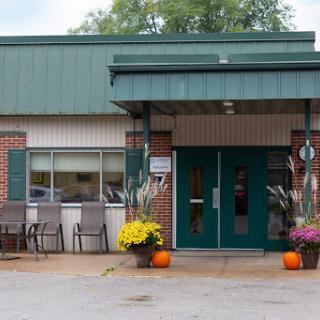
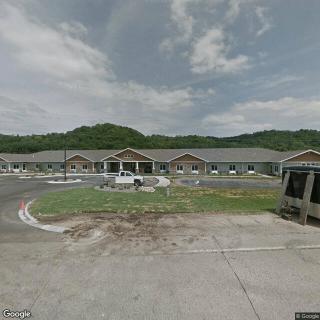
101 South Hill Street, La Crescent, MN 55947
For more information about senior living options: (866) 208-4318
Overall Review of La Crescent Health Services
Pros
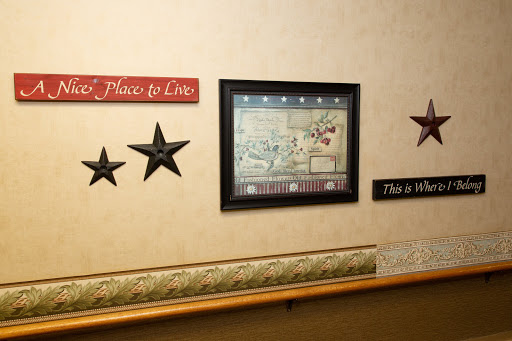
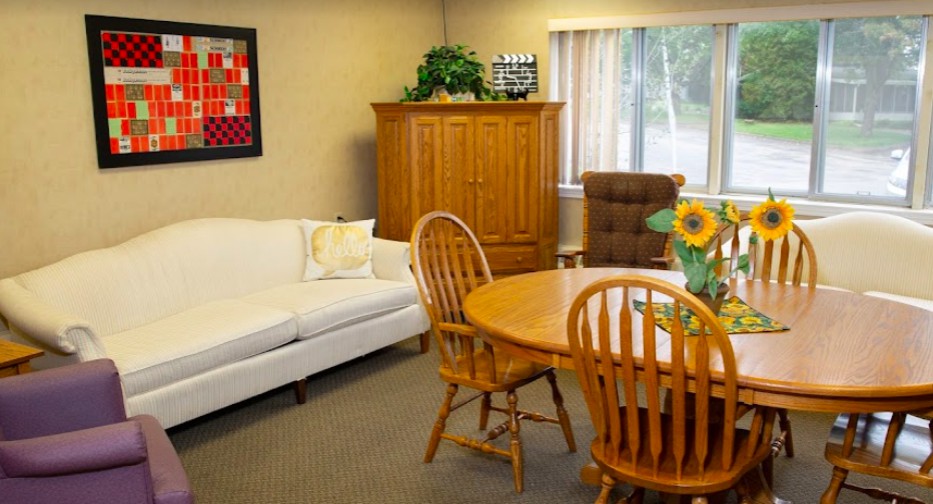
 The facility has a very friendly atmosphere.
- The staff are very professional.
- It is an excellent place to bring a loved one.
- They offer tours for prospective visitors.
- The food was good and the staff were kind.
- They took such good care of grandma in her final months.
- The staff are amazing, the management team is easy to work with, and the nursing staff are knowledgeable and caring.
Cons
 The facility is understaffed, rude, and dangerous.
- They would not administer a needed medication because it was too expensive, and the on-call doctor was unavailable.
- A staff member yelled at the resident to stop using the call button, implying neglect of basic needs.
- The staff-to-patient ratio was severely insufficient (one nurse and two aides for about 30 patients) and the facility lacked necessary equipment.
- Discharge assistance was refused, forcing the resident to pack and wheel herself to the front door, with concerns about insurance coverage.
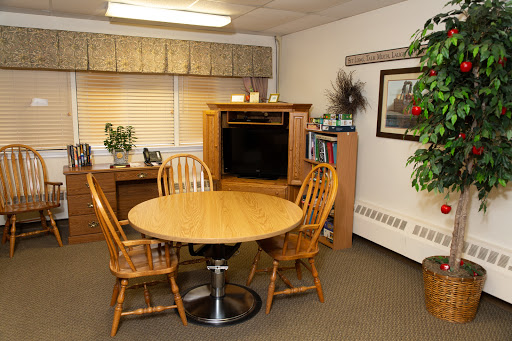
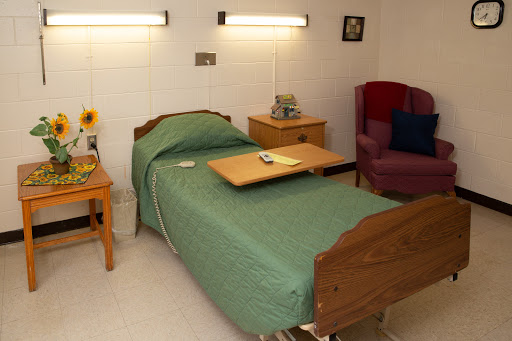
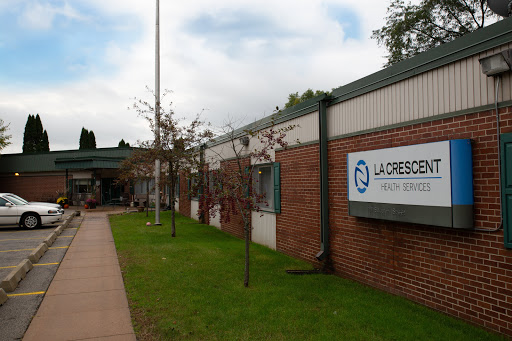
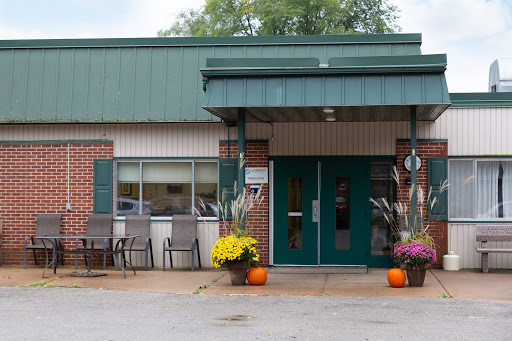
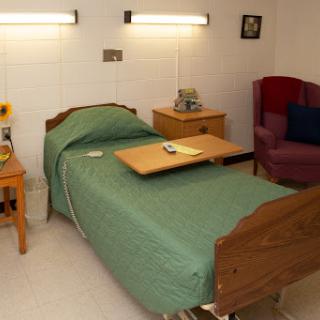
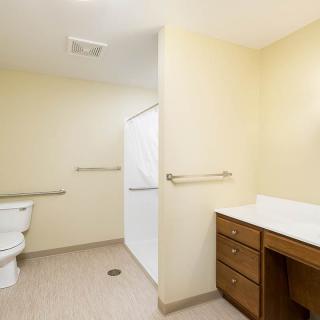
- Private rooms were not available; residents were placed in shared rooms in an outdated facility, hindering comfort and recovery.
Review
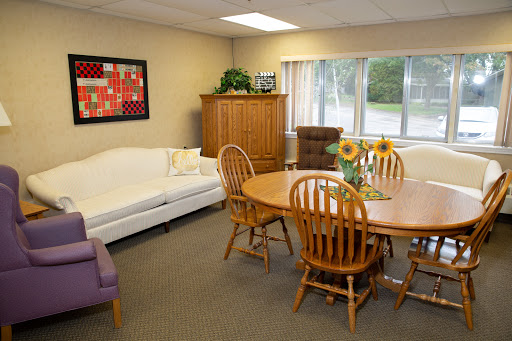
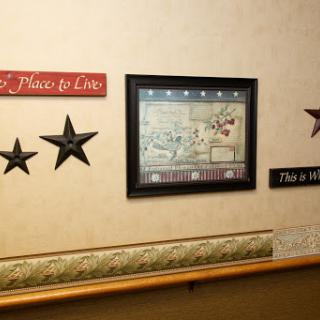
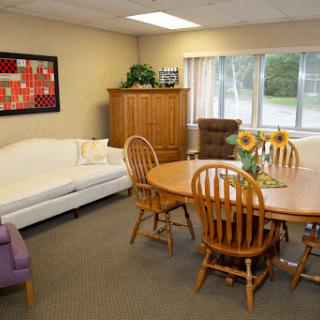
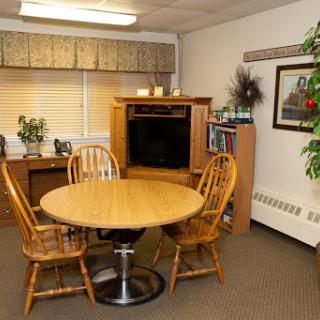
La Crescent Health Services is best suited for families seeking a warm, personable atmosphere where staff are approachable and generally professional, and where daily care can feel dependable when the unit is operating smoothly. The setting appears to work best for seniors who don’t demand aggressive, high-intensity rehabilitation or constant, high-level medical intervention, and who can tolerate an older building with modest amenities in exchange for a compassionate, easier-to-navigate environment. In short, it’s a fit for those who value staff accessibility and a friendly tone over modern facilities or a rigorously equipped rehab program.
Those weighing alternatives should consider options that promise stronger staffing stability, more robust rehabilitation capabilities, and updated infrastructure. If a resident requires consistent 24/7 skilled nursing coverage, meticulous medication management, or highly structured, comparable-to-hospital rehab, La Crescent may fall short. Families leaning toward private rooms, modern comfort, or highly predictable discharge planning will likely find better alignment elsewhere. For anyone prioritizing cutting-edge equipment, spacious rooms, and a formalized, safety-forward rehab plan, other facilities deserve a closer look.
The bright spots in the community are real and meaningful when functioning well. The staff that shows up on a typical day is described as friendly, knowledgeable, and caring, with management that is easy to work with and responsive to family needs. In such moments, residents receive attentive attention, and the overall atmosphere can feel supportive and reassuring. When the team is aligned, even in a facility described as older and imperfect, those elements can translate into genuine comfort for residents and summarize a positive caregiving experience for families seeking a human touch.
However, the most serious concerns are hard to overlook. Persistent understaffing, reports of rude behavior, and safety questions regarding how care is delivered cannot be dismissed. Instances cited where medications were delayed or deemed too expensive to obtain, weekends when on-call doctors were unavailable, and staff shortages that left one nurse and only a couple of aides to care for dozens of patients, point to systemic gaps. Discharge support and packing assistance were described as lacking, with residents sometimes discharged without the level of hands-on help that protects a patient with mobility issues. The facility’s physical plant, described as outdated and run-down, amplifies these risks by creating a less predictable, less comfortable environment for recovery.
Those gaps matter because the pros and the culture of care can only offset so much when fundamental clinical safety and continuity are in question. A warm atmosphere and friendly, capable staff have real value, but they cannot fully compensate for inconsistent staffing, limited equipment, and the logistical friction that undermines timely medication administration and safe transitions. When a facility can’t guarantee reliable daily care, even a few standout staff experiences can feel isolated, leaving families to weigh whether the risk-to-reward balance remains acceptable for a loved one’s current needs.
For families moving forward, practical steps matter. Schedule a tour with a precise checklist: ask about current nurse-to-patient ratios, weekend coverage, and how medications are sourced and administered; request examples of recent discharge planning, and who coordinates it; verify room configurations, including the availability of private spaces and accessibility features; confirm whether essential equipment (like walkers) is readily provided and by when; and inquire about room phones or alternative communication arrangements. If the goal is a rehab-focused stay, probe the specifics of therapy intensity, equipment on hand, and the facility’s track record for timely, comfortable transitions home. If these assurances cannot be met, alternatives with stronger staffing, updated facilities, and more predictable care patterns deserve serious consideration.
 42 resident community capacity
 Skilled Nursing Facility
 Beauty salon
 Cable or satellite TV
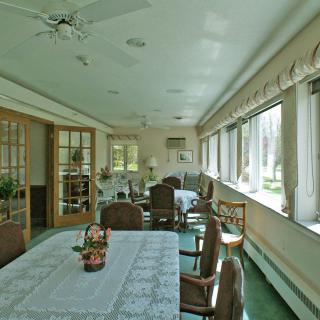
 Dining room
 Fully furnished
 Garden
 Housekeeping services
 Kitchenette
 Move-in coordination
 Outdoor space
 Restaurant-style dining
 Small library
 Telephone
 Wi-Fi/high-speed internet available
 La Crosse Municipal (5 miles away)
 24-hour call system
 Activities of daily living assistance
 Assistance with bathing
 Assistance with dressing
 Assistance with transfers
 Diabetes diet
 Medication management
 Mental wellness program
 Special dietary restrictions

 8 Essential Assistive Devices for Older Adults
 Navigating the Financial Road to Nursing Home Care: In-Depth Guidance and Resources
 Supportive Employee Benefits That Help Caregivers Attain Better Work-Life Harmony