
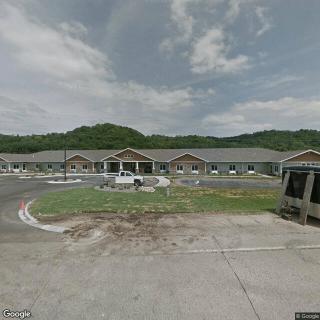
306 Main Street Suite 4, La Crescent, MN 55947
For more information about senior living options: (866) 208-4318
Overall Review of International Quality Homecare VII
Pros
 They were treated with respect and dignity by all of the staff.
- They highly recommend this physical therapy center.
Cons
 The agency is described as absolutely horrible by the reviewer.
- They provided only one nurse and no backup if she was sick or unavailable.
- Calls to the agency are rarely returned, making inquiries useless.
- The reviewers note they were never contacted to see how things were going or if the nurse was performing adequately.
- They state that for quality care, this place should not be called by that name.
- The reviewer had to give it one star just to post, implying a negative rating.
- They suggest the agency needs new management or to fire the staff and hire people who actually care and can run the agency.
Review
International Quality Homecare VII in La Crescent, MN is best suited for families prioritizing rehabilitative therapy and a staff culture that treats clients with dignity. The strongest signal comes from a reviewer who describes being treated with respect and dignity by every level of staff and who explicitly endorses the physical therapy component. That experience suggests meaningful rehab progress is possible when therapy is the focal point and interactions remain professional and courteous. However, families with the most demanding needs, such as 24/7 nursing supervision or ventilator-dependent care, should not assume these services are reliably available here without significant caveats. The caution is sharpened by a second, highly critical account that highlights substantial gaps in staffing and responsiveness.
The most credible pro is the quality of the therapeutic relationship and the emphasis on respectful treatment during therapy. When rehabilitation goals are central, this agency demonstrates that personnel can deliver patient-centered care and maintain dignity in daily interactions. For individuals pursuing post-acute or orthopedic rehabilitation, those elements can meaningfully support motivation, adherence, and potential functional gains. In short, the therapy experience can be a bright spot, offering genuine value where the primary need is skilled, reputable rehabilitation rather than ongoing medical management.
But the chief drawbacks are severe enough to tilt the overall assessment toward caution. The negative review depicts a scenario with only a single nurse available, no reliable backup if that nurse is sick or unavailable, and minimal responsiveness to calls. There is no evident escalation framework or proactive check-in process, leaving families frustrated and clients exposed to gaps in supervision and care quality. In a home-care setting, continuity is non-negotiable for medically fragile individuals; when staffing is thin and communication is inconsistent, risk and uncertainty rise quickly. These factors significantly undercut the peace of mind expected from a home health provider.
This creates a clear trade-off: strong rehabilitation interactions and respectful staff can improve the rehab journey, but they do not compensate for the fundamental failures in staffing stability and communication. Therapy can yield progress, yet safety and daily care depend on dependable, available nursing coverage and timely updates. For families simply seeking an improvement in mobility or recovery under a structured PT program, the positives may suffice. For those requiring dependable 24/7 supervision, medical oversight, or complex equipment management, the gaps in coverage overwhelm any therapy advantages.
Families should consider alternatives when high-acuity care is non-negotiable. Look for providers with documented backup staffing plans, reliable 24/7 on-call nursing, clear call-back timelines, and transparent escalation procedures. Questions to demand answers include: what is the nurse-to-patient ratio, how is coverage handled on weekends and holidays, what is the backup plan during staff absences, and how frequently are families updated on care progress and concerns? Verifying licensure, accreditation, and references is essential, as is obtaining a written care plan that specifies roles, responsibilities, and response expectations.
Ultimately, the decision hinges on the level of medical need and the tolerance for staffing risk. For rehab-focused goals delivered in a supportive, respectful environment, International Quality Homecare VII can offer real value. For anyone needing consistent, reliable 24/7 nursing support, ventilator management, or high-acuity in-home care, it is prudent to pursue other options that demonstrate stable staffing, dependable communication, and proven continuity of care. The prudent path treats the therapy strengths as a potential plus only if backed by robust, predictable daily support and clear accountability.
 21 resident community capacity
 Assisted Living
 Beauty salon
 Cable or satellite TV
 Dining room
 Fully furnished
 Garden
 Housekeeping services
 Kitchenette
 Move-in coordination
 Outdoor space
 Telephone
 Wi-Fi/high-speed internet available
 La Crosse Municipal (4 miles away)
 24-hour call system
 Activities of daily living assistance
 Assistance with bathing
 Assistance with dressing
 Assistance with transfers
 Diabetes diet
 Meal preparation and service
 Medication management
 Mental wellness program
 Special dietary restrictions
 Transportation arrangement (medical)
 Transportation to doctors appointments



 Beyond the Bingo Hall: 50+ Enriching Activities for Seniors in Assisted Living
 Understanding the Distinctions: Assisted Living and Memory Care Explained
 Guiding Elderly Parents Who Refuse Assisted Living: 6 Practical Steps