210 West Campus, Wausau, WI 54401
To contact a resident: (715) 675-4444
For more information about senior living options: (866) 208-4318
Our House Senior Living Assisted Care - Wausau Costs & Pricing
At Our House Senior Living Assisted Care in Wausau, residents can expect a monthly cost of $3,425 for a studio apartment. This rate is notably lower than the average costs in Marathon County, which stand at approximately $3,883, and even more attractive compared to the statewide average of $3,999. This competitive pricing reflects Our House's commitment to providing quality care and comfortable living arrangements while remaining budget-friendly for families seeking assisted living options. The facility's offerings may provide additional value through personalized services and amenities that enhance the overall experience for seniors in their care.
| Floor plans | Our House Senior Living Assisted Care - Wausau | Marathon County | Wisconsin |
|---|---|---|---|
| Studio | $3,425 | $3,883 | $3,999 |
Assisted Living communities with a similar price nearby
-
from +$375 / mo
Mountain Terrace Senior Living
$3,800 to $4,250 / month2.9 miles away -
About the same
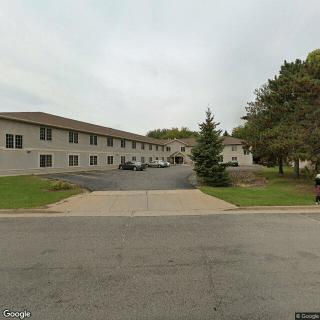
Mountain Terrace Senior Living RCAC
$3,510 to $4,250 / month2.9 miles away -
from -$225 / mo

Country Terrace Assisted Living-Stratford
$3,200 to $4,200 / month24.7 miles away -
from -$630 / mo
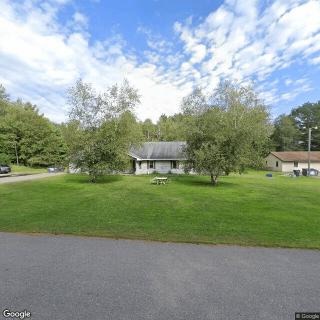
Cady Home West 2
$2,795 / month0.2 miles away -
from -$425 / mo
The Athenian
$3,000 to $3,600 / month21.5 miles away
Overall Review of Our House Senior Living Assisted Care - Wausau
Pros
 The loved one is receiving really good care.
- Some staff members are very caring.
- The Our House Team provides unbeatable care.
- The facility is lively, friendly, and family-style.
- It feels like a home environment for residents.
- The staff are very helpful and connect well with families.
- There is always something going on to engage residents.
- The staff leave a very good impression on visitors.
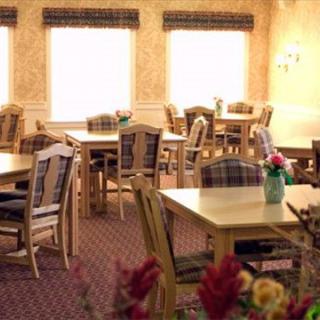
- The room layouts and spacious common areas are appealing.
- The facility offers easy access from the highway, contributing to a positive experience.
Cons
 The bathrooms could be cleaned a little bit better.
- There is not much activity going on because of COVID.
- Our House Senior Living could use more activities.
- There is a persistent lack of communication with families.
- Getting things done that have to be approved is frustrating.
- The diet could be more tuned to memory care residents.
Review
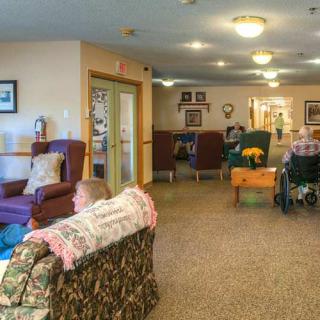
This community is best suited for families seeking a warm, home-like setting where care feels personal and staff are readily available. It works especially well for seniors who want daily companionship and a sense of belonging, with enough support to make daily life smoother without a clinical, institution-like atmosphere. The adjacent memory care option helps preserve continuity of care for those facing mild memory challenges, reducing the disruption of transitions between levels. The environment favors comfort, predictable routines, and approachable caregivers over heavy clinical oversight, making it a strong match for families prioritizing warmth, regular updates, and a trusted, familial feel.
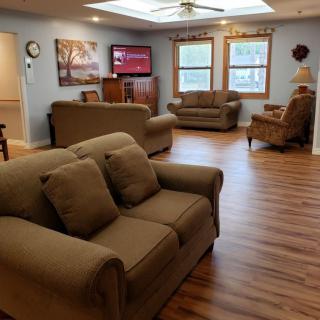
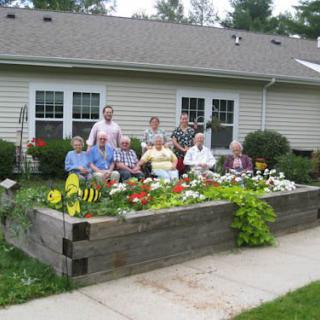
On the upside, the experience hinges on genuinely attentive, caring staff and a welcoming, neighborly vibe. Caregivers are frequently described as a standout resource, making a meaningful difference in daily well-being. The facility feels lively enough to counter isolation, with ongoing social moments and a sense of family rather than a sterile routine. Residents arenā€™t left idle; there are opportunities to gather, relax by the fireplace, and participate in shared activities. When questions arise, staff respond promptly and clearly, reinforcing confidence in the day-to-day management and the overall reliability of care plans.
Still, several recurring concerns temper the glow. Some families report occasional lapses in bathroom cleanliness and a broader desire for more consistent, robust programming beyond the basics. Meals meet state standards but could be more finely tuned to memory-care needs, with calls for fewer breads and sugars and more Mediterranean-style options. The move from home to a facility can feel encumbered by the need for third-party approvals, underscoring the necessity of clear, proactive communication. In some hospice scenarios, room setups reveal a mix of private baths and shared showers, which can matter to families prioritizing privacy and comfort.
Those strengths offset the drawbacks in meaningful ways. The core asset remains the genuine care and dependable staff presence, which reduces the stress associated with transitioning to assisted living. The home-like layout, spacious common areas, thoughtful room design, and a comfortable social rhythm, fosters engagement without sacrificing personal space. The memory-care adjacency supports continuity of activity and interaction, so residents can participate in meaningful programming without feeling isolated in a locked clinical environment. Transportation support further mitigates logistical friction, helping families manage appointments and errands while keeping residents connected to the broader community.
Alternatives should be considered for residents with heavier medical needs or a stronger emphasis on dementia-specific programming. The absence of on-site skilled nursing means medical oversight relies on on-call providers, which may not suit every situation. Families seeking a more intensive activity calendar, stricter dementia therapies, or private, unit-by-unit privacy might prefer communities with deeper medical infrastructures and structured programming. Likewise, if dietary customization is a top priority, verify how menus can accommodate strict regimens and whether kitchen operations align consistently with clinical guidance.
Decision-ready guidance points toward a warm, connection-rich option with strong staff relationships and a humane, home-like atmosphere. Tours should focus on care-plan clarity, staff responsiveness, and the specifics of meal planning, transportation, and memory-care integration. Inspect bathrooms and common areas for cleanliness, and verify room configurations to align with privacy expectations. Clarify the care level options, the care-point system, and how families will be included in ongoing updates. For households valuing comfort, steady communication, and a gentle, social approach to senior living, this community presents a compelling, practical choice.
 Assisted Living
 Cats allowed
 Dogs allowed
 Activities off-site
 Bath tubs
 Beautician on-site
 Devotional services off-site
 Indoor common areas
 Outdoor common areas
 Respite or short term stays offered
 Wheelchair accessible showers
 Central Wisconsin (15 miles away)
 Ambulatory care
 Diabetic care
 Incontinence care
 Medication management
 Meals provided

 Assisted Living Expenses and Long-Term Care Insurance: A Comprehensive Exploration
 Securing Financial Support for Assisted Living: A Comprehensive Overview
 Social Security Benefits and Assisted Living: Navigating Options Across the U.S.