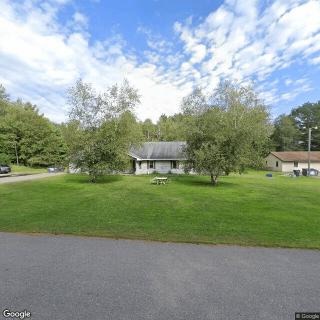
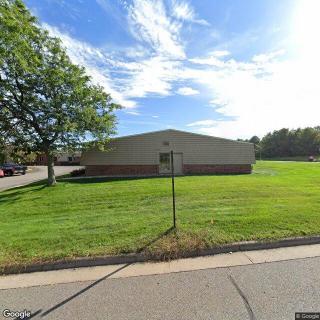
220 West Campus Drive, Wausau, WI 54401
For more information about senior living options: (866) 208-4318
Overall Review of Our House Senior Living - Wausau Memory Care
Pros
 The kitchen staff gave guests a tour around the building.
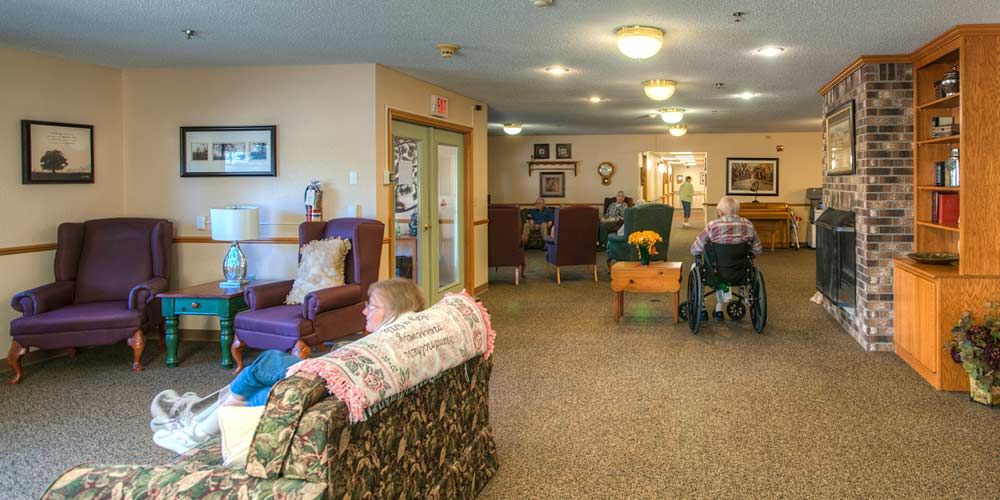
- Residents were out for bingo, showing they were engaged in activities.
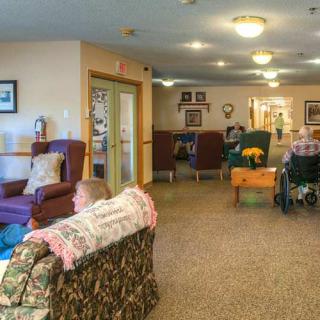
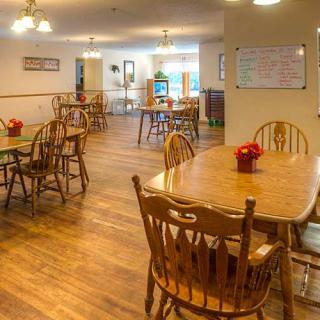
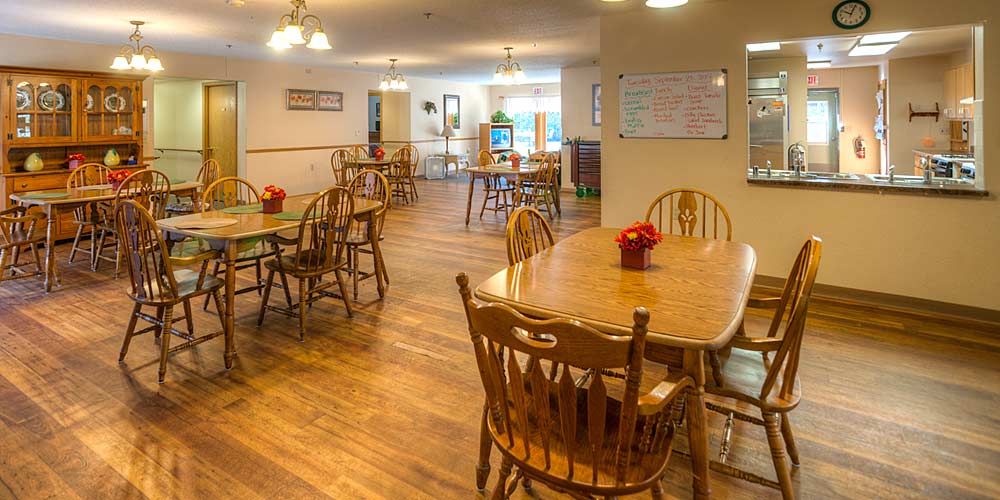
- The facility was clean and the staff were pleasant.
- The cook answered the door and gave a tour of the facility.
Cons
 The reviewer wasn’t impressed with the staff.
- It wasn’t a facility the reviewer felt connected to.
- The staff weren’t aware of the appointment.
- The cook, who isn’t licensed, gave out medications.
- The reviewer didn’t feel it was a safe enough establishment.
- The side door being described as unlocked was a security concern.
- It wasn’t very professional.
- A resident wandered away and died a couple of days later, which the reviewer cited as a major negative.
Review
This community is best suited for seniors who are largely independent, do not require regular on-site nursing, and have no history of wandering. The visit found a clean, orderly environment with pleasant staff and a demonstrable commitment to resident activities, bingo and other programs were in progress, signaling that residents are engaged in daily life. However, the absence of on-site nursing staff and the fact that medication is dispensed by an unlicensed cook create a safety baseline that will matter enormously for memory care. For families prioritizing a strong medical oversight and robust security, this setting is unlikely to meet those core needs.
That reality highlights who should seriously consider alternatives. Any loved one with a wander tendency, cognitive impairment that could escalate into unsafe behavior, or a need for consistent nursing supervision should look elsewhere. The facility operates with a monthly nurse visit rather than continuous on-site clinical coverage, and a door-and-walance dynamic that can leave a resident vulnerable if wandering occurs. In memory care, predictable access to licensed staff and a secure environment aren’t optional extras, they are essential. For these reasons, families facing wander risk or requiring dependable med administration will want to compare other options.
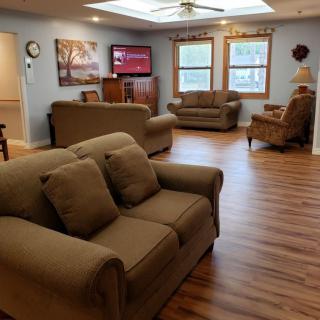
The visible positives, cleanliness, a friendly, approachable staff, and genuine effort to keep residents engaged, do create a welcoming daily life and can enhance mood and social connection. These strengths matter for quality of life and for minimizing agitation in some residents. Yet they do not meaningfully offset the most consequential drawbacks. The lack of a licensed nurse on site, the reliance on a cook to dispense medications, and the implication that doors may be left accessible raise serious safety and regulatory concerns. In memory care, engagement and environment are important, but they cannot compensate for gaps in clinical oversight and secure containment.
Families evaluating this community should come with specific, verification-focused questions. What is the exact on-site nursing presence, how many registered nurses or licensed practical nurses are available per shift, and what tasks do they perform? Who administers medications, and under what delegation or supervision policy? What security measures exist to prevent wandering (alarms, secure exterior doors, staff rounds, wander-risk assessments)? How are emergencies documented and escalated? What is the memory care design approach, color cues, familiar layouts, predictable routines? Request a walk-through of a typical care plan, and speak with current residents or families about response times and staff consistency. These details determine whether the pros can realistically balance the safety gaps.
In practical terms, the decision hinges on risk tolerance and care requirements. If the priority is a homelike, socially active environment with clean facilities and friendly staff, and the loved one has no history of wandering and only needs intermittent medical oversight, this community could fit as a transitional or short- to mid-term option. If a secure, nurse-led model with continuous on-site care is non-negotiable, this site should be excluded in favor of communities with full-time licensed staff and proven memory care security protocols. The stark takeaway is that safety and medical oversight outweight benevolent programming in memory care, and that distinction should drive the final choice.
 20 resident community capacity
 1-bedroom apartments
 Assisted Living
 Board and Care Home
 Memory Care
 Beauty salon
 Cable or satellite TV
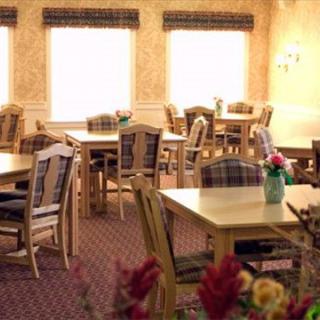
 Dining room
 Fully furnished
 Garden
 Housekeeping services
 Kitchenette
 Move-in coordination
 Outdoor space
 Telephone
 Wi-Fi/high-speed internet available
 Central Wisconsin (15 miles away)
 24-hour call system
 Activities of daily living assistance
 Assistance with bathing
 Assistance with dressing
 Assistance with transfers
 Diabetes diet
 Hospice waiver
 Meal preparation and service
 Medication management
 Mental wellness program
 Special dietary restrictions
 Transportation arrangement (medical)
 Transportation to doctors appointments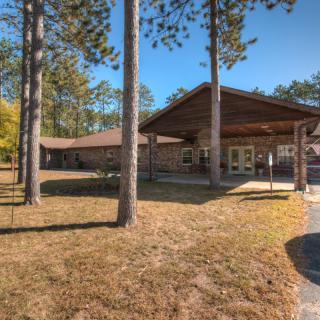

 Illuminating Insights About Alzheimer's Disease: Ten Crucial Realities
 A Thorough Discussion of Medications Potentially Linked to Dementia Risk
 Why Do Dementia Patients Sleep So Much? Understanding Oversleeping, Stages, and Care Approaches