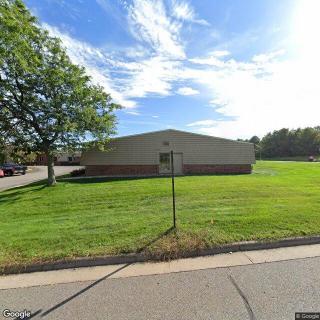
210 West Campus Drive, Wausau, WI 54401
For more information about senior living options: (866) 208-4318
Overall Review of Our House Senior Living - Wausau Assisted Care
Pros
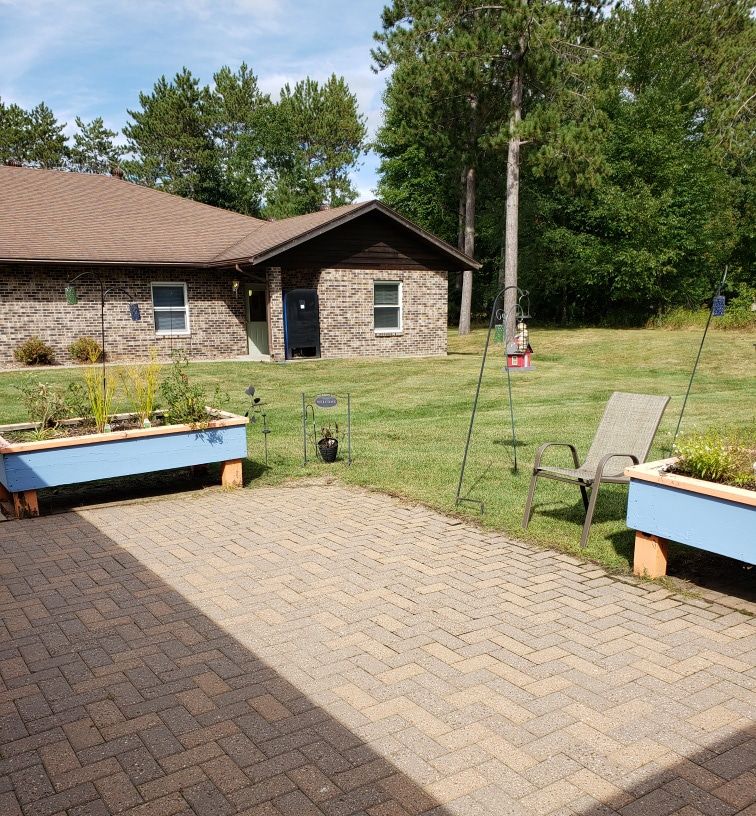
 The place is beautiful.
- The staff are knowledgeable and friendly.
- The staff treat the family like their own.
- The family is happy they chose this facility.
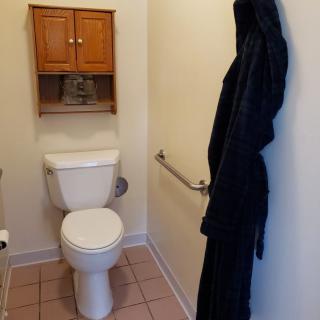
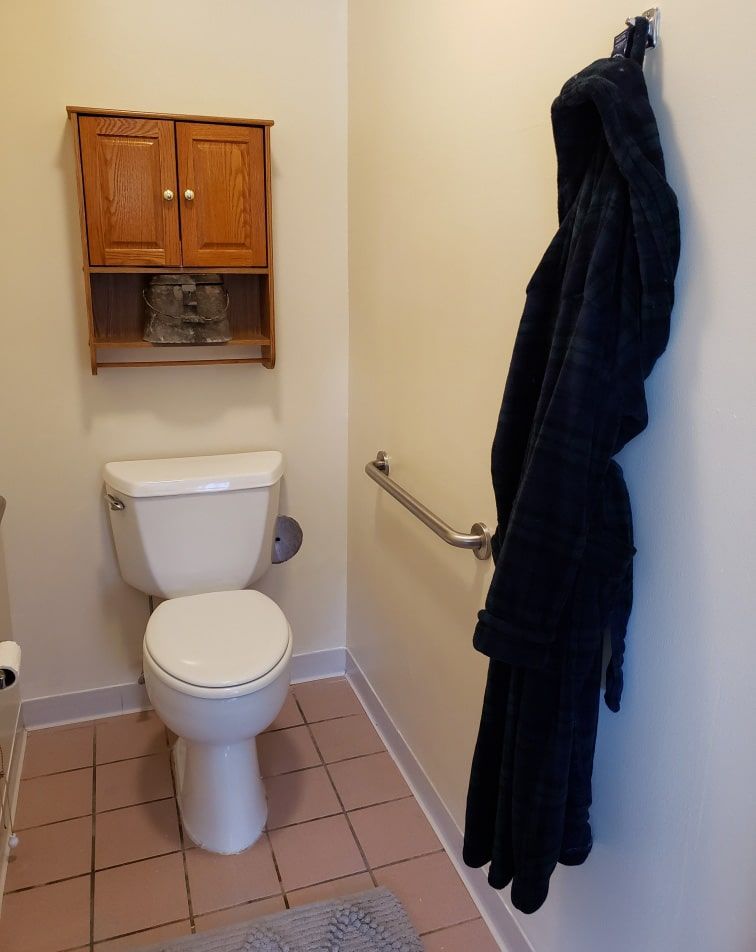
- The facility is very nice and clean.
- It is close to where the family lives.
- The tour guide was friendly, informative, and concerned about the resident.
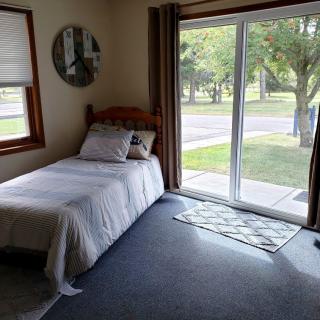
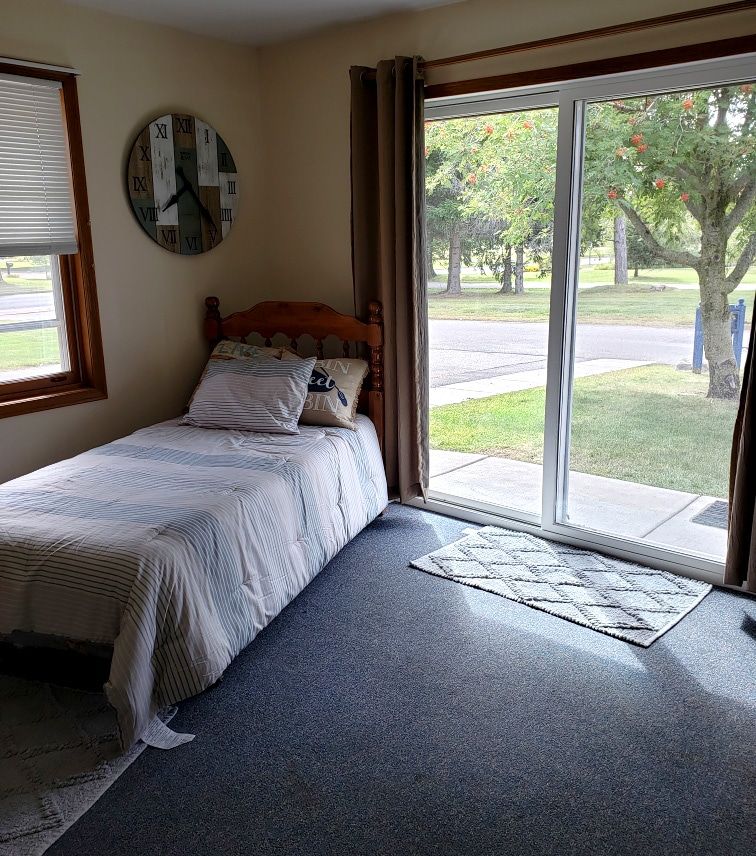
- The rooms are clean and freshly painted.
- They have special parties for Christmas, Easter, and birthdays.
Cons
 There is high staff turnover.
- There is no trained staff.
- The staff-to-resident ratio is low.
- Staff tell families they never perform any activities because they are too busy.
Review
This community is best suited for families seeking a small, homelike assisted living experience in which residents are known by name and daily life emphasizes personal attention over formal programming. It works well for seniors who prefer a quiet, country-inspired setting, closer-knit interactions with both staff and neighbors, and a lower-cost option compared with larger campuses. The environment is intimate enough that staff can tailor routines to individual likes, and the overall feel leans toward comfort, familiarity, and mutual support rather than high-energy activity schedules.
Those who may want to consider alternatives include families prioritizing a robust activity calendar, stronger on-site staffing across all shifts, and more formalized training. If a resident requires consistent, high staff-to-resident ratios, 24/7 professional oversight, or a broad array of daily programs, a larger, perhaps corporate-owned community with deeper resources may be a better fit. The corporate ownership note is also a factor for families who prefer decisions driven by local ownership and perceived nimbleness in addressing resident needs.
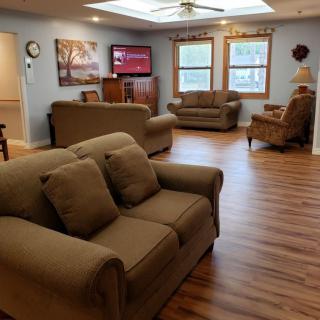
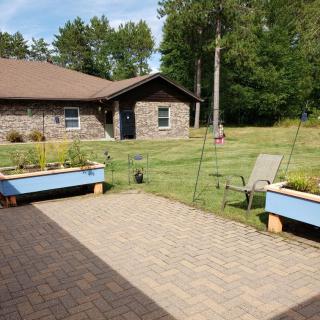
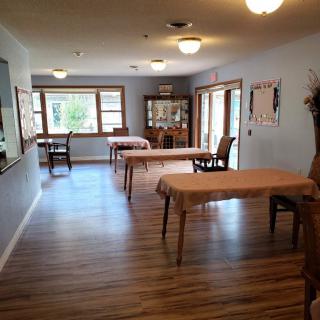
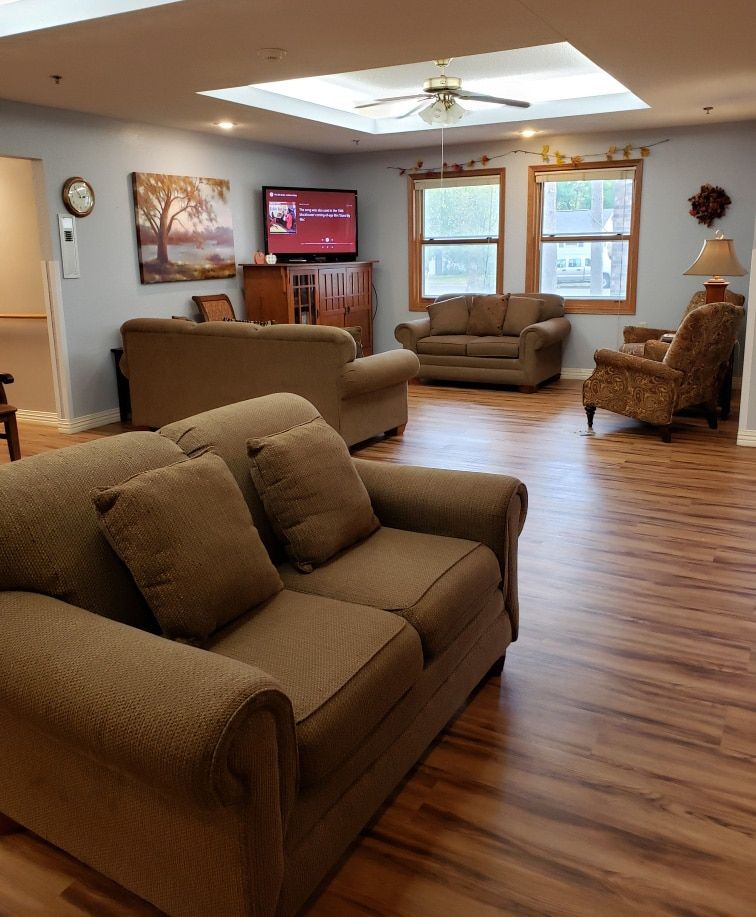
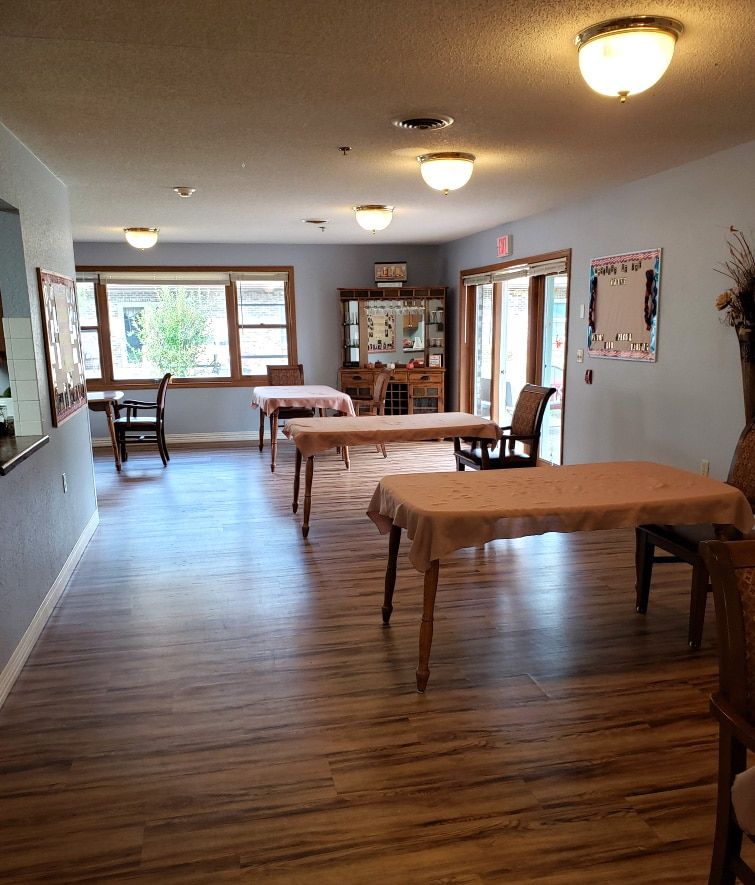
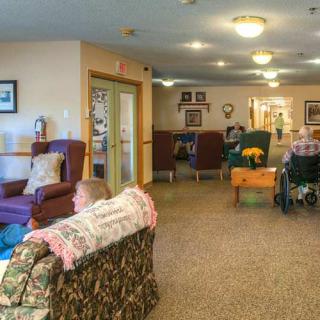
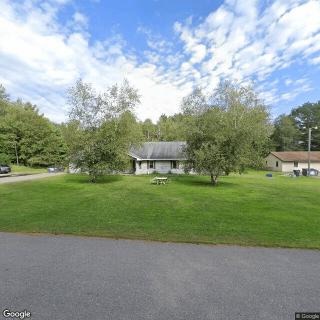
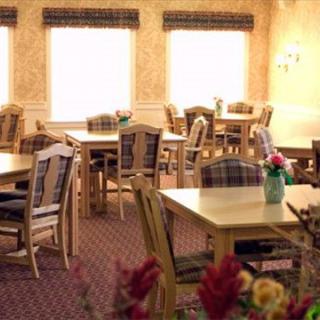
The strongest positives center on the people and the atmosphere. Reviews describe a beautiful, clean environment with a homey dining area and comfortable furnishings that contribute to an approachable, village-like vibe. Families repeatedly praise staff for knowledge, friendliness, and genuine care, an essential factor when choosing anywhere that relies on daily interactions with residents. The small size, roughly 16 to 18 residents, facilitates close relationships: staff are more likely to know each resident’s preferences, and residents can form meaningful connections through regular, personalized activities and outings. A home-based, porch-side country setting supports relaxed social moments that many families value as a cornerstone of quality senior living.
Yet the principal drawbacks cannot be ignored. Reports of high staff turnover and a low staff-to-resident ratio raise concerns about consistency and the ability to meet all care needs, especially on busy days. Some families allege that staff are not adequately trained, and there are accounts of activities not being performed because staff are “too busy.” The weekly room cleaning schedule suggests a level of housekeeping that may be insufficient for residents with higher personal care needs, even though rooms themselves are described as clean and freshly painted. Ownership by a larger corporation also looms as a potential constraint on responsiveness and personalized decision-making at the community level.
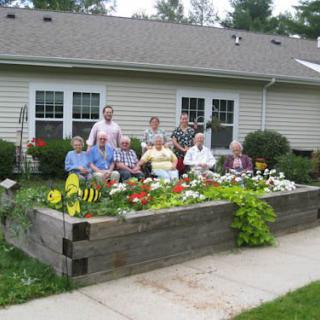
Those cons are offset to a meaningful degree by the community’s intimate structure and the visible commitment of staff to resident happiness. When the team is engaged, residents benefit from a strong sense of belonging and daily opportunities to participate in crafts, themed celebrations, and group activities that are not merely episodic but designed to foster social ties. The small setting makes it possible for staff to notice subtle changes in mood or health and to act on them more quickly than in bigger campuses. Family members report their relatives feel wanted and cared for, and the occasional well-run event, like appreciation days or coordinated lunches, demonstrates that meaningful moments can happen in a compact space.
The bottom line is practical: this is a good fit for families who want a warm, affordable, small-community option and who can accept potential variability in staffing and program depth. For residents who prize a consistently staffed environment, daily robust activities, and comprehensive medical oversight, alternatives with higher staffing ratios and broader programming should be explored. Prospective residents should pursue a second tour with a specific focus on staffing coverage across shifts, a current activities schedule, and a transparent plan for housekeeping frequency and care needs management.
To proceed decisively, arrange a live sit-down with front-line caregivers across shifts to gauge consistency and responsiveness. Ask for a day-to-day activity calendar and request to speak with current residents about how often activities actually occur and how staffing changes affect daily routines. Confirm nursing or medication-management capabilities on-site, and probe the housekeeping schedule against the resident’s needs. If the answers align with a warm, personalized, low-cost living experience, this community deserves serious consideration; if not, keep exploring options that offer steadier staffing and more structured programming to ensure long-term satisfaction and safety.
 20 resident community capacity
 1-bedroom apartments
 Assisted Living
 Board and Care Home
 Beauty salon
 Cable or satellite TV
 Dining room
 Fully furnished
 Garden
 Housekeeping services
 Kitchenette
 Move-in coordination
 Outdoor space
 Telephone
 Wi-Fi/high-speed internet available
 Central Wisconsin (15 miles away)
 24-hour call system
 Activities of daily living assistance
 Assistance with bathing
 Assistance with dressing
 Assistance with transfers
 Dementia waiver
 Diabetes diet
 Hospice waiver
 Meal preparation and service
 Medication management
 Mental wellness program
 Special dietary restrictions
 Transportation arrangement (medical)
 Transportation to doctors appointments

 When to Transition from Assisted Living to Memory Care: Key Indicators, Steps, and Finding the Right Community
 Assisted Living and Memory Care: Understanding Their Core Differences
 Beyond the Bingo Hall: 50+ Enriching Activities for Seniors in Assisted Living