Ccls Welsh Court is an assisted living community in Waukesha, WI.
Information last verified:
2704 2706 Welsh Ct, Waukesha, WI 53188
For more information about senior living options: (866) 208-4318
2.9 from 71 reviews
5 stars
24
4 stars
5
3 stars
7
2 stars
7
1 stars
28
Overall Review of Ccls Welsh Court
common11 reviews mention this
Staff friendliness is a recurring theme
Multiple reviewers describe the staff as helpful, kind, and respectful.
A common thread across reviews is that staff members are described as supportive and friendly. Reviewers mention getting help staying on track, being treated with respect, and being met with a positive demeanor even in difficult circumstances. Some also note that the staff can offer suggestions when they feel they have limited assistance available.
caveat3 reviews mention this
SCRAM monitoring draws strong pushback
Several reviewers report problems with SCRAM monitoring and its results.
A set of reviews specifically criticize SCRAM monitoring, with concerns about false readings and the overall burden it creates. Some reviewers also describe SCRAM as costly and say they had trouble getting documentation when there were disputes about results. Others argue the monitoring approach makes it hard to defend against accusations, especially when delays or device issues come up.
caveat3 reviews mention this
Wait times and process feel strained
Reviewers mention long waits and a sense the process runs over capacity.
Several reviews point to friction in day-to-day operations, including waiting room crowding and long waits. One reviewer also describes staff as overextended and constrained by rules, along with concerns about how events are documented. Overall, the complaints focus on the logistics of getting through check-ins and appointments efficiently.
caveat4 reviews mention this
Pre-trial and probation pressure
Some reviewers say the program feels like punishment before conviction.
A repeated criticism is that reviewers experience the arrangement as restrictive, even when they describe themselves as not yet convicted. Several reviews use language comparing it to probation or imprisonment before guilt is determined, and they describe the personal impact of being pulled into frequent requirements. At least one longer review also describes transportation challenges and how the program interferes with work, housing, and daily life.
How we summarize
Counts show how many written reviews mention each theme; a review can touch several themes, and only frequently mentioned themes are displayed.
Features
Housing
8 resident community capacity
Types of Care
Assisted Living
Amenities
Cable or satellite TV
Dining room
Fully furnished
Garden
Housekeeping services
Move-in coordination
Outdoor space
Telephone
Wi-Fi/high-speed internet available
Transportation
General Mitchell International (20 miles away)
Care Services
24-hour supervision
Activities of daily living assistance
Assistance with bathing
Assistance with dressing
Assistance with transfers
Coordination with health care providers
Diabetes diet
Meal preparation and service
Medication management
Special dietary restrictions
Transportation arrangement (medical)
Transportation to doctors appointments
Dining
Diabetes diet
Special dietary restrictions
Activities
Community-sponsored activities
Scheduled daily activities
Nearby Places of Interest
Pharmacies
CVS Pharmacy (0.6 miles)
Walgreens (0.9 miles)
Walgreens (1.8 miles)
Express Scripts (2.4 miles)
Walgreens (2.9 miles)
Walgreens (3.5 miles)
Walmart Pharmacy (3.7 miles)
Restaurants
Wendy's (0.7 miles)
McDonald's (0.7 miles)
Arby's (0.8 miles)
Denny's (0.9 miles)
Culver's (0.9 miles)
Taco Bell (1 miles)
5 O'Clock Club (1.9 miles)
Physicians
Orthopaedic Associates Wisconsin (2 miles)
Moreland Ear Nose & Throat (2.3 miles)
ProHealth Care Building (2.4 miles)
Wheaton Franciscan Medical GRP (3.2 miles)
Aurora Family Medicine (5 miles)
Hart Hearing Care Centers (5 miles)
Prohealth Care Medical Center (5.1 miles)
Cafes
Starbucks (2.1 miles)
Mama D's Coffee (3.4 miles)
Panera Bread (3.9 miles)
Panera Bread (4.8 miles)
Starbucks (5 miles)
Black Canyon Coffee (5.5 miles)
Starbucks (7 miles)
Parks
Waukesha Parks Rec & Forestry (2.2 miles)
Glacier Cone Park (2.4 miles)
Wagner Park (3.8 miles)
Lake Park Park (4.2 miles)
Fox Brook Park (5.6 miles)
Rivers Crossing Park (6 miles)
Kettle Moraine State Forest - Lapham Peak Unit (6.4 miles)
Hospitals
Waukesha Memorial Hospital (2.8 miles)
Waukesha Memorial Hospital (5.2 miles)
Places of Worship
First Congregational Church (3.4 miles)
Riverglen Christian Church (5.9 miles)
Theaters
Hillside Cinema Delafield, Wi (4.9 miles)
Silverspot Cinema - The Corners of Brookfield (5.6 miles)
Medicare does not cover assisted living costs, as it focuses on acute medical needs and short-term care, with exceptions for certain medically necessary services like physical therapy. Individuals must explore other options such as Medicaid, veterans' benefits, or long-term care insurance to manage these expenses effectively.
Choosing between assisted living and nursing homes involves evaluating emotional and financial factors, with assisted living offering independence and support for daily activities at a lower cost, while nursing homes provide intensive medical care for individuals with significant health needs. The decision is influenced by personal preferences, health status, cognitive function, and varying Medicaid coverage across states.
Assisted living in 2025 offers a crucial balance of independence and support for seniors, with costs varying from $2,500 to over $7,000 per month based on factors such as location and care level. Understanding pricing complexities, including regional differences and potential hidden fees, is essential for families to plan financially while ensuring quality care for their loved ones.
Get PricingAsk A QuestionSchedule A TourContact Senior Advisor
By clicking submit, you agree to our Partner's Terms of Use. You
also consent to receive calls and texts, which may be autodialed, from our Partner. Your consent is not a condition to
using our Partner's service. Please visit our Partner's Privacy Policy for information about their privacy practices.

 8 resident community capacity
 Assisted Living
 Cable or satellite TV
 Dining room
 Fully furnished
 Garden
 Housekeeping services
 Move-in coordination
 Outdoor space
 Telephone
 Wi-Fi/high-speed internet available
 General Mitchell International (20 miles away)
 24-hour supervision
 Activities of daily living assistance
 Assistance with bathing
 Assistance with dressing
 Assistance with transfers
 Diabetes diet
 Meal preparation and service
 Medication management
 Special dietary restrictions
 Transportation arrangement (medical)
 Transportation to doctors appointments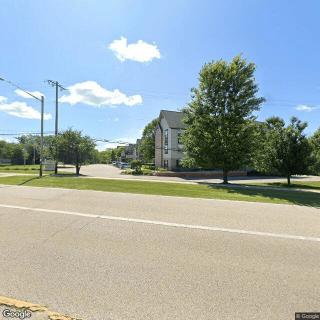
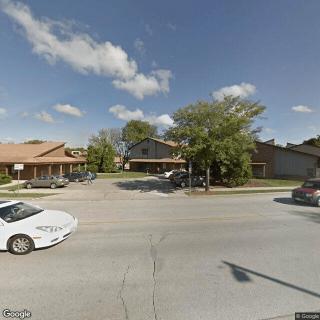
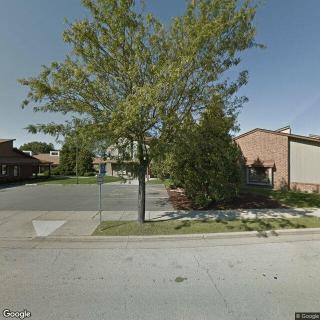
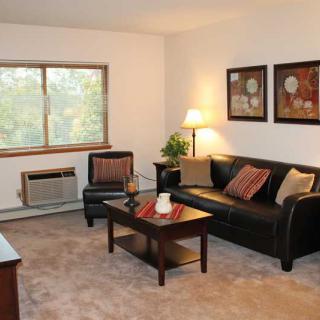
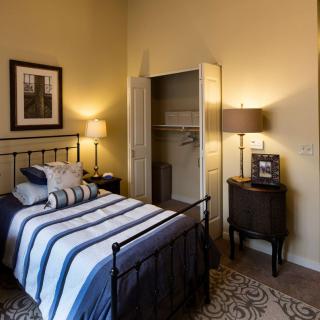
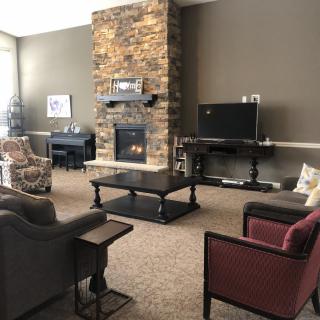
 Affordable rents with well-kept facilities and senior-friendly amenities.

 Medicare Coverage for Assisted Living: An In-Depth Exploration
 Choosing the Right Senior Care: A Detailed Exploration of Assisted Living and Nursing Homes
 Understanding the True Cost of Assisted Living in 2025: A Comprehensive Guide