At Maplewood Cottage, the monthly cost for a studio room is set at $4,200, which positions it competitively within Waukesha County, where similar accommodations are priced at $4,225. While slightly higher than the county average, Maplewood provides distinctive features and services that enhance its value. In comparison to the broader state of Wisconsin, where studio living options generally start around $3,999, Maplewood Cottage offers an appealing balance of comfort and amenities that cater to residents seeking quality care in a welcoming environment.
Floor plans
Maplewood Cottage
Waukesha County
Wisconsin
Studio
$4,200
$4,225
$3,999
Assisted Living communities with a similar price nearby
Residents and families describe caregivers who are caring, patient, and responsive to daily needs.
A lot of reviews focus on day-to-day caregivers who feel genuinely invested in residents, including people with dementia and Alzheimer’s. Families describe staff spending time, adapting to individual needs, and keeping them informed when health changes. Multiple reviews also mention feeling welcome and supported, not just during day-to-day care but during difficult end-of-life moments.
differentiator10 reviews mention this
Cottage setting feels more personal
The small-cottage layout shows up repeatedly as a reason families feel care is more personalized.
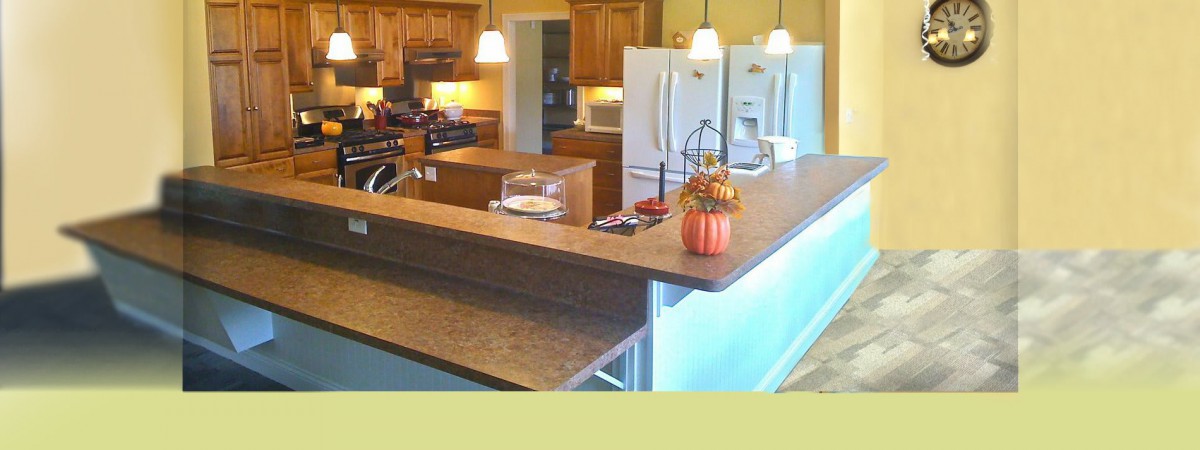
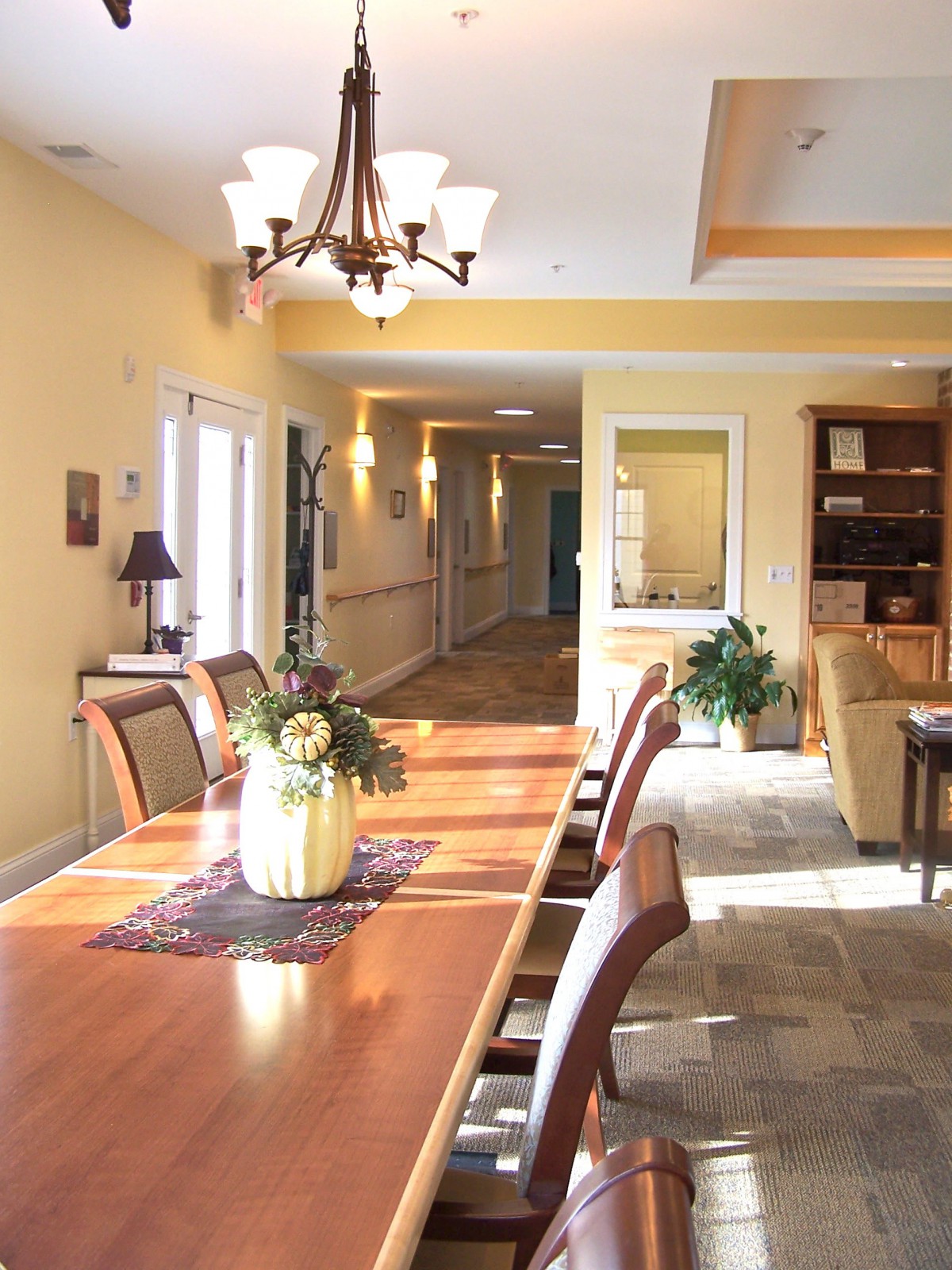
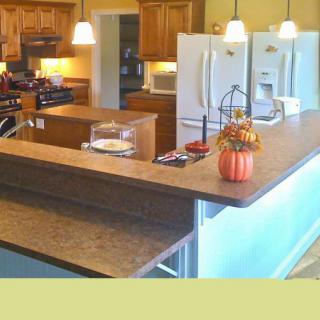
Several reviews describe the community as small and home-like, with an intimate cottage feel rather than a large facility. People mention residents getting individual attention, plus shared spaces where residents and caregivers interact. One review also highlights an open-concept common area where the kitchen and dining table are near each other for a more social day-to-day atmosphere.
common8 reviews mention this
Meals get praise, with some complaints
Food is a frequent discussion, with many calling the meals home-cooked and tasty.
Many reviews mention regular meals and several families specifically describe home-cooked meals prepared by a chef. A few residents/families also tie dining to enjoyment and day-to-day comfort. At the same time, one review complains about meal quality and variety, so dining impressions are not completely uniform.
differentiator4 reviews mention this
Secure buildings, but not for everyone
Secure, locked access is described as reassuring, though at least one review disagrees.
Some families say secure locked buildings help keep residents safe and also help staff know who is visiting. That comes up alongside descriptions of dementia-focused safety benefits like preventing wandering. One review, however, says the facility they toured was not locked, which suggests the experience may depend on the specific unit or timing.
caveat3 reviews mention this
Communication gaps and delayed updates
Several reviewers raise concerns about slow responses and incomplete communication.
A few reviews say they struggled to get return calls or timely updates, especially outside typical office hours. One memory-care family describes communication becoming less frequent over time and having to rely on hospital updates instead. Another review mentions management not returning phone calls or emails.
caveat8 reviews mention this
Training, staffing, and medication concerns
Multiple reviews describe problems related to staffing, training, and medication handling.
Some negative reviews include allegations about unlicensed or inadequately trained staff, including concerns raised around dementia and medical care. Others mention missed care routines such as skipped medications, not completing vitals, or problems with hygiene and illness monitoring. A few also describe medication being changed without proper communication, or cite broader concerns about supervision and coverage.
common3 reviews mention this
Affordability and Medicaid come up
Pricing is discussed in two directions, including Medicaid acceptance and later cost increases.
One review says the community accepted Family Care Medicaid without requiring private pay first, which helped make care possible. Another review raises concerns about pricing increasing substantially over time and suggests it became less affordable as needs progressed. A separate comment frames the community as good for affordable seniors.
How we summarize
Counts show how many written reviews mention each theme; a review can touch several themes, and only frequently mentioned themes are displayed.
Features
Types of Care
Assisted Living
Amenities
Activities on-site
Bath tubs
Beautician on-site
Devotional services off-site
Devotional services on-site
Indoor common areas
Outdoor common areas
Respite or short term stays offered
Wheelchair accessible showers
Transportation
General Mitchell International (17 miles away)
Care Services
Diabetic care
Incontinence care
Medication management
Dining
Guest meals
Meals provided
Activities
Art classes
Catholic services
Devotional activities offsite
Devotional activities on-site
Gardening club
Live dance or theater performances
Live musical performances
Protestant services
Trivia games
Visiting chaplain or priest
Wii bowling
Nearby Places of Interest
This part of Waterford, Wisconsin offers a variety of amenities and services that cater to the needs of seniors. With several pharmacies, physicians' offices, and hospitals within a short distance, access to healthcare is readily available. Additionally, there are numerous restaurants and cafes for dining options, as well as parks for outdoor recreation such as Idle Isle Park and Mukwonago Dog Park. For entertainment, there is a theater nearby at Ridge Cinema in New Berlin, and transportation options include the Burlington Municipal Airport and the East Troy Electric Railroad Depot & Museum. Overall, this area provides a convenient and enjoyable environment for senior living with easy access to essential services and recreational activities.
Pharmacies
H2O Health Solutions (3.2 miles)
Pharmacy Station (3.7 miles)
Aurora Pharmacy (3.9 miles)
Walgreens (4.2 miles)
Walgreens (5.8 miles)
Walmart Pharmacy (6.3 miles)
Walgreens (7.4 miles)
Restaurants
Crossover Cantina & Eatery (3.2 miles)
Papa Stache (3.6 miles)
Doc's on the Fox (4 miles)
McDonald's (4 miles)
Burger King (4.9 miles)
Culver's (5.8 miles)
McDonald's (5.9 miles)
Physicians
Aurora Health Center (3.9 miles)
Eye Care Center of Waterford (3.9 miles)
Lakeshore Medical Clinic (7 miles)
Medical Eye Associates, S.C. (7.1 miles)
Norelli Anthony, MD (7.1 miles)
Sandra G Amadon MD (7.1 miles)
Cornerstone (7.1 miles)
Cafes
Cafe 36 (4.1 miles)
Starbucks Mukwonago (6.8 miles)
Vintage Grounds (6.9 miles)
Starbucks (8 miles)
The Gingerbread House (8.4 miles)
Starbucks (9.8 miles)
Panera Bread (10.1 miles)
Hospitals
D N Greenwald Center (6.1 miles)
Lakeview Specialty Hospital & Rehabilitation Center (6.1 miles)
At Maplewood Cottage, the monthly cost for a studio room is set at $4,200, which positions it competitively within Waukesha County, where similar accommodations are priced at $4,225. While slightly higher than the county average, Maplewood provides distinctive features and services that enhance its value. In comparison to the broader state of Wisconsin, where studio living options generally start around $3,999, Maplewood Cottage offers an appealing balance of comfort and amenities that cater to residents seeking quality care in a welcoming environment.
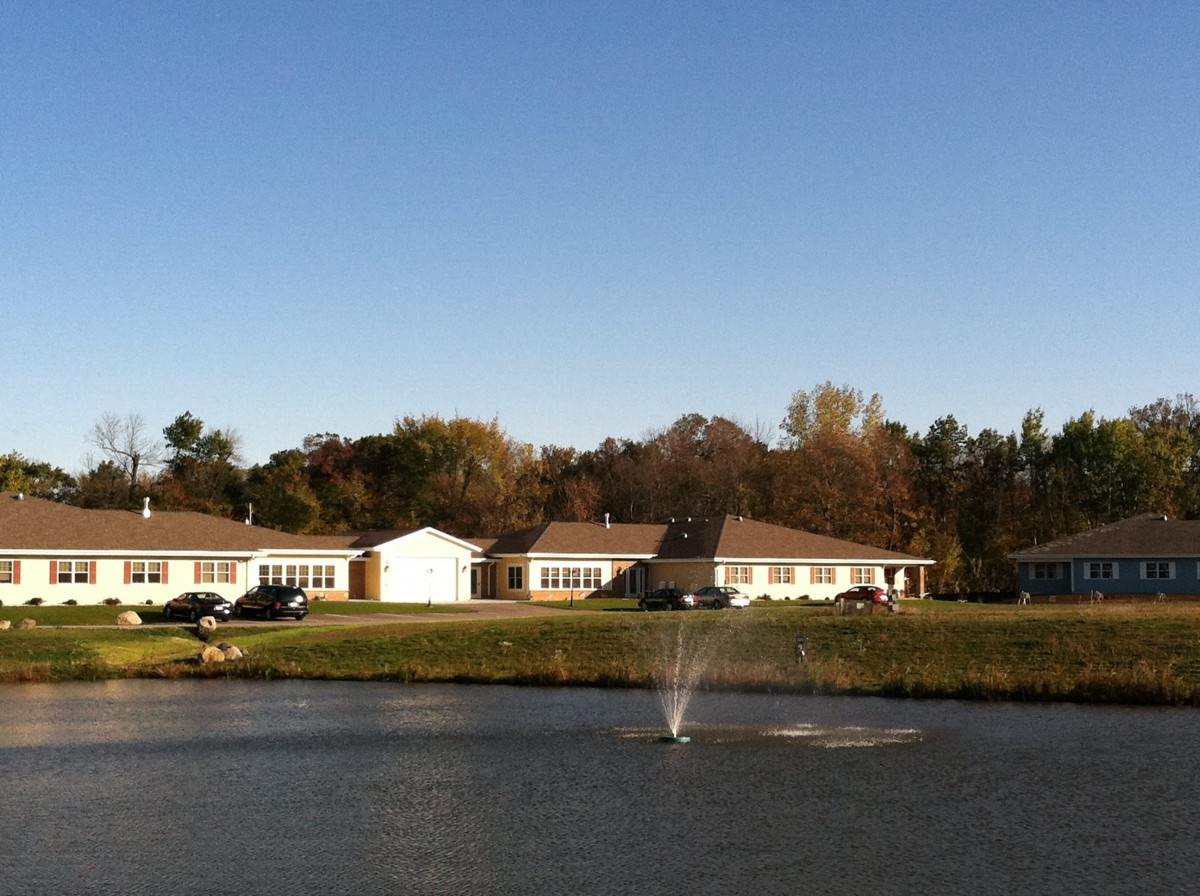
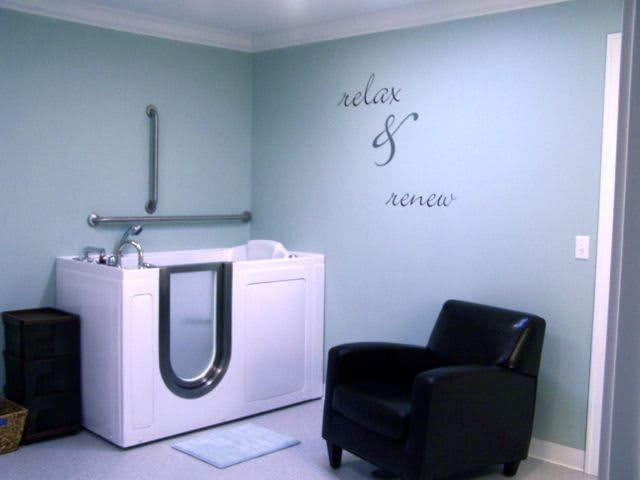
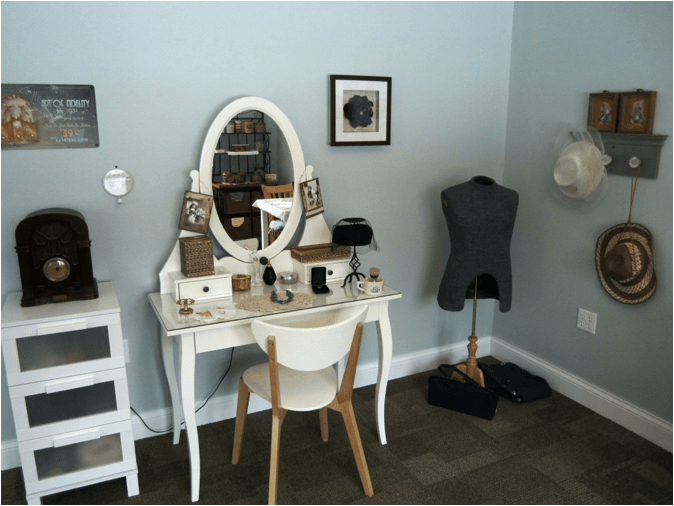
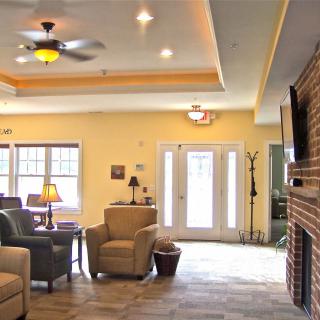
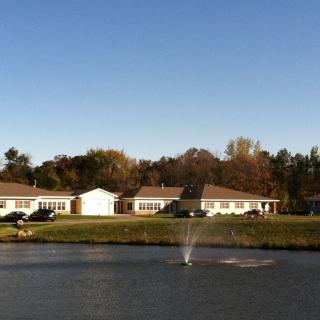
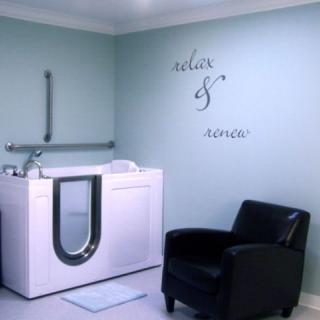
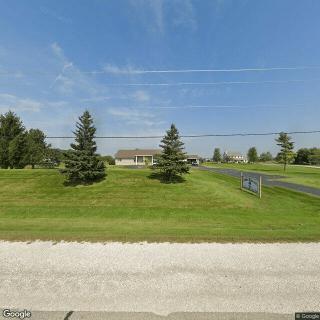
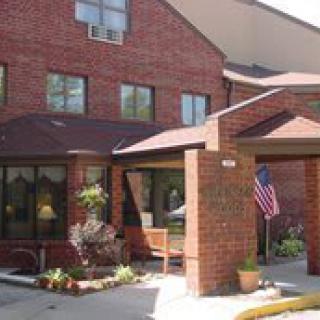
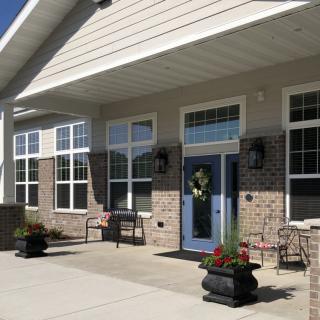
Maplewood Cottage on seniors.fyi includes 8 photos including images showing interior, decor, lighting, bathroom, dining, chandelier, lake, fountain, and more.
Nearby Communities
Rosewood Oakwood Cottage (Community Based Residential Facility)
Waterford, WI
3.4 from 29 reviews
Small, personalized memory-care community with dedicated staff and engaging activities.
Rosewood Cottage
Waterford, WI
3.3 from 27 reviews
$4,200 / month
Memory care with dementia support and private suites.
Fields of Waterford
Waterford, WI
5 from 3 reviews
$995 to $1,545 / month
Very affordable pricing compared to local averages (1BR $995, 2BR $1,545).
Rausch Family Care Home
Waterford, WI
3.3 from 27 reviews
Personalized care with 24-hour supervision and comprehensive ADL support.
Long Lake House
Wind Lake, WI
3 from 4 reviews
Comprehensive care with daily activities and transportation to medical appointments.
Rolling Meadows (Community Based Residential Facility)
Wind Lake, WI
2.6 from 5 reviews
Small, personalized setting with 24/7 supervision and memory care programming.
Waterford Senior Living
Waterford, WI
4.8 from 61 reviews
$4,050 to $5,450 / month
Attentive staff and a clean, activity-rich community.
Woodview Senior Apartments
Muskegon, WI
5 from 7 reviews
$725 to $850 / month
Friendly, patient local residents create a welcoming, cozy community.
Regency Muskego
Muskego, WI
4.3 from 38 reviews
$1,400 to $1,740 / month
Attentive staff, spacious open-concept apartments, and a wide range of on-site activities and dining options.
Assisted living communities offer diverse activities beyond traditional games to enhance seniors' physical health, cognitive well-being, emotional enrichment, and social connections, including fitness classes, creative expression, and intergenerational interactions. These enriching programs foster community bonds and support residents' independence and happiness.
The article differentiates between assisted living and memory care, explaining that assisted living supports seniors with daily activities while promoting independence, whereas memory care provides specialized services for individuals with dementia, focusing on secure environments and cognitive support. It also addresses staff training, safety considerations, costs, family involvement, and transition strategies for families navigating these care options.
Family caregivers face emotional, legal, and practical challenges when elderly parents refuse assisted living, often due to fears of losing autonomy. Open conversations and professional assessments can help address these concerns while exploring alternatives and ensuring safety, potentially leading to legal guardianship if necessary.
Kitchen, Appliances, Refrigerator, and Pendant Lights
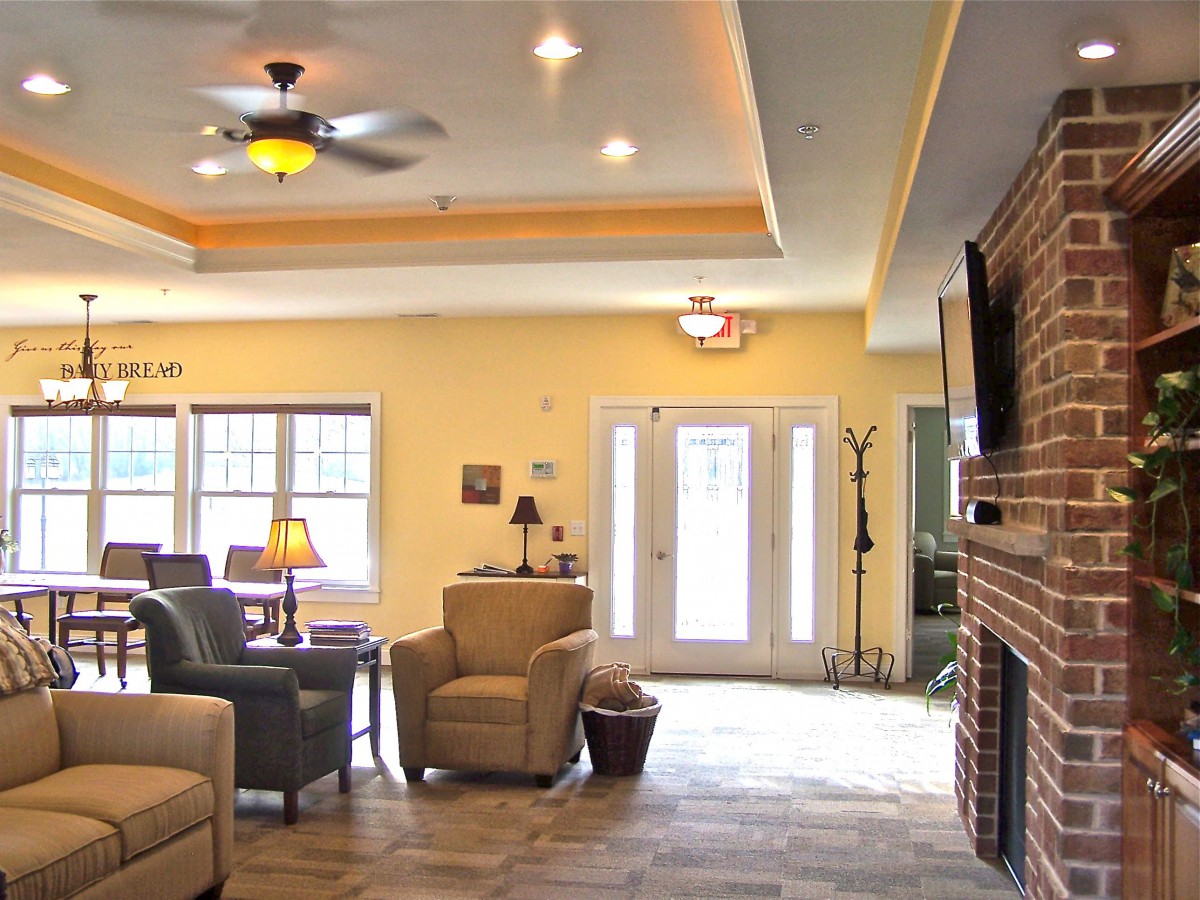
Lighting
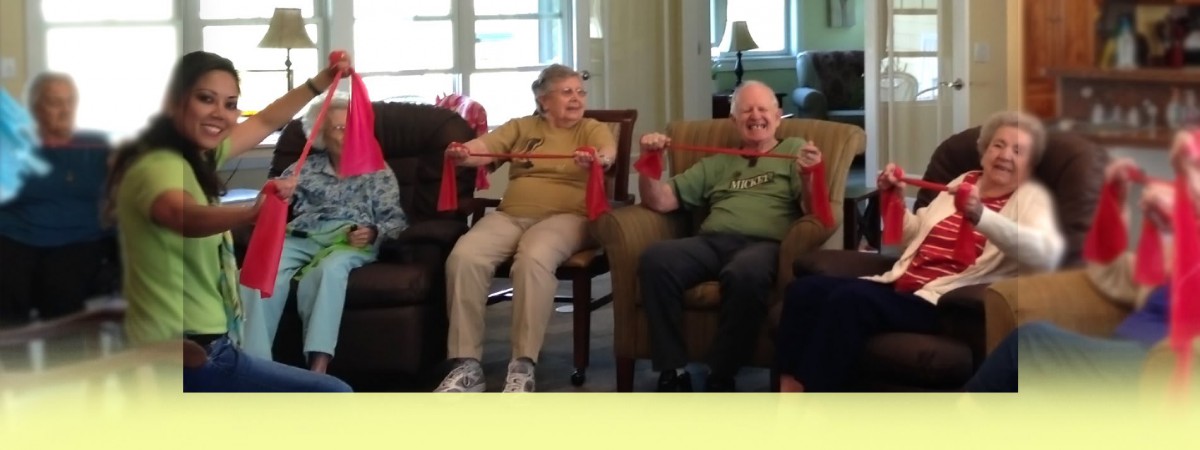
Exercise
Get PricingAsk A QuestionSchedule A TourContact Senior Advisor
By clicking submit, you agree to our Partner's Terms of Use. You
also consent to receive calls and texts, which may be autodialed, from our Partner. Your consent is not a condition to
using our Partner's service. Please visit our Partner's Privacy Policy for information about their privacy practices.





 Assisted Living
 Activities on-site
 Bath tubs
 Beautician on-site
 Devotional services off-site
 Indoor common areas
 Outdoor common areas
 Respite or short term stays offered
 Wheelchair accessible showers
 General Mitchell International (17 miles away)
 Diabetic care
 Incontinence care
 Medication management
 Guest meals
 Art classes
 Catholic services
 Gardening club
 Live dance or theater performances
 Live musical performances
 Trivia games
 Wii bowling
 Small, personalized memory-care community with dedicated staff and engaging activities.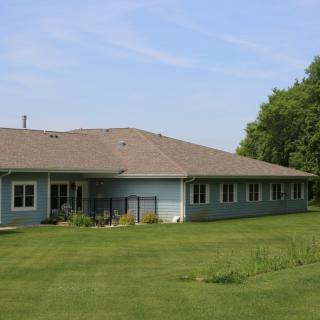
 Beyond the Bingo Hall: 50+ Enriching Activities for Seniors in Assisted Living
 Understanding the Distinctions: Assisted Living and Memory Care Explained
 Guiding Elderly Parents Who Refuse Assisted Living: 6 Practical Steps