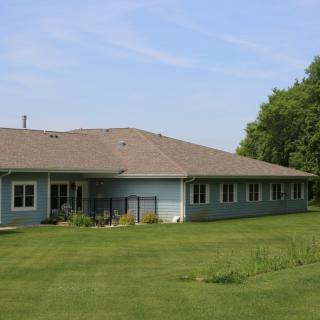
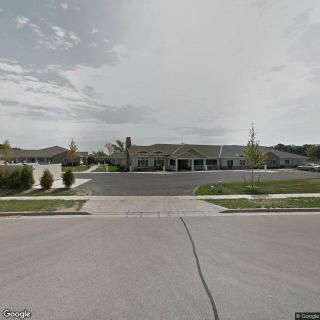
Rolling Meadows (Community Based Residential Facility) in Wind Lake, WI

Information last verified:

8212 Racine Avenue, Wind Lake, WI 53185

For more information about senior living options: (844) 490-3973

3.7 from 3 reviews
5 stars
2
4 stars
0
3 stars
0
2 stars
0
1 stars
1

Overall Review of Rolling Meadows (Community Based Residential Facility)

Pros

  • pro The staff at Rolling Meadows showed kindness and love to Carol and her husband Lary throughout treatment and up to her death.
  • pro The facility provides a comforting and safe environment for residents and their loved ones.
  • pro The Rolling Meadows staff are dedicated and clearly care for each resident.
  • pro The facility is beautiful, with very caring staff.
  • pro Residents are well cared for, the facility is clean, and the food is abundant and well prepared.

Review

Rolling Meadows in Wind Lake, Wisconsin, a Community Based Residential Facility, is best suited for aging adults who want a warm, home-like setting where caregivers know residents by name and daily routines unfold with practical, attentive support. It appeals most to families that value visible kindness, safety, and dependable day-to-day care over expansive hospital-level services. The facility is praised for a clean, welcoming environment and meals that are described as abundant and well prepared, with staff who demonstrate genuine care in their interactions. That combination, clean surroundings, solid nutrition, and a caregiving ethos, delivers real everyday stability for someone who fears feeling lost in a larger system. Yet this setting is inherently intimate; it excels when continuity of staff and personal attention are present, and it may fall short for residents who need extensive on-site medical management or broad, campus-style programming. Taken together, Rolling Meadows offers a compelling fit for a specific senior who prioritizes warmth, reliability, and a manageable footprint.

Who may want to consider alternatives is clear: those with substantial medical complexity or who require around-the-clock clinical oversight may find the smaller, CB-RF model insufficient. If 24/7 on-site nursing, memory-care-specific security, or a wide array of on-site therapies and activities are non-negotiable, a larger assisted living community or a dedicated memory-care facility will likely serve better. The format of a community-based residential facility often means relying on external providers for medical needs, with fewer on-site specialists on busy shifts. A single low-rating voice among the three reviews signals the possibility of inconsistencies in responsiveness or experience, so potential residents should probe carefully: how quickly call bells are answered, how care plans are updated, and how emergencies are handled when staff numbers dip. For families seeking a robust clinical network and a broad activity slate, alternatives with more scale and resources deserve close consideration.

On the upside, the strongest pro here is the evident care culture. The staff’s warmth translates into residents who appear well tended and engaged, and the facility’s cleanliness reinforces a sense of safety and pride. The meals are not an afterthought but a well-regarded daily feature, described as plentiful and well prepared, which supports nutrition, mood, and overall well-being. In a smaller setting, caregivers can tailor routines to individual preferences and respond quickly to concerns, a dynamic that often translates into steadier mood, reduced anxiety, and stronger trust between residents and caregivers. The intimate scale also means families can observe day-to-day operations more easily and feel confident about who is guiding care. Taken together, these strengths create a durable platform of comfort and reliability that can offset some limits in programming or clinical depth, provided the resident’s needs remain within the facility’s capacity to coordinate care with outside providers.

The main drawbacks lie in the limits that come with a smaller, CB-RF footprint. Fewer on-site therapy options, less breadth in activity programming, and potentially lighter staffing redundancy across shifts can translate into slower responses or gaps when medical or safety needs arise. The lack of extensive on-site medical resources means coordination with external clinicians must be seamless, and any hiccup in that coordination can affect timeliness and consistency of care. The presence of a low rating among the reviews, while not fully explained, reinforces the need for careful vetting of how Rolling Meadows handles issues such as response times, pressure on staff during peak hours, and the continuity of care across different shifts. Prospective residents should demand transparent information about staffing ratios, nurse coverage, dementia-related training, fall-prevention protocols, and emergency transfer procedures to hospital partners, ensuring the setting can meet evolving needs without compromising safety.

To evaluate Rolling Meadows effectively, pursue a disciplined decision process. Schedule a focused tour and watch for respectful, named interactions between staff and residents, noting whether assistance is prompt and delivered with dignity. Ask the administrator to articulate staffing patterns by shift, the cadence of care-plan updates, and the exact process for medication administration and adjustments. Review a current activity calendar to gauge the breadth of engagement and request a sample menu to verify accommodations for dietary restrictions and preferences. Speak with several current residents and families about responsiveness and incident handling, and request copies of recent care plans and any quality assurance records to see how concerns are tracked and resolved. Finally, confirm licensing status and inquire about dementia-specific training, fall prevention measures, and relationships with local healthcare providers to ensure medical needs can be met without excessive delay.

In practical terms, Rolling Meadows is a strong match for seniors who prize a heartfelt, hands-on caregiving culture within a clean, comfortable home-like setting. It is less well suited for those who require intensive, on-site clinical oversight, broad, therapy-rich programming, or large-scale activity options. The positives, genuine staff warmth, attentiveness, and dependable daily routines, provide meaningful protection against loneliness and decline in everyday life. The caveat is that reliability and depth of medical support may vary by shift, so families should enter with a clear plan: verify current staffing levels, request recent care plans, review the activity calendar, and seek candid feedback from current residents. If Rolling Meadows remains a candidate, a brief trial stay or a well-defined observation period can reveal whether the daily experience aligns with the resident’s medical needs and personal preferences. The decision should hinge on a concrete match between the resident’s care requirements, desired independence, and the family’s tolerance for the facility’s scale and variability.

Features

Housing

  • 8 resident community capacity 8 resident community capacity

Types of Care

  • Assisted Living Assisted LivingAssisted living facilities provide crucial support and care for seniors who may need help with daily tasks such as medication management, bathing, and meal preparation. These communities offer a safe and comfortable environment where seniors can maintain their independence while receiving the assistance they need to thrive in their golden years.
  • Board and Care Home Board and Care HomeBoard and care homes provide a smaller, more intimate setting for seniors who require assistance with daily tasks but do not need the level of care offered by a nursing home. They offer personalized care, meals, and social activities in a homelike environment, ensuring that seniors receive individualized attention and support in their golden years.
  • Memory Care Memory CareMemory care is crucial for seniors as it provides specialized support and services for individuals with dementia or Alzheimer's disease. These programs offer a safe and secure environment where residents receive personalized care, cognitive stimulation, and help with daily activities. Memory care helps seniors maintain their independence, quality of life, and dignity while also providing peace of mind for their families.

Amenities

  • Cable or satellite TV Cable or satellite TVCable or satellite TV is important for seniors because it provides entertainment, news, and companionship, helping to combat loneliness and boredom. It also offers a wide range of programming options tailored to different interests and preferences.
  • Dining room Dining roomDining rooms are important for seniors as they provide a space for socialization, connection, and nutritious meals. They offer opportunities for residents to bond over shared meals, foster a sense of community, and promote healthy eating habits. Dining rooms also ensure that seniors have access to well-balanced meals tailored to their dietary needs and preferences.
  • Fully furnished Fully furnishedFully furnished senior living communities are important for seniors because they provide convenience, comfort, and a hassle-free moving experience. Seniors can easily settle into their new living space without the stress of having to buy and move furniture. This allows them to focus on enjoying their new home and community.
  • Garden GardenGardens are important for seniors as they provide a peaceful and therapeutic environment for relaxation, physical activity, and socialization. Being in nature has been shown to reduce stress, improve mood, and promote overall well-being. Gardens also offer opportunities for seniors to engage in gardening activities, which can improve mobility, flexibility, and cognitive function. Additionally, gardens create a sense of community and connection with others who share a passion for plants and outdoor spaces.
  • Housekeeping services Housekeeping servicesHousekeeping services are important for seniors because they help maintain a clean and safe living environment, promote independence, and reduce the risk of accidents or illnesses. Additionally, having assistance with household chores can alleviate physical strain and allow seniors to focus on other aspects of their well-being.
  • Move-in coordination Move-in coordinationMove-in coordination is important for seniors because it helps ease the transition into their new living environment. It ensures that all logistics, such as packing, organizing movers, and setting up utilities are taken care of, allowing seniors to focus on settling in and adjusting to their new home. Having a smooth move-in process can alleviate stress and anxiety, making the transition smoother and more enjoyable for seniors.
  • Outdoor space Outdoor spaceOutdoor spaces are important for seniors as they provide opportunities for physical activity, social interaction, exposure to natural light and fresh air, and a sense of connection to nature. Having access to outdoor spaces can improve overall well-being and quality of life for older adults living in senior communities.
  • Telephone TelephoneTelephones are important for seniors as they provide a lifeline for communication with loved ones, emergency services, and healthcare providers. They offer a sense of security and independence, enabling seniors to stay connected and access assistance when needed.
  • Wi-Fi/high-speed internet available Wi-Fi/high-speed internet availableWi-Fi/high-speed internet is important for seniors to stay connected with loved ones, access online resources, and participate in virtual activities to combat feelings of loneliness and isolation. It also allows them to easily manage healthcare needs, access entertainment, and engage in lifelong learning opportunities.

Transportation

  • General Mitchell International (15 miles away) General Mitchell International (15 miles away)

Care Services

  • 24-hour supervision 24-hour supervision24-hour supervision is important for seniors to ensure their safety, well-being, and access to immediate assistance in case of emergencies or health issues. This constant support provides peace of mind for both seniors and their loved ones, allowing them to age in place with dignity and security.
  • Activities of daily living assistance Activities of daily living assistanceActivities of daily living assistance are important for seniors because they provide essential support with tasks such as eating, bathing, dressing, and mobility. This assistance helps seniors maintain their independence, dignity, and overall quality of life as they age.
  • Assistance with bathing Assistance with bathingAssistance with bathing is crucial for seniors as it helps maintain personal hygiene, prevents infections, and ensures their overall well-being and comfort. It also provides a sense of dignity and independence for seniors who may struggle with this task on their own.
  • Assistance with dressing Assistance with dressingAssistance with dressing is important for seniors because it helps maintain their independence, promotes personal hygiene, prevents accidents and injuries, and improves overall quality of life. This service ensures that seniors can continue to dress comfortably and confidently, despite any physical limitations they may have.
  • Assistance with transfers Assistance with transfersAssistance with transfers is crucial for seniors as it helps prevent falls and injuries, maintains their independence, and ensures they can safely navigate their living environment. It also provides peace of mind for both seniors and their loved ones.
  • Coordination with health care providers Coordination with health care providersCoordination with health care providers is crucial for seniors to ensure proper medical care, medication management, and overall well-being. This collaboration helps prevent overlapping treatments, track progress more effectively, and provide comprehensive support tailored to individual needs.
  • Dementia waiver Dementia waiverDementia waivers are essential for seniors as they provide critical protections and accommodations for those experiencing cognitive decline. These waivers ensure individuals with dementia receive appropriate care, support, and resources to maintain their quality of life and dignity as they navigate the challenges of this progressive condition.
  • Diabetes diet Diabetes dietA diabetes diet is crucial for seniors as it helps manage blood sugar levels, reduce risks of complications, and improve overall health and well-being. By following a balanced and nutritious diet tailored to their specific needs, seniors can better control their diabetes and enhance their quality of life.
  • Hospice waiver Hospice waiverHospice waivers are important for seniors because they allow individuals to receive specialized end-of-life care and support at home or in a hospice facility. This waiver ensures that seniors can access the necessary resources and services to maintain comfort and dignity during their final days.
  • Meal preparation and service Meal preparation and serviceMeal preparation and service are crucial for seniors as they may have limited mobility or energy to cook nutritious meals. Having access to healthy and convenient food options can ensure they are getting the proper nutrition needed to maintain their overall health and well-being.
  • Medication management Medication managementMedication management is crucial for seniors to ensure they are taking the right medications at the correct dosages and times. This helps prevent adverse drug interactions, reduces the risk of medication errors, and promotes overall health and well-being. Proactive management also allows for adjustments as needed based on changing health conditions or new prescriptions.
  • Mental wellness program Mental wellness programMental wellness programs are essential for seniors as they promote cognitive stimulation, emotional support, and social engagement. These programs help prevent isolation, depression, and cognitive decline, ultimately enhancing the overall quality of life for older adults.
  • Mild cognitive impairment Mild cognitive impairment"Mild cognitive impairment" is important for seniors because it is an early stage of cognitive decline that can potentially progress to more severe conditions such as dementia. Recognizing and addressing mild cognitive impairment can help seniors receive appropriate care and support to maintain their quality of life and independence for as long as possible.
  • Special dietary restrictions Special dietary restrictionsSpecial dietary restrictions are important for seniors because age-related changes in metabolism and health conditions can make it difficult for their bodies to process certain foods. By following a diet tailored to their specific needs, seniors can maintain their overall health and well-being, manage chronic conditions, and reduce the risk of complications such as malnutrition or food interactions with medications.
  • Specialized memory care programming Specialized memory care programmingSpecialized memory care programming is crucial for seniors with cognitive impairments such as dementia or Alzheimer's disease. These programs provide a safe and supportive environment tailored to the unique needs of individuals with memory loss, helping them maintain their independence, dignity, and quality of life.
  • Transportation arrangement (medical) Transportation arrangement (medical)Transportation arrangements for medical purposes are essential for seniors as they may have difficulty driving themselves to appointments or accessing public transportation. Having reliable and safe transportation options ensures that seniors can receive timely medical care and maintain their health and well-being.
  • Transportation to doctors appointments Transportation to doctors appointmentsTransportation to doctors' appointments is crucial for seniors as it ensures they have access to necessary medical care and support for their health needs. Without reliable transportation, seniors may struggle to attend important appointments, leading to potential delays in treatment and health complications. Providing transportation services helps seniors maintain their overall well-being and quality of life.

Dining

  • Diabetes diet Diabetes dietA diabetes diet is crucial for seniors as it helps manage blood sugar levels, reduce risks of complications, and improve overall health and well-being. By following a balanced and nutritious diet tailored to their specific needs, seniors can better control their diabetes and enhance their quality of life.
  • Special dietary restrictions Special dietary restrictionsSpecial dietary restrictions are important for seniors because age-related changes in metabolism and health conditions can make it difficult for their bodies to process certain foods. By following a diet tailored to their specific needs, seniors can maintain their overall health and well-being, manage chronic conditions, and reduce the risk of complications such as malnutrition or food interactions with medications.

Activities

  • Community-sponsored activities Community-sponsored activitiesCommunity-sponsored activities are important for seniors as they provide opportunities for social interaction, mental stimulation, and physical activity. These activities can help improve overall well-being, combat loneliness and isolation, and promote a sense of belonging and purpose among older adults.
  • Scheduled daily activities Scheduled daily activitiesScheduled daily activities are important for seniors because they provide structure, socialization, mental stimulation, and physical activity. Engaging in regular activities can improve overall well-being and quality of life for seniors living in a community setting.

Description

Rolling Meadows is a community-based residential facility located in the peaceful Wind Lake area of Wisconsin. We specialize in providing exceptional care for seniors who require assistance with daily living activities, as well as individuals with memory care needs.

Our residents enjoy a comfortable and fully furnished living environment, complete with a dining room where nutritious meals are served. Our dedicated housekeeping staff ensures that the common areas and individual rooms are clean and well-maintained at all times.

We understand that moving can be a daunting task, which is why our team provides move-in coordination to make the transition as smooth as possible for our residents and their families. Our outdoor spaces offer beautiful gardens where residents can relax and enjoy nature.

To keep our residents connected, we provide telephone services as well as Wi-Fi/high-speed internet access throughout the facility.

Our highly trained caregivers are available to offer assistance with activities of daily living such as bathing, dressing, and transfers. We also coordinate with healthcare providers to ensure that all medical needs are met properly. For individuals with dementia or mild cognitive impairment, we offer specialized memory care programming to promote cognitive wellness.

At Rolling Meadows, we understand the importance of good nutrition in maintaining health. That's why we cater to special dietary restrictions such as diabetes diets and provide meal preparation and service.

Medication management is another crucial aspect of our care services, ensuring that our residents receive their medications on time and in the correct dosage. We also have a mental wellness program in place to address any emotional or psychological needs.

For transportation needs, we arrange medical transportation for appointments and provide transportation services to doctors' appointments.

In terms of amenities nearby, there are four pharmacies conveniently located in close proximity to Rolling Meadows, ensuring easy access to medications. Additionally, there is one physician's office nearby for regular check-ups and consultations. For dining options outside of the facility, there are four restaurants in the vicinity where residents can enjoy delicious meals when desired.

At Rolling Meadows, we strive to provide a nurturing and engaging environment for our residents. With scheduled daily activities, we encourage socialization and mental stimulation to enhance overall well-being. We are proud to offer comprehensive care and support in a safe and welcoming community setting.

Nearby Places of Interest

Restaurants

  • Papa Stache (3.7 miles)
  • Crossover Cantina & Eatery (4.1 miles)
  • Culver's (4.7 miles)
  • McDonald's (4.8 miles)
  • McDonald's (5 miles)
  • Doc's on the Fox (5.2 miles)
  • Pack N Brew (5.2 miles)

Pharmacies

  • Walgreens (4.7 miles)
  • H2O Health Solutions (4.8 miles)
  • Pharmacy Station (4.8 miles)
  • Aurora Pharmacy (4.9 miles)
  • Walgreens (5.1 miles)
  • Walgreens (6.3 miles)
  • Walgreens (7.2 miles)

Physicians

  • Aurora Health Center (4.9 miles)
  • Eye Care Center of Waterford (5.1 miles)
  • Lakeshore Medical Clinic (5.6 miles)
  • Pro Health Care (6.5 miles)
  • Forefront Dermatology Franklin, WI (6.6 miles)
  • Southeastern Pediatrics & Adolescent Medicine (6.7 miles)
  • Neurosurgery and Endovascular Associates of Milwaukee, S.C. (6.7 miles)

Places of Worship

  • St Leonard Catholic Church & School Muskego (5.1 miles)
  • English Settlement United Methodist Church (8.3 miles)
  • St Stephen's Catholic Church (11.5 miles)

Cafes

  • Cafe 36 (5.1 miles)
  • Vintage Grounds (5.6 miles)
  • Starbucks (6.5 miles)
  • The Gingerbread House (7.1 miles)
  • Starbucks Mukwonago (8.5 miles)
  • Panera Bread (8.9 miles)
  • Starbucks (9.3 miles)

Parks

  • Idle Isle Park (6.4 miles)
  • Schmidt Park (7.3 miles)
  • Rivers Crossing Park (10.8 miles)
  • Fischer County Park (11.2 miles)
  • The Big Backyard (11.3 miles)

Hospitals

  • Lakeview Specialty Hospital & Rehabilitation Center (6.5 miles)
  • D N Greenwald Center (7.9 miles)
  • Linden Grove (8.7 miles)
  • Eagle's Wing Free Clinic (9.3 miles)

Theaters

  • Ridge Cinema New Berlin, Wi (8.5 miles)

Frequently Asked Questions

Where is Rolling Meadows (Community Based Residential Facility)?
Does Rolling Meadows (Community Based Residential Facility) provide care for residents with dementia or Alzheimer's disease?

Nearby Communities

  • Long Lake House

    Long Lake House

    Wind Lake, WI

    3.7 from 3 reviews
     

    pro Comprehensive care with daily activities and transportation to medical appointments.

  • Fields of Waterford

    Fields of Waterford

    Waterford, WI

    5 from 3 reviews
    $995 to $1,545 / month

    pro Very affordable pricing compared to local averages (1BR $995, 2BR $1,545).

  • Rosewood Oakwood Cottage (Community Based Residential Facility)

    Rosewood Oakwood Cottage (Community Based Residential Facility)

    Waterford, WI

    3.3 from 28 reviews
     

    pro Small, personalized memory-care community with dedicated staff and engaging activities.

  • Rosewood Cottage

    Rosewood Cottage

    Waterford, WI

    3.3 from 27 reviews
    $4,200 / month

    pro Memory care with dementia support and private suites.

  • Maplewood Cottage

    Maplewood Cottage

    Waterford, WI

    3.9 from 51 reviews
    $4,200 / month

    pro Compassionate, personalized care in a secure, family-friendly setting.

  • Rausch Family Care Home

    Rausch Family Care Home

    Waterford, WI

    3.3 from 27 reviews
     

    pro Personalized care with 24-hour supervision and comprehensive ADL support.

  • Woodview Senior Apartments

    Woodview Senior Apartments

    Muskegon, WI

    5 from 7 reviews
    $725 to $850 / month

    pro Friendly, patient local residents create a welcoming, cozy community.

  • Regency Muskego

    Regency Muskego

    Muskego, WI

    4.3 from 38 reviews
    $1,400 to $1,740 / month

    pro Attentive staff, spacious open-concept apartments, and a wide range of on-site activities and dining options.

  • Waterford Senior Living

    Waterford Senior Living

    Waterford, WI

    4.8 from 60 reviews
    $4,050 to $5,450 / month

    pro Attentive staff and a clean, activity-rich community.

Related Resources

  • assisted living vs memory careAssisted Living and Memory Care: Understanding Their Core Differences

    Assisted living provides moderate support for seniors seeking independence, while memory care offers specialized support for individuals with dementia or cognitive impairments through structured routines and trained staff. Key differences include care approaches, environment security measures, staff training levels, activity types, and cost considerations.

  • assisted living vs nursing homeChoosing the Right Senior Care: A Detailed Exploration of Assisted Living and Nursing Homes

    Choosing between assisted living and nursing homes involves evaluating emotional and financial factors, with assisted living offering independence and support for daily activities at a lower cost, while nursing homes provide intensive medical care for individuals with significant health needs. The decision is influenced by personal preferences, health status, cognitive function, and varying Medicaid coverage across states.

  • how to prevent memory loss in old ageSafeguarding Your Memory Through the Golden Years: Eight Ways to Preserve Cognitive Health

    The article presents eight strategies for preserving cognitive health and memory in older adults, emphasizing a nutrient-rich diet, regular exercise, intellectually stimulating activities, adequate sleep, social connections, stress management techniques, limiting harmful substances, and regular medical checkups to mitigate age-related memory decline.