
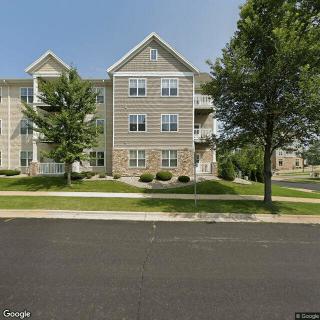
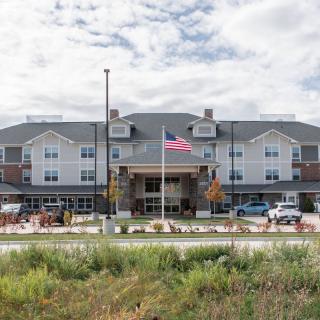
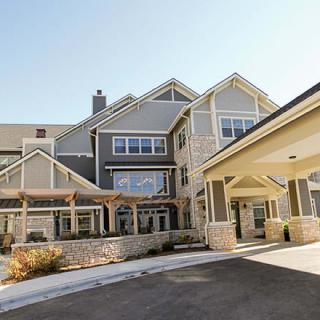
7246 Valley View Road, Verona, WI 53593
For more information about senior living options: (866) 208-4318
Overall Review of Lus Family Home 2
Pros
 Sonrisas is a warm and caring place where compassion and professionalism are evident in every interaction.
- The team takes the time to know each resident and provides personalized, attentive care.
- Families feel at ease knowing their loved ones are well cared for by dedicated staff.
- The staff are approachable, respectful, and consistently address concerns with kindness.
- Residents receive truly dedicated care with open communication and family-style support.
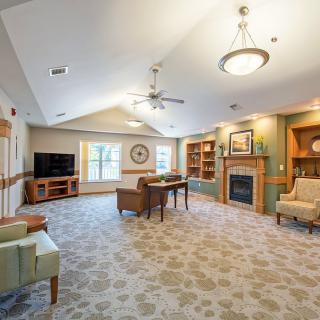
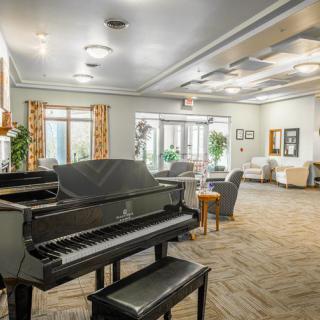
- The facility is clean, home-like, and enhanced by a garden and on-site, fresh meals.
- Activities are engaging, with staff involving the community to enrich residents’ lives.
- Management and staff treat everyone like family, personalizing care while coordinating with outside caregivers when needed.
Cons
 One reviewer warns the facility may put loved ones in harm's way, citing abuse and a cover-up, and describes the owner as racist and having Alzheimer's, concluding that loved ones should not be sent there.
Review
Lus Family Home 2 in Verona, WI is best suited for families seeking a warm, home-like assisted living where care feels deeply personal and residents are treated like members of a extended family. The reviews consistently describe a small, caregiver-focused setting with a strong 24/7 presence, typically around a 1:4 staff-to-resident ratio, and a memory-care approach that emphasizes familiar routines, genuine interaction, and individualized attention. For families who want on-site ownership involvement, open communication, and activities that feel like living at home rather than in a clinical facility, this community stands out as a principled, hands-on option.
Those who may want to consider alternatives are families with higher medical or nursing acuity needs or those seeking a larger, more traditional campus with formal clinical oversight and a broader menu of on-site services. The intimate, home-based model can feel limited for residents requiring intensive skilled nursing, complex wound care, or highly structured rehabilitation programs. Additionally, while the collective voice of the reviews is overwhelmingly positive, a single serious negative report raises a red flag and warrants careful scrutiny: accusations of abuse and racism by an owner, raised by an ex-employee, suggest the importance of thorough on-site assessment, licensing checks, and corroboration from multiple sources before making a final commitment.
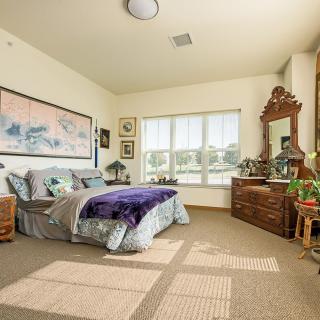
The strong pros in the reviews largely offset potential concerns when approached with due diligence. The care culture is repeatedly described as compassionate, patient, and attentive, with staff who know residents well and can tailor care to fluctuating needs, especially on memory-care dynamics. Family members repeatedly note ease of communication, transparency about daily life and health status, and prompt responsiveness to concerns. The owner’s apparent hands-on involvement, along with a community that prioritizes personalized care plans, meaningful activities, and emotional support, helps families feel reassured during transitions for aging parents or relatives with memory issues. On-site meals, a home-cooked atmosphere, a garden or outdoor spaces, and flexible accommodations for personal items reinforce the sense of a comfortable, domestic environment rather than a sterile facility.
Yet the main cons are not negligible. The most explicit caveat is the existence of a negative one-star review alleging abuse and racist behavior by the owner, raised by an employee. Such claims cannot be dismissed, even if they appear to be isolated within a larger body of positive experiences. For families considering this community, this means initiating a rigorous vetting process: personally visit during a typical day, observe interactions across shifts, request references from multiple families, review licensing and any compliance histories with the state, and specifically probe into safeguarding policies, staff training, and how concerns are escalated and resolved. A transparent explanation from management and concrete evidence of safety practices are essential before drawing conclusions.
For families ready to move forward, a practical decision framework helps guarantee alignment with goals and risk tolerance. Schedule a firsthand visit to meet the caregiver team and, where possible, spend time with current residents to gauge the daily cadence, activity offerings, and the warmth of interpersonal connections. Ask for current care plans, how memory-care needs are addressed, and how Hospice or external caregivers are integrated into the routine. Request a copy of licensing status, recent inspection outcomes, and any formal complaints. Seek candid answers about vacation relief, consistency of staffing, and contingency plans if key caregivers are unavailable. The right fit emerges when comfort with the care philosophy intersects with a clear understanding of safety protocols and governance.
In the end, Lus Family Home 2 presents a compelling option for families prioritizing warmth, intimate care, and family-style living, especially for residents who benefit from a small, engaged team and memory-care friendliness. The community’s advantages, personalized attention, open lines of communication, caregiver dedication, and homelike daily life, often outweigh the benefits of larger, more clinical alternatives. However, the decisive choice hinges on the ability to verify safety, address serious concerns raised in a lone negative account, and confirm that the setting can consistently meet the resident’s evolving medical and social needs. When those assurances are secured, this Verona option stands out as a principled, practical path for a cherished loved one.
 4 resident community capacity
 Assisted Living
 Cable or satellite TV
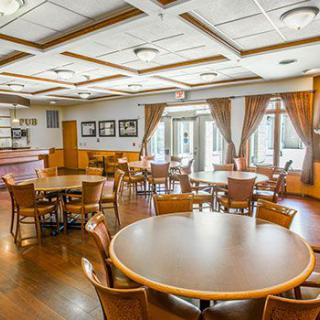
 Dining room
 Fully furnished
 Garden
 Housekeeping services
 Move-in coordination
 Outdoor space
 Telephone
 Wi-Fi/high-speed internet available
 Dane County Regional (13 miles away)
 24-hour supervision
 Activities of daily living assistance
 Assistance with bathing
 Assistance with dressing
 Assistance with transfers
 Diabetes diet
 Meal preparation and service
 Medication management
 Special dietary restrictions
 Transportation arrangement (medical)
 Transportation to doctors appointments

 Assisted Living Expenses and Long-Term Care Insurance: A Comprehensive Exploration
 Securing Financial Support for Assisted Living: A Comprehensive Overview
 Social Security Benefits and Assisted Living: Navigating Options Across the U.S.