
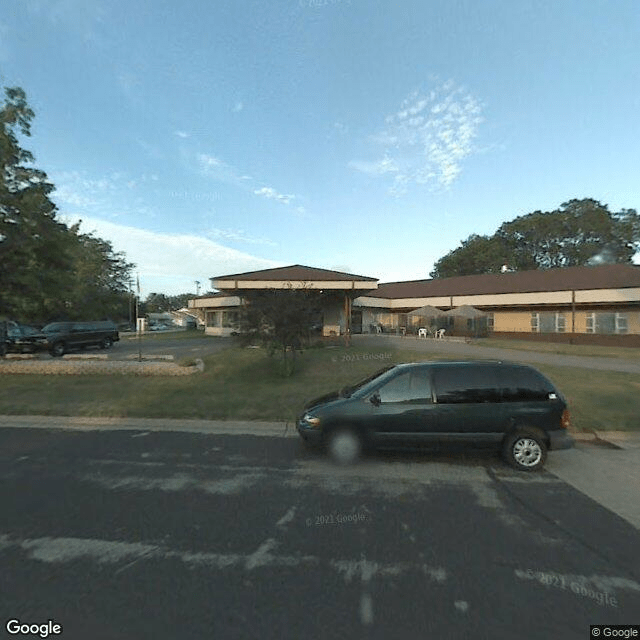
309 Schweitzer Drive, Verona, WI 53593
For more information about senior living options: (866) 208-4318
Four Winds Lodge Costs & Pricing
Four Winds Lodge offers competitive pricing for its accommodations when compared to the broader market in both Dane County and statewide Wisconsin. For a studio, residents can expect to pay $3,420 per month, which presents a notable savings of nearly $1,000 compared to the average county cost of $4,418 and is also slightly lower than the state average of $3,999. Similarly, the lodge's one-bedroom units are priced at $4,050 per month. While this is higher than Dane County's average of $4,101, it remains significantly more affordable than Wisconsin's state average of $3,412. Overall, Four Winds Lodge stands out as a cost-effective choice for individuals seeking quality living arrangements within the region.
| Floor plans | Four Winds Lodge | Dane County | Wisconsin |
|---|---|---|---|
| Studio | $3,420 | $4,418 | $3,999 |
| 1 Bedroom | $4,050 | $4,101 | $3,412 |
Assisted Living communities with a similar price nearby
-
from +$130 / mo
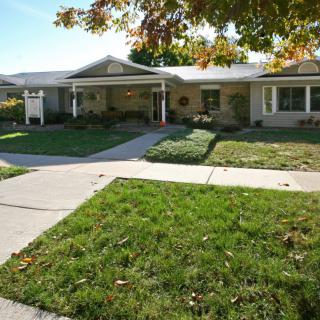
Our House Senior Living Assisted Care - Lodi
$3,550 / month22.6 miles away -
from +$480 / mo

Kettle Park Senior Living
$3,900 to $4,820 / month16.4 miles away -
from -$425 / mo
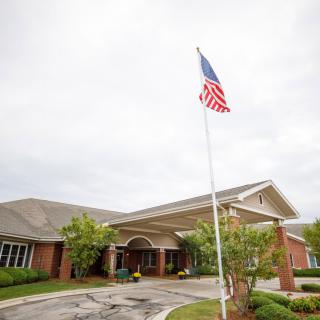
Parkside Assisted Living
$2,995 to $3,400 / month18.8 miles away -
from +$380 / mo
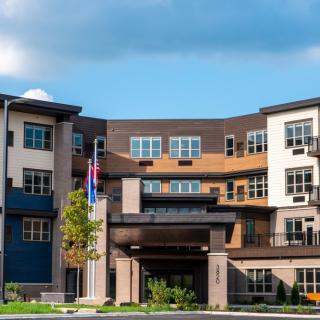
Cardinal View Senior Living
$3,800 to $5,000 / month8.8 miles away -
About the same
Hyland Park of Sun Prairie
$3,445 to $4,365 / month21.1 miles away
Overall Review of Four Winds Lodge
Pros
 The staff provide great care.
- The staff were very friendly and his grandfather loved them.
- Four Winds is amazing, with a care and therapy team that helped him return home.
- It is an excellent place with caring ownership.
- The staff are kind and take good care of residents.
- Jim and Lisa are amazing and go above and beyond to make residents' stays comfortable.
- The meals provide a wide variety that residents enjoy.
- The facility is locally owned and committed to the community.
Cons
 The facility neglected basic needs like proper hygiene, even though it charged almost $15,000 a month.
- The grandmother developed multiple UTIs due to poor incontinence care, and the response was delayed enough to progress to sepsis.
- This level of negligence was unacceptable; families expect compassionate, competent care, but what they received was not.
- The facility was dingy and depressing, with no receptionist on weekends, no answering machine, and little information available.
- The stay was a complete disaster with terrible service and staff who did not seem to know what the next person was doing, plus dirty, disgusting, greasy food.
- Some staff were lazy, with little training or accountability, and new aides were left to work on their own on their first days.
Review
Four Winds Lodge in Verona, WI is best suited for families whose primary concern is a solid rehabilitation track record delivered in a locally owned, caregiver-focused setting. For residents recovering from a fall, hip, or knee procedure, the facility’s therapy team and supportive aides can produce meaningful progress and a clear pathway back to home life. The atmosphere described as warm, relational, and hands-on appeals to families who want familiar faces and steady staff involvement during a short-term stay. When recovery momentum and personable, accessible leadership matter most, Four Winds often delivers.
Those weighing alternatives should consider long-term daily-care reliability and predictable operations. Several accounts highlight gaps that become risk factors for ongoing residents: weekend coverage gaps, perceived gaps in basic hygiene, and concerns about how care tasks are coordinated and handed off among staff. With a monthly cost that can near $15,000, affordability and value become central questions for families evaluating whether this is a long-term residence rather than a finite rehab episode. For anyone prioritizing consistently proactive daily nursing oversight and meticulous housekeeping, other communities may present a more stable baseline.
The strongest positives, effective rehab, genuine staff warmth, and a sense of local ownership, can meaningfully offset some friction when a stay centers on recovery. Families repeatedly praise the therapy team for promoting progress and the staff’s willingness to go the extra mile to make residents comfortable. The local ownership ethos and familiar caregivers contribute to a sense of continuity that benefits residents who respond well to relationship-based care. In the right context, these operational strengths turn Four Winds into a credible option for post-acute recovery and re-entry to home life.
However, the downsides cannot be dismissed, and they increasingly shape the risk calculus for prospective residents. Reports of delayed responses to infections and hygiene concerns, mixed quality in meals, and perceptions of uneven staff training point to potential lapses in daily oversight. The perception that some staff operate without a clear, consistent care plan, coupled with weekend gaps and limited frontline coordination, returns families to the question of whether long-term safety and routine are robust enough to sustain daily living without escalation of problems. These are not minor annoyances; they influence comfort, dignity, and medical risk over time.
For families evaluating options, practical steps matter more than glossy marketing. Insist on concrete staffing data: nurse-to-resident ratios during day and night, the presence and accessibility of a supervisor on weekends, and how care plans are communicated across shifts. Request a tour of the therapy gym and a discussion with the rehab team about typical timelines for common post-surgical goals. Probe housekeeping standards and meal quality by speaking with current residents during unstructured times. Review the admission contract for what is included in the price and what triggers additional charges, and ask for a transparent, written care plan that will be revisited weekly with family participation.
Ultimately, Four Winds Lodge offers a credible rehabilitation-centric option in a community that communicates care through personable staff and a hands-on ownership approach. For families prioritizing quick recovery, clear therapy pathways, and a personal touch, this facility can be a strong fit. But for those requiring unwavering daily hygiene, rigorous infection prevention, and flawless weekend coverage, the decision warrants caution and comparison with alternatives that demonstrate steadier daily operations and more transparent care coordination. In the end, the choice hinges on whether the emphasis is on successful rehab outcomes and relational care or on uncompromising reliability for ongoing, long-term daily needs.
 35 resident community capacity
 Assisted Living
 Cats allowed
 Dogs allowed
 Activities off-site
 Beautician on-site
 Cable or satellite TV
 Devotional services off-site
 Dining room
 Fully furnished
 Garden
 Housekeeping services
 Indoor common areas
 Kitchenette
 Move-in coordination
 Outdoor common areas
 Respite or short term stays offered
 Restaurant-style dining
 Small library
 Telephone
 Wheelchair accessible showers
 Wi-Fi/high-speed internet available
 Dane County Regional (14 miles away)
 24-hour call system
 Ambulatory care
 Assistance with bathing
 Assistance with dressing
 Assistance with transfers
 Diabetes diet
 Diabetic care
 High acuity care
 Incontinence care
 Medication management
 Mental wellness program
 Special dietary restrictions

 Exploring the Contrasts Between Assisted Living and Skilled Nursing
 8 Key Indicators That Suggest It May Be Time to Transition from Assisted Living to Skilled Nursing Care
 Vibrant Senior Living: A Comprehensive Guide for Active Older Adults