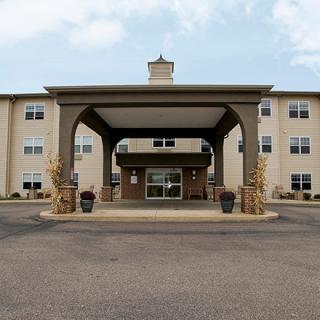
Ministry Behavioral Hlth/Res Treatment Center

201 Prentice Street North, Stevens Point, WI 54481

For more information about senior living options: (844) 490-3973

3.3 from 4 reviews
5 stars
1
4 stars
1
3 stars
1
2 stars
0
1 stars
1

Assisted Living

Overall Review of Ministry Behavioral Hlth/Res Treatment Center

Pros

  • pro The place was good.
  • pro The counselor and staff were great.
  • pro The facility could work within the reviewer's budget.

Cons

  • pro The facility is a joke.
  • pro The reviewer would have given zero stars if possible.
  • pro Loved ones are told they don't even need rehab at this place.
  • pro A deposit is collected and a four-day stay ends with a relapse.
  • pro There was a bogus discussion with an incompetent counselor over speakerphone.
  • pro The loved one relapsed immediately upon release.

Review

The account opens with a seemingly small, almost trivial detail that nonetheless sets the tone for a broader impression: the day-to-day atmosphere inside the facility felt unsettled by something as ordinary as snacks. One reviewer recalls a period when "someone kept eating all the gushers and string cheese right away," a small symbol of how routines and resources can feel chaotic or under- managed in a place that is supposed to be focused on recovery. That note sits at the front of a harsher verdict: if the reviewer could give zero stars, they would. The message is sharper than a mere complaint about snack theft - it's a marker of disillusionment with a program that, in their view, failed to deliver the care and seriousness they expected.

From there, the review turns toward a sequence of troubling claims about the program's approach to rehab and the honesty of the process. The reviewer warns prospective families: "If you send your loved one here, they will be told ?they don't even need rehab!'" The claim is vivid and alarming, suggesting a pattern of undervaluing or prematurely dismissing the need for treatment. Compounding that perception is the financial facet of the experience: a deposit is collected, and a four-day stay is described, followed by relapse after release. The sequence - short stay, a dismal assertion about the necessity of rehab, and a relapse soon after leaving - paints a picture of a system that some might interpret as coercive or inadequately attuned to genuine recovery needs.

The reviewer asserts a deeply personal stake in the outcome, insisting that their loved one "needed recovery more than anything" and that relapse occurred immediately upon release. They describe the coping mechanism of the staff's communication as "a bogus discussion with an incompetent counselor over speaker phone," a detail that emphasizes perceived flaws in the counseling quality and in how critical conversations are facilitated and shared. The language is strident and personal, underscoring a sense of betrayal or disappointment in a program that was meant to offer support and structure during a vulnerable period.

In contrast to this harsh experience, another voice emerges a bit louder in praise. This reviewer states, "Was there for 28 days. Great counselor and staff! Also they were able to work with in my financial budget." The shift from four days to nearly a full month suggests a different course, perhaps a different counselor, or simply a different encounter with the program's offerings. The emphasis here is on the competence and positive energy of the staff, particularly the counselor, and on the practical, comforting reality of affordability. The positive tone centers on professional warmth and a sense that the facility can be responsive to a client's financial constraints, making sustained engagement feasible.

Taken together, these two experiences illuminate a broad spectrum of possible outcomes within the same facility. One story reads like a cautionary tale about misalignment between a client's recovery needs and the program's delivery, marked by perceived dismissiveness, questionable counseling quality, and the troubling suggestion that rehab might not be deemed necessary at times. The other story reads like a testament to what can happen when a program lines up the right support, maintains clear, constructive communication, and accommodates the financial realities of those seeking help. The contrast isn't just about a single counselor or a single day; it signals that perceptions of effectiveness, the vibe of daily operations, and the integrity of the counseling process can vary widely from one experience to the next.

A larger takeaway from these memories is the fragile and highly personal nature of recovery journeys. For some, a patient, steady program with accessible pricing and a skilled counselor can make all the difference, offering structure, accountability, and real encouragement over weeks. For others, however, miscommunications, abrupt judgments about need for rehab, and interactions that feel rushed or impersonal can erode trust at exactly the moment when trust is most needed. The snacks on the one hand and the speaker-phone discussions on the other serve as a microcosm of the facility as a whole: everyday details matter, and the quality of the human connection - between staff and clients, and between families and the treatment process - can determine whether the path toward recovery is sustainable or stalls.

Ultimately, the narratives converge on a practical, sobering reality: experiences in this setting can diverge dramatically, depending on counseling quality, staff engagement, and the degree to which the program can be navigated financially. For prospective visitors or their loved ones, these stories emphasize the importance of asking pointed questions upfront - about counselor qualifications, about how rehab necessity is determined, about the continuity of care after discharge, and about the real, tangible supports available to keep someone engaged beyond a short stay. While one encounter may feel like a misstep or even a betrayal, another may reveal a responsive, compassionate team capable of guiding a person toward meaningful recovery with an affordable plan. The takeaway is not a single verdict, but a reminder to seek out multiple perspectives and to advocate for transparent, ongoing support that honors the seriousness of the recovery journey.

Features

Housing

  • 15 resident community capacity 15 resident community capacity

Types of Care

  • Assisted Living Assisted LivingAssisted living facilities provide crucial support and care for seniors who may need help with daily tasks such as medication management, bathing, and meal preparation. These communities offer a safe and comfortable environment where seniors can maintain their independence while receiving the assistance they need to thrive in their golden years.

Amenities

  • Cable or satellite TV Cable or satellite TVCable or satellite TV is important for seniors because it provides entertainment, news, and companionship, helping to combat loneliness and boredom. It also offers a wide range of programming options tailored to different interests and preferences.
  • Dining room Dining roomDining rooms are important for seniors as they provide a space for socialization, connection, and nutritious meals. They offer opportunities for residents to bond over shared meals, foster a sense of community, and promote healthy eating habits. Dining rooms also ensure that seniors have access to well-balanced meals tailored to their dietary needs and preferences.
  • Fully furnished Fully furnishedFully furnished senior living communities are important for seniors because they provide convenience, comfort, and a hassle-free moving experience. Seniors can easily settle into their new living space without the stress of having to buy and move furniture. This allows them to focus on enjoying their new home and community.
  • Garden GardenGardens are important for seniors as they provide a peaceful and therapeutic environment for relaxation, physical activity, and socialization. Being in nature has been shown to reduce stress, improve mood, and promote overall well-being. Gardens also offer opportunities for seniors to engage in gardening activities, which can improve mobility, flexibility, and cognitive function. Additionally, gardens create a sense of community and connection with others who share a passion for plants and outdoor spaces.
  • Housekeeping services Housekeeping servicesHousekeeping services are important for seniors because they help maintain a clean and safe living environment, promote independence, and reduce the risk of accidents or illnesses. Additionally, having assistance with household chores can alleviate physical strain and allow seniors to focus on other aspects of their well-being.
  • Move-in coordination Move-in coordinationMove-in coordination is important for seniors because it helps ease the transition into their new living environment. It ensures that all logistics, such as packing, organizing movers, and setting up utilities are taken care of, allowing seniors to focus on settling in and adjusting to their new home. Having a smooth move-in process can alleviate stress and anxiety, making the transition smoother and more enjoyable for seniors.
  • Outdoor space Outdoor spaceOutdoor spaces are important for seniors as they provide opportunities for physical activity, social interaction, exposure to natural light and fresh air, and a sense of connection to nature. Having access to outdoor spaces can improve overall well-being and quality of life for older adults living in senior communities.
  • Telephone TelephoneTelephones are important for seniors as they provide a lifeline for communication with loved ones, emergency services, and healthcare providers. They offer a sense of security and independence, enabling seniors to stay connected and access assistance when needed.
  • Wi-Fi/high-speed internet available Wi-Fi/high-speed internet availableWi-Fi/high-speed internet is important for seniors to stay connected with loved ones, access online resources, and participate in virtual activities to combat feelings of loneliness and isolation. It also allows them to easily manage healthcare needs, access entertainment, and engage in lifelong learning opportunities.

Transportation

  • Central Wisconsin (17 miles away) Central Wisconsin (17 miles away)

Care Services

  • 24-hour supervision 24-hour supervision24-hour supervision is important for seniors to ensure their safety, well-being, and access to immediate assistance in case of emergencies or health issues. This constant support provides peace of mind for both seniors and their loved ones, allowing them to age in place with dignity and security.
  • Activities of daily living assistance Activities of daily living assistanceActivities of daily living assistance are important for seniors because they provide essential support with tasks such as eating, bathing, dressing, and mobility. This assistance helps seniors maintain their independence, dignity, and overall quality of life as they age.
  • Assistance with bathing Assistance with bathingAssistance with bathing is crucial for seniors as it helps maintain personal hygiene, prevents infections, and ensures their overall well-being and comfort. It also provides a sense of dignity and independence for seniors who may struggle with this task on their own.
  • Assistance with dressing Assistance with dressingAssistance with dressing is important for seniors because it helps maintain their independence, promotes personal hygiene, prevents accidents and injuries, and improves overall quality of life. This service ensures that seniors can continue to dress comfortably and confidently, despite any physical limitations they may have.
  • Assistance with transfers Assistance with transfersAssistance with transfers is crucial for seniors as it helps prevent falls and injuries, maintains their independence, and ensures they can safely navigate their living environment. It also provides peace of mind for both seniors and their loved ones.
  • Coordination with health care providers Coordination with health care providersCoordination with health care providers is crucial for seniors to ensure proper medical care, medication management, and overall well-being. This collaboration helps prevent overlapping treatments, track progress more effectively, and provide comprehensive support tailored to individual needs.
  • Diabetes diet Diabetes dietA diabetes diet is crucial for seniors as it helps manage blood sugar levels, reduce risks of complications, and improve overall health and well-being. By following a balanced and nutritious diet tailored to their specific needs, seniors can better control their diabetes and enhance their quality of life.
  • Meal preparation and service Meal preparation and serviceMeal preparation and service are crucial for seniors as they may have limited mobility or energy to cook nutritious meals. Having access to healthy and convenient food options can ensure they are getting the proper nutrition needed to maintain their overall health and well-being.
  • Medication management Medication managementMedication management is crucial for seniors to ensure they are taking the right medications at the correct dosages and times. This helps prevent adverse drug interactions, reduces the risk of medication errors, and promotes overall health and well-being. Proactive management also allows for adjustments as needed based on changing health conditions or new prescriptions.
  • Special dietary restrictions Special dietary restrictionsSpecial dietary restrictions are important for seniors because age-related changes in metabolism and health conditions can make it difficult for their bodies to process certain foods. By following a diet tailored to their specific needs, seniors can maintain their overall health and well-being, manage chronic conditions, and reduce the risk of complications such as malnutrition or food interactions with medications.
  • Transportation arrangement (medical) Transportation arrangement (medical)Transportation arrangements for medical purposes are essential for seniors as they may have difficulty driving themselves to appointments or accessing public transportation. Having reliable and safe transportation options ensures that seniors can receive timely medical care and maintain their health and well-being.
  • Transportation to doctors appointments Transportation to doctors appointmentsTransportation to doctors' appointments is crucial for seniors as it ensures they have access to necessary medical care and support for their health needs. Without reliable transportation, seniors may struggle to attend important appointments, leading to potential delays in treatment and health complications. Providing transportation services helps seniors maintain their overall well-being and quality of life.

Dining

  • Diabetes diet Diabetes dietA diabetes diet is crucial for seniors as it helps manage blood sugar levels, reduce risks of complications, and improve overall health and well-being. By following a balanced and nutritious diet tailored to their specific needs, seniors can better control their diabetes and enhance their quality of life.
  • Special dietary restrictions Special dietary restrictionsSpecial dietary restrictions are important for seniors because age-related changes in metabolism and health conditions can make it difficult for their bodies to process certain foods. By following a diet tailored to their specific needs, seniors can maintain their overall health and well-being, manage chronic conditions, and reduce the risk of complications such as malnutrition or food interactions with medications.

Activities

  • Community-sponsored activities Community-sponsored activitiesCommunity-sponsored activities are important for seniors as they provide opportunities for social interaction, mental stimulation, and physical activity. These activities can help improve overall well-being, combat loneliness and isolation, and promote a sense of belonging and purpose among older adults.
  • Scheduled daily activities Scheduled daily activitiesScheduled daily activities are important for seniors because they provide structure, socialization, mental stimulation, and physical activity. Engaging in regular activities can improve overall well-being and quality of life for seniors living in a community setting.

Description

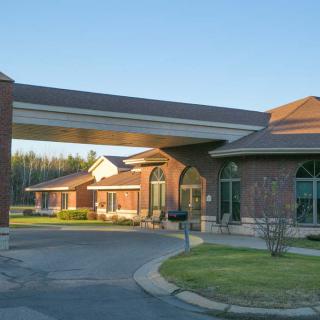
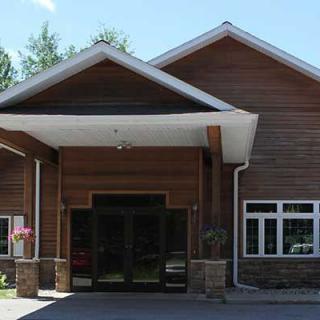
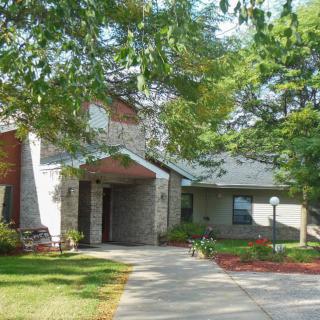
The Ministry Behavioral Health/Residential Treatment Center in Stevens Point, WI is a premier assisted living community that offers a range of amenities and care services to promote the well-being and comfort of its residents.

Residents will find themselves in a welcoming environment where they can enjoy delicious meals in the dining room, all while savoring the convenience of fully furnished accommodations. The facility also boasts beautiful outdoor spaces and a garden, allowing residents to connect with nature and enjoy fresh air.

Housekeeping services ensure that each resident's living space is tidy and well-maintained, alleviating any worries about household chores. In addition, move-in coordination services are provided to ease the transition for new residents.

For communication needs, telephone connections as well as Wi-Fi/high-speed internet are readily available throughout the center. This allows residents to stay connected with their loved ones or engage in online activities at their convenience.

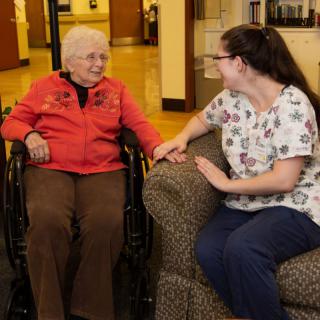
Care services at the Ministry Behavioral Health/Residential Treatment Center cater to each resident's unique needs. Activities of daily living assistance such as bathing, dressing, and transfers are provided by a professional and compassionate staff. Coordination with health care providers ensures that residents receive proper medical attention when needed. For individuals requiring special dietary restrictions or diabetes diets, tailored meal preparation and service is offered.

Transportation arrangements for medical purposes are readily available, ensuring that residents can easily attend appointments without any hassle. Additionally, scheduled daily activities provide opportunities for socialization, recreation, and entertainment.

The location of this assisted living community is highly convenient, with various cafes, parks, pharmacies, physicians' offices restaurants, transportation options nearby. Furthermore, places of worship in close proximity allow residents to nurture their spiritual needs.

Overall, the Ministry Behavioral Health/Residential Treatment Center in Stevens Point provides a comfortable and supportive environment for seniors seeking assistance with daily tasks while enjoying an independent lifestyle within a vibrant community setting.

Nearby Places of Interest

Restaurants

  • Tokyo Steak House (0.1 miles)
  • Papa John's Pizza (0.2 miles)
  • Culver's (0.2 miles)
  • China Wok (0.2 miles)
  • Papa Joe's Bar (0.3 miles)
  • Pizza Hut (0.4 miles)
  • Taco Bell (0.4 miles)

Cafes

  • Starbucks (0.2 miles)
  • CPS Café (0.6 miles)
  • Tech Lounge (0.9 miles)
  • The Cottage Cafe (3 miles)
  • Panera Bread (4.1 miles)
  • Starbucks (4.2 miles)

Physicians

  • Cosmetic Surgery & Hair Rstrtn (0.3 miles)
  • Klasinski Neurocare (0.3 miles)
  • Atlas Psychiatry (0.3 miles)
  • Klasinski Clinic (0.3 miles)
  • Ambulatory Surgical Center of Stevens Point (0.3 miles)
  • Adarsh Kancharla MD - Ascension At Illinois Avenue-A Department Of Ascension St Michael's Hospital (0.8 miles)
  • Ministry Medical Group Pediatrics (0.8 miles)

Places of Worship

  • Newman University Parish (0.6 miles)
  • Trinity Lutheran Church (1 miles)
  • Church Of The Intercession (1 miles)
  • Hmong Alliance Church (1.4 miles)
  • Kingdom Hall of Jehovah's Witnesses (1.5 miles)
  • Good News Fellowship Church (1.6 miles)
  • New Freedom Prison Ministry (2.8 miles)

Hospitals

  • Ascension St Michael's Hospital Cancer Care (0.8 miles)
  • Saint Michael's Hospital (0.8 miles)
  • Electrolysis and Laser Center (1.1 miles)
  • Aspirus Stevens Point Clinic - Hoover Road (3.5 miles)

Parks

  • Mathias Mitchell Public Square Main Street Historic District (0.9 miles)
  • Pfiffner Pioneer Park (1 miles)
  • Veterans Memorial Park (1.5 miles)
  • Iverson Park (2.1 miles)
  • Lower Whiting Park (3.2 miles)
  • Al Tech Park (3.8 miles)
  • Little Plover River Park's (4.8 miles)

Pharmacies

  • Home Town Pharmacy (0.9 miles)
  • Walgreens (1.6 miles)
  • Metro Market Pharmacy (1.7 miles)
  • Walgreens (2.5 miles)

Transportation

  • Longest train EVER (1.5 miles)
  • Prime Tines Taxidermy (2.1 miles)
  • U-Haul Neighborhood Dealer (2.5 miles)
  • U-Haul Neighborhood Dealer (2.8 miles)
  • Alamo (3.3 miles)

Frequently Asked Questions

Where is Ministry Behavioral Hlth/Res Treatment Center?

Nearby Communities

Related Resources

  • is assisted living tax deductibleIs Assisted Living Deductible on Your Taxes? Understanding the Complexities of Assisted Living Expenses and Deductions

    The deductibility of assisted living expenses on taxes hinges on factors like the individual's medical condition and service nature, typically requiring the resident to be "chronically ill" per IRS definitions. Taxpayers may deduct eligible medical expenses related to personal care services but generally not rent unless primarily for medical care, and they should maintain thorough documentation to support claims while considering itemizing versus standard deductions.

  • va benefits for assisted livingAssisted Living Support for Veterans: A Complete and Detailed Overview

    The guide highlights the importance of assisted living facilities for aging veterans needing daily support, discusses unique challenges they face, and outlines available financial assistance from the VA, including the Aid and Attendance program. It emphasizes understanding eligibility criteria and navigating the VA system to access necessary benefits effectively.

  • assisted living vs skilled nursingExploring the Contrasts Between Assisted Living and Skilled Nursing

    The article compares assisted living and skilled nursing facilities, detailing their differing levels of assistance, medical support, cost structures, and day-to-day experiences. It emphasizes that assisted living is for those needing help with daily activities while maintaining independence, whereas skilled nursing facilities provide intensive medical care with 24-hour staff supervision.