Residents and families describe staff who are often kind and responsive, though some reviews raise staffing and oversight concerns.
Many reviews highlight staff members who are friendly, caring, and willing to help, with some families saying communication is good and needs are attended to. Several reviews also mention staffing pressure, management turnover, or concerns about whether residents—especially those with dementia—are receiving consistent support. A few families say they’ve seen improvements after changes in leadership or staffing, while others say the issues were severe enough to regret choosing the community.
common8 reviews mention this
Activities help residents stay engaged
Residents describe a busy schedule with community activities, even as some reviews mention staffing gaps.
Several reviews say the community offers frequent activities that help residents stay involved, including events like bingo, live music, and scheduled daily activities. Some families also mention exercise, outings, and resident-run or community-sponsored events. At the same time, a few reviews point to periods when an activities director was missing or when residents seemed less engaged, suggesting the programming can be inconsistent depending on staffing.
caveat11 reviews mention this
Dining quality gets mixed feedback
Dining is one of the most debated day-to-day experiences for families.
Some reviews are positive about dining, including comments that food looked good or that it was excellent at a visit. Other reviews describe the dining experience more negatively, calling meals bad or disgusting, noting food being served luke-warm, and mentioning residents receiving inadequate snacks. Even among tours, there are mentions of an older dining area or limited dining setup, so experiences with dining vary widely by reviewer.
caveat7 reviews mention this
Costs feel high to families
Multiple reviews raise concerns that pricing doesn’t match the services delivered.
A recurring theme is price pressure, including complaints about how much the community charges relative to what families believe residents receive. Some reviewers also mention changes to pricing or add-ons after initial discussions, and one review describes needing proof of funds far in advance. Others cite monthly cost as steep, which amplifies dissatisfaction when care or support seems inconsistent.
caveat5 reviews mention this
Memory care support varies by staffing
Some reviews question dementia and personal care support when staffing is strained.
Several reviews describe residents with dementia and raise concerns about whether care staff had adequate dementia training or were available consistently during meals and other routines. A few reviewers also point to understaffing, limited on-site coverage, or reliance on outside help for certain medical needs. Other reviews emphasize that residents receive appropriate attention and improvements have happened after staffing or leadership changes, but the negative reviews suggest risk during periods of low staffing.
How we summarize
Counts show how many written reviews mention each theme; a review can touch several themes, and only frequently mentioned themes are displayed.
Features
Housing
52 resident community capacity
Studio apartments
Types of Care
Assisted Living
Independent Living
Memory Care
Amenities
Air-conditioning
Beautician on-site
Beauty salon
Cable or satellite TV
Computer center
Dining room
Fitness room
Fully furnished
Gaming room
Garden
Guasts at mealtime
Guest parking
Housekeeping services
Kitchenette
Laundry
Move-in coordination
Outdoor space
Party space
Private bathrooms
Restaurant-style dining
Small library
TV room
Telephone
Wellness center
Wi-Fi/high-speed internet available
Transportation
Central Wisconsin (16 miles away)
Community operated transportation
Transportation & parking
Transportation arrangement
Transportation arrangement (non-medical)
Transportation to doctors appointments
Care Services
12-16 hour nursing
24-hour call system
24-hour supervision
Activities of daily living assistance
Assistance with bathing
Assistance with dressing
Assistance with transfers
Diabetes diet
Meal preparation and service
Medication management
Mental wellness program
Mild cognitive impairment
Physical therapy
Special dietary restrictions
Specialized memory care programming
Dining
Diabetes diet
Special dietary restrictions
Activities
Activities off-site
Arts and crafts
Book club
Community-sponsored activities
Concierge services
Cooking club
Educational speakers / life long learning
Fitness programs
Games
Gardening club
Live musical performances
Planned day trips
Religious services
Resident-run activities
Scheduled daily activities
Stories
Wii bowling
Yoga / chair yoga
Languages Spoken
English
Nearby Places of Interest
Restaurants
PJ's - SentryWorld (0.5 miles)
Culver's (0.8 miles)
China Wok (1 miles)
Tokyo Steak House (1.1 miles)
Papa John's Pizza (1.1 miles)
Papa Joe's Bar (1.2 miles)
Final Score (1.3 miles)
Cafes
Starbucks (1.2 miles)
CPS Café (1.5 miles)
Tech Lounge (1.9 miles)
The Cottage Cafe (2.2 miles)
Panera Bread (4.7 miles)
Starbucks (4.8 miles)
Physicians
Cosmetic Surgery & Hair Rstrtn (1.3 miles)
Atlas Psychiatry (1.4 miles)
Klasinski Neurocare (1.4 miles)
Klasinski Clinic (1.4 miles)
Ambulatory Surgical Center of Stevens Point (1.4 miles)
Marshfield Clinic Stevens Point Center (1.6 miles)
Ministry Medical Group Psychiatry (1.6 miles)
Places of Worship
Kingdom Hall of Jehovah's Witnesses (1.4 miles)
Newman University Parish (1.5 miles)
Hmong Alliance Church (1.7 miles)
Trinity Lutheran Church (2 miles)
Church Of The Intercession (2 miles)
Good News Fellowship Church (2.4 miles)
New Freedom Prison Ministry (3.4 miles)
Hospitals
Ascension St Michael's Hospital Cancer Care (1.7 miles)
Saint Michael's Hospital (1.7 miles)
Electrolysis and Laser Center (2.1 miles)
Aspirus Stevens Point Clinic - Hoover Road (4.2 miles)
Parks
Pfiffner Pioneer Park (1.9 miles)
Mathias Mitchell Public Square Main Street Historic District (1.9 miles)
Willow Brooke Point offers 24-hour supervision to ensure residents are safe and supported at all times, which is crucial for individuals with dementia or Alzheimer's disease. Assistance with activities of daily living, such as bathing and dressing, helps maintain dignity while fostering independence tailored to each resident's abilities. The aid during transfers minimizes the risk of falls and enhances mobility, promoting physical health. Meal preparation and service cater to nutritional needs, encouraging healthy eating habits essential for cognitive function. Medication management ensures that residents receive their medications accurately and on time, reducing confusion. A mental wellness program addresses cognitive challenges through engagement and therapeutic activities aimed at stimulating memory retention. For those experiencing mild cognitive impairment, specialized memory care programming offers structured activities designed specifically to enhance cognitive abilities while providing a comforting routine that fosters a sense of stability in their daily lives. Physical therapy further complements this by focusing on maintaining strength and mobility, contributing to overall well-being.
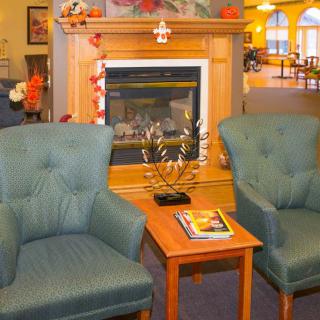
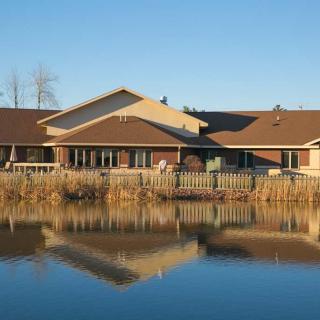
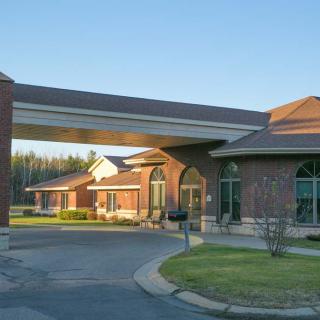
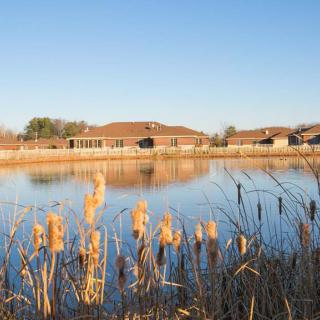
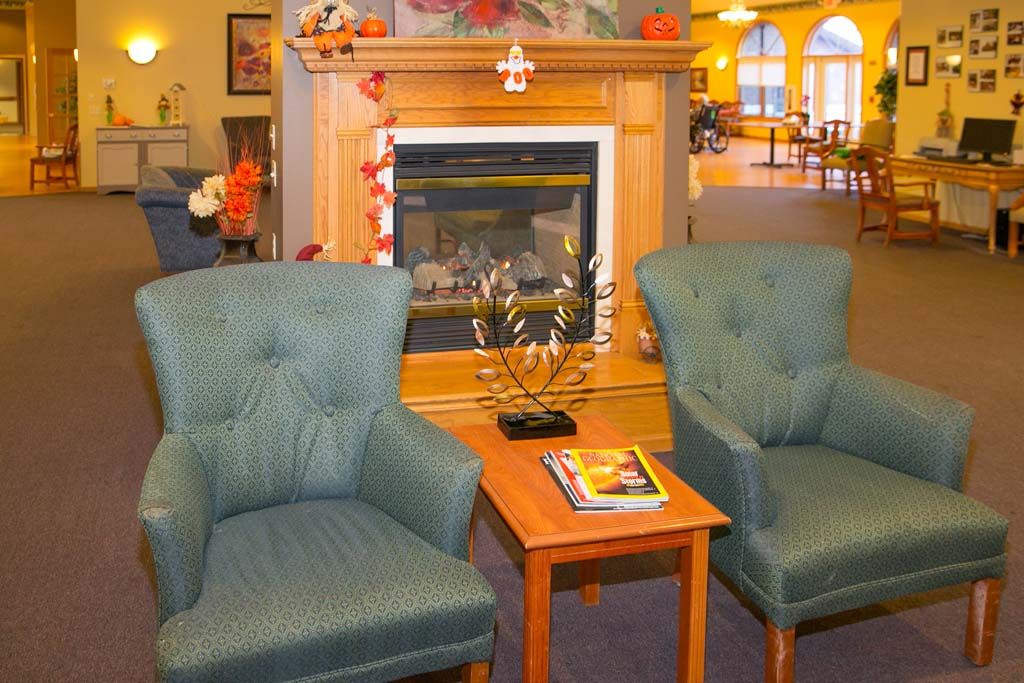
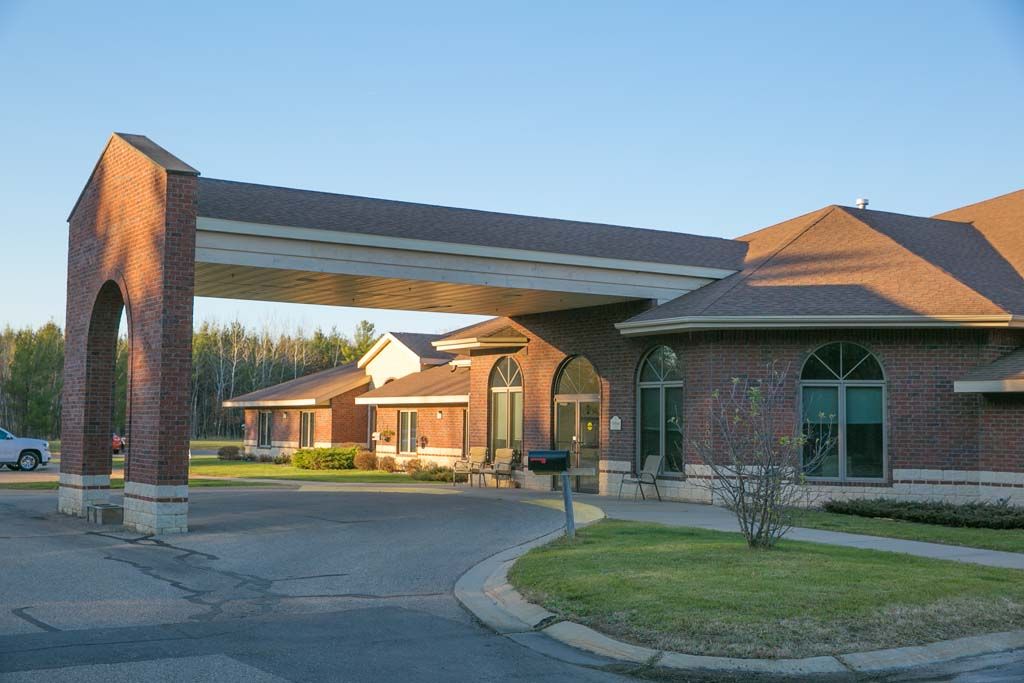
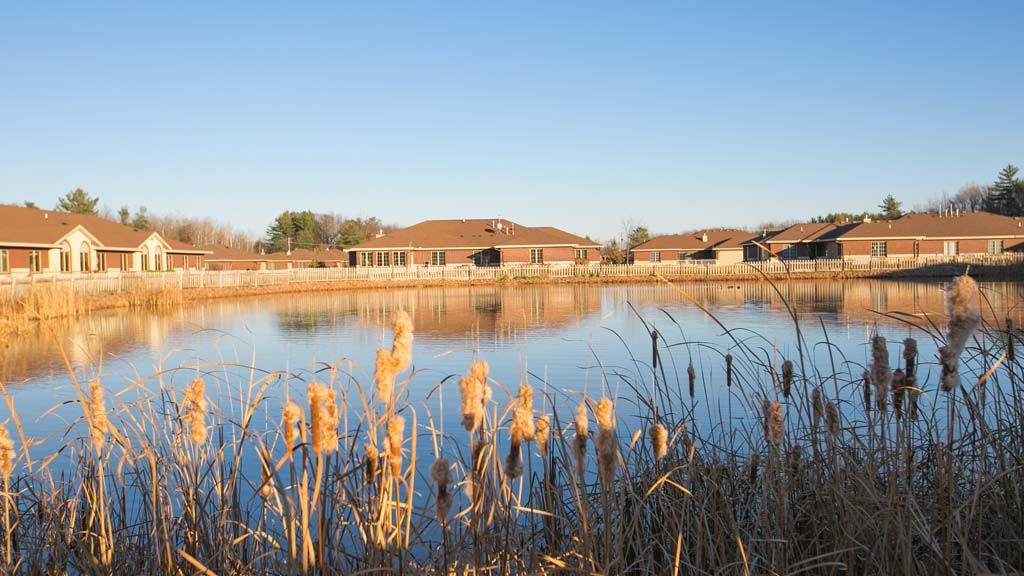
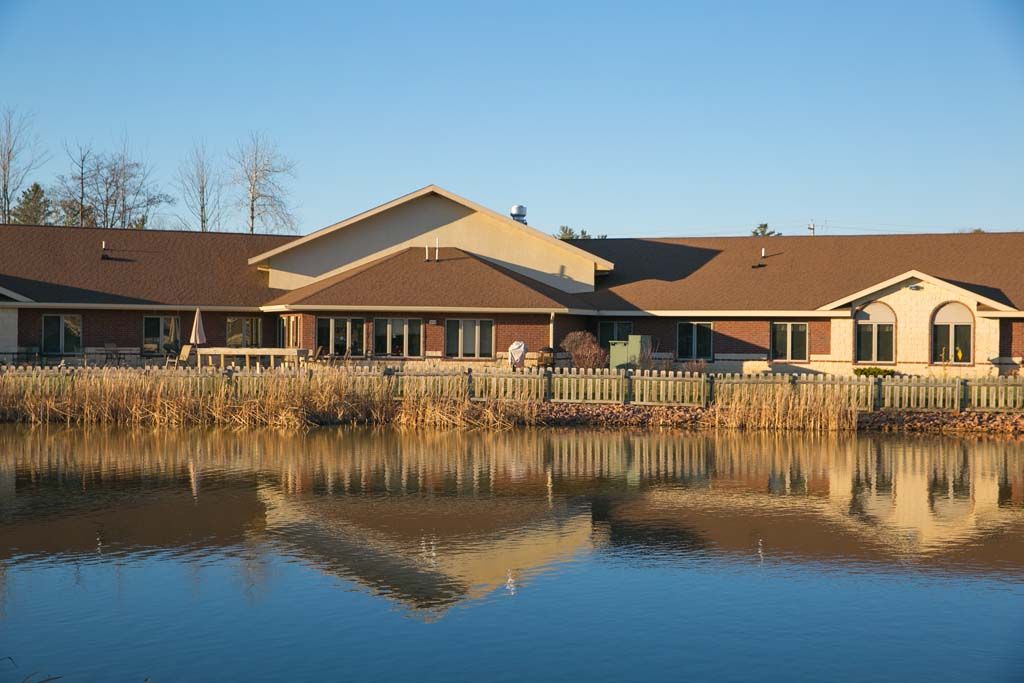
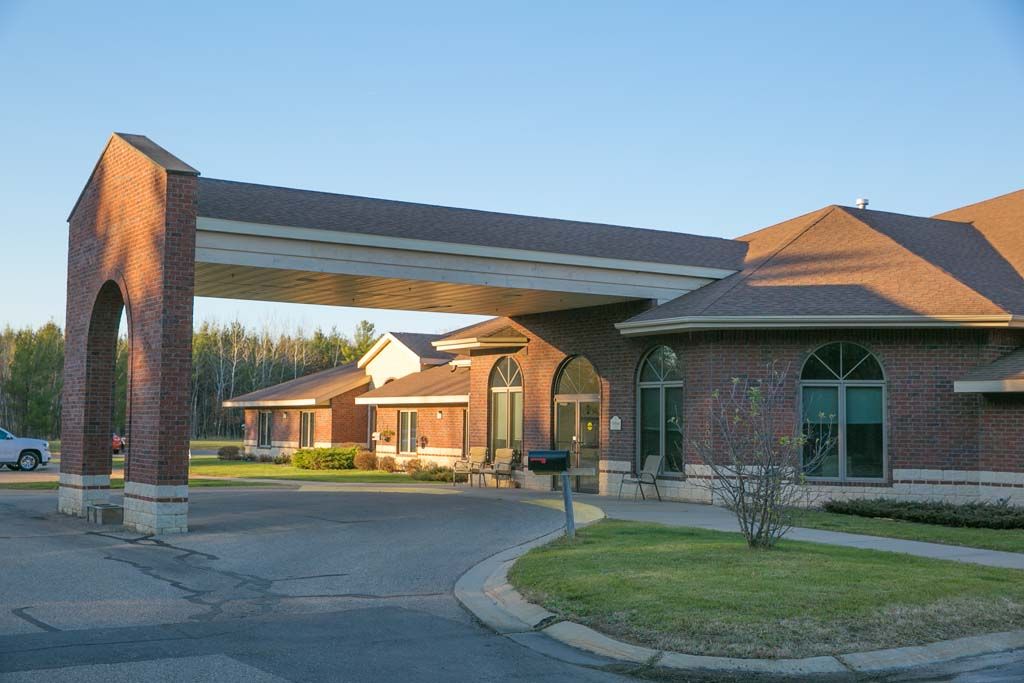
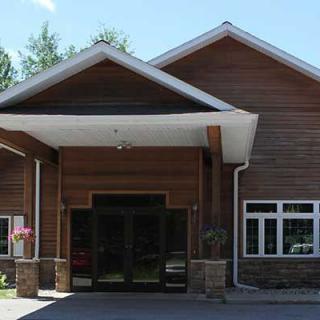
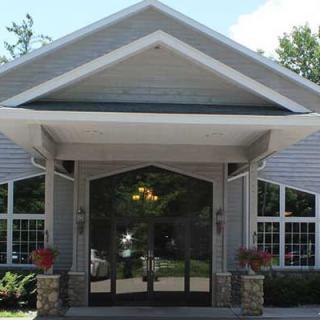
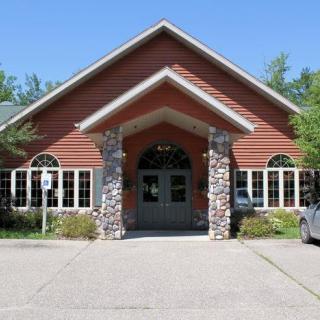
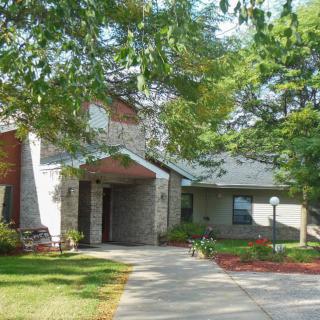
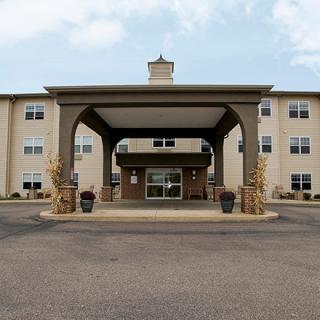
Willow Brooke Point on seniors.fyi includes 5 photos including images showing architecture, building, exterior, landscaping, lake, nature, water, outdoors, and more.
Nearby Communities
Willow Brooke Point Senior Living CBRF
Stevens Point, WI
3.8 from 28 reviews
$4,250 / month
Caring staff, spacious rooms, and engaging activities in a clean, attractive setting.
Willow Brooke Senior Living RCAC
Stevens Point, WI
4.7 from 3 reviews
$3,750 / month
Responsive management and caring staff in a serene, scenic setting.
North Ridge
Stevens Point, WI
5 from 2 reviews
$3,350 / month
Memory-care focused with 24/7 supervision, restaurant-style dining, and broad dietary options.
North Crest/North Haven/North Ridge
Stevens Point, WI
3.4 from 5 reviews
$3,850 / month
Caring staff in a clean community with clear communication and good meals.
North Crest
Stevens Point, WI
4.8 from 4 reviews
$3,350 / month
Caring staff with well-maintained, couple-friendly apartments, plus varied dining and engaging activities.
North Haven
Stevens Point, WI
4 from 4 reviews
$3,350 / month
Specialized memory care with 24/7 supervision and dementia programming; on-site salon and restaurant-style dining.
Sylvan Crossings of Stevens Point
Stevens Point, WI
3.8 from 20 reviews
$3,923 / month
Caring, patient staff and a warm, home-like community with strong family involvement and dementia-focused programs.
Choosing between assisted living and nursing homes involves evaluating emotional and financial factors, with assisted living offering independence and support for daily activities at a lower cost, while nursing homes provide intensive medical care for individuals with significant health needs. The decision is influenced by personal preferences, health status, cognitive function, and varying Medicaid coverage across states.
The article presents eight strategies for preserving cognitive health and memory in older adults, emphasizing a nutrient-rich diet, regular exercise, intellectually stimulating activities, adequate sleep, social connections, stress management techniques, limiting harmful substances, and regular medical checkups to mitigate age-related memory decline.
Activities of Daily Living (ADLs) are fundamental tasks vital for an individual's independence, particularly in older adults over 85, and include functions like bathing and dressing; assessing ADLs alongside Instrumental Activities of Daily Living (IADLs) helps determine the level of required assistance due to age-related health challenges. Tailored support plans, involving family and community resources, are essential for maintaining dignity and autonomy in assisted living environments.
Get PricingAsk A QuestionSchedule A TourContact Senior Advisor
By clicking submit, you agree to our Partner's Terms of Use. You
also consent to receive calls and texts, which may be autodialed, from our Partner. Your consent is not a condition to
using our Partner's service. Please visit our Partner's Privacy Policy for information about their privacy practices.

 52 resident community capacity
 Studio apartments
 Assisted Living
 Independent Living
 Memory Care
 Air-conditioning
 Beautician on-site
 Cable or satellite TV
 Computer center
 Dining room
 Fitness room
 Fully furnished
 Gaming room
 Garden
 Guest parking
 Housekeeping services
 Kitchenette
 Laundry
 Move-in coordination
 Outdoor space
 Party space
 Private bathrooms
 Restaurant-style dining
 Small library
 Telephone
 Wellness center
 Wi-Fi/high-speed internet available
 Central Wisconsin (16 miles away)
 Community operated transportation
 12-16 hour nursing
 24-hour call system
 Activities of daily living assistance
 Assistance with bathing
 Assistance with dressing
 Assistance with transfers
 Diabetes diet
 Medication management
 Mental wellness program
 Physical therapy
 Special dietary restrictions
 Arts and crafts
 Book club
 Concierge services
 Cooking club
 Educational speakers / life long learning
 Games
Games Live musical performances
 Planned day trips
 Religious services
 Wii bowling
 English
 Caring staff, spacious rooms, and engaging activities in a clean, attractive setting.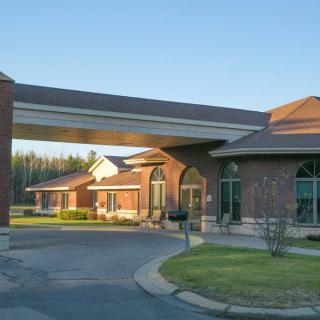
 Choosing the Right Senior Care: A Detailed Exploration of Assisted Living and Nursing Homes
 Safeguarding Your Memory Through the Golden Years: Eight Ways to Preserve Cognitive Health
 Comprehensive Insights into Activities of Daily Living (ADLs) and Their Assessment