Meadows Assisted Living And Memory Care in Spring Green, WI

Save

Meadows Assisted Living And Memory Care in Spring Green, WI

Information last verified:

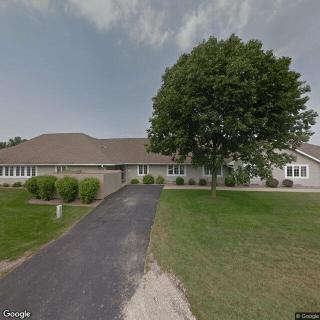
477 Rainbow Road, Spring Green, WI 53588

For more information about senior living options: (844) 490-3973

4.4 from 7 reviews
5 stars
6
4 stars
0
3 stars
0
2 stars
0
1 stars
1

Seniors.FYI Elite Community Awards

Top 5% Senior Living Community in 2023

Add this award to your website

Overall Review of Meadows Assisted Living And Memory Care

Pros

  • pro The Meadows provides outstanding care and compassionate staff.
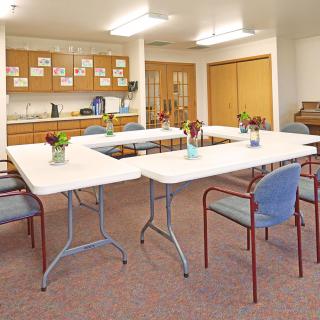
  • pro It offers an excellent variety of activities.
  • pro The meals are delicious and home-cooked.
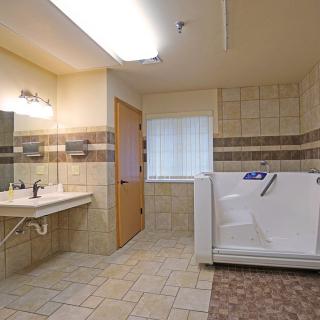
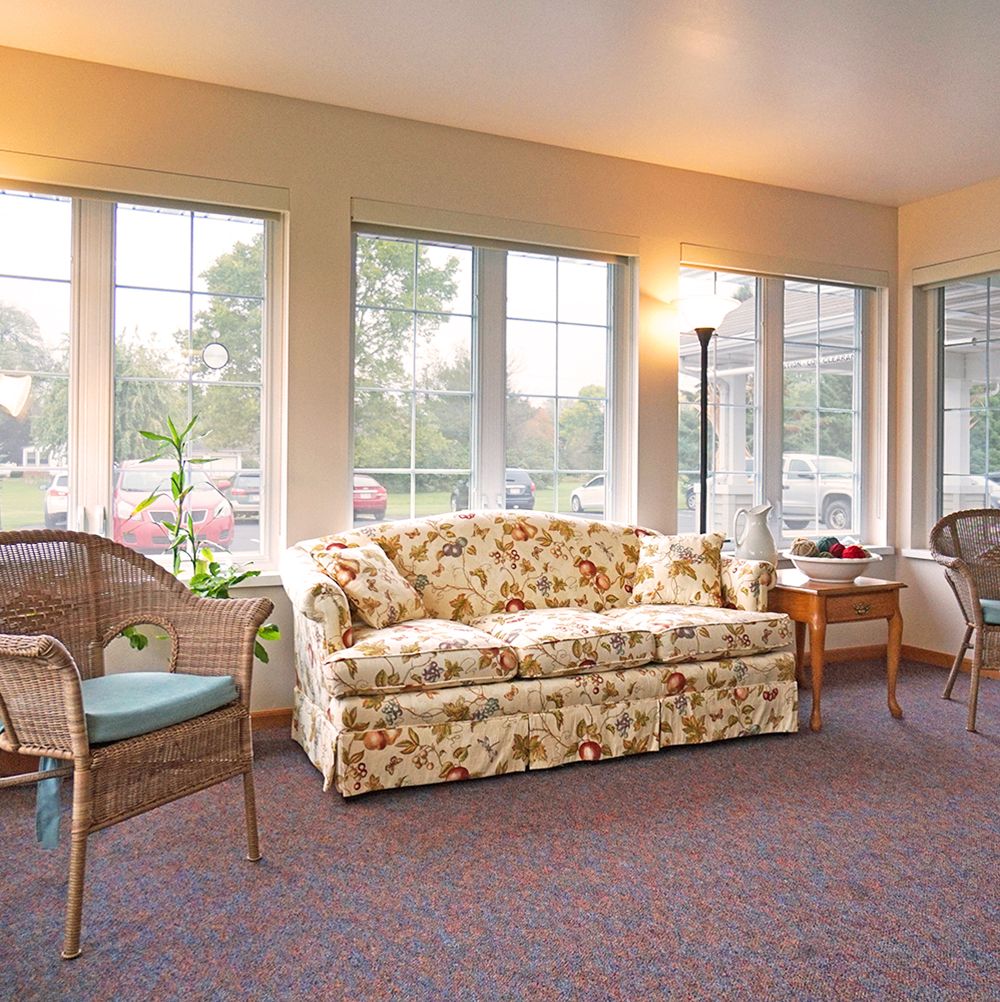
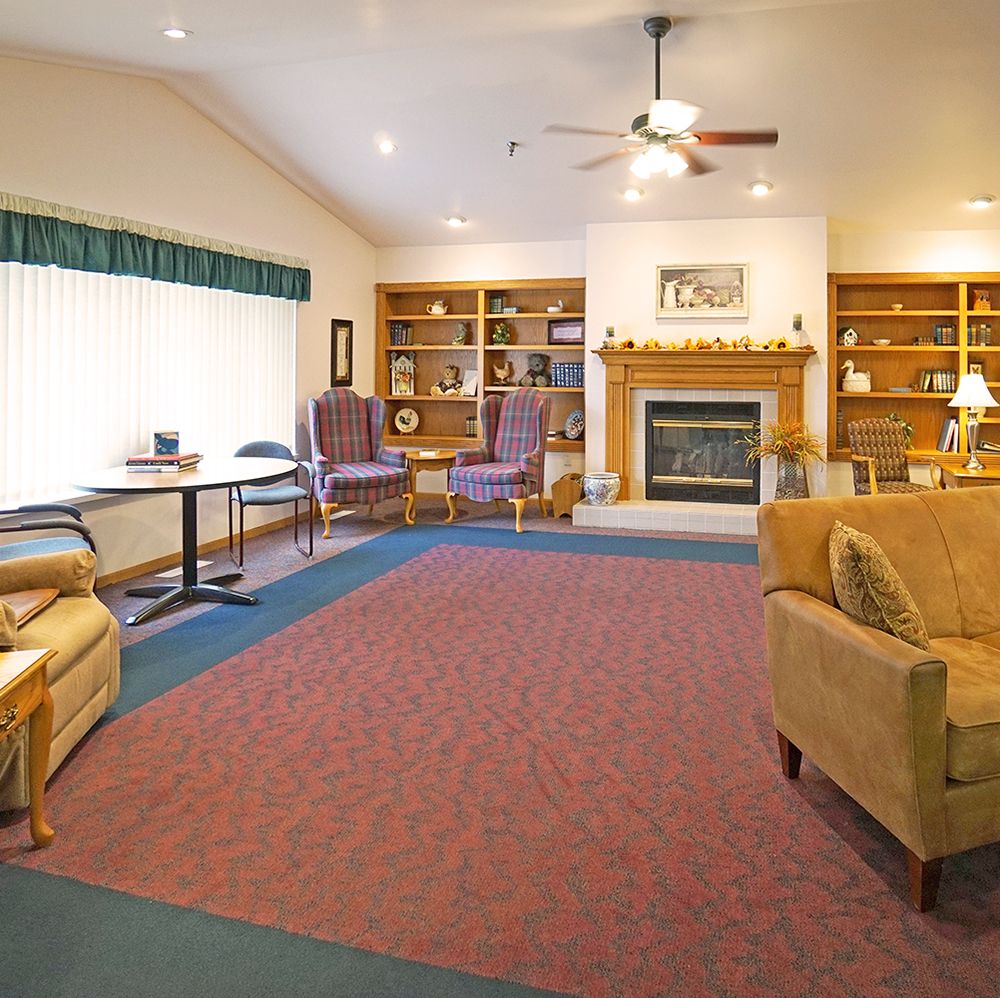
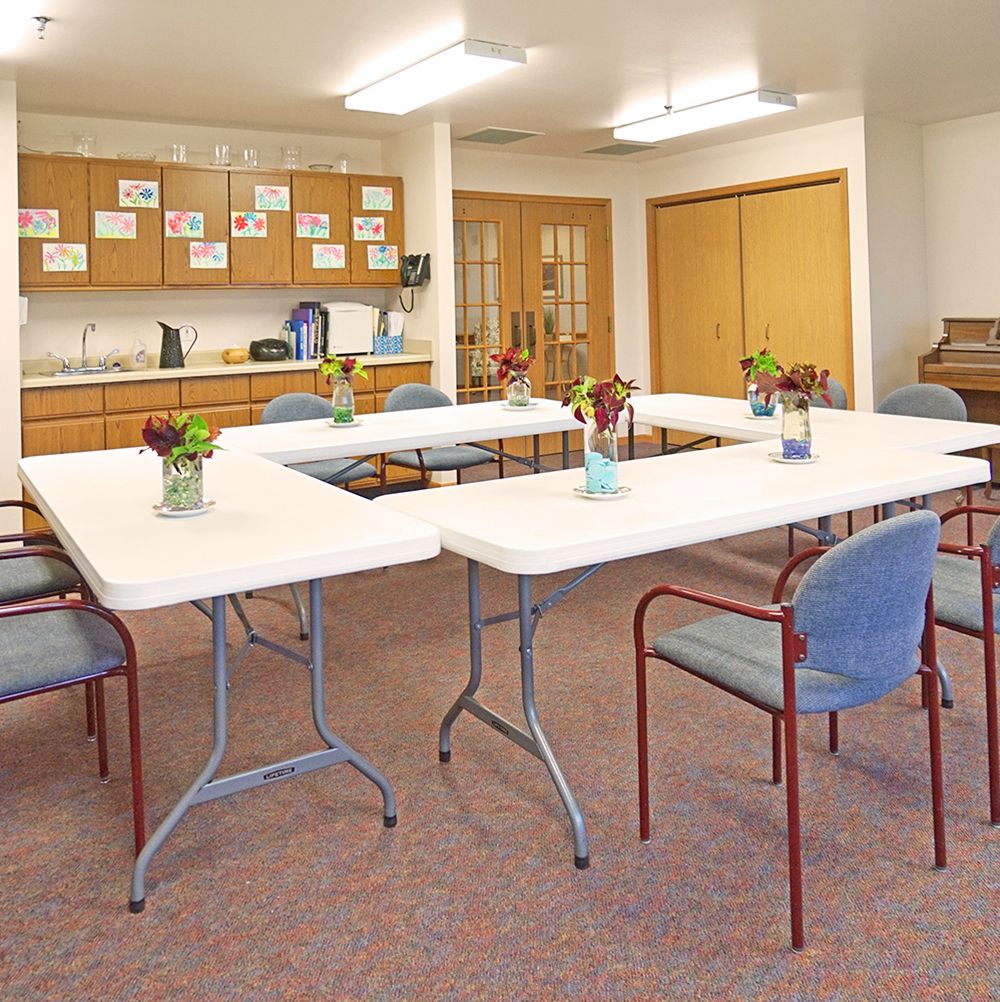
  • pro The apartments and common areas are clean and comfortable.
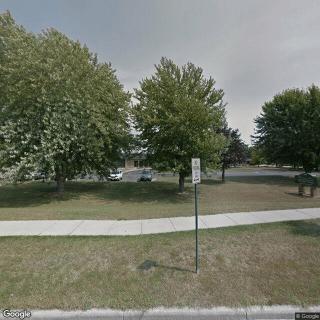
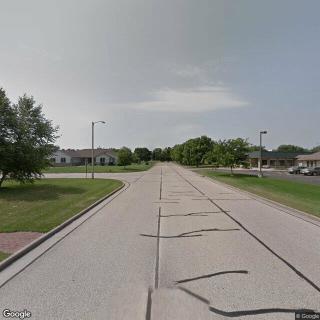
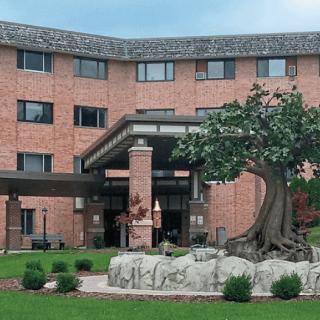
  • pro The setting is beautiful and welcoming.
  • pro The administration and staff are exceptional in caring for residents.
  • pro The staff are friendly, professional, patient, and caring.
  • pro Residents enjoy many fun outings and occasional happy hours.

Cons

  • pro Gifting engagement rings, a gold necklace, a gold opal ring, a china collection, and a China cabinet to staff is described as crossing a line.
  • pro The staff taking property from a patient with dementia and brain cancer is described as theft and unethical.
  • pro The action toward a daughter who was told she would receive these items is described as the most unethical and heinous thing that could be done.
  • pro There is a demand that stolen property be returned and that law enforcement authorities be involved.

Review

Meadows Assisted Living and Memory Care in Spring Green, Wisconsin is best suited for families seeking a warm, home-like environment where memory-care support is paired with a lively, person-centered approach. It is particularly well-matched for seniors who value daily compassion from attentive caregivers, meaningful social engagement, and consistently home-cooked meals in a setting that feels comfortable and familiar. The community earns high marks from families who appreciate a long-standing, trusted team and a strong emphasis on personalized care plans delivered with patience and respect. It is the right fit for those who want an active, supportive environment where residents are frequently involved in outings and activities designed to sustain familiarity and dignity as memory needs evolve.

That said, some families may want to consider alternatives if safeguarding and formal incident management are top priorities. A single, serious-sounding review raises concern about the handling of resident possessions and the procedures in place to prevent or address theft. While this account stands apart from the otherwise uniformly positive feedback, it underscores the importance of transparent, documented safeguarding policies, immediate incident reporting, and robust accountability. For families whose risk tolerance is lower or whose loved one requires exceptionally stringent property protections and rapid law-enforcement escalation, it’s prudent to compare communities with demonstrated, auditable safeguards and clear consequences for violations.

On the positive side, the core strengths at Meadows are compelling. Outstanding care is frequently highlighted, with caregivers described as compassionate, patient, and professional. The care team’s ability to form real connections translates into attentive daily routines, timely assistance, and a reassuring sense of continuity for residents and their families. The activities program stands out for its breadth and variety, including outings, social events, and regular opportunities for engagement that help preserve routine and a sense of purpose. The meals are noted as delicious and home-style, while the living spaces, apartments and common areas, are kept clean, comfortable, and inviting within a beautiful, well-kept setting.

The combination of a refreshed activity calendar, dedicated staff, and a home-like atmosphere creates a strong offset to the usual stresses that come with memory care. Families repeatedly commend the level of attention given to details, from daily care tasks to the small touches that make days feel meaningful. The stability of the caregiving team matters here; a community with long-tenured staff often translates into deeper trust, better recognition of individual preferences, and smoother coordination with family members. When those relational anchors are present, the risk of frustrating gaps in communication or oversight tends to diminish, which is a decisive factor for anyone weighing quality of life against risk.

For families weighing the decision, Meadows stands up well for residents who benefit from a cohesive, activity-rich life with strong, compassionate caregiving. It may not be the strongest match for those requiring constant, high-intensity medical supervision or for those with the utmost emphasis on ironclad, paper-trail safeguarding practices. The best course is a candid, on-site evaluation: observe how staff interact with residents, review how property and valuables are tracked, and ask direct questions about incident history, reporting timelines, and the steps taken to prevent recurrence. This approach ensures a well-informed choice that aligns with both safety expectations and the desire for a warm, engaged living experience.

Ultimately, Meadows offers a compelling option for memory-care and assisted-living in Spring Green, delivering genuine warmth, reliable care, and an engaging lifestyle that many families恵 value highly. If the priority is a supportive, family-like community where residents flourish through regular activities, respectful care, and a pleasant, home-like environment, Meadows earns strong consideration. Prospective residents should, however, couple praise with precaution: request clear safeguarding policies, inquire about incident management, and verify the consistency of staffing and leadership. The right resident will find Meadows a place where dignity, companionship, and everyday joy are not just possible, but routine.

Features

Housing

  • 24 resident community capacity 24 resident community capacity

Types of Care

  • Assisted Living Assisted LivingAssisted living facilities provide crucial support and care for seniors who may need help with daily tasks such as medication management, bathing, and meal preparation. These communities offer a safe and comfortable environment where seniors can maintain their independence while receiving the assistance they need to thrive in their golden years.
  • Memory Care Memory CareMemory care is crucial for seniors as it provides specialized support and services for individuals with dementia or Alzheimer's disease. These programs offer a safe and secure environment where residents receive personalized care, cognitive stimulation, and help with daily activities. Memory care helps seniors maintain their independence, quality of life, and dignity while also providing peace of mind for their families.

Amenities

  • Beauty salon Beauty salonBeauty salons are important for seniors because they provide a space for them to feel pampered, socialize, and maintain their personal grooming and hygiene. Regular visits to a beauty salon can help boost seniors' self-esteem and overall well-being.
  • Cable or satellite TV Cable or satellite TVCable or satellite TV is important for seniors because it provides entertainment, news, and companionship, helping to combat loneliness and boredom. It also offers a wide range of programming options tailored to different interests and preferences.
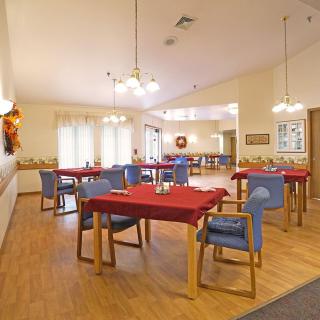
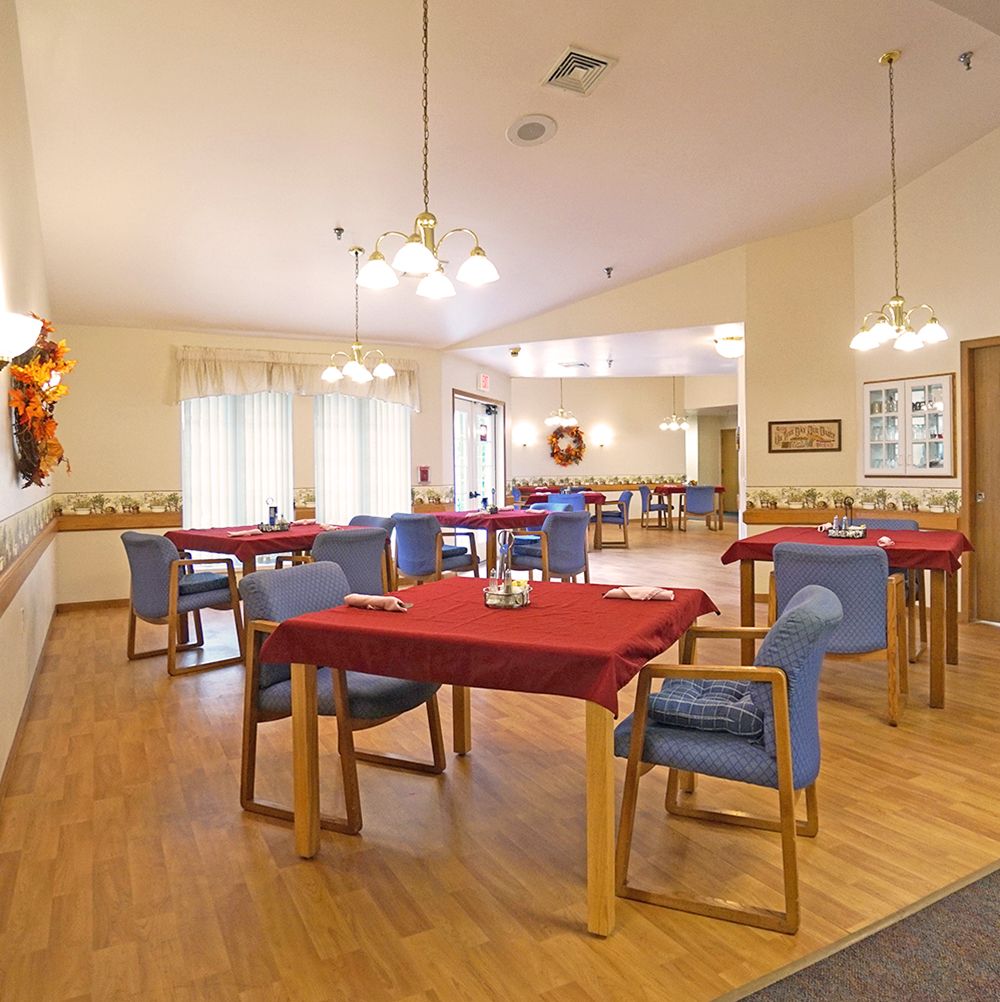
  • Dining room Dining roomDining rooms are important for seniors as they provide a space for socialization, connection, and nutritious meals. They offer opportunities for residents to bond over shared meals, foster a sense of community, and promote healthy eating habits. Dining rooms also ensure that seniors have access to well-balanced meals tailored to their dietary needs and preferences.
  • Fully furnished Fully furnishedFully furnished senior living communities are important for seniors because they provide convenience, comfort, and a hassle-free moving experience. Seniors can easily settle into their new living space without the stress of having to buy and move furniture. This allows them to focus on enjoying their new home and community.
  • Garden GardenGardens are important for seniors as they provide a peaceful and therapeutic environment for relaxation, physical activity, and socialization. Being in nature has been shown to reduce stress, improve mood, and promote overall well-being. Gardens also offer opportunities for seniors to engage in gardening activities, which can improve mobility, flexibility, and cognitive function. Additionally, gardens create a sense of community and connection with others who share a passion for plants and outdoor spaces.
  • Housekeeping services Housekeeping servicesHousekeeping services are important for seniors because they help maintain a clean and safe living environment, promote independence, and reduce the risk of accidents or illnesses. Additionally, having assistance with household chores can alleviate physical strain and allow seniors to focus on other aspects of their well-being.
  • Kitchenette KitchenetteKitchenettes are important for seniors living in senior living communities because they provide the convenience and independence of being able to prepare simple meals and snacks in the comfort of their own living space. This can help promote a sense of autonomy and well-being for seniors, allowing them to maintain some level of control over their dietary choices and daily routines.
  • Move-in coordination Move-in coordinationMove-in coordination is important for seniors because it helps ease the transition into their new living environment. It ensures that all logistics, such as packing, organizing movers, and setting up utilities are taken care of, allowing seniors to focus on settling in and adjusting to their new home. Having a smooth move-in process can alleviate stress and anxiety, making the transition smoother and more enjoyable for seniors.
  • Outdoor space Outdoor spaceOutdoor spaces are important for seniors as they provide opportunities for physical activity, social interaction, exposure to natural light and fresh air, and a sense of connection to nature. Having access to outdoor spaces can improve overall well-being and quality of life for older adults living in senior communities.
  • Restaurant-style dining Restaurant-style diningRestaurant-style dining is important for seniors because it allows them to enjoy delicious, nutritious meals in a social and upscale setting. This enhances their dining experience, promotes healthy eating habits, and fosters socialization with fellow residents, ultimately contributing to their overall well-being and quality of life.
  • Small library Small librarySmall libraries are important for seniors as they provide access to a variety of reading materials, including books, newspapers, and magazines. This can help stimulate their minds, keep them engaged, and provide a sense of community through book clubs and other social activities. Additionally, reading has been shown to improve cognitive function and overall mental well-being in older adults.
  • Telephone TelephoneTelephones are important for seniors as they provide a lifeline for communication with loved ones, emergency services, and healthcare providers. They offer a sense of security and independence, enabling seniors to stay connected and access assistance when needed.
  • Wi-Fi/high-speed internet available Wi-Fi/high-speed internet availableWi-Fi/high-speed internet is important for seniors to stay connected with loved ones, access online resources, and participate in virtual activities to combat feelings of loneliness and isolation. It also allows them to easily manage healthcare needs, access entertainment, and engage in lifelong learning opportunities.

Care Services

  • 24-hour call system 24-hour call system24-hour call systems are important for seniors because they provide peace of mind and immediate assistance in case of emergencies. This technology ensures that help is always available, promoting safety and security for elderly individuals living alone or in assisted living facilities.
  • 24-hour supervision 24-hour supervision24-hour supervision is important for seniors to ensure their safety, well-being, and access to immediate assistance in case of emergencies or health issues. This constant support provides peace of mind for both seniors and their loved ones, allowing them to age in place with dignity and security.
  • Activities of daily living assistance Activities of daily living assistanceActivities of daily living assistance are important for seniors because they provide essential support with tasks such as eating, bathing, dressing, and mobility. This assistance helps seniors maintain their independence, dignity, and overall quality of life as they age.
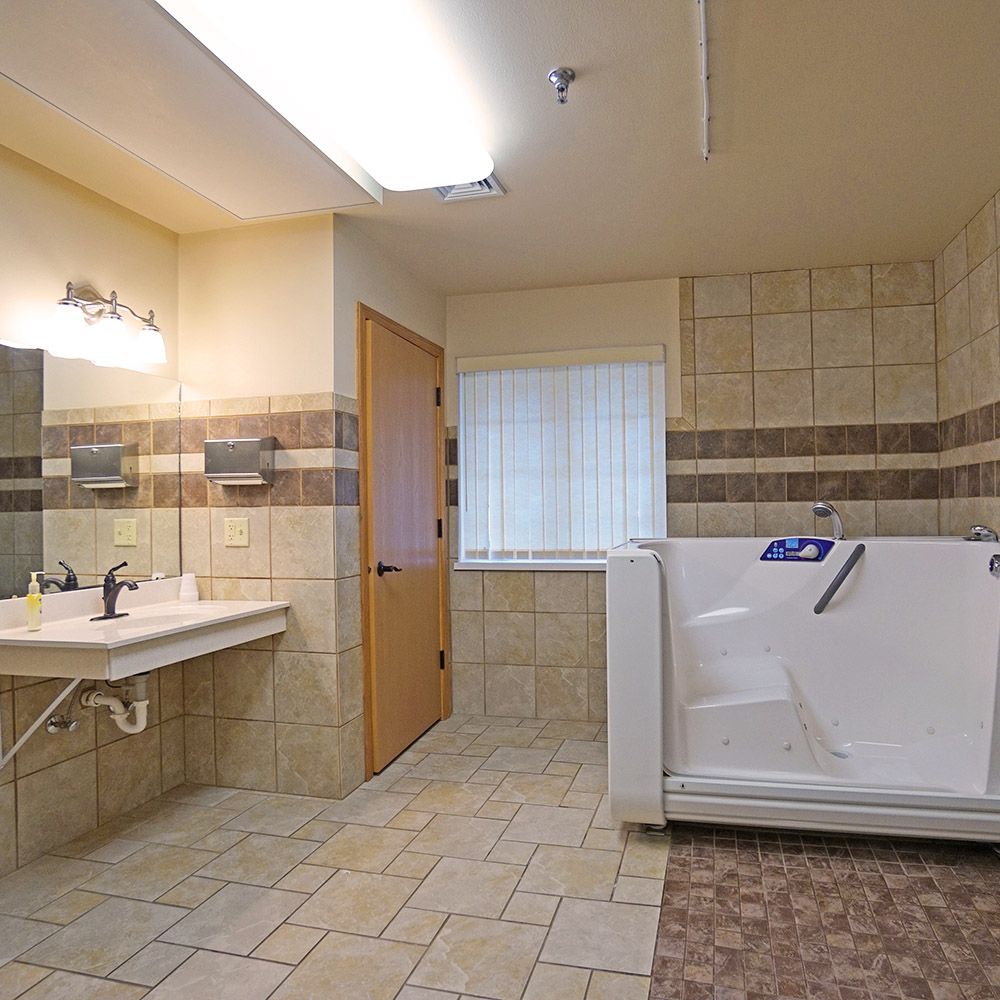
  • Assistance with bathing Assistance with bathingAssistance with bathing is crucial for seniors as it helps maintain personal hygiene, prevents infections, and ensures their overall well-being and comfort. It also provides a sense of dignity and independence for seniors who may struggle with this task on their own.
  • Assistance with dressing Assistance with dressingAssistance with dressing is important for seniors because it helps maintain their independence, promotes personal hygiene, prevents accidents and injuries, and improves overall quality of life. This service ensures that seniors can continue to dress comfortably and confidently, despite any physical limitations they may have.
  • Assistance with transfers Assistance with transfersAssistance with transfers is crucial for seniors as it helps prevent falls and injuries, maintains their independence, and ensures they can safely navigate their living environment. It also provides peace of mind for both seniors and their loved ones.
  • Coordination with health care providers Coordination with health care providersCoordination with health care providers is crucial for seniors to ensure proper medical care, medication management, and overall well-being. This collaboration helps prevent overlapping treatments, track progress more effectively, and provide comprehensive support tailored to individual needs.
  • Dementia waiver Dementia waiverDementia waivers are essential for seniors as they provide critical protections and accommodations for those experiencing cognitive decline. These waivers ensure individuals with dementia receive appropriate care, support, and resources to maintain their quality of life and dignity as they navigate the challenges of this progressive condition.
  • Diabetes diet Diabetes dietA diabetes diet is crucial for seniors as it helps manage blood sugar levels, reduce risks of complications, and improve overall health and well-being. By following a balanced and nutritious diet tailored to their specific needs, seniors can better control their diabetes and enhance their quality of life.
  • Hospice waiver Hospice waiverHospice waivers are important for seniors because they allow individuals to receive specialized end-of-life care and support at home or in a hospice facility. This waiver ensures that seniors can access the necessary resources and services to maintain comfort and dignity during their final days.
  • Meal preparation and service Meal preparation and serviceMeal preparation and service are crucial for seniors as they may have limited mobility or energy to cook nutritious meals. Having access to healthy and convenient food options can ensure they are getting the proper nutrition needed to maintain their overall health and well-being.
  • Medication management Medication managementMedication management is crucial for seniors to ensure they are taking the right medications at the correct dosages and times. This helps prevent adverse drug interactions, reduces the risk of medication errors, and promotes overall health and well-being. Proactive management also allows for adjustments as needed based on changing health conditions or new prescriptions.
  • Mental wellness program Mental wellness programMental wellness programs are essential for seniors as they promote cognitive stimulation, emotional support, and social engagement. These programs help prevent isolation, depression, and cognitive decline, ultimately enhancing the overall quality of life for older adults.
  • Mild cognitive impairment Mild cognitive impairment"Mild cognitive impairment" is important for seniors because it is an early stage of cognitive decline that can potentially progress to more severe conditions such as dementia. Recognizing and addressing mild cognitive impairment can help seniors receive appropriate care and support to maintain their quality of life and independence for as long as possible.
  • Special dietary restrictions Special dietary restrictionsSpecial dietary restrictions are important for seniors because age-related changes in metabolism and health conditions can make it difficult for their bodies to process certain foods. By following a diet tailored to their specific needs, seniors can maintain their overall health and well-being, manage chronic conditions, and reduce the risk of complications such as malnutrition or food interactions with medications.
  • Specialized memory care programming Specialized memory care programmingSpecialized memory care programming is crucial for seniors with cognitive impairments such as dementia or Alzheimer's disease. These programs provide a safe and supportive environment tailored to the unique needs of individuals with memory loss, helping them maintain their independence, dignity, and quality of life.
  • Transportation arrangement (medical) Transportation arrangement (medical)Transportation arrangements for medical purposes are essential for seniors as they may have difficulty driving themselves to appointments or accessing public transportation. Having reliable and safe transportation options ensures that seniors can receive timely medical care and maintain their health and well-being.
  • Transportation to doctors appointments Transportation to doctors appointmentsTransportation to doctors' appointments is crucial for seniors as it ensures they have access to necessary medical care and support for their health needs. Without reliable transportation, seniors may struggle to attend important appointments, leading to potential delays in treatment and health complications. Providing transportation services helps seniors maintain their overall well-being and quality of life.
Dining

  • Diabetes diet Diabetes dietA diabetes diet is crucial for seniors as it helps manage blood sugar levels, reduce risks of complications, and improve overall health and well-being. By following a balanced and nutritious diet tailored to their specific needs, seniors can better control their diabetes and enhance their quality of life.
  • Special dietary restrictions Special dietary restrictionsSpecial dietary restrictions are important for seniors because age-related changes in metabolism and health conditions can make it difficult for their bodies to process certain foods. By following a diet tailored to their specific needs, seniors can maintain their overall health and well-being, manage chronic conditions, and reduce the risk of complications such as malnutrition or food interactions with medications.

Activities

  • Community-sponsored activities Community-sponsored activitiesCommunity-sponsored activities are important for seniors as they provide opportunities for social interaction, mental stimulation, and physical activity. These activities can help improve overall well-being, combat loneliness and isolation, and promote a sense of belonging and purpose among older adults.
  • Resident-run activities Resident-run activitiesResident-run activities are important for seniors as they encourage social interaction, creativity, and a sense of autonomy. These activities empower seniors to stay engaged and active in their community while fostering meaningful connections with their peers.
  • Scheduled daily activities Scheduled daily activitiesScheduled daily activities are important for seniors because they provide structure, socialization, mental stimulation, and physical activity. Engaging in regular activities can improve overall well-being and quality of life for seniors living in a community setting.

Description

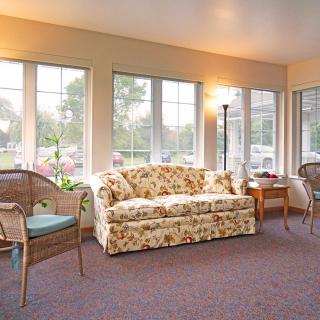
Meadows Assisted Living And Memory Care in Spring Green, WI is a welcoming community that specializes in providing memory care services. Our residents enjoy a comfortable and fully furnished living space, equipped with cable or satellite TV and Wi-Fi/high-speed internet access. Each resident has access to their own kitchenette and enjoys delicious meals served in our restaurant-style dining room.

We prioritize the well-being of our residents by providing 24-hour supervision and assistance with activities of daily living such as bathing, dressing, and transfers. Our dedicated staff coordinates with healthcare providers to ensure personalized care for each resident, including those with dementia or mild cognitive impairment. We also offer medication management services to ensure the proper administration of medications.

At Meadows Assisted Living And Memory Care, we understand the importance of mental wellness. That is why we offer specialized memory care programming and a mental wellness program for our residents. Additionally, we accommodate special dietary restrictions and provide diabetes diet options to promote overall health.

Our community encourages an active lifestyle through resident-run activities and scheduled daily activities that cater to the interests and preferences of our residents. We also make transportation arrangements for medical appointments and provide transportation to doctors' appointments.

Located conveniently near cafes, parks, pharmacies, restaurants, and places of worship, Meadows Assisted Living And Memory Care offers both comfort and convenience for its residents. Join us at Meadows Assisted Living And Memory Care for compassionate care in a supportive community environment.

Nearby Places of Interest

Cafes

  • Spring Green General Store (0.3 miles)
  • Tower Rock Farmstead Bakery (12.7 miles)
  • Cooks Room (15.6 miles)

Parks

  • Spring Green Municipal Park (0.3 miles)
  • Spring Green Preserve (1.3 miles)
  • Spring Green Preserve State Natural Area (1.7 miles)
  • Governor Dodge State Park (11.8 miles)
  • White Mound County Park (12.2 miles)
  • Dane County Parks (12.6 miles)
  • Lion's Park (13 miles)

Restaurants

  • Madhouse Jamaican Jerk (0.3 miles)
  • The Shed (0.3 miles)
  • Baron Brook's (0.3 miles)
  • Last Leaf Public House (0.4 miles)
  • Subway (0.7 miles)
  • Culver's (0.8 miles)
  • Shifflet's Bar & Riverside Grille (1.4 miles)

Pharmacies

  • Spring Green Pharmacy (0.3 miles)
  • Walmart Pharmacy (14.5 miles)
  • Walgreens (14.6 miles)
  • Home Town Pharmacy (15.5 miles)
  • Corner Drug Store (15.5 miles)
  • Home Town Pharmacy (15.7 miles)
  • Corner Drug Store (16.2 miles)

Places of Worship

  • Corner Stone Church-Spring Grn (0.3 miles)
  • The White Church Theatre Project. (4.5 miles)
  • St Luke's Catholic Church (6.7 miles)
  • First Lutheran Church (6.7 miles)
  • Lone Rock Congregational Church (6.8 miles)
  • Rewey United Methodist (7.4 miles)
  • Arena Congregational Church (7.6 miles)

Transportation

  • Treasured Memories Taxidermy (6.5 miles)
  • U-Haul Neighborhood Dealer (7.4 miles)
  • U-Haul (14.4 miles)
  • Walnut Hollow Country (14.4 miles)
  • U-Haul (14.6 miles)
  • U-Haul Neighborhood Dealer (14.7 miles)

Hospitals

  • District 1 Ems (13.2 miles)
  • Upland Hills Health (16.1 miles)

Physicians

  • Dodgeville Medical Center (14.7 miles)
  • Dean Specialty Clinic (16.1 miles)
  • SSM Health Dean Medical Group Specialty Services (16.1 miles)
  • Rural Wisconsin Health Cooperative (17.5 miles)

Frequently Asked Questions

Where is Meadows Assisted Living And Memory Care?
Does Meadows Assisted Living And Memory Care provide care for residents with dementia or Alzheimer's disease?
What photos are available for Meadows Assisted Living And Memory Care in Spring Green, Wisconsin?

Nearby Communities

  • The Meadows Assisted Living

    The Meadows Assisted Living

    Spring Green, WI

    4.2 from 19 reviews
    $3,390 / month

    pro Friendly staff, clean, engaging environment, and competitive studio pricing.

  • Greenway Manor/ Greenway Terrace

    Greenway Manor/ Greenway Terrace

    Spring Green, WI

     
    $2,250 to $2,650 / month

    pro Comprehensive skilled care with on-site activities, meals, and devotional services.

  • Greenway Manor

    Greenway Manor

    Spring Green, WI

    4 from 4 reviews
     

    pro Fully furnished apartments with 24-hour supervision, ADL assistance, medication management, and diabetes-friendly, restaurant-style dining.

  • Greenway Terrace

    Greenway Terrace

    Spring Green, WI

     
    $2,250 to $2,650 / month

    pro Affordable pricing with a small, personalized assisted-living environment.

  • Ridgeview

    Ridgeview

    Plain, WI


    pro Comprehensive care with meals, ADL support, meds management, transport, and housekeeping

  • Whispering Hope Adult Family Home

    Whispering Hope Adult Family Home

    Lone Rock, WI


    pro Small, intimate setting with personalized care and comprehensive services.

  • Schmitt Woodland Hills

    Schmitt Woodland Hills

    Richland Center, WI

    4.5 from 40 reviews
    $1,267 to $2,187 / month

    pro Compassionate staff with strong communication, diverse dining, and engaging activities in a peaceful, well-located setting.

  • Milestone Senior Living Cross Plains

    Milestone Senior Living Cross Plains

    Cross Plains, WI

    4.4 from 40 reviews
    $5,600 to $6,400 / month

    pro Friendly, attentive staff; comfortable rooms; clean environment and good dining.

  • Oak Park Place Baraboo Autumn Lane

    Oak Park Place Baraboo Autumn Lane

    Baraboo, WI

    4.8 from 136 reviews
    $5,193 to $5,542 / month

    pro Attentive staff and a lively, hotel-like community with engaging activities.

Related Resources

  • dementia hallucinationsDementia-Related Hallucinations: Causes, Experiences, and Practical Approaches

    Dementia, particularly Lewy body dementia, often involves hallucinations that can significantly distress both patients and caregivers due to disruptions in sensory processing and neurotransmitter imbalances. Effective management includes compassionate communication, environmental adjustments, and a multidisciplinary approach to care while addressing the emotional needs of caregivers.

  • alzheimer's factsIlluminating Insights About Alzheimer's Disease: Ten Crucial Realities

    Alzheimer’s disease is a progressive neurological disorder that significantly impacts memory and cognitive functions, accounting for 60-80% of dementia cases, with early diagnosis being crucial yet challenging. It involves brain changes like beta-amyloid plaques and tau tangles, influenced by genetic and lifestyle factors, and while there is no cure, symptom management and support for caregivers are essential.

  • list of drugs linked to dementiaA Thorough Discussion of Medications Potentially Linked to Dementia Risk

    Dementia, influenced by aging and certain medications, may be exacerbated by drug classes such as anticholinergics, benzodiazepines, and antipsychotics, which are associated with cognitive impairment. Regular medication reviews by healthcare professionals are crucial for older adults to manage risks and optimize cognitive health.