
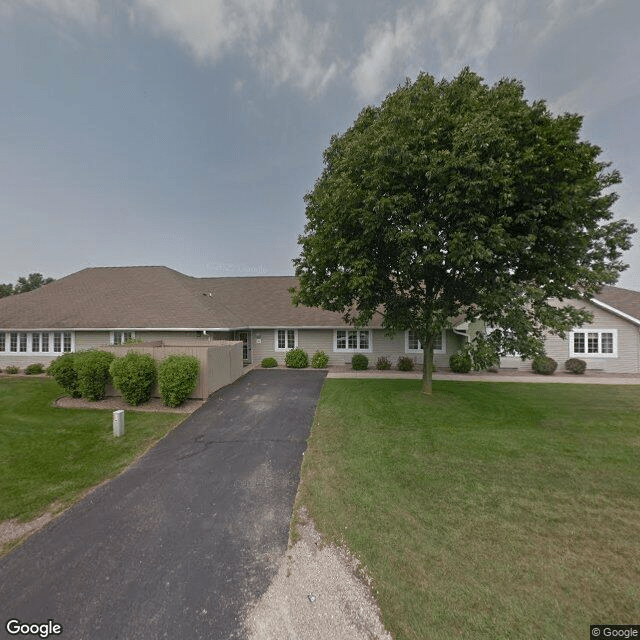
477 Rainbow Rd, Spring Green, WI 53588
To contact a resident: (608) 588-2101
For more information about senior living options: (866) 208-4318

The Meadows Assisted Living Costs & Pricing
The Meadows Assisted Living offers competitive pricing for its studio accommodations at $3,390 per month, making it a cost-effective option compared to the average rates in Sauk County and across Wisconsin. In Sauk County, the typical monthly expense for similar studio living arrangements stands at $3,573, while the state average reaches $3,999. This positions The Meadows as an appealing choice for individuals seeking quality assisted living services without exceeding their budget. The facility's pricing not only reflects its commitment to accessibility but also underscores its dedication to providing residents with a comfortable and supportive living environment.
| Floor plans | The Meadows Assisted Living | Sauk County | Wisconsin |
|---|---|---|---|
| Studio | $3,390 | $3,573 | $3,999 |
Memory care communities with a similar price nearby
-
from -$515 / mo

Our House Senior Living Assisted Care and Memory Care - Richland Center
$2,875 to $3,475 / month19.7 miles away -
from -$290 / mo

Artisan Senior Living Baraboo
$3,100 to $4,500 / month24.7 miles away -
About the same
Our House Senior Living Senior Apartments - Richland Center
$3,475 / month19.7 miles away
Overall Review of The Meadows Assisted Living
Pros
 The staff are very friendly and helpful, and the environment is clean and cheerful.
- Residents enjoy daily activities, holiday events, and socializing with others.
- Management provides prompt responses and helpful resources, giving families comfort that their loved ones are safe and well cared for.
- The Meadows offers outstanding care with compassionate staff, a wide range of activities, delicious home-cooked meals, clean and comfortable living spaces, and a beautiful setting.
- The administration and entire staff are exceptional in caring for residents, with a clean facility and a home-like atmosphere.
- The staff are friendly, professional, patient, and caring, taking residents on many outings and providing enjoyable activities.
- Residents can personalize their living spaces by bringing their own furniture, contributing to a true sense of home.
Cons
 The act of gifting engagement rings, gold necklaces, a china collection, and other items to a daughter while the resident had dementia and brain cancer was described as unethical and heinous.
- The reviewers alleged theft by the RN, CNA, and caregivers from a patient with dementia and brain cancer and demanded that the property be returned and law enforcement involved.
- The incident was labeled theft, with frustration that a policy to prevent such occurrences existed but failed to stop it.
- Visitors reported concerning conditions: only one staff member greeted them, the resident was left alone in her room, there was no water glass available, the toilet looked dirty, and the dining room floor was sticky with food.
Review
The Meadows Assisted Living in Spring Green, WI is best suited for families seeking a warm, activity-rich setting where a loved one can enjoy a social schedule, dependable care, and a home-like atmosphere. It fits residents who want assisted living with accessible memory care options and who value staff described as friendly, patient, and responsive. The campus emphasizes cleanliness, cheerful interaction, and a varied slate of daily activities, holiday events, and opportunities to socialize. Administration is portrayed as approachable and resourceful, helping families navigate care planning and local resources. For seniors who prioritize companionship, routine, and a sense of belonging, this community tends to be a strong fit.
However, this community may not be ideal for every situation. Alternatives should be considered for families seeking an exceptionally regulated, ultra-stable environment with minimal care variability. Those needing very high-acuity assistance or a smaller, more intimate setting may find other options that better match those needs. A couple of in-person visits flagged lapses in basic hygiene and staff engagement, suggesting a potential inconsistency in daily operations. Families with concerns about safeguarding belongings should scrutinize policies on resident property, incident reporting, andhow theft allegations are handled. If a quieter, more compact memory-care campus is preferred, consideration of alternatives with a smaller footprint may be warranted.
The strongest positives here include compassionate staff, a genuine sense of home, and a robust activity calendar. Residents benefit from home-cooked meals, a variety of outings, and social events that sustain relationships and prevent isolation. The environment is repeatedly described as clean and comfortable, with residents often able to personalize their spaces and bring familiar furniture. Administration is praised for responsiveness, which can translate into timely problem-solving for questions, resources, and care planning. When paired with the secure, friendly atmosphere, these attributes roughly offset the concerns raised by a limited number of troubling incidents, provided those incidents are investigated and addressed with transparency. For many families, the day-to-day experience of kindness and engagement matters most in deciding to stay.
The notable red flags, however, deserve careful scrutiny. A high-stakes complaint about staff allegedly taking valuables from a resident with dementia raises questions about safeguarding and accountability. While it is not possible to judge motive from reviews alone, such claims demand a clear policy framework: documented incident reports, timely remediation, and guaranteed restitution if warranted. A separate in-person visit exposed concerns about basic cleanliness and visitor courtesy during a longer tour, suggesting variability in daily operations. Prospective residents should ask for concrete examples of how staffing levels are maintained during peak times, how belongings are safeguarded, and how the facility handles family feedback when problems arise. These checks help determine whether the positives truly outweigh the risks.
In memory care, The Meadows shows promise for families seeking a facility that blends independence with supportive oversight. The presence of memory care alongside assisted living indicates a plan for ongoing changes in needs, rather than abrupt transitions. Families frequently cite engagement in activities, opportunities for socialization, and the ability to bring personal furniture, which supports comfort and familiarity. That said, memory care requires vigilant governance, consistent staff training, and a culture of accountability. Ensuring transparent reporting on safeguarding incidents, regular audits, and a stable care team will be crucial for long-term confidence. For those prioritizing continuity, this campus remains a reasonable, well-regarded option.
Bottom line: The Meadows is a practical choice for families who want a warm, activity-rich setting with caring staff and a home-like feel, and who are prepared to perform due diligence around safeguarding and daily consistency. It meets the core needs of many seniors, companionship, diverse programming, decent meals, and accessible memory care, while delivering reassurance through responsive administration. Yet the combination of a theft accusation and isolated cleanliness concerns means this community requires proactive oversight from families and a clear plan of accountability from operators. If that oversight can be established and maintained, The Meadows often delivers more pros than cons. If not, consider alternatives with a tighter safety record, smaller scale, or a more uniformly high level of daily performance.
 Memory Care
 Cats allowed
 Activities off-site
 Bath tubs
 Beautician on-site
 Devotional services off-site
 Indoor common areas
 Respite or short term stays offered
 Wheelchair accessible showers
 Ambulatory care
 Diabetic care
 Incontinence care
 Medication management
 Meals provided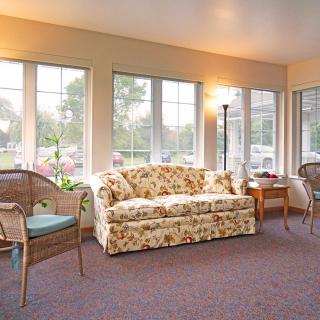





 Guiding Your Journey: Understanding Power of Attorney for Elderly Parents
 22 Remarkable Caregiver Support Groups Available Online and In-Person
 Understanding Medicaid Coverage for Assisted Living: A Comprehensive Guide