
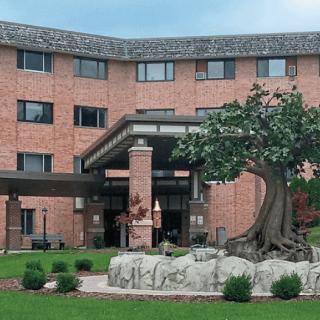
501 South Winsted Po Box 759, Spring Green, WI 53588
For more information about senior living options: (866) 208-4318
Overall Review of Greenway Manor
Pros
 The caregivers are great.
- The staff is excellent.
- The people are wonderful.
- The physical therapy team is absolutely fabulous.
- The staff is always there for him whenever he needs anything.
- The social worker ensures that his stay is perfect and that the family is well cared for.
- One could not ask for a better team.
- The food is very good.
Cons
 They would have given zero stars because they were not impressed at all.
- They were not impressed whatsoever.
Review
Greenway Manor in Spring Green, Wisconsin is best suited for seniors who need daily assistance coupled with a rehab-oriented approach, and for families that value an engaged, almost family-like care team. The community shows itself strongest with residents who rely on steady caregiver presence and timely support, along with ready access to physical therapy and a proactive social worker who coordinates care and family communication. For those coming from a nursing home or hospital setting, Greenway Manor offers a perceptible upgrade in environment, staffing responsiveness, and overall care quality. The practical focus is clear: reliable help with daily tasks, prompt attention to needs, and a therapy-forward plan that keeps recovery central. This combination often translates into real peace of mind for families watching a loved one regain confidence and independence.
Alternatives may be worth considering for those with different priorities. If independence is the paramount objective and a lighter touch is preferred, a smaller facility or independent living setting might fit better. If a more clinical or hospital-like atmosphere is sought, a traditional nursing home could be a viable option. For families who desire a less hands-on approach to care coordination or who fear a highly structured environment, Greenway Manor’s level of engagement may feel excessive. In short, the choice hinges on how much hands-on support and therapy-driven daily life are valued.
The strongest assets are the people and the care culture that permeate the building. Great caregivers and an excellent staff consistently surface in reviews, and the physical therapy team is repeatedly praised as fabulous. The social worker’s involvement extends beyond the resident to the family, ensuring communication and planning are not dropped. A notably high CNA-to-resident ratio, around 10:1, contrasts with the family’s former experience (8:1) and translates into shorter waits for help and more hands across the wards. These elements collectively offset any concerns about initial impressions, since the overall trajectory is one of attentive, proactive care rather than episodic attention.
Therapy and mobility emerge as standout successes. In stories where prosthetics and rehabilitation are critical, the PT team’s work is described as transformative, with amputee residents regaining walk-ready mobility in a matter of months. An attitude shift, from uncertainty to “I can do this”, highlights the empowering effect of skilled rehabilitation and personalized coaching. Mealtime and social routines reinforce the sense of a supportive ecosystem; lunch with mom is cited as evidence of consistent quality and genuine engagement. The facility’s team approach, across wings and shifts, underscores a culture where everyone pitches in to keep residents safe, fed, and connected.
Residents and families consistently note a peaceful, confident atmosphere created by teamwork. The dining experience is described as good, with consistent quality that supports overall wellbeing. The integration of caregiving, therapy, and family involvement creates a nurturing cycle: staff respond promptly, therapists tailor programs, and social workers align medical and emotional needs with family goals. The occasional negative star in a review serves as a reminder that first impressions can vary, but the enduring testimonials overwhelmingly point to a facility that delivers on its promises when matchups are right. The bottom line is that Greenway Manor’s strengths, careful staffing, rehab-focused routines, and a familial care culture, are the levers that offset any early jitters.
For families weighing options, the practical path is clear. Greenway Manor is a strong fit for those who need reliable daily support, robust rehabilitation potential, and a care team that treats residents, and their families, as partners. Prospective residents should pursue a guided tour, meet the therapy team to understand prosthetic and mobility capabilities, and speak with current families about day-to-day responsiveness. Key questions should center on current staffing ratios, availability of rehabilitation specialists, meal quality, and the social work process for coordinating transitions and family updates. When these elements align, Greenway Manor stands out as a decisive, trust-building choice rather than a hopeful possibility, an option that consistently elevates quality of life for the right resident.
 50 resident community capacity
 Skilled Nursing Facility
 Beauty salon
 Cable or satellite TV
 Dining room
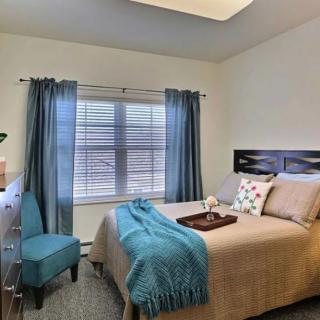
 Fully furnished
 Garden
 Housekeeping services
 Kitchenette
 Move-in coordination
 Outdoor space
 Restaurant-style dining
 Small library
 Telephone
 Wi-Fi/high-speed internet available
 24-hour call system
 Activities of daily living assistance
 Assistance with bathing
 Assistance with dressing
 Assistance with transfers
 Diabetes diet
 Medication management
 Mental wellness program
 Special dietary restrictions


 Urinary Tract Infections in Older Adults: Comprehensive Insights on Symptoms, Treatment, and Prevention
 California's Form 602A: An In-Depth Examination of Senior Care Assessment
 Comprehensive Look at Senior Blood Pressure Charts: Normal and Elevated Levels by Age