
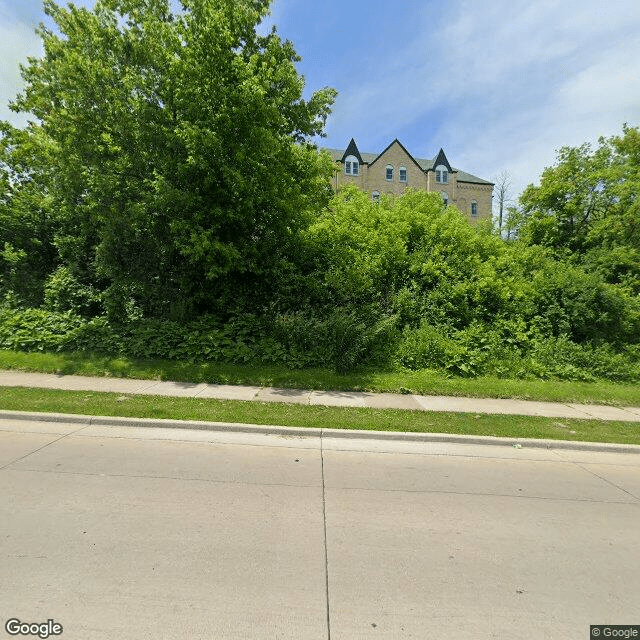
2000 W 6th St, Racine, WI 53405
To contact a resident: (262) 880-5301
For more information about senior living options: (866) 208-4318
Overall Review of Our Harmony Club
Pros
 The all-volunteer staff is incredible.
- The staff's positive attitudes when working with seniors are outstanding.
- The volunteers are welcoming and patient, helping newcomers settle in.
- Harold becomes a relaxed member of the club's family and enjoys the activities.
- Jim spends two days a week at Our Harmony Club and consistently has good days with his friends.
- The volunteers and staff take great care of attendees, keeping them engaged and having fun.
- The respite care is simply the best, and seniors love going and having fun.
Cons
 He was anxious at first.
- He would be waiting with his coat on when I arrived to pick him up.
Review
Our Harmony Club in Racine is best suited for families seeking a welcoming, social daytime program that delivers meaningful engagement for seniors while offering reliable respite for caregivers. The model centers on a devoted corps of volunteers who bring warmth and patience to activities, games, and small-group interactions. It works especially well for older adults who respond to an informal, home-like atmosphere where staff treat attendees like extended family and where daily routines are built around companionship, conversation, and lightly structured recreation. This is not an overnight or full-care setting; it’s a daytime program designed to sustain connection and mood through shared experiences.
For seniors who require round-the-clock supervision, continuous medical oversight, or medication-management support, alternatives should be explored. This community shines as a day program with socialization at its core, but it lacks the full-time clinical staffing typical of licensed assisted living or memory-care communities. Families should consider whether a loved one’s cognitive needs, behavioral challenges, or need for constant monitoring fit within a volunteer-led, daytime framework. If 24/7 care or a more formal medical milieu is necessary, a traditional assisted living option would likely be a safer match.
From the reviews, the strongest pro is the culture of care created by volunteers who carry positive energy into every interaction. The staff’s welcoming, patient approach helps anxious participants settle in quickly, turning initial hesitation into genuine involvement. The stories about relatives returning home energized and content, two days a week for one, daily experiences for another, illustrate how socialization, routine, and purposeful activity translate into tangible quality-of-day improvements. The environment feels nurturing, with participants described as part of a close-knit family, and respite care is clearly valued by families who rely on it.
Yet the model has constraints. The reliance on volunteers means coverage can vary, and the level of medical or crisis support is not equivalent to a licensed facility. A 1-star review signals that not every experience aligns with the best intentions; for some families or individuals, gaps in accountability or pace of care may matter. There is no mention of overnight options or extensive medical services, which means this setting may fall short for those needing continuous supervision, complex medications, or behavioral management. The absence of a structured clinical framework can also make transitions harder for someone with more advanced memory loss.
When weighing those cons, the pros still carry significant weight for many families. The social stimulation and personalized attention appear to produce meaningful improvements in mood, engagement, and daily functioning, which in turn supports caregivers by reducing the burden of constant monitoring at home. The quick intake, accessibility, and the apparent enthusiasm of volunteers help families feel that a loved one is entering a caring, hopeful environment. For day-program or respite needs, this model delivers strong value: engagement, connection, and a sense of belonging that can be hard to find elsewhere.
In making a decision, use this program as a targeted daytime engagement and caregiver relief solution rather than a full-time residence. Plan a short-term trial to assess fit, ask about volunteer-to-participant ratios, safety procedures, and how medical questions are handled during the day. Consider the loved one’s stage of memory impairment and whether discussions with a physician about appropriate care settings are warranted. For families prioritizing companionship, mood stabilization, and easy access in Racine, Our Harmony Club is a practical, confident choice, the kind of option that delivers real upside with manageable tradeoffs.
 Day Program
 Air-conditioning
 Indoor common areas
 General Mitchell International (16 miles away)
 Incontinence care
 Medication management
 Meals provided
 Art classes
 Live musical performances
 Trivia games

 A Detailed Exploration of Living Wills and Advance Directives
 Comprehensive Guide to Medicare Coverage for Hospice Care
 Caring for Those Who Care: Recognizing, Understanding, and Overcoming Caregiver Burnout