
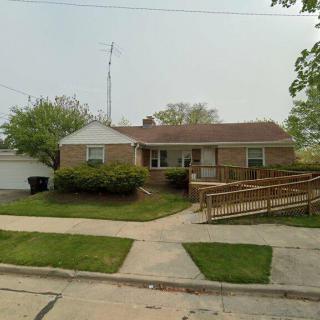
1508 Russet Street, Racine, WI 53405
For more information about senior living options: (866) 208-4318
Overall Review of Quality Care Adult Family Home II
Pros
 The staff were great and attentive.
- She absolutely loved it.
- They completely helped to get her out of the house and doing fun, enriching activities with staff at Quality Care.
- By the time she got home, she was relaxed and her behaviors were reduced significantly.
- Thanks to Quality Care!
Review
Quality Care Adult Family Home II in Racine is best suited for seniors or adults who need daily living assistance and behavioral support, delivered in a small, intimate setting where every resident can receive highly personalized attention. The model here hinges on a home-like atmosphere with a dedicated staff who can form meaningful relationships. Residents who benefit most are those who respond to structured, engaging activities and one-on-one interaction, rather than those who require broad clinical services or a large, program-driven campus. The positive dynamic described by families centers on staff who know the resident well, anticipate needs, and translate care into real, everyday comfort.
Families should consider alternatives if medical complexity is high or if 24/7 licensed nursing oversight is a priority. In other words, this community may be less than ideal for residents whose care requires intensive clinical management, frequent medication administration by a nurse, or specialized memory-support programs that are integrated into a larger care campus. Larger assisted living environments with dedicated memory care wings or hospital-affiliated facilities often offer more expansive on-site medical resources and a wider array of specialized therapies. For those whose loved ones need robust clinical infrastructure, exploring options beyond a small family home setting is prudent.
The strongest pro here is the staff’s attentiveness paired with meaningful engagement. The review highlights that staff not only supervised activities but actively included the resident in enriching outings and daily routines, which can transform behavior and mood. When a resident is invited to participate in purposeful activities, the resulting sense of purpose, companionship, and structured stimulation tends to reduce agitation and restlessness. The ability to get out of the house, connect with staff in a relaxed context, and return calmer is a powerful indicator of effective, person-centered care in a small-home model.
Another notable pro is the evident impact on behavior and relaxation after visits or days spent at the home. The resident’s behaviors were described as reduced after engaging with staff and activities, suggesting that the care approach yields tangible, real-world benefits. This is especially meaningful for families dealing with behavioral challenges who need predictable routines and a trusted caregiver team. The limited testimonial still conveys a compelling picture: consistent engagement can translate into shorter-term improvements in daily functioning and emotional well-being, which are often the deciding factors for families weighing admission.
In weighing pros and cons, the documented strengths, attentive staff, meaningful enrichment, and behavioral improvements, largely offset potential downsides inherent to small, home-style settings. The trade-offs come into sharper relief when the resident’s needs include more than companionship and activity programming. The absence of explicit medical-on-site details in the testimonial invites families to verify staff training in behavior management, medication handling, and emergency protocols, as well as to confirm the availability of 24/7 nursing coverage or on-call physicians. Still, for residents whose priorities center on feeling seen, heard, and engaged, the advantages here are substantial and persuasive.
Ultimately, Quality Care Adult Family Home II can be a strong fit for families seeking a high-touch, relationship-based living option in Racine. It is especially well-suited for residents who respond to individualized attention and who gain stability from daily, structured activities that channel energy into constructive engagement. Those who place priority on clinical intensity, advanced medical services, or expansive programming may want to consider alternatives. For the right resident, this community delivers a compelling combination of warmth, personalized care, and behavioral relief that can be difficult to match in larger settings.
 3 resident community capacity
 Assisted Living
 Cable or satellite TV
 Dining room
 Fully furnished
 Garden
 Housekeeping services
 Move-in coordination
 Outdoor space
 Telephone
 Wi-Fi/high-speed internet available
 General Mitchell International (17 miles away)
 24-hour supervision
 Activities of daily living assistance
 Assistance with bathing
 Assistance with dressing
 Assistance with transfers
 Diabetes diet
 Meal preparation and service
 Medication management
 Special dietary restrictions
 Transportation arrangement (medical)
 Transportation to doctors appointments


 Understanding Medicaid Coverage for Assisted Living: A Comprehensive Guide
 How and When Medicaid May Cover Assisted Living Costs
 A Detailed Exploration of Assisted Living Medicaid Waivers Across the United States