
For more information about senior living options: (844) 490-3973
5 from 1 review
Assisted LivingMemory Care
What level of care are you interested in?
Assisted Living
Memory Care
Independent Living
Skilled Nursing Facility
Continuing Care Retirement Community (CCRC)CCRC
Other
Who are you looking to provide information for?
Myself
Parent
Spouse
Grandparent
Friend
Other
What is your move timeline?
Immediately
1 - 3 months
3+ months
Unsure
Is there a Monthly Budget Range you're trying to work for?
Over $5,000
$2,000 to $5,000
Under $2,000
Unsure
Almost Done! Who do we have the pleasure of working with today?
Thank you
One of our local senior advisors will contact you shortly.
Request a tour at Manna House Adult Daycare II
Features
Housing
24 resident community capacity
Types of Care
Assisted LivingAssisted living facilities provide crucial support and care for seniors who may need help with daily tasks such as medication management, bathing, and meal preparation. These communities offer a safe and comfortable environment where seniors can maintain their independence while receiving the assistance they need to thrive in their golden years.
Memory CareMemory care is crucial for seniors as it provides specialized support and services for individuals with dementia or Alzheimer's disease. These programs offer a safe and secure environment where residents receive personalized care, cognitive stimulation, and help with daily activities. Memory care helps seniors maintain their independence, quality of life, and dignity while also providing peace of mind for their families.
Amenities
Beauty salonBeauty salons are important for seniors because they provide a space for them to feel pampered, socialize, and maintain their personal grooming and hygiene. Regular visits to a beauty salon can help boost seniors' self-esteem and overall well-being.
Cable or satellite TVCable or satellite TV is important for seniors because it provides entertainment, news, and companionship, helping to combat loneliness and boredom. It also offers a wide range of programming options tailored to different interests and preferences.
Dining roomDining rooms are important for seniors as they provide a space for socialization, connection, and nutritious meals. They offer opportunities for residents to bond over shared meals, foster a sense of community, and promote healthy eating habits. Dining rooms also ensure that seniors have access to well-balanced meals tailored to their dietary needs and preferences.
Fully furnishedFully furnished senior living communities are important for seniors because they provide convenience, comfort, and a hassle-free moving experience. Seniors can easily settle into their new living space without the stress of having to buy and move furniture. This allows them to focus on enjoying their new home and community.
GardenGardens are important for seniors as they provide a peaceful and therapeutic environment for relaxation, physical activity, and socialization. Being in nature has been shown to reduce stress, improve mood, and promote overall well-being. Gardens also offer opportunities for seniors to engage in gardening activities, which can improve mobility, flexibility, and cognitive function. Additionally, gardens create a sense of community and connection with others who share a passion for plants and outdoor spaces.
Housekeeping servicesHousekeeping services are important for seniors because they help maintain a clean and safe living environment, promote independence, and reduce the risk of accidents or illnesses. Additionally, having assistance with household chores can alleviate physical strain and allow seniors to focus on other aspects of their well-being.
KitchenetteKitchenettes are important for seniors living in senior living communities because they provide the convenience and independence of being able to prepare simple meals and snacks in the comfort of their own living space. This can help promote a sense of autonomy and well-being for seniors, allowing them to maintain some level of control over their dietary choices and daily routines.
Move-in coordinationMove-in coordination is important for seniors because it helps ease the transition into their new living environment. It ensures that all logistics, such as packing, organizing movers, and setting up utilities are taken care of, allowing seniors to focus on settling in and adjusting to their new home. Having a smooth move-in process can alleviate stress and anxiety, making the transition smoother and more enjoyable for seniors.
Outdoor spaceOutdoor spaces are important for seniors as they provide opportunities for physical activity, social interaction, exposure to natural light and fresh air, and a sense of connection to nature. Having access to outdoor spaces can improve overall well-being and quality of life for older adults living in senior communities.
Restaurant-style diningRestaurant-style dining is important for seniors because it allows them to enjoy delicious, nutritious meals in a social and upscale setting. This enhances their dining experience, promotes healthy eating habits, and fosters socialization with fellow residents, ultimately contributing to their overall well-being and quality of life.
Small librarySmall libraries are important for seniors as they provide access to a variety of reading materials, including books, newspapers, and magazines. This can help stimulate their minds, keep them engaged, and provide a sense of community through book clubs and other social activities. Additionally, reading has been shown to improve cognitive function and overall mental well-being in older adults.
TelephoneTelephones are important for seniors as they provide a lifeline for communication with loved ones, emergency services, and healthcare providers. They offer a sense of security and independence, enabling seniors to stay connected and access assistance when needed.
Wi-Fi/high-speed internet availableWi-Fi/high-speed internet is important for seniors to stay connected with loved ones, access online resources, and participate in virtual activities to combat feelings of loneliness and isolation. It also allows them to easily manage healthcare needs, access entertainment, and engage in lifelong learning opportunities.
Transportation
General Mitchell International (16 miles away)
Care Services
24-hour call system24-hour call systems are important for seniors because they provide peace of mind and immediate assistance in case of emergencies. This technology ensures that help is always available, promoting safety and security for elderly individuals living alone or in assisted living facilities.
24-hour supervision24-hour supervision is important for seniors to ensure their safety, well-being, and access to immediate assistance in case of emergencies or health issues. This constant support provides peace of mind for both seniors and their loved ones, allowing them to age in place with dignity and security.
Activities of daily living assistanceActivities of daily living assistance are important for seniors because they provide essential support with tasks such as eating, bathing, dressing, and mobility. This assistance helps seniors maintain their independence, dignity, and overall quality of life as they age.
Assistance with bathingAssistance with bathing is crucial for seniors as it helps maintain personal hygiene, prevents infections, and ensures their overall well-being and comfort. It also provides a sense of dignity and independence for seniors who may struggle with this task on their own.
Assistance with dressingAssistance with dressing is important for seniors because it helps maintain their independence, promotes personal hygiene, prevents accidents and injuries, and improves overall quality of life. This service ensures that seniors can continue to dress comfortably and confidently, despite any physical limitations they may have.
Assistance with transfersAssistance with transfers is crucial for seniors as it helps prevent falls and injuries, maintains their independence, and ensures they can safely navigate their living environment. It also provides peace of mind for both seniors and their loved ones.
Diabetes dietA diabetes diet is crucial for seniors as it helps manage blood sugar levels, reduce risks of complications, and improve overall health and well-being. By following a balanced and nutritious diet tailored to their specific needs, seniors can better control their diabetes and enhance their quality of life.
Meal preparation and serviceMeal preparation and service are crucial for seniors as they may have limited mobility or energy to cook nutritious meals. Having access to healthy and convenient food options can ensure they are getting the proper nutrition needed to maintain their overall health and well-being.
Medication managementMedication management is crucial for seniors to ensure they are taking the right medications at the correct dosages and times. This helps prevent adverse drug interactions, reduces the risk of medication errors, and promotes overall health and well-being. Proactive management also allows for adjustments as needed based on changing health conditions or new prescriptions.
Mental wellness programMental wellness programs are essential for seniors as they promote cognitive stimulation, emotional support, and social engagement. These programs help prevent isolation, depression, and cognitive decline, ultimately enhancing the overall quality of life for older adults.
Mild cognitive impairment"Mild cognitive impairment" is important for seniors because it is an early stage of cognitive decline that can potentially progress to more severe conditions such as dementia. Recognizing and addressing mild cognitive impairment can help seniors receive appropriate care and support to maintain their quality of life and independence for as long as possible.
Special dietary restrictionsSpecial dietary restrictions are important for seniors because age-related changes in metabolism and health conditions can make it difficult for their bodies to process certain foods. By following a diet tailored to their specific needs, seniors can maintain their overall health and well-being, manage chronic conditions, and reduce the risk of complications such as malnutrition or food interactions with medications.
Specialized memory care programmingSpecialized memory care programming is crucial for seniors with cognitive impairments such as dementia or Alzheimer's disease. These programs provide a safe and supportive environment tailored to the unique needs of individuals with memory loss, helping them maintain their independence, dignity, and quality of life.
Dining
Diabetes dietA diabetes diet is crucial for seniors as it helps manage blood sugar levels, reduce risks of complications, and improve overall health and well-being. By following a balanced and nutritious diet tailored to their specific needs, seniors can better control their diabetes and enhance their quality of life.
Special dietary restrictionsSpecial dietary restrictions are important for seniors because age-related changes in metabolism and health conditions can make it difficult for their bodies to process certain foods. By following a diet tailored to their specific needs, seniors can maintain their overall health and well-being, manage chronic conditions, and reduce the risk of complications such as malnutrition or food interactions with medications.
Activities
Community-sponsored activitiesCommunity-sponsored activities are important for seniors as they provide opportunities for social interaction, mental stimulation, and physical activity. These activities can help improve overall well-being, combat loneliness and isolation, and promote a sense of belonging and purpose among older adults.
Resident-run activitiesResident-run activities are important for seniors as they encourage social interaction, creativity, and a sense of autonomy. These activities empower seniors to stay engaged and active in their community while fostering meaningful connections with their peers.
Scheduled daily activitiesScheduled daily activities are important for seniors because they provide structure, socialization, mental stimulation, and physical activity. Engaging in regular activities can improve overall well-being and quality of life for seniors living in a community setting.
Description
Manna House Adult Daycare II in Racine, WI is an assisted living community that focuses on providing exceptional memory care services for its residents. The community boasts a range of amenities and services to ensure a comfortable and enriching living environment.
Residents at Manna House Adult Daycare II can enjoy their favorite shows and programs with the convenience of cable or satellite TV. The spacious dining room allows for enjoyable meals where residents can socialize with fellow residents. Each living space is fully furnished, creating a cozy atmosphere. The community also features a beautifully landscaped garden and outdoor space for residents to relax and enjoy nature.
Housekeeping services are provided to ensure that the community remains clean and well-maintained. A kitchenette is available for residents who prefer to prepare their own snacks or beverages. Move-in coordination is offered to assist new residents in transitioning smoothly into their new home.
Residents can stay connected with family and friends through the availability of telephone services and Wi-Fi/high-speed internet access. Manna House Adult Daycare II provides 24-hour supervision to ensure the safety and well-being of all its residents. Activities of daily living assistance are provided, including bathing, dressing, and transfers.
The community offers specialized memory care programming designed to support individuals with mild cognitive impairment. Assistance with medication management is provided, ensuring that residents receive their required medications on time.
A mental wellness program is available to promote emotional well-being among residents. Meals are prepared following diabetes diets if needed, as well as any other special dietary restrictions that may be necessary.
Residents can engage in resident-run activities as well as scheduled daily activities organized by the community. Nearby cafes, parks, pharmacies, physicians' offices, restaurants, theaters, and hospitals provide convenient access to additional amenities and resources within the surrounding area.
At Manna House Adult Daycare II in Racine, WI, individuals requiring memory care can find a welcoming community that prioritizes their comfort, safety, and overall well-being.
Nearby Places of Interest
Pharmacies
CVS Pharmacy (0.1 miles)
Ascension Rx - Racine Pharmacy (0.9 miles)
Walgreens (1.1 miles)
Walgreens (1.2 miles)
Nutritional Designs & Pharmacy (1.3 miles)
Walgreens (1.6 miles)
Walmart Pharmacy (1.6 miles)
Cafes
Wilson's Coffee & Tea (0.2 miles)
Starbucks (6.8 miles)
The Coffee Pot (8.9 miles)
Harborside Common Grounds (9.1 miles)
Physicians
Atrium At Wheaton Franciscan (0.9 miles)
All Saints Pediatrics (0.9 miles)
Spring Street Medical Offices (0.9 miles)
Eye Clinic Of Racine (1 miles)
Neurological Clinic (1 miles)
GI Associates (1 miles)
Rudy Byron, MD (1.4 miles)
Hospitals
Wheaton Franciscan Healthcare - All Saints (0.9 miles)
Manna House Adult Daycare II implements a range of tailored features designed to support residents with dementia or Alzheimer's disease, enhancing their quality of life and ensuring safety. Assistance with dressing and bathing fosters dignity while also addressing the physical challenges faced by individuals in various stages of cognitive decline. Medication management assures compliance with prescribed treatments, reducing the risk of medication errors, which can exacerbate health issues. Meal preparation and service cater not only to nutritional needs but also create a comforting routine that is essential for residents' well-being. Activities of daily living assistance helps maintain independence where possible, promoting self-esteem through manageable tasks. The provision of 24-hour supervision ensures a secure environment, allowing families to have peace of mind regarding their loved one's safety. Additionally, specialized memory care programming and a mental wellness program are pivotal in stimulating cognitive function, providing social engagement, and addressing emotional health--factors crucial for those experiencing mild cognitive impairment or more advanced memory challenges.

Nearby Communities
Manna House
Racine, WI
5 from 1 review
Small, personalized assisted living with furnished apartments and comprehensive services.

Our Harmony Club
Racine, WI
4.4 from 7 reviews
Engaging activities with on-site care in a comfortable, air-conditioned setting.
Professional Care Group Racine
Racine, WI
1 from 7 reviews
Fully furnished apartments with meals, 24/7 supervision, medication management, and medical transportation.
Hunting For More Love
Racine, WI
Cozy, fully furnished apartments with personalized care, engaging activities, and convenient amenities.
Compassionet & Care 1
Racine, WI
5 from 1 review
Intimate, small-community setting with fully furnished apartments, nutritious meals, housekeeping, 24/7 supervision, and medical transportation.
Morning Glory Adult Family Home
Racine, WI
Intimate, personalized care in a small, fully furnished home with diabetes-friendly meals and transportation for medical appointments.
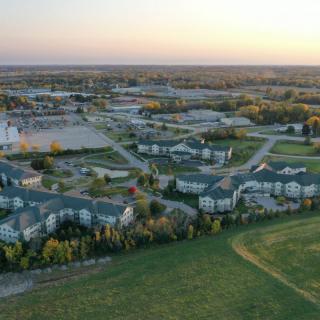
Parkview Gardens
Racine, WI
4.1 from 50 reviews
$4,150 to $5,270 / month
Compassionate staff delivering personalized care.
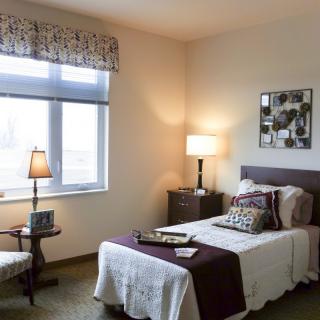
Ascension Living Lakeshore at Siena
Racine, WI
4.4 from 112 reviews
$2,500 to $6,878 / month
Caring staff with engaging activities and quality therapy.

Manor Of Kenosha
Kenosha, WI
2.9 from 8 reviews
Caring staff and effective therapy; improvements under new management.
Dementia encompasses a range of cognitive impairments characterized by types such as Alzheimer's and vascular dementia, and follows a seven-stage progression model known as the Global Deterioration Scale (GDS), highlighting varying symptoms and decline timelines. Early detection allows for lifestyle adjustments to potentially slow progression, while caregivers need support and resources to manage the challenges involved in caring for affected individuals.
The article presents eight strategies for preserving cognitive health and memory in older adults, emphasizing a nutrient-rich diet, regular exercise, intellectually stimulating activities, adequate sleep, social connections, stress management techniques, limiting harmful substances, and regular medical checkups to mitigate age-related memory decline.

Activities of Daily Living (ADLs) are fundamental tasks vital for an individual's independence, particularly in older adults over 85, and include functions like bathing and dressing; assessing ADLs alongside Instrumental Activities of Daily Living (IADLs) helps determine the level of required assistance due to age-related health challenges. Tailored support plans, involving family and community resources, are essential for maintaining dignity and autonomy in assisted living environments.

×
Get PricingAsk A QuestionSchedule A TourContact Senior Advisor
Thank You!
We'll be in touch soon.
Sun
Mon
Tue
Wed
Thu
Fri
Sat
Morning (between 8am and 12pm)
Afternoon (between 12pm and 3pm)
Late Afternoon (between 3pm and 5pm)
By continuing, you agree to receive text messages and emails related to my inquiry and understand that message & data rates may apply.
Assisted Living
Memory Care
Independent Living
Respite Care
Skilled Nursing Facility
Continuing Care Retirement Community (CCRC)
Adult Communities (55+)
Myself
Parent
Spouse
Grandparent
Friend
Other
Immediately
1 - 3 months
3+ months
Unsure
Over $5,000
$2,000 to $5,000
Under $2,000
By continuing, you agree to receive text messages and emails related to my inquiry and understand that message & data rates may apply.