
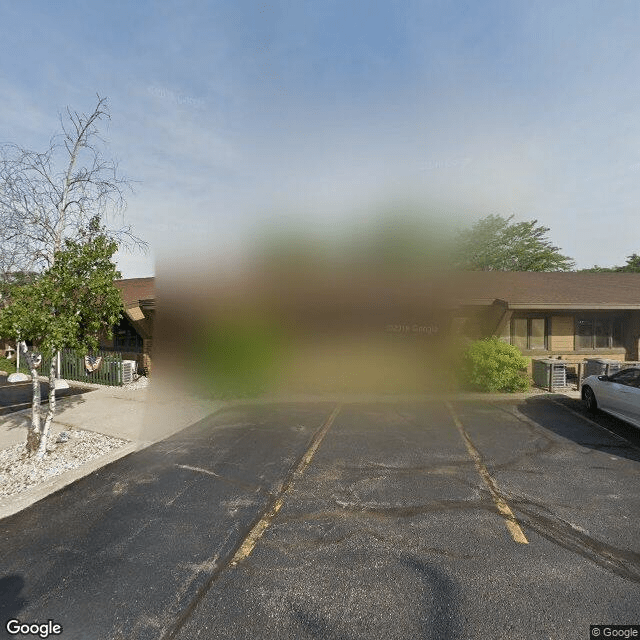
6233 Bankers Road Suite 18-E, Racine, WI 53403
To contact a resident: (262) 910-1391
For more information about senior living options: (866) 208-4318
Overall Review of Interim Healthcare of Racine/Kenosha
Pros
 Two of the six caregivers were good.
- A few staff were open to suggestions and willing to listen and learn.
Cons
 One reviewer would not give them even one star.
 - The reviewer accuses Henri Sanan, the owner, of refusing to pay a PCW who worked for them.
- The PCW is said to be owed $1,452, and the reviewer believes it’s unlikely they’ll ever receive it.
- The reviewer urges others not to support the company.
- State HMO clients are advised to seek a different care provider immediately.
- Several employees reportedly arrived with police to request their paychecks.
- Henri is alleged to have ranted about racism instead of admitting he can’t pay employees.
- The reviewer claims Henri misappropriated funds and that people just want the money they earned.
- The reviewer suggests that the reviewer’s own payment for in-home care was kept by Henri.
- After posting the review, Interim supposedly canceled the reviewer’s service and cut ties.
- The reviewer calls the company a nightmare and says they can’t get decent help because pay is too low.
- Only 2 of 6 aides were considered good; others left or couldn’t come because Interim hadn’t paid them.
- The office is described as unresponsive and staff as avoiding both employees and clients.
- The company is said to lack compassion for both employees and clients.
- Potential customers are warned not to use the company; alternatives are recommended.
- The company is described as being run into the ground.
- The owner is said to get angry at bad reviews.
- The reviewer claims the company cannot pay employees on time and should show compassion.
- A caregiver is described as unprofessional and lazy, sitting at the kitchen table or in her car on her phone and refusing to clean.
- The caregiver allegedly lied to the apartment complex about additional occupants, nearly getting the reviewer evicted.
- The reviewer would not recommend the place to anyone.
- Staffing is inconsistent, and some caregivers won’t drive to homes due to high gas prices.
- The office manager is described as rude, and caregivers as inept and uneducated about personal needs, with poor punctuality.
- Some staff are alleged to steal from bedridden individuals.
- Clients sometimes must train the people they employ, which is sad for the elderly who can’t speak up.
- A hiring manager is described as super rude, making dismissive comments like “one of those again,” implying turnover issues.
Review
This community is best suited for families who must secure in-home care on a tight budget and can tolerate ongoing staffing instability. The persistent pattern in feedback shows a payroll crisis that translates directly into missed visits, abrupt service withdrawals, and a fragile ability to maintain any steady schedule. When daily living tasks and personal care hinge on predictable caregiver presence, the agency’s payroll and scheduling reliability becomes a material safety issue. The owner’s alleged pay disputes and the frequent turnover create a fragile operating environment, making consistent, respectful care a conditional promise rather than a taken-for-granted standard.
Alternatives deserve serious consideration for anyone who cannot tolerate ongoing disruption. A family facing these concerns should look toward larger, well-established home-health providers, hospital-affiliated programs, or state-regulated agencies that publish clear payroll practices, scheduling guarantees, and escalation paths. These options typically come with more transparent communications, steadier caregiver rosters, and a stronger track record of honoring commitments to both clients and staff. In short, if reliability and professional office operations are non-negotiable, the safer move is to pursue other agencies with verifiable stability.
The main cons are pervasive and corrosive. Documented payroll problems have directly affected care delivery, paychecks late or unpaid, staff shortages, and even terminations that leave clients stranded. Staffing consistency is a chronic problem, with reports of aides arriving late, leaving early, or not showing up at all. Professionalism and attentiveness in caregiving are repeatedly criticized, including aides who are described as unprofessional, lazy, or disengaged. The office culture emerges as unresponsive, with calls unanswered and a sense that management is not prioritizing client or employee welfare. The net effect is a fragile care plan that cannot be trusted to remain intact from week to week.
From the limited positives that surface in some encounters, a few caregivers are occasionally competent or open to feedback, and a couple of aides have demonstrated the potential to perform well under supervision. However, those isolated bright spots do not compensate for the broader pattern: staffing gaps, inconsistent attendance, and a management environment that appears ill-equipped to address systemic payroll and communication failures. In practical terms, the sporadic quality of care is outweighed by the real risk of missed visits, abrupt cancellations, and the erosion of trust that is essential for in-home support. Prospects for reliable improvement feel fragile rather than transformative, and that fragility undercuts any latent benefit from the occasional competent aide.
If choosing to move forward, adopt a strict, supervisory approach focused on risk mitigation. Require written guarantees for caregiver eligibility, guaranteed hours, and prompt back-up coverage if a scheduled aide cannot arrive. Insist on a single, accountable supervisor with direct access for emergencies, and demand a detailed, shareable care plan with daily logs and caregiver notes. Implement a short trial period to assess consistency in scheduling, attendance, and the quality of care, with a clear exit clause if standards are not met. Elevate due diligence by verifying licensing, credentials, and references through multiple sources, and set up a contingency plan that includes alternative providers ready to step in without leaving the client unsupported. In short, this provider should be a last resort, entered only with rigorous safeguards and active oversight.
Firmly, the overall verdict is to pursue alternatives whenever possible. The combination of payroll instability, recurrent communication breakdowns, and inconsistent caregiving undermines the core expectations of safety, continuity, and dignity in home care. For families with nonnegotiable needs, reliable visitation, professional staff, and transparent operations, this agency does not meet the standard. If engagement becomes unavoidable, approach it with rigorous controls, clear written expectations, and an exit strategy that preserves the safety and well-being of the loved one at every step.
 General Mitchell International (17 miles away)





 Home Health Care Demystified: A Comprehensive Guide for Families and Caregivers
 Seniors and Modern Transportation: Exploring Uber, Lyft, and Other Ride-Hailing Options
 Comprehensive Guide to Qualifying for Home Health Care Services