
2040 Case Avenue, Racine, WI 53405
For more information about senior living options: (866) 208-4318
Overall Review of Excel Six
Pros
 Tom Cecchini expressed interest in the project.
Cons
 They are very disorganized and unreliable.
- They failed to respond for weeks and did not keep promised timelines.
- They repeatedly promised a proposal by a certain date but never delivered.
- They wasted over two months of the client’s time with excuses.
- They blamed busy schedules and waiting for other bids to justify delays.
- The reviewer notes that potential clients should beware.
Review
Excel Six in Racine, WI is best suited for seniors and families who prioritize affordability and minimal disruption once services are in place, and who can tolerate slow, uncertain decision-making from a vendor-facing leadership structure. The sole testimonial available portrays a pattern of missed follow-through and protracted communication on a basic bid for a capital project. In practical terms, this signals a stewardship style that may struggle with timely care-planning changes, urgent maintenance requests, or clear status updates. For residents counting on predictable schedules and proactive problem-solving, this community’s current dynamics raise meaningful questions about day-to-day reliability.
Those who should consider other options are families needing steadfast oversight, transparent expectations, and accountable governance. If a move hinges on crisp timelines, consistent vendor coordination, or rapid responsiveness to resident concerns, Excel Six may underperform relative to peers. Prospective residents with complex care needs or tight transition deadlines will want to see evidence of disciplined project management, verified references, and a track record of on-time deliverables before committing. This is especially critical in assisted living, where timely communication is a daily necessity rather than a courtesy.
From the available feedback, there are no meaningful advantages documented that could offset the dominant downside: disorganization and unreliability. The review notes multiple delays, unkept promises, and repeated deferrals without accountability. Even if a favorable impression existed at the outset, an interest in the project or willingness to bid, the follow-through never materialized. In other words, the primary pro would be a willingness to engage, but that benefit quickly evaporates when promises are repeatedly undone and timelines slip without explanation.
The practical impact on seniors is tangible. Administrative inertia can complicate move-in readiness, timing of care-plan updates, and coordination of maintenance or improvements in living spaces. Families face elevated stress when decisions stall, when questions go unanswered, or when bids and contracts lack clarity. The risk extends beyond a single project: it flags a broader pattern of communication gaps that diminish trust and complicate daily routines. In a setting where residents rely on dependable management for routine scheduling, repairs, and policy enforcement, these red flags matter a lot.
For families evaluating similar communities, several due-diligence steps are essential. Request a written escalation path and a publicly available project-management process, with defined timelines and accountability points. Speak with multiple references from similar projects and verify that deadlines were met and budgets kept. Review contract language for remedies if timelines slip, and confirm who the primary point of contact is and how updates are delivered. Look for a culture of proactive communication, not just occasional responsiveness. A transparent, well-documented track record in vendor coordination often correlates with better day-to-day resident experiences.
Bottom line: Excel Six is not the best choice for families seeking reliable, proactive administration in assisted living. The testimonial illustrates a leadership style prone to delays and excuses, with little evidence of consistent follow-through. Alternatives with proven, resident-focused governance, prompt communications, and strong maintenance/scheduling discipline should be prioritized. When evaluating options, bias toward operators who demonstrate accountability, measurable timelines, and clear, regular updates. In the decision process, this community's current indicators should steer families toward seeking stronger performers, ones that translate promises into punctual, transparent service for everyday living and care.
 4 resident community capacity
 Assisted Living
 Cable or satellite TV
 Dining room
 Fully furnished
 Garden
 Housekeeping services
 Move-in coordination
 Outdoor space
 Telephone
 Wi-Fi/high-speed internet available
 General Mitchell International (17 miles away)
 24-hour supervision
 Activities of daily living assistance
 Assistance with bathing
 Assistance with dressing
 Assistance with transfers
 Diabetes diet
 Meal preparation and service
 Medication management
 Special dietary restrictions
 Transportation arrangement (medical)
 Transportation to doctors appointments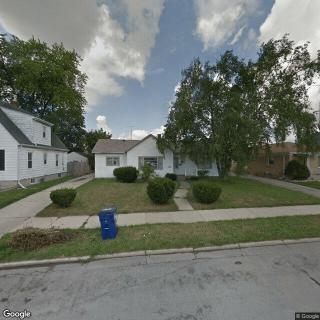






 Comprehensive Supportive Living Arrangements for Adults with Disabilities
 Funding and Affording Assisted Living: A Thorough Overview
 Assisted Living Expenses and Long-Term Care Insurance: A Comprehensive Exploration