
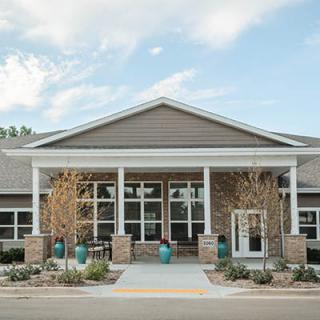
7900 94th Ave, Pleasant Prairie, WI 53158
To contact a resident: (262) 942-9660
For more information about senior living options: (866) 208-4318
Prairie Ridge Senior Campus Costs & Pricing
Prairie Ridge Senior Campus offers competitive pricing for its accommodations, providing a cost-effective alternative to the broader market in Kenosha County and across Wisconsin. The monthly rates at Prairie Ridge for a one-bedroom unit stand at $737, significantly lower than the county average of $2,972 and the state average of $3,412. Similarly, the two-bedroom units are priced at $896, which contrasts sharply with Kenosha County's average of $2,563 and Wisconsin's average of $3,111. This positioning highlights Prairie Ridge as an attractive option for seniors seeking quality living arrangements without overextending their financial resources.
| Floor plans | Prairie Ridge Senior Campus | Kenosha County | Wisconsin |
|---|---|---|---|
| 1 Bedroom | $737 | $2,972 | $3,412 |
| 2 Bedrooms | $896 | $2,563 | $3,111 |
Senior living communities with a similar price nearby
-
from +$40 / mo
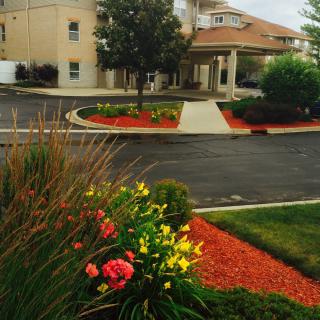
Brenwood Park
$777 to $932 / month23.6 miles away -
from -$30 / mo
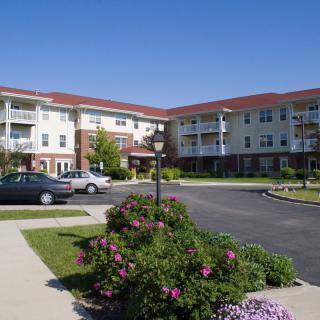
Bell Tower Place
$707 to $817 / month23.9 miles away -
from +$28 / mo
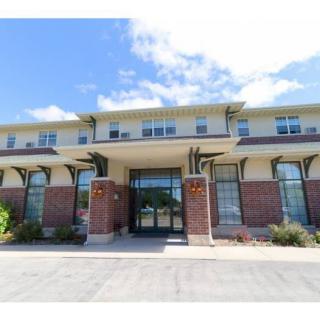
Clare Meadows Senior Apartments
$765 to $892 / month24.0 miles away -
About the same

Springbrook Village
$750 to $850 / month18.6 miles away -
from +$138 / mo
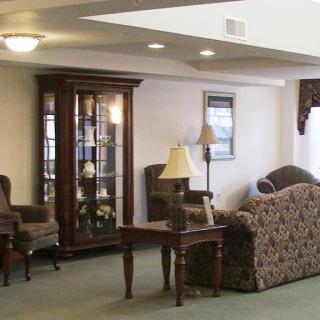
Killarney Kourt
$875 to $1,005 / month9.5 miles away
Overall Review of Prairie Ridge Senior Campus
Pros
 The staff and residents are friendly, answer questions promptly, and the community hosts numerous events.
- New management has brought many positive changes, and the Pleasant Prairie campus is highly regarded.
- The tenants at Prairie Ridge Sr. are great to work with, welcome everyone openly, and participate in a wide range of events.
- After three years, residents highlight a strong management team, including a highly satisfactory new manager and a capable maintenance manager, with abundant social activities and many new friendships; they would recommend it.
- A resident’s mother has lived there for two years and speaks highly of the welcoming community that family members can visit.
Cons
 It is described as a horrible place where the staff do not care at all.
- The office management is described as terrible and was replaced several months later.
- Well-being checks are reportedly not performed and calls are abruptly hung up.
- Families and grandchildren are reportedly not allowed to visit, and elderly residents are treated rudely.
- The property is described as not a good place to live and completely mismanaged.
Review
Prairie Ridge Senior Campus in Pleasant Prairie, Wisconsin is best suited for seniors who want an active, neighborly atmosphere and who rely on approachable staff to keep a steady stream of social opportunities. This community thrives on engagement: a calendar packed with events like bingo, brunch gatherings, and social hours that foster real connections among residents. It works well for individuals who don’t want to be isolated and who value a sense of belonging as a core part of daily life. Those who want transparent billing and visible improvements in management will also find it aligns with a practical, forward-moving mindset. In short, it rewards participants who lean into the community and make the most of its activity calendar.
On the positives, Prairie Ridge earns credit for a welcoming resident culture and responsive administration. Reviews point to friendly people who answer questions promptly and to a staff that has delivered meaningful changes under new leadership, including improvements in invoicing and overall administrative operations. Maintenance is described as capable and available, with a reputation for keeping up common areas and responding to needs. The social fabric, the way neighbors look out for one another and participate in a shared rhythm of events, helps mitigate the ordinary stresses of senior living. For households seeking affordability within a Section 42 framework, the campus offers an income-conscious path, though eligibility remains a practical gating factor.
Yet the landscape is not without significant cautions. A spectrum of reviews threads a cautionary line: mismanagement during leadership transitions, a problematic office staff dynamic in the past, and reports of hostile treatment toward residents or their families. One memorable incident described a staff member terminating a wellbeing check inquiry in a curt manner, which raises red flags about safety culture and resident advocacy. Other concerns focus on visitation and family access, with some observers noting rigid or unclear policies around guests. Physical condition concerns surface as well, paint needing refresh and dated laundry facilities, adding a layer of aging infrastructure to the decision calculus.
These strengths and weaknesses create a mixed once-removed calculus: the benefits of an active, sociable environment and responsive, improving management can offset many concerns when leadership remains engaged and transparent. The influx of new management has already shifted the tone in a positive direction, and strong maintenance support helps shore up the resident experience. However, credibility matters: ongoing consistency in resident relations, compassionate treatment, and dependable wellbeing oversight are not trivial frictions to overlook. For families prioritizing a consistently warm, proactive care culture, the evidence suggests careful due diligence is required to confirm that current practices match the optimistic trajectory noted after recent leadership changes.
Prospective residents and families should verify several practical points before committing. Schedule time to speak directly with the current manager and maintenance leadership to gauge responsiveness and expectations. Observe the reception during peak activity times to see how staff interact with residents and whether questions are answered with clarity and patience. Obtain a current understanding of wellbeing checks, response protocols, and what safety oversight looks like on a day-to-day basis. Confirm the precise Section 42 eligibility criteria and how recent admissions have been handled to avoid unpleasant surprises. Finally, visit with several long-term residents to assess whether the warmth and support claimed in success stories remains consistent in everyday life. A candid, in-person assessment will reveal whether the community’s energized social life truly translates into reliable, respectful care.
Prairie Ridge Senior Campus represents a practical fit for seniors who prize social fulfillment and ongoing management evolution, but it demands careful vetting for those whose top priority is unwavering warmth, predictable safety practices, and a frictionless visitation environment. Alternatives should be considered for families where daily empathy and a consistently steady staff presence are non-negotiables. The campus can deliver a vibrant, engaged living experience when current leadership steadfastly commits to resident-centric practices, transparent communication, and durable operational stability. If those commitments align with resident needs, Prairie Ridge can be a strong, rewarding choice; if not, it’s prudent to explore other options that guarantee a steadier, more uniformly compassionate daily environment.
 Active Adult Communities (55+)


 Encouraging Participation in Adult Day Care: A Guide to Supporting a Hesitant Parent
 Comprehensive Exploration of Living Wills and Other Advance Directives
 A Detailed Exploration of Living Wills and Advance Directives