For more information about senior living options: (866) 208-4318
4.5 from 23 reviews
5 stars
20
4 stars
0
3 stars
0
2 stars
0
1 stars
3
Overall Review of Hospice Alliance Inc
common21 reviews mention this
Staff compassion is a consistent theme
Residents and families repeatedly describe the team as compassionate and supportive.
Across the reviews, families describe staff who treat patients gently and show compassion during a difficult time. Many mention specific members of the team and the way nurses, aides, social workers, and hospice staff responded to both medical and emotional needs. A small number of reviews report the opposite, including comments about a lack of empathy and trouble handling grieving families.
common7 reviews mention this
Facility feels peaceful and home-like
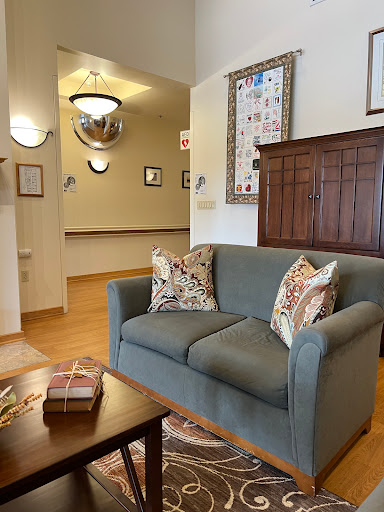
Several reviews highlight a peaceful, home-like setting rather than a hospital feel.
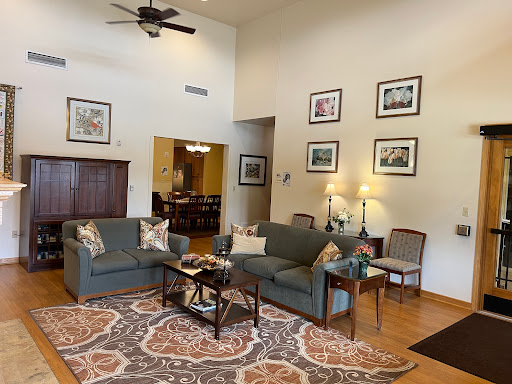
Multiple reviews describe the building as comfortable, peaceful, clean, and set up to feel as close to home as possible. Some families also note details like room cleanliness and the lack of a typical hospital smell. At least one negative review contradicts that tone by describing a worst experience during admissions and care.
common13 reviews mention this
Family support and communication matter
Families mention both emotional support and being kept informed.
Many reviews say staff comforted families, helped meet emotional needs, and answered questions when they were overwhelmed. Several describe social workers and hospice team members who checked on the family’s situation and support needs throughout the process. A few reviews describe communication breakdowns and poor handling of grieving families, which stands out against the more supportive experiences.
caveat3 reviews mention this
Mixed experiences with comfort
A handful of reviews raise concerns about comfort and empathy.
Some reviewers describe comfort management they valued, while others report the opposite—saying their loved one’s last days were far from comfortable. One review cites distress and dissatisfaction with how care was carried out, and another mentions excess medication providing little comfort. Separate from comfort, there are also reviews that express frustration with empathy and admissions or staffing availability at the time of a request.
How we summarize
Counts show how many written reviews mention each theme; a review can touch several themes, and only frequently mentioned themes are displayed.
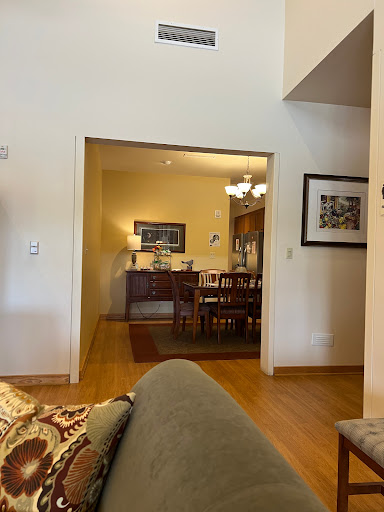
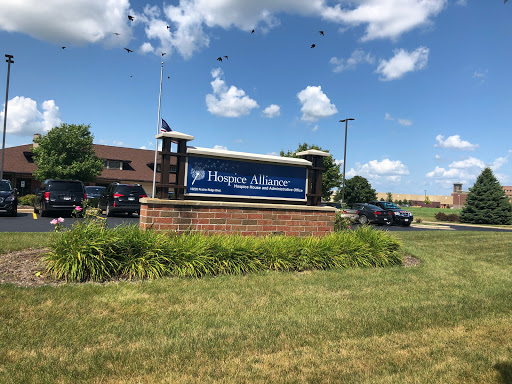
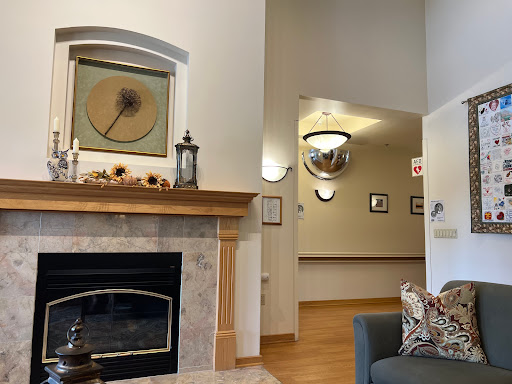
Hospice Alliance Inc on seniors.fyi includes 7 photos including images showing interior, decor, living room, fireplace, lighting, grass, building, artwork, and more.
Nearby Communities
Grande Prairie Health And Rehab Center
Pleasant Prairie, WI
4.5 from 117 reviews
Extensive on-site amenities and care services (dining, salon, fitness, transportation, activities, and medication management).
The Addison of Pleasant Prairie
Pleasant Prairie, WI
4.3 from 110 reviews
$4,550 to $6,225 / month
Clean, welcoming environment with attentive staff and engaging activities in a modern, spacious setting.
Prairie Ridge Senior Campus
Pleasant Prairie, WI
3.5 from 12 reviews
$737 to $896 / month
Competitive pricing for 1- and 2-bedroom units.
Brookdale Kenosha
Kenosha, WI
4.2 from 89 reviews
$4,385 to $4,885 / month
Clean, well-maintained, homey environment with engaging staff and activities.
M & M AFH LLC
Kenosha, WI
$4,770 / month
Private rooms with private bathrooms; on-site memory care and activities.
New Seasons Winter Home
Kenosha, WI
Specialized memory care with 24/7 supervision and care coordination.
Kenosha Place Senior Living
Kenosha, WI
4.2 from 64 reviews
$2,670 to $3,300 / month
Friendly staff, clean environment, and engaging activities.
Manor Of Kenosha
Kenosha, WI
2.9 from 8 reviews
Caring staff and effective therapy; improvements under new management.
Anticipatory grief is an emotional response to the impending loss of a loved one, characterized by complex emotions such as sadness and anger, and involves navigating stages similar to those identified by Kübler-Ross. Coping strategies are vital for managing this process, emphasizing compassionate communication, self-care, and support groups while recognizing the cultural influences on grieving.
Adult day care programs offer essential support and activities for older adults, yet many hesitate to participate due to concerns about independence and stigma. To alleviate these apprehensions, families should facilitate open discussions, explore financial resources, suggest trial visits, and collaborate with healthcare providers to highlight the benefits of such services for both the participants and their caregivers.
Living wills and advance directives are crucial legal documents that outline an individual's healthcare preferences when they cannot make decisions themselves, enhancing patient autonomy and alleviating family stress during medical crises. The article emphasizes the need for these documents to be personalized, legally valid, and regularly updated, while also encouraging communication about end-of-life wishes among family members and healthcare providers.
Get PricingAsk A QuestionSchedule A TourContact Senior Advisor
By clicking submit, you agree to our Partner's Terms of Use. You
also consent to receive calls and texts, which may be autodialed, from our Partner. Your consent is not a condition to
using our Partner's service. Please visit our Partner's Privacy Policy for information about their privacy practices.








 Skilled Nursing Facility
 High acuity care
 Extensive on-site amenities and care services (dining, salon, fitness, transportation, activities, and medication management).




 Recognizing the Journey: Understanding and Navigating Anticipatory Grief
 Encouraging Participation in Adult Day Care: A Guide to Supporting a Hesitant Parent
 Comprehensive Exploration of Living Wills and Other Advance Directives