At Robin Way, the monthly costs for accommodations reflect a competitive pricing structure within the broader context of Kenosha County and Wisconsin as a whole. For a studio apartment, residents can expect to pay $3,995, which is slightly above the county average of $3,808 but comparable to the state average of $3,999. When it comes to one-bedroom units, however, Robin Way's rate of $4,795 significantly surpasses both the county's average of $2,972 and Wisconsin's average of $3,412. This discrepancy suggests that while Robin Way may offer premium amenities or services justifying higher prices for one-bedroom options, it still maintains a reasonable positioning in the market for studio apartments.
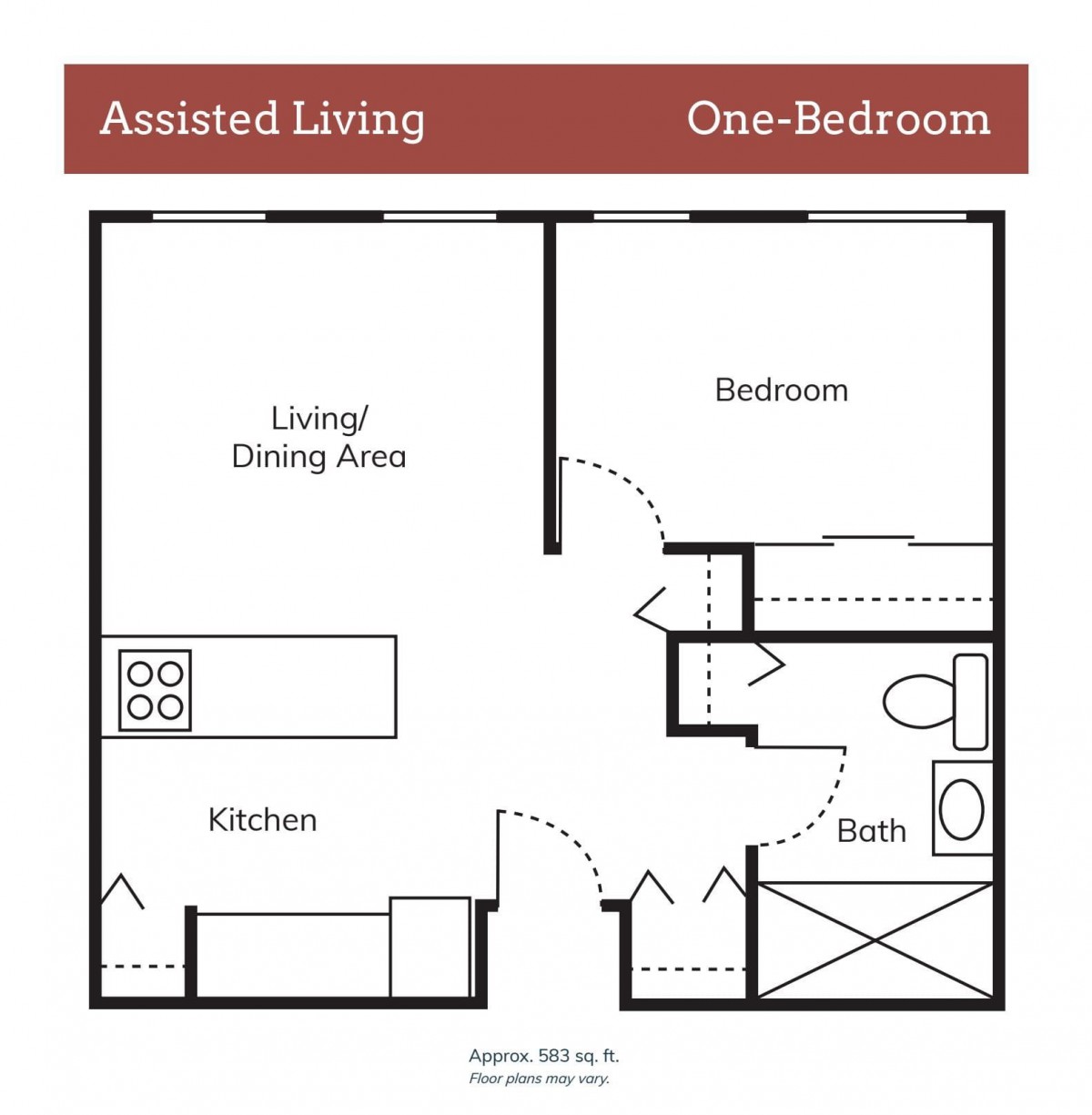
Floor plans
Robin Way
Kenosha County
Wisconsin
Studio
$3,995
$3,808
$3,999
1 Bedroom
$4,795
$2,972
$3,412
Assisted Living communities with a similar price nearby
Some residents describe medication timing and missed-dose problems.
A small set of reviewers report medication issues, including periods when doses were missing and questions about why certain medications were not received. Another reviewer also describes Parkinson’s-related medication not arriving on schedule, sometimes early or late. These comments stand out because they focus on medication routines rather than general care quality.
caveat4 reviews mention this
Pricing feels expensive
Multiple families say the community is too costly for them.
Several reviewers describe Robin Way as pricey, with one mentioning an outrageous monthly fee alongside later move-related costs. Others note it was difficult to afford, and one reviewer points to add-on fees tied to services plus annual increases. While some describe respite as a cheaper short stay, the broader theme is that cost can be a barrier for families.
common4 reviews mention this
Dining gets mixed reactions
Residents and families share mixed feedback on food quality.
Dining feedback varies. One reviewer describes meals as not served at the right temperature and says their loved one often complained about the food, while another reports the cuisine wasn’t to their taste but still found what they tried to be good overall. Several others share more positive notes, including enjoying soups and describing meals as well balanced, with support for food allergies and special dietary needs.
How we summarize
Counts show how many written reviews mention each theme; a review can touch several themes, and only frequently mentioned themes are displayed.
Features
Housing
53 resident community capacity
1-bedroom apartments
Studio apartments
Types of Care
Assisted Living
Pets
Cats allowed
Dogs allowed
Amenities
Activities off-site
Activities on-site
Air-conditioning
Beautician on-site
Beauty salon
Cable or satellite TV
Computer center
Devotional services off-site
Devotional services on-site
Dining room
Fitness room
Full kitchen
Fully furnished
Gaming room
Garden
Garden view
Ground floor units
Handicap accessible
Housekeeping services
Indoor common areas
Kitchenette
Laundry
Move-in coordination
Outdoor common areas
Outdoor space
Private bathrooms
Resident parking
Respite or short term stays offered
Restaurant-style dining
Small library
Telephone
Wellness center
Wheelchair accessible showers
Wi-Fi/high-speed internet available
Transportation
Community operated transportation
Transportation arrangement
Transportation arrangement (non-medical)
Transportation to doctors appointments
Care Services
12-16 hour nursing
24-hour call system
24-hour supervision
Activities of daily living assistance
Ambulatory care
Assistance with bathing
Assistance with dressing
Assistance with transfers
Diabetes diet
Diabetic care
Incontinence care
Meal preparation and service
Medication management
Mental wellness program
Physical therapy
Special dietary restrictions
Dining
Diabetes diet
Guest meals
International cuisine
Low / no sodium
Meals provided
Restaurant style dining
Room service
Special dietary restrictions
Activities
Activities off-site
Art classes
Bible study group
Catholic services
Community-sponsored activities
Concierge services
Day trips and outings
Devotional activities offsite
Devotional activities on-site
Fitness programs
Happy hour
Karaoke
Live dance or theater performances
Live musical performances
Other religious services
Planned day trips
Resident-run activities
Scheduled daily activities
Visiting chaplain or priest
Wine tasting
Languages Spoken
English
Nearby Places of Interest
This part of Kenosha, Wisconsin offers a convenient and accessible location for senior living. With several physicians, hospitals, and pharmacies within close proximity, residents have easy access to medical care and services. There are also various dining options ranging from fast food chains like Chick-Fil-A and McDonald's to sit-down restaurants like Olive Garden and Milwaukee Burger Company. Additionally, there are cafes such as Starbucks and Panera Bread for a relaxing coffee break. For leisurely activities, there are parks nearby like Gangler Park and Charles Nash Park for outdoor enjoyment. Cinemark Tinseltown USA provides entertainment with the latest movie releases. Places of worship like Journey Church and St Paul's Lutheran Church offer spiritual support and community engagement. Overall, this area presents a well-rounded environment for seniors seeking convenience, healthcare options, dining choices, recreational activities, and opportunities for social connection in Kenosha.
At Robin Way, the monthly costs for accommodations reflect a competitive pricing structure within the broader context of Kenosha County and Wisconsin as a whole. For a studio apartment, residents can expect to pay $3,995, which is slightly above the county average of $3,808 but comparable to the state average of $3,999. When it comes to one-bedroom units, however, Robin Way's rate of $4,795 significantly surpasses both the county's average of $2,972 and Wisconsin's average of $3,412. This discrepancy suggests that while Robin Way may offer premium amenities or services justifying higher prices for one-bedroom options, it still maintains a reasonable positioning in the market for studio apartments.
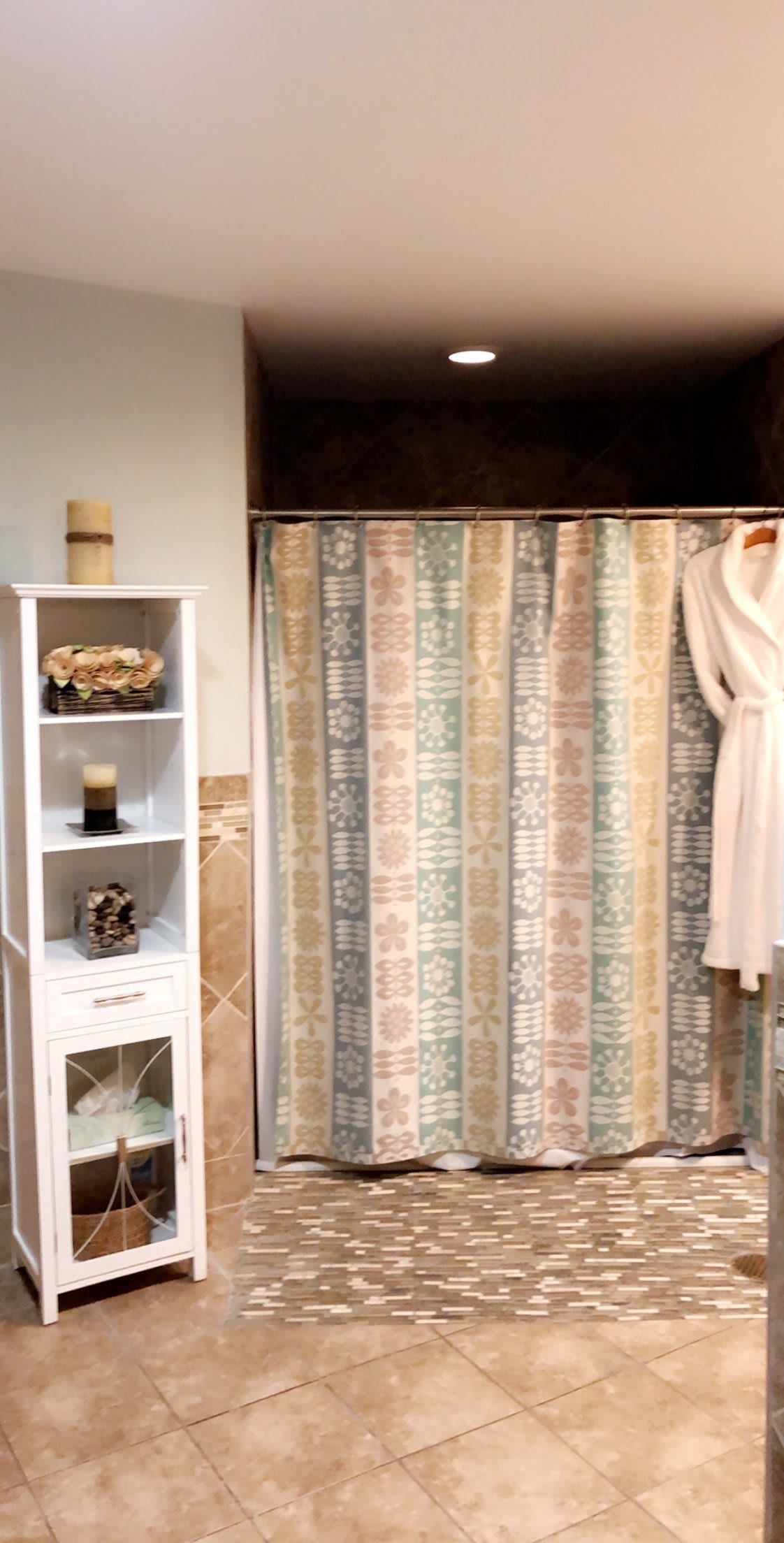
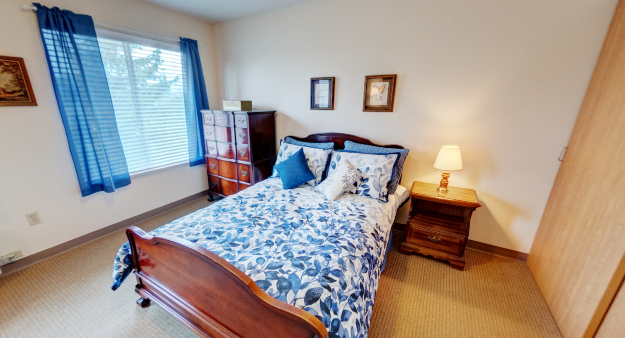
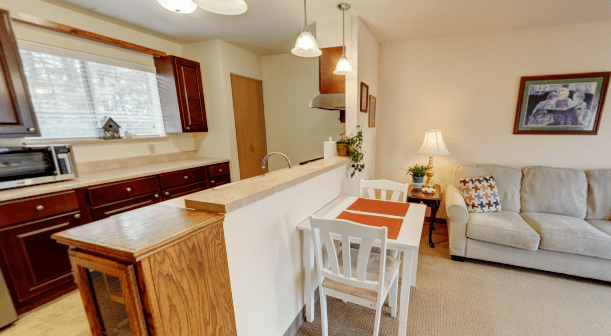
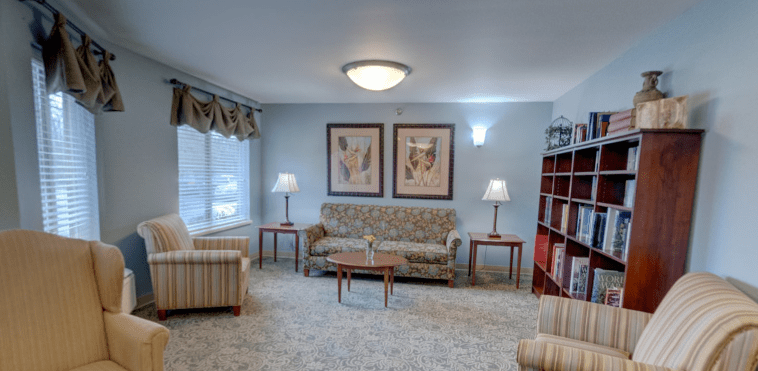
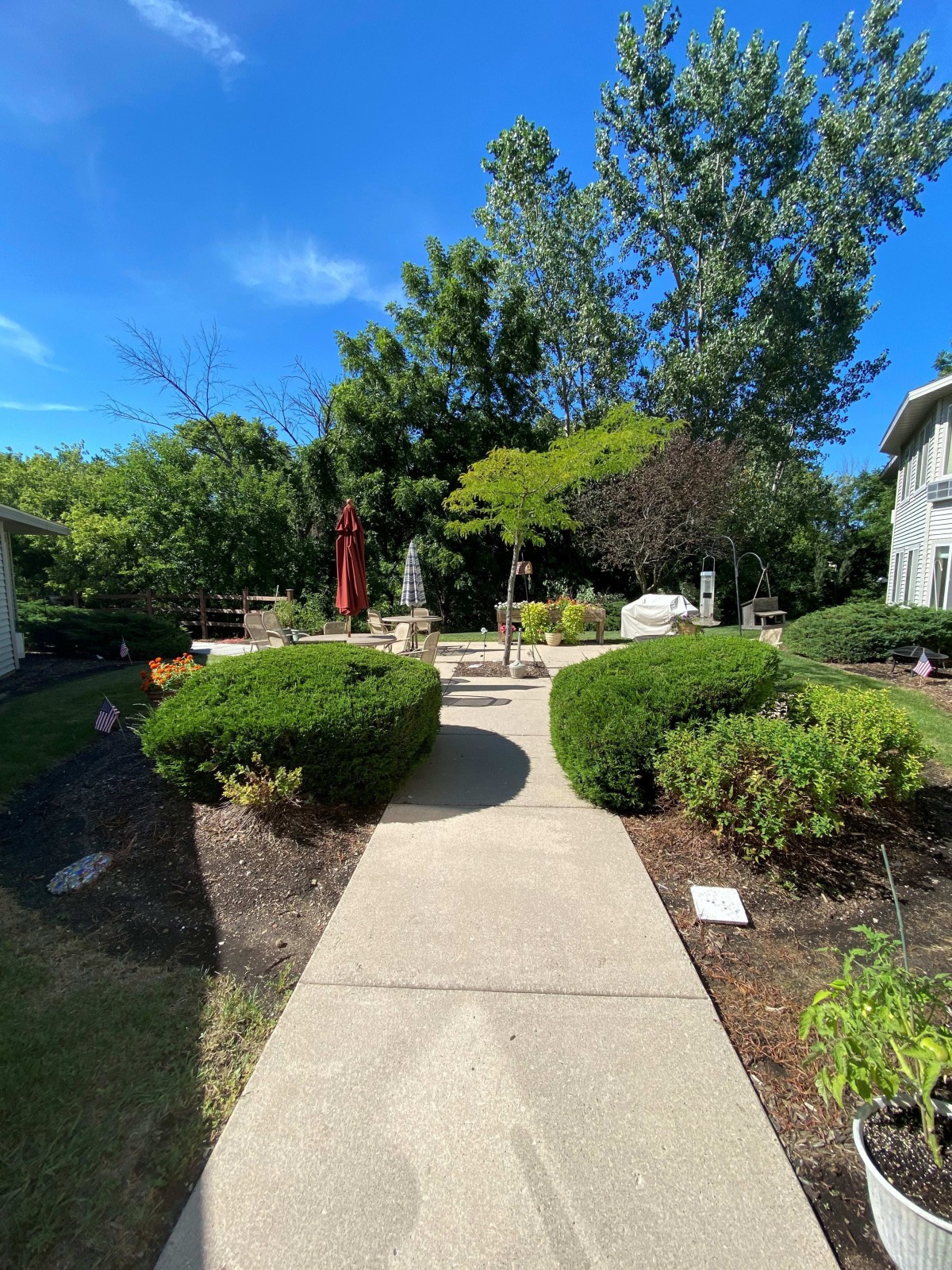
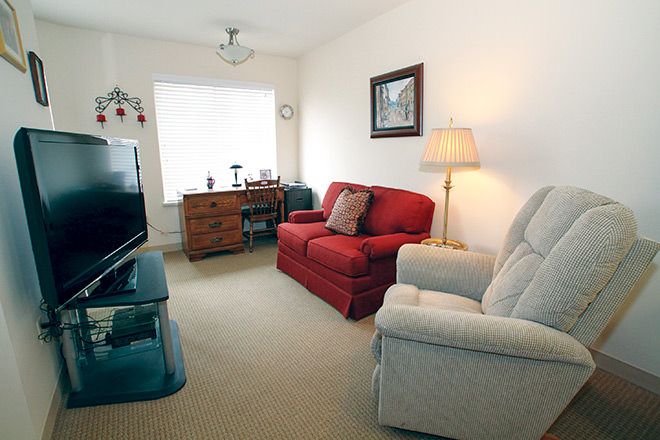
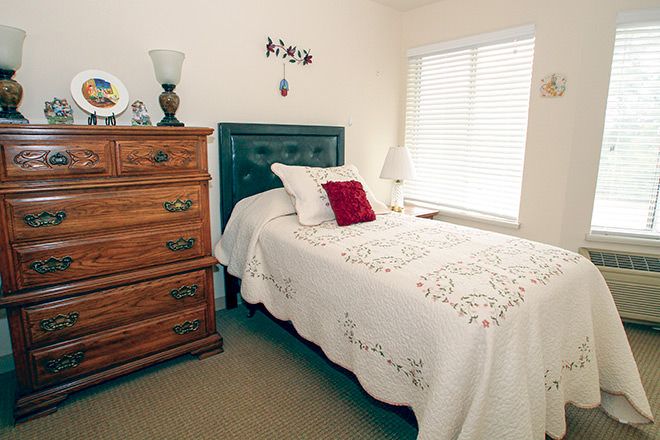
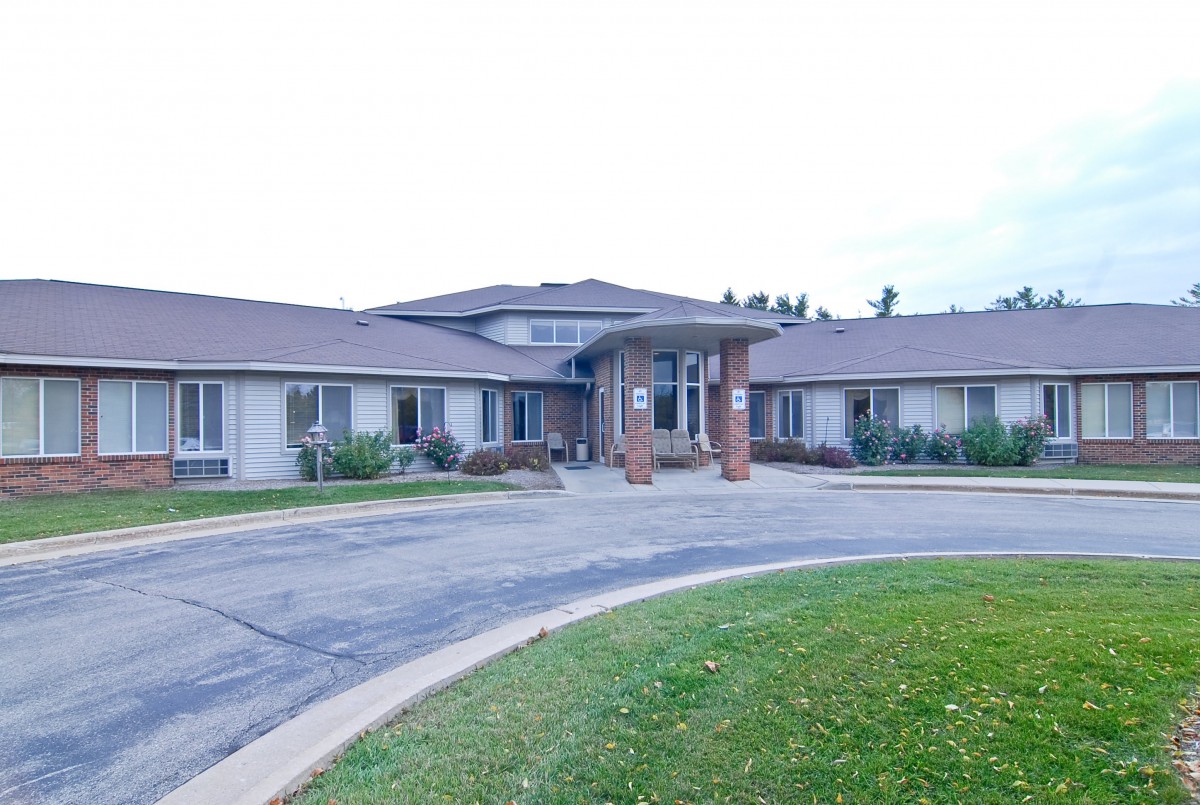
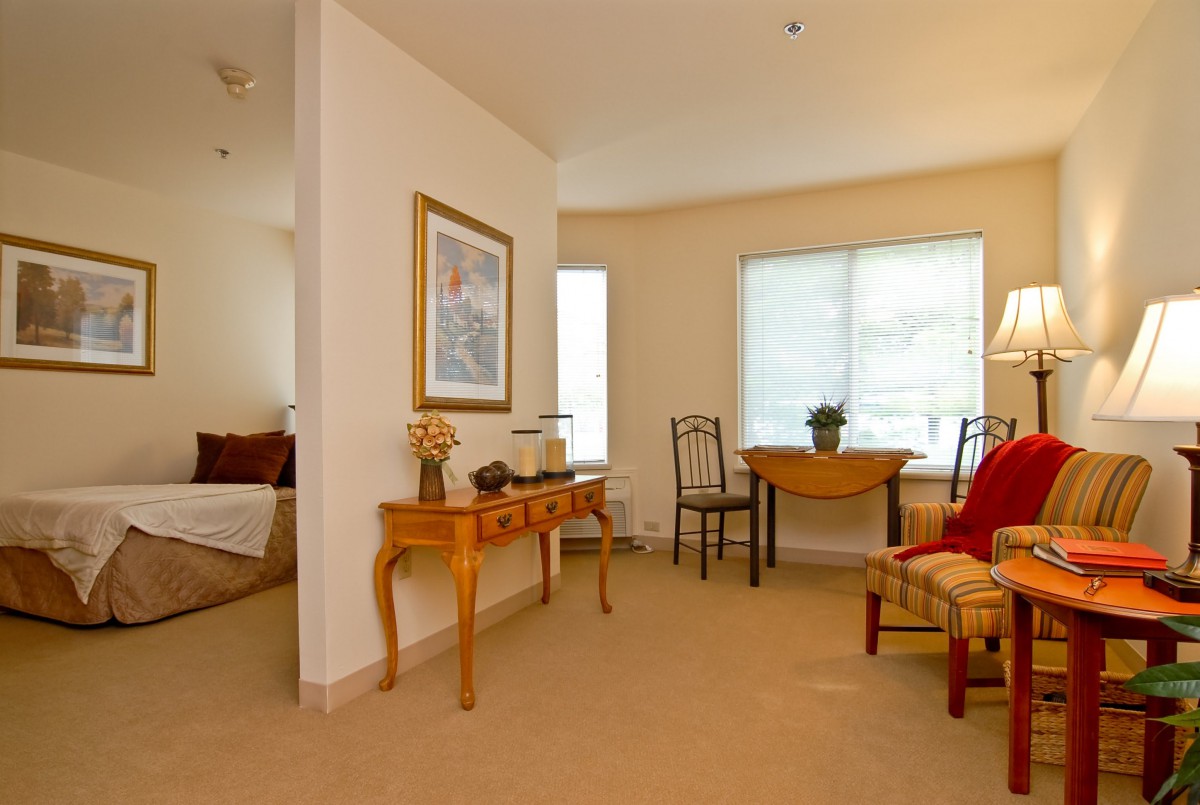
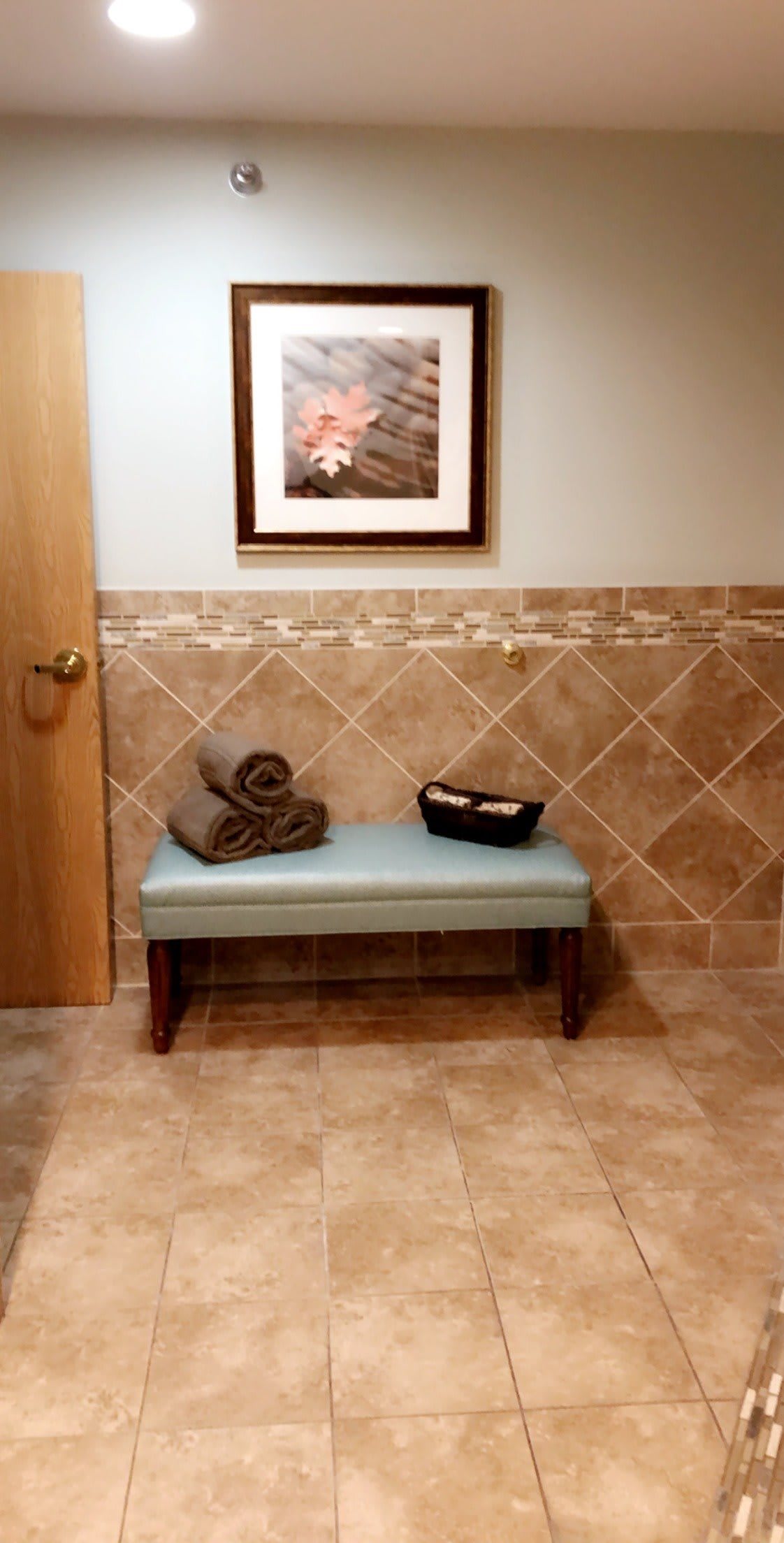
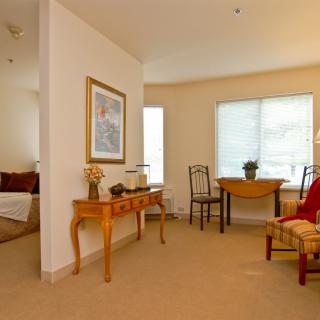
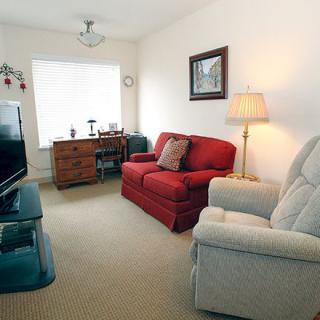
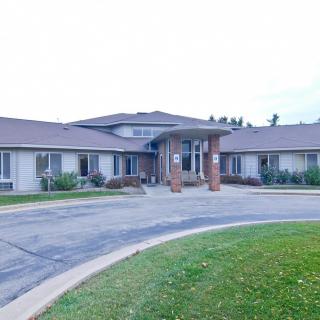
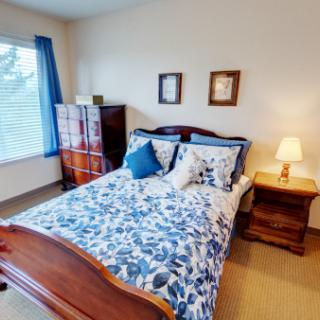
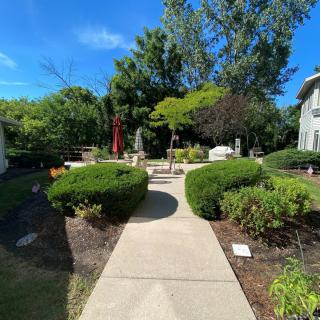
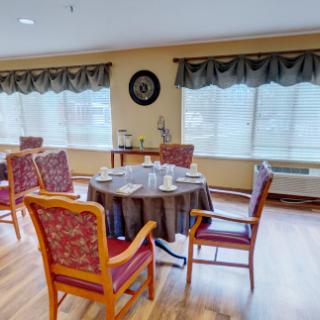
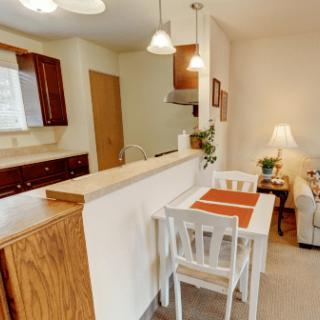
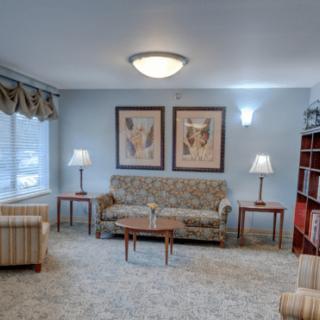
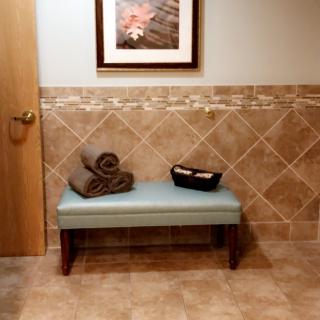
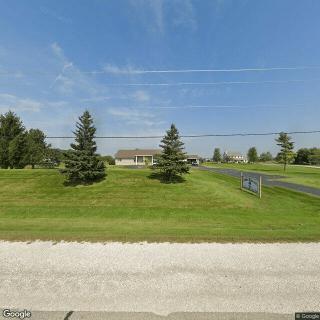
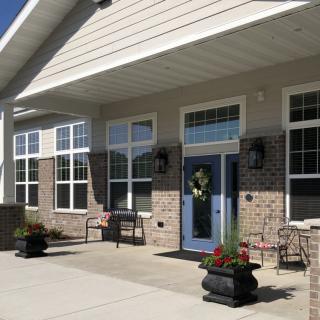
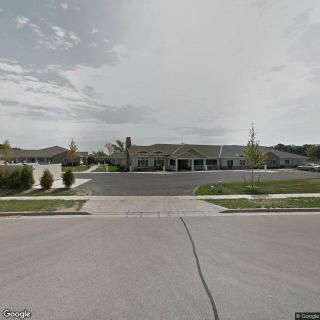
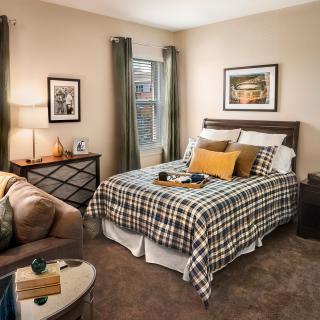
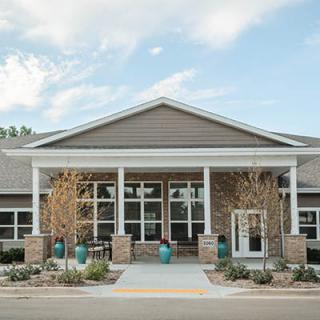
Robin Way on seniors.fyi includes 14 photos including images showing interior, bedroom, decor, windows, floor plan, living room, bathroom, landscaping, and more.
Nearby Communities
New Seasons Winter Home
Kenosha, WI
Specialized memory care with 24/7 supervision and care coordination.
Sycamore Home
Kenosha, WI
5 from 1 review
$2,525 to $3,735 / month
Fully furnished apartments with comprehensive care (24-hour supervision, ADL assistance, medication management), diabetes-friendly dining, and transportation to medical appointments; plus convenient access to nearby amenities.
M & M AFH LLC
Kenosha, WI
$4,770 / month
Private rooms with private bathrooms; on-site memory care and activities.
Prairie Ridge Senior Campus
Pleasant Prairie, WI
3.5 from 12 reviews
$737 to $896 / month
Competitive pricing for 1- and 2-bedroom units.
The Addison of Pleasant Prairie
Pleasant Prairie, WI
4.3 from 110 reviews
$4,550 to $6,225 / month
Clean, welcoming environment with attentive staff and engaging activities in a modern, spacious setting.
Aspen Home
Kenosha, WI
4.6 from 37 reviews
Cozy, fully furnished board-and-care with 24-hour supervision and comprehensive support
Kenosha Place Senior Living
Kenosha, WI
4.2 from 64 reviews
$2,670 to $3,300 / month
Friendly staff, clean environment, and engaging activities.
Manor Of Kenosha
Kenosha, WI
2.9 from 8 reviews
Caring staff and effective therapy; improvements under new management.
Assisted living for adults with disabilities has transformed to provide personalized care and support services aimed at improving residents' quality of life while balancing independence and assistance. However, low-income individuals often face challenges in affording these services, requiring navigation of various financial resources and advocacy for better policies and solutions.
Assisted living facilities provide support for older adults needing help with daily activities without extensive medical care, but their costs can be high and vary by location and services offered. Families often seek various funding options and financial strategies to manage these expenses effectively while considering future needs and potential price increases.
The article discusses assisted living expenses, the importance of long-term care insurance in covering these costs, and various financing options, highlighting the need for careful policy review and early planning to address potential needs. It also clarifies common misconceptions about Medicare and private health insurance limitations regarding long-term care coverage.
Get PricingAsk A QuestionSchedule A TourContact Senior Advisor
By clicking submit, you agree to our Partner's Terms of Use. You
also consent to receive calls and texts, which may be autodialed, from our Partner. Your consent is not a condition to
using our Partner's service. Please visit our Partner's Privacy Policy for information about their privacy practices.






 53 resident community capacity
 1-bedroom apartments
 Assisted Living
 Cats allowed
 Dogs allowed
 Activities off-site
 Air-conditioning
 Beautician on-site
 Cable or satellite TV
 Computer center
 Devotional services off-site
 Dining room
 Fitness room
 Full kitchen
 Fully furnished
 Gaming room
 Garden
 Ground floor units
 Handicap accessible
 Housekeeping services
 Indoor common areas
 Laundry
 Move-in coordination
 Outdoor common areas
 Private bathrooms
 Resident parking
 Respite or short term stays offered
 Restaurant-style dining
 Small library
 Telephone
 Wellness center
 Wheelchair accessible showers
 Wi-Fi/high-speed internet available
 Community operated transportation
 12-16 hour nursing
 24-hour call system
 Ambulatory care
 Assistance with bathing
 Assistance with dressing
 Assistance with transfers
 Diabetes diet
 Diabetic care
 Incontinence care
 Medication management
 Mental wellness program
 Physical therapy
 Special dietary restrictions
 Art classes
 Bible study group
 Concierge services
 Day trips and outings
 Happy hour
 Karaoke
 Live dance or theater performances
 Live musical performances
 Wine tasting
 English
 Specialized memory care with 24/7 supervision and care coordination.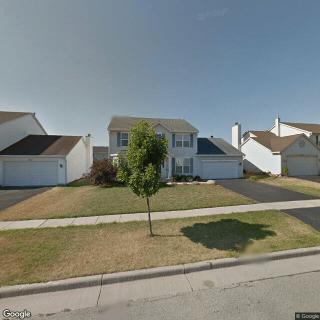

 Comprehensive Supportive Living Arrangements for Adults with Disabilities
 Funding and Affording Assisted Living: A Thorough Overview
 Assisted Living Expenses and Long-Term Care Insurance: A Comprehensive Exploration