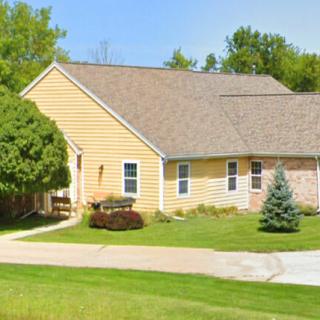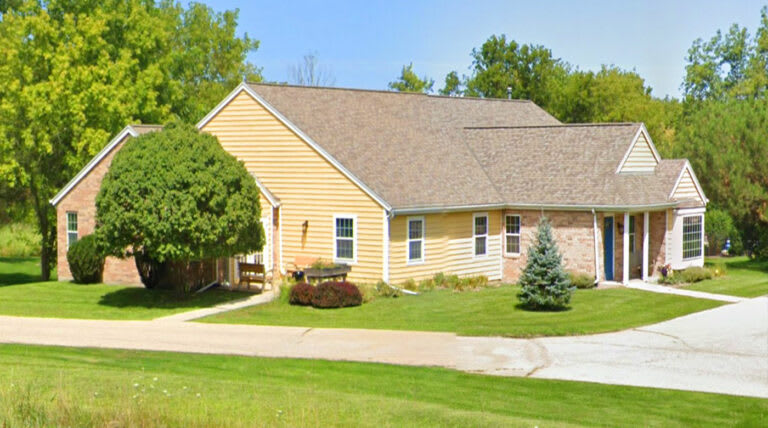
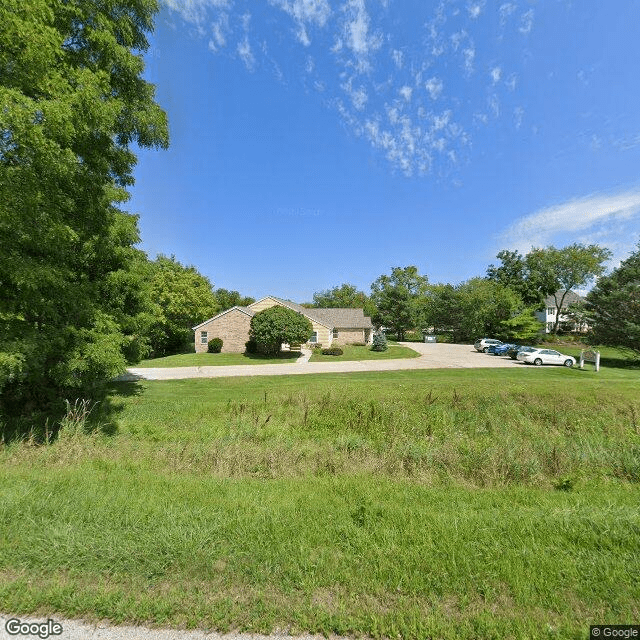
W302 N1632 Maple Avenue (Highway E), Pewaukee, WI 53072
To contact a resident: (262) 367-9677
For more information about senior living options: (866) 208-4318
Lynnwood of Delafield Costs & Pricing
Lynnwood of Delafield offers competitive pricing for its studio accommodations at $4,200 per month, which is slightly below the average cost in Waukesha County at $4,225. When compared to the broader state average in Wisconsin of $3,999 for similar studio units, Lynnwood positions itself as a premium option that reflects its unique amenities and quality of care. This pricing strategy may appeal to those who prioritize an enhanced living experience and personalized services in their senior housing choice. Overall, Lynnwood of Delafield provides a compelling value within its regional context while maintaining a focus on the well-being of its residents.
| Floor plans | Lynnwood of Delafield | Waukesha County | Wisconsin |
|---|---|---|---|
| Studio | $4,200 | $4,225 | $3,999 |
Memory care communities with a similar price nearby
-
from -$700 / mo
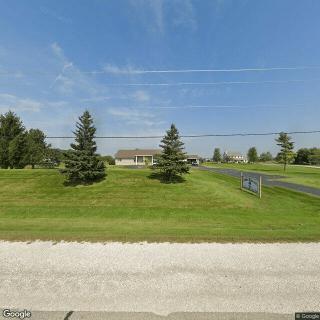
Dolphin Manor
$3,500 / month24.9 miles away -
About the same

River Way Place
$4,200 / month24.7 miles away -
from -$150 / mo
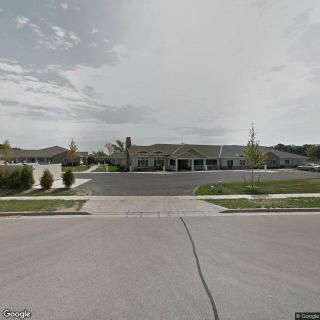
Waterford Senior Living
$4,050 to $5,450 / month22.0 miles away -
from -$200 / mo
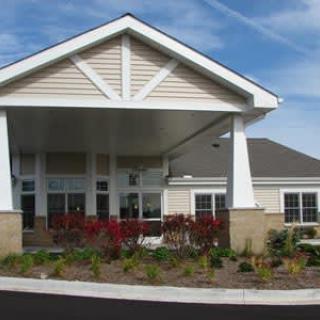
Ellens Home Germantown
$4,000 / month13.0 miles away -
from -$200 / mo
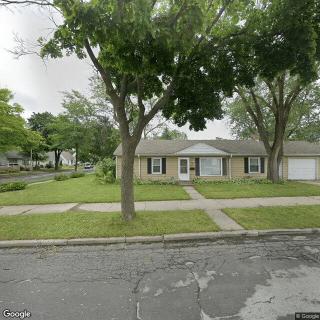
Complete Home Health Care
$4,000 / month14.7 miles away
Overall Review of Lynnwood of Delafield
Pros
 The facility is very clean and well maintained.
- The staff are caring, compassionate, and provide individualized attention to residents.
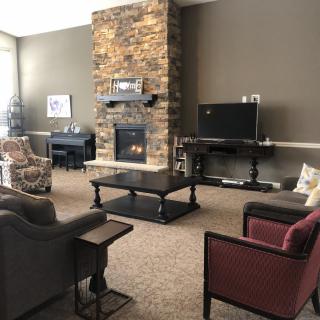
- The environment feels home-like, warm, and inviting, making visits comfortable for families.
- The care team is knowledgeable and consistently goes the extra mile for residents.
- The smaller size allows for one-on-one care and a hands-on approach.
- The meals and activities support residents' health and engagement.
- The administration and leadership are respected for their quality care and good communication.
Cons
 They kept 12,600 dollars for seven days after the father's death.
- A hundred dollars was missing from the deceased's wallet, raising concerns of theft.
- They would not return calls or texts and ghosted the family.
- They did not offer condolences for the loss.
- The lack of communication was described as unprofessional.
- The reviewer accused the facility of shady behavior.
- The administrator was not respectful and was pushy.
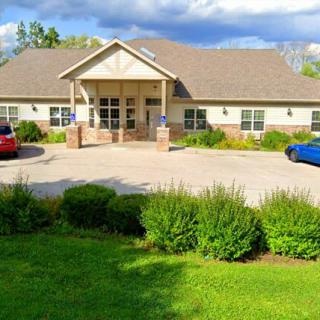
- The parking lot was too small, there was no handicapped parking, and visitors were told to park on the highway.
- The administrator would throw a resident out without warning, against policy.
- They would delay refunds by pushing payments past the 10th of the month.
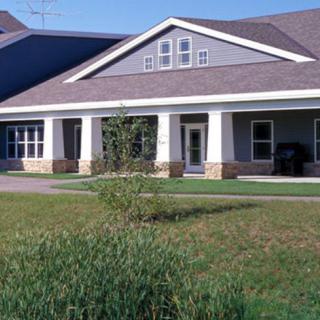
- Things that looked nice on the outside were not as nice on the inside.
- Visits were restricted due to Alzheimer's, which the reviewer viewed as inappropriate.
- They advised others not to put their family members there.
- The place was deemed too small for the patient.
Review
Lynnwood of Delafield is best suited for seniors who want a compact, home‑like assisted living that emphasizes very close, individualized attention. The community shines for residents who thrive on one‑to‑one interaction, very hands‑on caregiving, and a staff culture that treats daily care as a personal responsibility. For families nearby, the location near Delafield makes visits easy, reducing the friction that often comes with regular uplifting contact. This setting works especially well for residents who do not require a large campus with extensive programming, but who do want consistent grooming, daily assistance, and a warm, neighborly atmosphere. In short, it is a strong fit for those who value intimate care, dependable staff presence, and a quiet, homelike environment.
Alternatives become worth considering for families prioritizing larger facilities, more predictable administrative processes, or broader memory‑care infrastructure. One recurring concern is the variation in management tone and responsiveness, including disputes over deposits or refunds and occasional communication gaps. Parking and access can pose real hurdles for visitors with mobility needs, and a few reviews flag the possibility of abrupt discharge decisions that can leave families scrambling. For residents or families who want robust, scalable programming, more formal memory‑care options, or greater distance from the administrator’s discretion, exploring nearby larger communities may yield steadier policy execution and a broader set of amenities.
The strongest compensation for the drawbacks lies in the facility’s genuine strengths: exceptionally clean surroundings, a homelike feel, and staff who consistently deliver individualized care. Reviewers repeatedly praise the small size as a core advantage, enabling caregiving teams to tailor routines, monitor changes quickly, and maintain frequent, meaningful interaction with residents. The 1:1 or near‑1:1 attention described by families translates into reliable grooming, regular personal care, and a level of responsiveness that larger campuses often struggle to sustain. The staff’s commitment to comfort, dignity, and humane treatment offset concerns about limited programming by creating a sense of security and belonging for residents.
Care quality on a day‑to‑day basis reads as highly competent and compassionate. Residents are described as well cared for, shaved and well presented, with caregivers who know each resident’s preferences and needs. The facility’s nursing and caregiving teams work closely with hospice providers when needed, and families note thorough communication about changes in condition and care plans. Meals and activities contribute to a well‑rounded day, with a setting that supports social engagement without feeling crowded. The remarkable emphasis on cleanliness, scent‑free environments, and a calm, orderly atmosphere makes a tangible difference for residents who value predictability and comfort.
Environment and logistics matter in this case as much as the caregiving quality. The eight‑bed‑maximum model offers rare intimacy, a big kitchen and activity room, and hallways designed with safety rails for mobility. The location’s residential ambiance, a quiet street, neighbors, and a view of shrubbery, adds a sense of safety and familiarity that families often seek. Yet the flip side includes logistical imperfections: a parking lot that falls short for handicapped access, occasional administrative friction, and the practical reality that proximity to a family’s routine matters less if visits become impractical due to distance or access issues. Some reviewers also caution that personality clashes with leadership can color the overall experience, underscoring the importance of meeting the director and witnessing day‑to‑day operations firsthand.
For families weighing a decision, a disciplined approach is essential. Schedule a tour that happens during typical activity times to observe staff–resident interactions and how tiny but time‑sensitive needs are met. Request a clear, written explanation of the deposit, billing, and refund policies, and seek out the exact caregiver ratios on different shifts. Ask about the facility’s capacity to handle higher acuity needs or memory concerns, and verify transportation and visitation policies to confirm reliable family access. If the priority is a warm, intimate setting with highly attentive caregiving, Lynnwood of Delafield stands out as a compelling option. If, however, one seeks robust administrative consistency, stronger large‑facility amenities, or a broader memory‑care program, it is prudent to compare with alternatives that offer more extensive campus resources.
 Assisted Living
 Memory Care
 Activities on-site
 Devotional services off-site
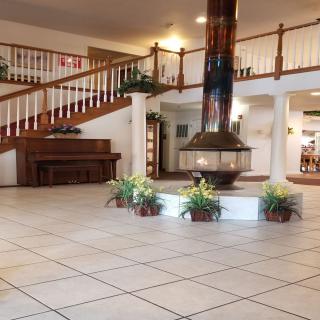
 Indoor common areas
 Respite or short term stays offered
 General Mitchell International (21 miles away)
 Diabetic care
 High acuity care
 Incontinence care
 Meals provided
 Assisted Living and Memory Care: Understanding Their Core Differences
 Choosing the Right Senior Care: A Detailed Exploration of Assisted Living and Nursing Homes
 Safeguarding Your Memory Through the Golden Years: Eight Ways to Preserve Cognitive Health