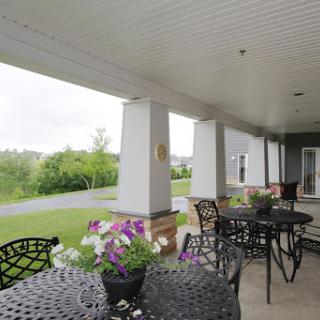
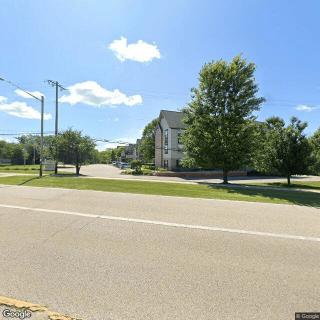
700 Quinlan Drive, Pewaukee, WI 53072
For more information about senior living options: (866) 208-4318
Kirkland Crossings Costs & Pricing
Kirkland Crossings offers competitive pricing for its accommodations when compared to the broader market in Waukesha County and throughout Wisconsin. For instance, the monthly cost for a one-bedroom unit at Kirkland is $1,025, which significantly undercuts both the county average of $2,752 and the state average of $3,412. Similarly, its two-bedroom option priced at $1,770 remains more affordable than the county's average of $2,524 and Wisconsin's average of $3,111. Even for studio apartments, Kirkland Crossings presents a compelling offer at $2,620 compared to Waukesha County's rate of $4,225 and Wisconsin's average of $3,999. This pricing strategy positions Kirkland Crossings as an attractive choice for residents seeking quality living without the premium costs associated with larger markets.
| Floor plans | Kirkland Crossings | Waukesha County | Wisconsin |
|---|---|---|---|
| 1 Bedroom | $1,025 | $2,752 | $3,412 |
| 2 Bedrooms | $1,770 | $2,524 | $3,111 |
| Studio | $2,620 | $4,225 | $3,999 |
Assisted Living communities with a similar price nearby
-
About the same
Regency Brookfield
$995 to $3,845 / month7.5 miles away -
from -$49 / mo
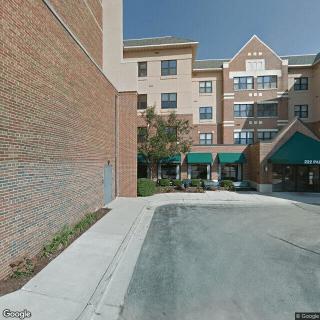
Avalon Square
$976 to $2,280 / month6.1 miles away -
from -$31 / mo
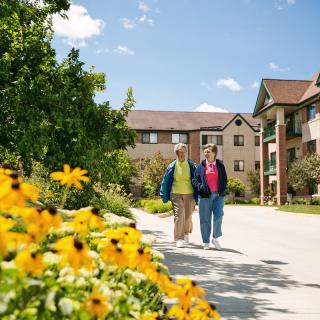
Forest Ridge
$994 to $1,010 / month16.0 miles away -
from +$175 / mo
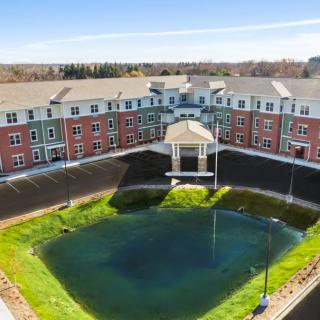
StoryPoint Mequon
$1,200 to $1,950 / month16.8 miles away -
from -$85 / mo
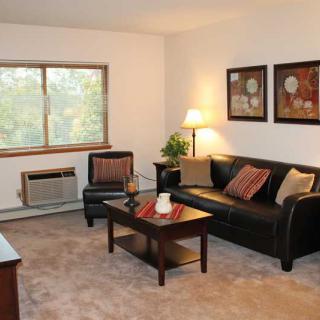
Summit Woods
$940 to $1,135 / month5.0 miles away
Overall Review of Kirkland Crossings
Pros
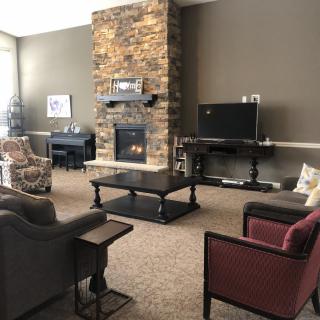
 Kirkland Crossings exudes a cozy home-like feel and a welcoming community.
- The staff are caring, responsive, and highly capable, overseeing residents’ needs well.
- There is a wide range of activities tailored to residents’ needs.
- Families feel blessed to rely on the loving Kirkland Crossings staff for their loved ones.
- Residents are described as content and happy with their daily life there.
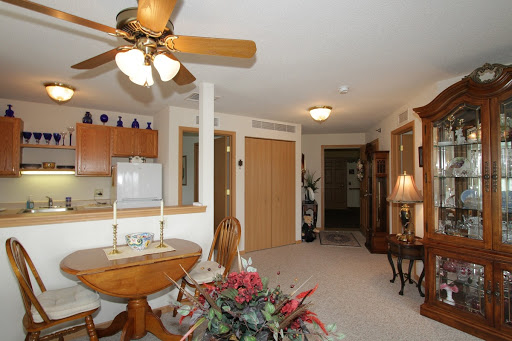
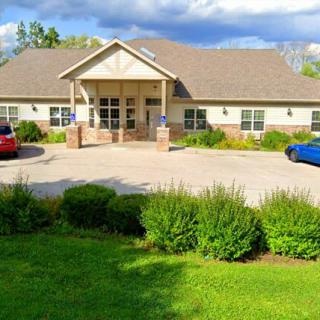
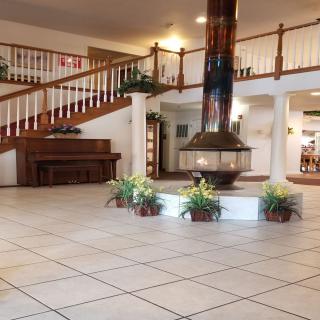
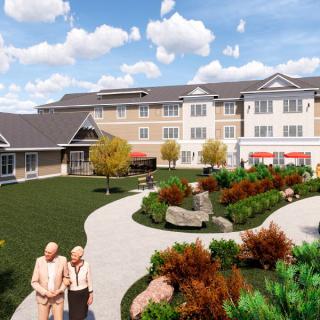
- The facility is clean, well-maintained, with attractive grounds and amenities.
- The dining program is delicious and offers enjoyable, varied options.
- Memory care is well-managed, with private rooms that still allow access to the community and monitoring.
- Leadership and staff are praised for problem-solving, warmth, and fostering a positive, supportive atmosphere.
Cons
 They claim the facility charges for services not rendered and raises monthly costs despite insufficient staff.
- They report numerous falls and uneven floors, indicating safety concerns.
- They advise others to go elsewhere or keep a family member at home due to alleged neglect and staff shortages.
- They state the place has been reported to the state for care deficiencies and imply that staff are not providing adequate care.
- They note the price is too high and meals cost extra, making it unaffordable.
- They describe times when there is little to no staff, leading to poor care for residents.
Review
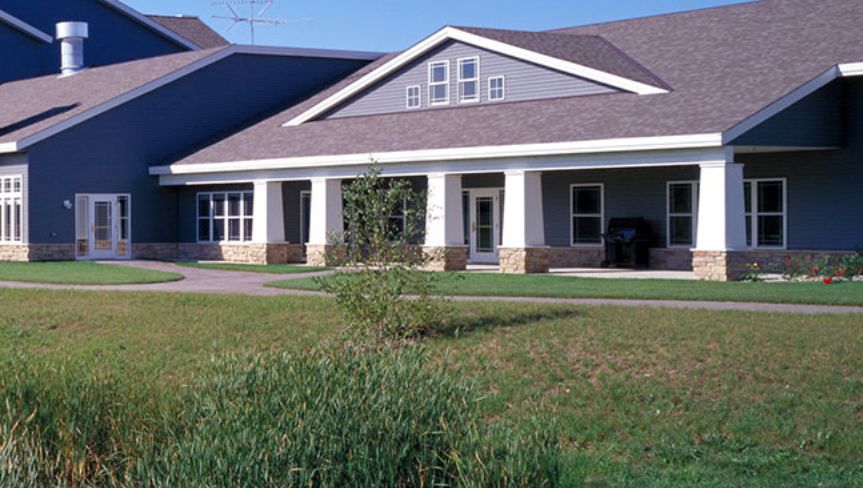
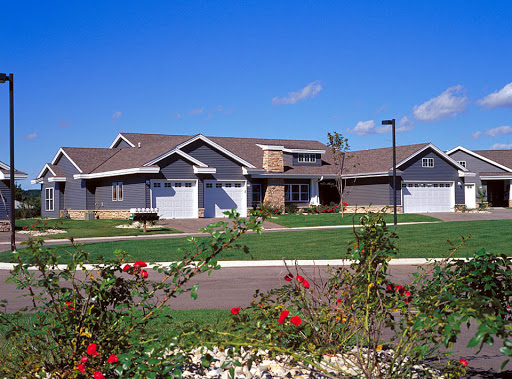
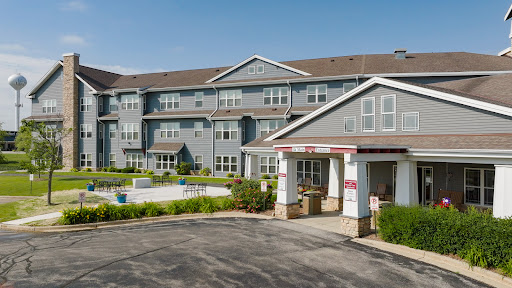
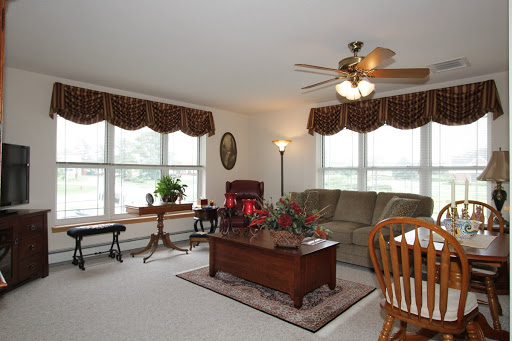
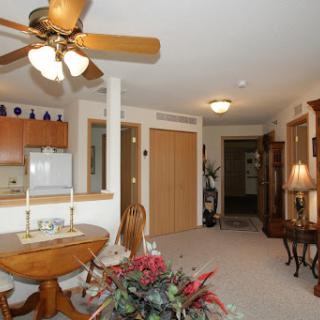
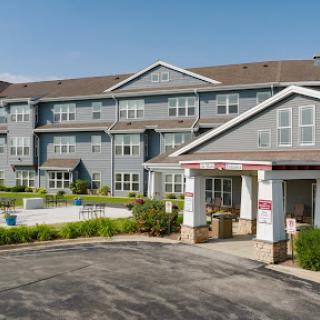
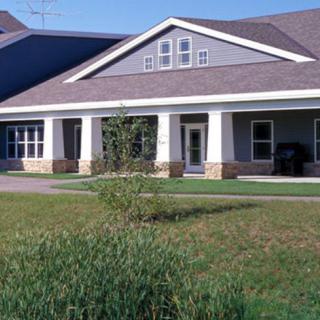
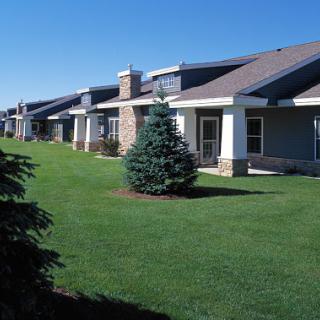
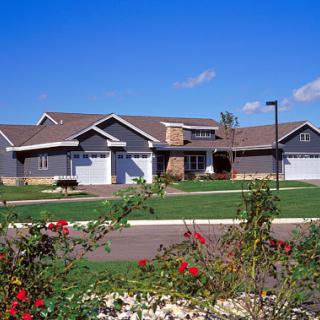
Kirkland Crossings in Pewaukee, WI is best suited for seniors who want a warm, close-knit, faith-oriented community with real social structure and a spectrum of living options. The campus feels like a small town rather than a sterile facility, offering independent townhomes, assisted living, and memory care under one umbrella. Residents benefit from a welcoming, home-like atmosphere, attentive caregivers, and a calendar of activities that is genuinely attuned to changing energy levels and interests. For families seeking continuity of care as needs shift, whether a spouse wants to stay on the same campus or a loved one moves from independent living to memory care, this community provides practical, seamless transitions without uprooting the person from a familiar environment.
Those who may want to consider alternatives fall into a few clear camps. The price point can be a hurdle for some families, with comments noting meal charges and overall costs that stretch budget expectations. The campus is not a brand-new luxury build, which can be a consideration for those prioritizing the latest amenities or ultra-modern design. A minority of reviews flag concerns about staffing and safety in extreme scenarios, underscoring the importance of verifying current staffing levels and care protocols before moving in. Finally, while the Arbor memory care option is highly regarded, families needing a very specific layout (for example, a strict roommate-free arrangement) may want to compare memory-care designs across competing facilities.
Strong pros readily offset substantial cons when approached with a clear care plan. The staff reputation at Kirkland Crossings stands out: low turnover, compassionate communication, and a culture that feels both professional and genuinely caring. Families consistently report being immediately updated during health concerns, and residents appear to enjoy a broad activities program that remains voluntary rather than coercive. The leadership team, recognized by residents and families as engaged and responsive, has reshaped the community’s atmosphere toward a calmer, more positive rhythm. In this mix, the strong sense of community and spiritual warmth cushions the inevitable trade-offs between cost and comfort, making daily life inside the campus both meaningful and predictable.
Memory care is a standout strength, with the Arbor pathway repeatedly praised for its quality and approach. Private rooms in memory care can be both a benefit and a challenge, but Kirkland Crossings addresses loneliness with open-door corridor concepts that preserve community access while preserving safety. The staff dedicated to memory care are frequently lauded for patience, personalization, and consistent family communication, which translates into more predictable daily routines and fewer crises. When caregivers command this level of trust, the risk of feeling unsettled is mitigated, and the overall value of the community increases for families prioritizing stability and ongoing supervision.
Logistically and financially, Kirkland Crossings offers compelling containment for a multi-service campus. Independent living units advertise inclusive amenities, utilities and some services, while still maintaining the option to scale up to assisted living or memory care as needs evolve. On-site conveniences such as dining options, a fitness center, religious services, a library, and transportation support add up to a turnkey lifestyle, reducing the stress of coordinating multiple vendors or moves. However, family members should verify the current pricing structure, including meal costs and any add-ons, and weigh this against the value delivered by the breadth of services and the quality of care observed in tours and informal conversations with current residents.
In the end, Kirkland Crossings represents a thoughtful choice for families who prize a faith-rooted, community-centric environment with proven staff reliability, a strong activity calendar, and robust memory-care offerings. It is particularly well-suited for couples or siblings seeking a single campus that can adapt to changing care needs without forcing relocation. Those who must operate within tight budgets, who demand the newest facility design, or who require rapid move-in should assess alternatives carefully and compare total costs, room configurations, and wait times. A guided tour, a direct conversation with the memory-care director, and a candid review of sample menus and activity calendars will illuminate whether Kirkland Crossings is the right fit or if another community could deliver a closer match to specific priorities.
 40 resident community capacity
 1-bedroom apartments
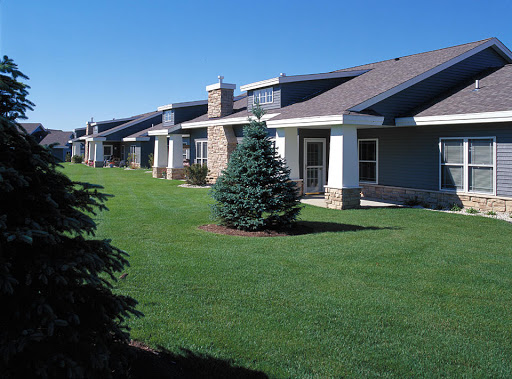
 Condos / townhomes
 Assisted Living
 Continuing Care Retirement Community (CCRC)
 Independent Living
 Memory Care
 Skilled Nursing Facility
 Cats allowed
 Dogs allowed
 Activities off-site
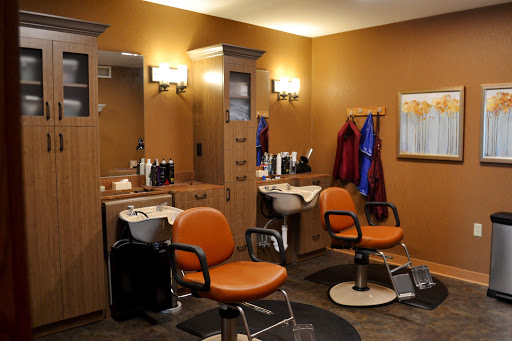
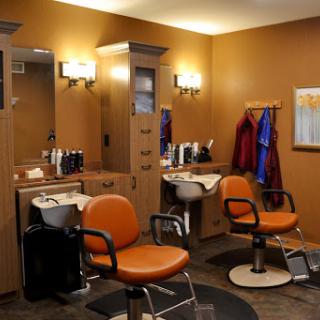
 Beautician on-site
 Cable or satellite TV
 Cafe
Cafe Computer center
 Devotional services off-site
 Dining room
 Financial aid
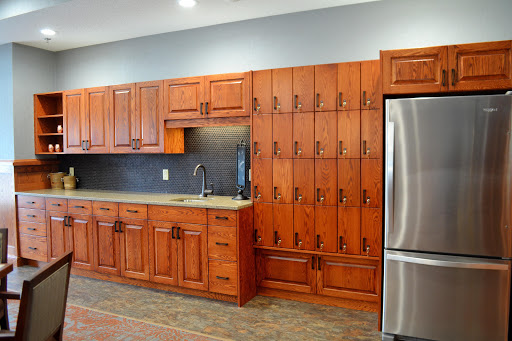
 Full kitchen
 Fully furnished
 Garden
 Guest parking
 Hiking trails
 Housekeeping services
 Indoor common areas
 Laundry
 Move-in coordination
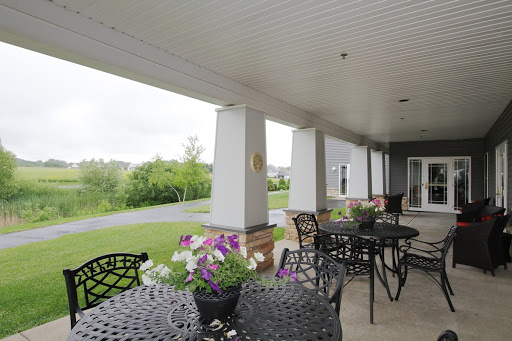
 Outdoor space
 Private bathrooms
 Wheelchair accessible showers
 Wi-Fi/high-speed internet available
 General Mitchell International (22 miles away)
 Community operated transportation
 24-hour call system
 Ambulatory care
 Assistance with bathing
 Assistance with dressing
 Assistance with transfers
 Diabetes diet
 Diabetic care
 Meal preparation and service
 Medication management
 Special dietary restrictions
 Arts and crafts
 Cooking club
 Fitness programs
 Games
Games Live musical performances
 Wii bowling
 Yoga / chair yoga
 English

 A Holistic Dementia Care Guide: Effective Strategies for Memory Support
 Memory Care Pathways: A Holistic Guide to Dementia Support
 Comprehending Evening Confusion in Dementia: Causes, Manifestations, and Support