Country View in Oak Creek, WI

Save

Country View in Oak Creek, WI

10507 South Chicago Avenue, Oak Creek, WI 53154

For more information about senior living options: (844) 490-3973

3.4 from 41 reviews
5 stars
20
4 stars
3
3 stars
3
2 stars
4
1 stars
11

Seniors.FYI Elite Community Awards

Top 5% Senior Living Community in 2023

Add this award to your website

Country View Costs & Pricing

Country View offers competitive pricing for its various room types compared to both Milwaukee County and the broader state of Wisconsin. For semi-private rooms, residents can expect to pay between $3,250 and $3,500, which is notably lower than the county average of $4,341 and state average of $3,977. The studio units are priced between $3,500 and $4,225; again, these rates are more favorable than the county's $3,841 and the state's $3,999. Lastly, for those looking for private accommodations at Country View, the cost is set at $3,900 - significantly less than both Milwaukee County's average of $4,513 and Wisconsin's average of $4,339. Overall, Country View provides an attractive option for individuals seeking quality living arrangements without straining their budgets.

Floor plansCountry ViewMilwaukee CountyWisconsin
Semi-Private$3,250 to $3,500$4,341$3,977
Studio$3,500 to $4,225$3,841$3,999
Private$3,900$4,513$4,339

Overall Review of Country View

Pros

  • pro The staff are personable, informed, proactive, and treat residents like family.
  • pro Management addresses questions and concerns right away.
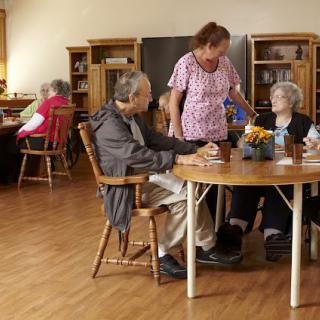
  • pro The facility feels warm, welcoming, and has a family-like atmosphere.
  • pro Residents are happy, get along with staff, and feel cared for.
  • pro There are meaningful activities and events that enrich residents’ lives.
  • pro The administrator and house manager bring humor and warmth to the environment.

Cons

  • pro The reviewers describe the facility as horrible and say they wouldn’t even want their worst enemy there.
  • pro The staff are described as very unfriendly with no healthcare knowledge, offering very limited activities, and the building has a terrible odor that makes it feel institutionalized.
  • pro There are reports of a very high turnover rate and chronic understaffing.
  • pro There are allegations that abuse is tolerated and injuries are not properly reported, with confidentiality breaches and a focus on money over residents.
  • pro Residents are said to sit with no meaningful activities, making the environment sad and unengaging.
  • pro During a tour, staff were described as ignoring a resident in distress and prioritizing the tour over resident welfare.

Review

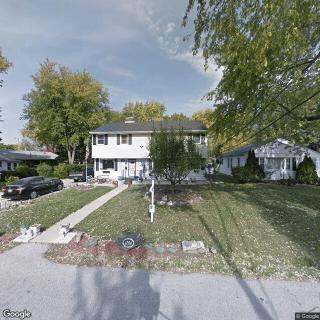
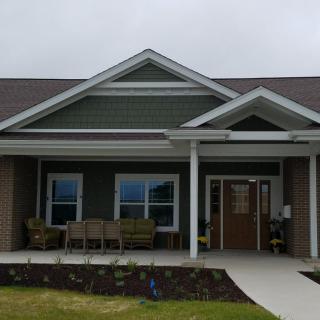
Country View in Oak Creek is best suited for families seeking a warm, family-like atmosphere where staff are routinely described as caring, engaging, and responsive. The community shines for residents who value tangible, ongoing staff relationships, easy accessibility to management, and a program that emphasizes social connection through activities and coordinated care. It is especially appealing to families who want meaningful family involvement, clear communication, and a sense that aides and nurses truly advocate for their loved one. In short, this is a fit for seniors who want a welcoming, relational environment and are comfortable with assisted living that centers around daily social life and active participation rather than a sterile, highly clinical setting. It is less ideal for those whose loved one requires tightly controlled memory-care security, private accommodations with en-suite baths, or a facility that presents as ultra-modern and highly regulated from top to bottom.

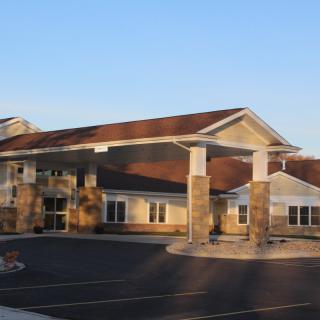
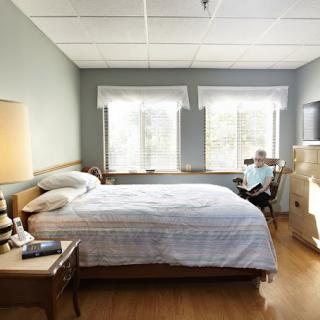
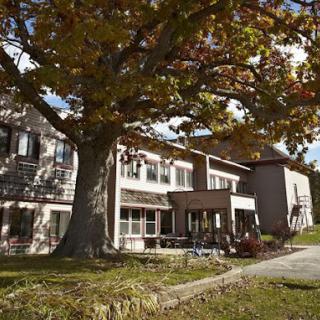
Those who should consider alternatives include families prioritizing independent living options or those seeking a memory-care environment with advanced security and specialized dementia programming. Several reviews flag concerns about the building’s feel and curb appeal, with some residents and visitors describing the space as institutional or depressingly quiet at times. Private rooms and in-room baths appear limited, which can be a problem for couples or residents who want more privacy. High turnover, occasional lapses in management responsiveness, and reports of inconsistent staffing on some shifts also push families toward other options if a steady, predictable care routine is non-negotiable. For memory-care needs, the lack of a clearly secure, purpose-built unit and the reported difficulty in obtaining consistent, on-time physician input are legitimate red flags.

The strongest positives center on the staff’s empathy and the facility’s collaborative care approach. Nursing and therapy professionals are frequently praised for being proactive, well-informed, and integrally involved in residents’ lives. The administrator and house manager are frequently cited for delivering humor and warmth, and the overall culture is described as welcoming and family-oriented. Families report that communication with clinicians and management is reliable, with plans and updates flowing regularly. Activities are highlighted as plentiful and engaging, with a calendar that includes field trips, crafts, music, and holiday celebrations, all involving staff participation. These elements, personal connections, visible resident happiness, and multi-disciplinary coordination, begin to offset some operational shortcomings by delivering a coherent, person-centered experience.

Where the gaps most clearly surface are around meaningful day-to-day stimulation, consistent safety protocols, and the facility’s physical vibe. Some reviews report residents sitting idle with little meaningful activity, questionable odor or cleanliness concerns, and a sense that the environment can feel more institutional than homey. Management and staffing questions recur: reports of short-staffing, high turnover, and an impression that leadership may not consistently address concerns on the ground. Memory-care security is not uniformly described as robust, with notes about securing residents who require more supervision and the presence of ankle-monitoring arrangements that hint at limited capacity for specialized dementia care. Private accommodations in particular can be tight or limited, with several reviewers describing community baths as a constraint for couples or private-room preferences.

Ownership history matters in interpreting these reviews. Country View is now identified as part of Platinum Communities, and several comments acknowledge this shift and the commitment to updated training, daily activities, and ongoing resident advocacy. While past concerns do not dictate current reality, prospective residents should verify today’s operations in person, with a focus on frontline staff consistency, updated activity programming, and a transparent approach to safety and care planning. The new ownership signal is a positive indicator, but it requires current validation through direct observation, current staff interviews, and up-to-date policy disclosures. Families should insist on seeing current staffing rosters, care schedules, and a fresh activity calendar before deciding.

For families preparing to tour, the prudent path is to enter with a concrete checklist and concrete questions. Request to meet both front-line caregivers and the administrator, and ask to review the weekly activity calendar, fall-prevention measures, and the process for reporting and addressing resident injuries or concerns. Inspect the private-room options, if any, and assess the condition of shared spaces and the dining environment, including meal variety and nutrition standards. Probe memory-care capabilities: staff ratios on different shifts, engagement programs tailored to cognitive needs, and ease of coordinating with visiting physicians or therapists. For those who prize a lively, family-comprised community with immediate access to caring professionals and who can tolerate occasional staffing fluctuations, Country View offers a compelling, human-centered option. For others, especially families prioritizing private accommodations, rigorous memory-care security, or a facility with a more contemporary, less institutional atmosphere, alternatives warrant serious consideration.

Features

Housing

  • 50 resident community capacity 50 resident community capacity

Types of Care

  • Assisted Living Assisted LivingAssisted living facilities provide crucial support and care for seniors who may need help with daily tasks such as medication management, bathing, and meal preparation. These communities offer a safe and comfortable environment where seniors can maintain their independence while receiving the assistance they need to thrive in their golden years.
  • Memory Care Memory CareMemory care is crucial for seniors as it provides specialized support and services for individuals with dementia or Alzheimer's disease. These programs offer a safe and secure environment where residents receive personalized care, cognitive stimulation, and help with daily activities. Memory care helps seniors maintain their independence, quality of life, and dignity while also providing peace of mind for their families.

Amenities

  • Activities off-site Activities off-siteEngaging in off-site activities is crucial for seniors to maintain social connections, stay active, and stimulate their minds. It promotes overall well-being and helps combat feelings of isolation and loneliness.
  • Activities on-site Activities on-siteActivities on-site are important for seniors because they provide opportunities for socialization, mental stimulation, physical activity, and overall well-being. Engaging in activities can help seniors stay active, maintain their independence, and improve their quality of life.
  • Beautician on-site Beautician on-siteHaving a beautician on-site at a senior living community is important for seniors as it allows them to easily access grooming and personal care services, boosting their self-esteem and overall well-being. It also provides convenience and helps seniors maintain their sense of independence and personal style.
  • Beauty salon Beauty salonBeauty salons are important for seniors because they provide a space for them to feel pampered, socialize, and maintain their personal grooming and hygiene. Regular visits to a beauty salon can help boost seniors' self-esteem and overall well-being.
  • Cable or satellite TV Cable or satellite TVCable or satellite TV is important for seniors because it provides entertainment, news, and companionship, helping to combat loneliness and boredom. It also offers a wide range of programming options tailored to different interests and preferences.
  • Devotional services off-site Devotional services off-siteDevotional services off-site are important for seniors as they provide spiritual nourishment, social engagement, and a sense of community outside of the senior living facility. This can enhance overall well-being and help combat feelings of isolation and loneliness often experienced by older adults.
  • Devotional services on-site Devotional services on-siteDevotional services on-site provide seniors with spiritual support and a sense of community, as well as an opportunity for reflection and guidance during their senior living experience. This can promote emotional well-being and connection to others, leading to a more fulfilling and enriching lifestyle in their later years.
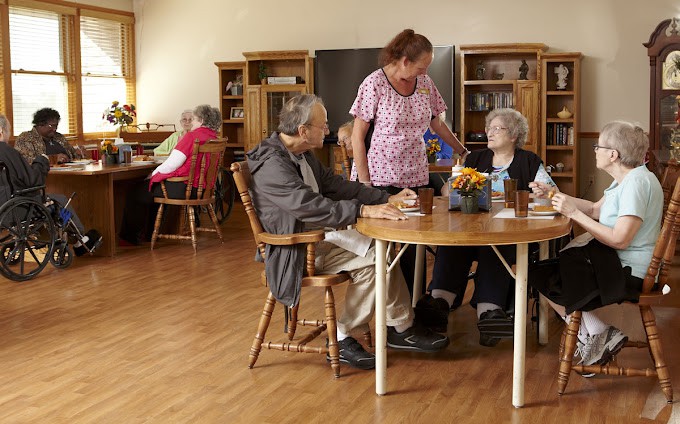
  • Dining room Dining roomDining rooms are important for seniors as they provide a space for socialization, connection, and nutritious meals. They offer opportunities for residents to bond over shared meals, foster a sense of community, and promote healthy eating habits. Dining rooms also ensure that seniors have access to well-balanced meals tailored to their dietary needs and preferences.
  • Fully furnished Fully furnishedFully furnished senior living communities are important for seniors because they provide convenience, comfort, and a hassle-free moving experience. Seniors can easily settle into their new living space without the stress of having to buy and move furniture. This allows them to focus on enjoying their new home and community.
  • Garden GardenGardens are important for seniors as they provide a peaceful and therapeutic environment for relaxation, physical activity, and socialization. Being in nature has been shown to reduce stress, improve mood, and promote overall well-being. Gardens also offer opportunities for seniors to engage in gardening activities, which can improve mobility, flexibility, and cognitive function. Additionally, gardens create a sense of community and connection with others who share a passion for plants and outdoor spaces.
  • Housekeeping services Housekeeping servicesHousekeeping services are important for seniors because they help maintain a clean and safe living environment, promote independence, and reduce the risk of accidents or illnesses. Additionally, having assistance with household chores can alleviate physical strain and allow seniors to focus on other aspects of their well-being.
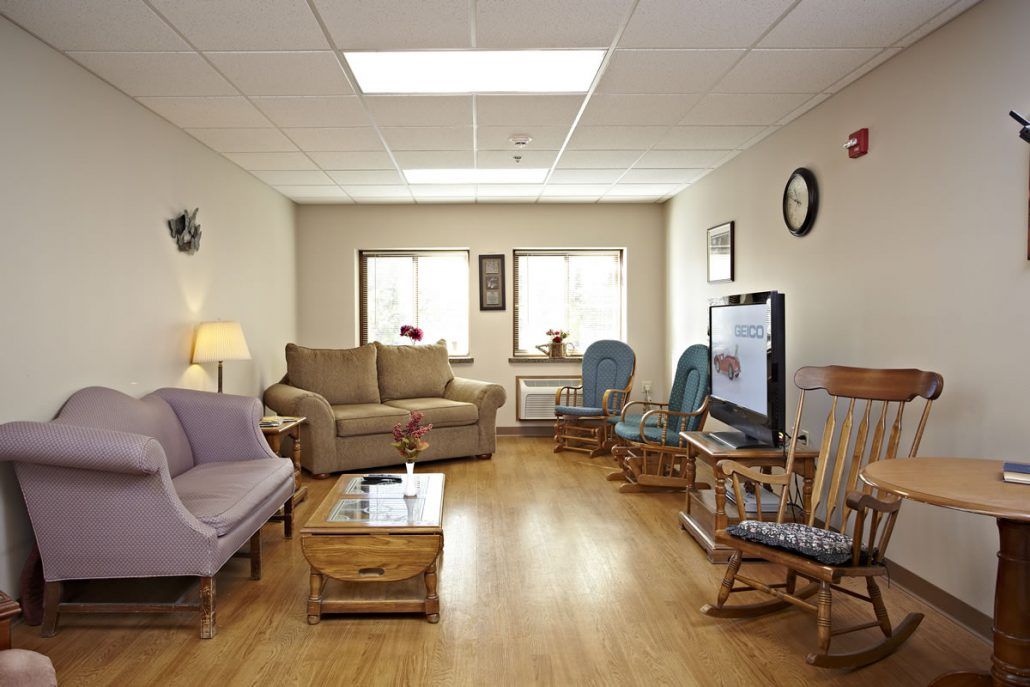
  • Indoor common areas Indoor common areasIndoor common areas are crucial for seniors as they provide a space for socialization, recreation, and community engagement, promoting overall well-being and reducing feelings of isolation and loneliness.
  • Kitchenette KitchenetteKitchenettes are important for seniors living in senior living communities because they provide the convenience and independence of being able to prepare simple meals and snacks in the comfort of their own living space. This can help promote a sense of autonomy and well-being for seniors, allowing them to maintain some level of control over their dietary choices and daily routines.
  • Move-in coordination Move-in coordinationMove-in coordination is important for seniors because it helps ease the transition into their new living environment. It ensures that all logistics, such as packing, organizing movers, and setting up utilities are taken care of, allowing seniors to focus on settling in and adjusting to their new home. Having a smooth move-in process can alleviate stress and anxiety, making the transition smoother and more enjoyable for seniors.
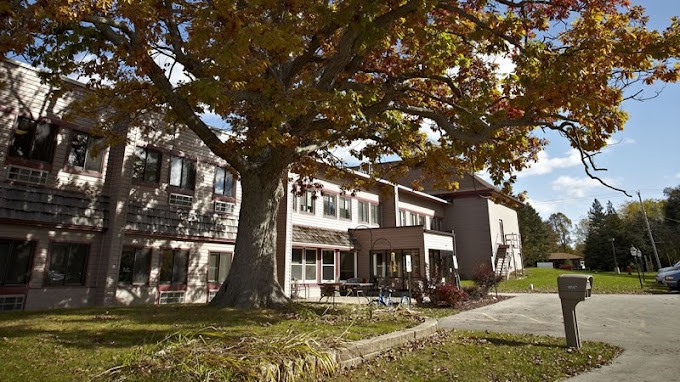
  • Outdoor common areas Outdoor common areasOutdoor common areas are important for seniors as they provide a space for socialization, physical activity, and relaxation. Being outside in nature can improve mood and overall well-being, while also encouraging movement and engagement with others. These spaces can help combat feelings of isolation and promote a sense of community among residents.
  • Outdoor space Outdoor spaceOutdoor spaces are important for seniors as they provide opportunities for physical activity, social interaction, exposure to natural light and fresh air, and a sense of connection to nature. Having access to outdoor spaces can improve overall well-being and quality of life for older adults living in senior communities.
  • Respite or short term stays offered Respite or short term stays offeredRespite or short term stays provide seniors with a temporary solution when their regular caregiver is unavailable, offering them the opportunity to receive additional care and support during times of need, while also giving caregivers a chance to rest and recharge.
  • Restaurant-style dining Restaurant-style diningRestaurant-style dining is important for seniors because it allows them to enjoy delicious, nutritious meals in a social and upscale setting. This enhances their dining experience, promotes healthy eating habits, and fosters socialization with fellow residents, ultimately contributing to their overall well-being and quality of life.
  • Small library Small librarySmall libraries are important for seniors as they provide access to a variety of reading materials, including books, newspapers, and magazines. This can help stimulate their minds, keep them engaged, and provide a sense of community through book clubs and other social activities. Additionally, reading has been shown to improve cognitive function and overall mental well-being in older adults.
  • Telephone TelephoneTelephones are important for seniors as they provide a lifeline for communication with loved ones, emergency services, and healthcare providers. They offer a sense of security and independence, enabling seniors to stay connected and access assistance when needed.
  • Wheelchair accessible showers Wheelchair accessible showersWheelchair accessible showers are crucial for seniors as they provide a safe and independent bathing option for those with mobility challenges. These showers help prevent falls and allow seniors to maintain their dignity and autonomy while ensuring they can bathe comfortably.
  • Wi-Fi/high-speed internet available Wi-Fi/high-speed internet availableWi-Fi/high-speed internet is important for seniors to stay connected with loved ones, access online resources, and participate in virtual activities to combat feelings of loneliness and isolation. It also allows them to easily manage healthcare needs, access entertainment, and engage in lifelong learning opportunities.

Transportation

  • General Mitchell International (7 miles away) General Mitchell International (7 miles away)

Care Services

  • 24-hour call system 24-hour call system24-hour call systems are important for seniors because they provide peace of mind and immediate assistance in case of emergencies. This technology ensures that help is always available, promoting safety and security for elderly individuals living alone or in assisted living facilities.
  • 24-hour supervision 24-hour supervision24-hour supervision is important for seniors to ensure their safety, well-being, and access to immediate assistance in case of emergencies or health issues. This constant support provides peace of mind for both seniors and their loved ones, allowing them to age in place with dignity and security.
  • Activities of daily living assistance Activities of daily living assistanceActivities of daily living assistance are important for seniors because they provide essential support with tasks such as eating, bathing, dressing, and mobility. This assistance helps seniors maintain their independence, dignity, and overall quality of life as they age.
  • Ambulatory care Ambulatory care"Ambulatory care services provide essential medical support and treatment to seniors without requiring hospitalization, allowing them to maintain their independence and quality of life while managing chronic conditions or receiving routine medical care."
  • Assistance with bathing Assistance with bathingAssistance with bathing is crucial for seniors as it helps maintain personal hygiene, prevents infections, and ensures their overall well-being and comfort. It also provides a sense of dignity and independence for seniors who may struggle with this task on their own.
  • Assistance with dressing Assistance with dressingAssistance with dressing is important for seniors because it helps maintain their independence, promotes personal hygiene, prevents accidents and injuries, and improves overall quality of life. This service ensures that seniors can continue to dress comfortably and confidently, despite any physical limitations they may have.
  • Assistance with transfers Assistance with transfersAssistance with transfers is crucial for seniors as it helps prevent falls and injuries, maintains their independence, and ensures they can safely navigate their living environment. It also provides peace of mind for both seniors and their loved ones.
  • Diabetes diet Diabetes dietA diabetes diet is crucial for seniors as it helps manage blood sugar levels, reduce risks of complications, and improve overall health and well-being. By following a balanced and nutritious diet tailored to their specific needs, seniors can better control their diabetes and enhance their quality of life.
  • Diabetic care Diabetic careDiabetic care is crucial for seniors as they are more susceptible to developing diabetes due to aging and other health conditions. Proper management of diabetes can help prevent complications such as heart disease, vision loss, and nerve damage, improving the overall quality of life for seniors in senior living communities.
  • Incontinence care Incontinence careIncontinence care is essential for seniors to maintain their dignity, hygiene, and overall quality of life. By addressing incontinence issues promptly and effectively, seniors can enjoy a sense of independence and comfort in their daily activities.
  • Meal preparation and service Meal preparation and serviceMeal preparation and service are crucial for seniors as they may have limited mobility or energy to cook nutritious meals. Having access to healthy and convenient food options can ensure they are getting the proper nutrition needed to maintain their overall health and well-being.
  • Medication management Medication managementMedication management is crucial for seniors to ensure they are taking the right medications at the correct dosages and times. This helps prevent adverse drug interactions, reduces the risk of medication errors, and promotes overall health and well-being. Proactive management also allows for adjustments as needed based on changing health conditions or new prescriptions.
  • Mental wellness program Mental wellness programMental wellness programs are essential for seniors as they promote cognitive stimulation, emotional support, and social engagement. These programs help prevent isolation, depression, and cognitive decline, ultimately enhancing the overall quality of life for older adults.
  • Mild cognitive impairment Mild cognitive impairment"Mild cognitive impairment" is important for seniors because it is an early stage of cognitive decline that can potentially progress to more severe conditions such as dementia. Recognizing and addressing mild cognitive impairment can help seniors receive appropriate care and support to maintain their quality of life and independence for as long as possible.
  • Special dietary restrictions Special dietary restrictionsSpecial dietary restrictions are important for seniors because age-related changes in metabolism and health conditions can make it difficult for their bodies to process certain foods. By following a diet tailored to their specific needs, seniors can maintain their overall health and well-being, manage chronic conditions, and reduce the risk of complications such as malnutrition or food interactions with medications.

  • Specialized memory care programming Specialized memory care programmingSpecialized memory care programming is crucial for seniors with cognitive impairments such as dementia or Alzheimer's disease. These programs provide a safe and supportive environment tailored to the unique needs of individuals with memory loss, helping them maintain their independence, dignity, and quality of life.

Dining

  • Diabetes diet Diabetes dietA diabetes diet is crucial for seniors as it helps manage blood sugar levels, reduce risks of complications, and improve overall health and well-being. By following a balanced and nutritious diet tailored to their specific needs, seniors can better control their diabetes and enhance their quality of life.
  • Meals provided Meals provided"Meals provided" are crucial for seniors in assisted living communities as it ensures they have access to nutritious, balanced meals without the stress of meal planning and preparation. This can help promote overall health and well-being for seniors who may have limited mobility or cognitive abilities.
  • Special dietary restrictions Special dietary restrictionsSpecial dietary restrictions are important for seniors because age-related changes in metabolism and health conditions can make it difficult for their bodies to process certain foods. By following a diet tailored to their specific needs, seniors can maintain their overall health and well-being, manage chronic conditions, and reduce the risk of complications such as malnutrition or food interactions with medications.
  • Vegetarian VegetarianA vegetarian diet is important for seniors because it can help lower the risk of chronic diseases, maintain a healthy weight, and provide essential nutrients needed for aging bodies. Additionally, plant-based diets are often easier on digestive systems and can contribute to overall well-being in older adults.

Activities

  • Activities off-site Activities off-siteEngaging in off-site activities is crucial for seniors to maintain social connections, stay active, and stimulate their minds. It promotes overall well-being and helps combat feelings of isolation and loneliness.
  • Activities on-site Activities on-siteActivities on-site are important for seniors because they provide opportunities for socialization, mental stimulation, physical activity, and overall well-being. Engaging in activities can help seniors stay active, maintain their independence, and improve their quality of life.
  • Community-sponsored activities Community-sponsored activitiesCommunity-sponsored activities are important for seniors as they provide opportunities for social interaction, mental stimulation, and physical activity. These activities can help improve overall well-being, combat loneliness and isolation, and promote a sense of belonging and purpose among older adults.
  • Devotional activities offsite Devotional activities offsiteDevotional activities offsite are important for seniors because they provide social engagement, spiritual growth, and a sense of community outside of their living environment. This can improve overall well-being, mental health, and combat feelings of isolation or loneliness.
  • Devotional activities on-site Devotional activities on-siteDevotional activities on-site provide seniors with a sense of community, spiritual fulfillment, and emotional support, promoting overall well-being and a positive sense of purpose in their lives.
  • Resident-run activities Resident-run activitiesResident-run activities are important for seniors as they encourage social interaction, creativity, and a sense of autonomy. These activities empower seniors to stay engaged and active in their community while fostering meaningful connections with their peers.
  • Scheduled daily activities Scheduled daily activitiesScheduled daily activities are important for seniors because they provide structure, socialization, mental stimulation, and physical activity. Engaging in regular activities can improve overall well-being and quality of life for seniors living in a community setting.

Description

Country View in Oak Creek, WI is an assisted living community that specializes in memory care. Our dedicated staff provides 24-hour supervision and assistance with activities of daily living such as bathing, dressing, and transfers. We also offer specialized memory care programming for residents with mild cognitive impairment.

At Country View, we prioritize the well-being of our residents by providing a mental wellness program and personalized diabetes care. Our trained staff ensures that medication management is handled efficiently and according to each resident's individual needs.

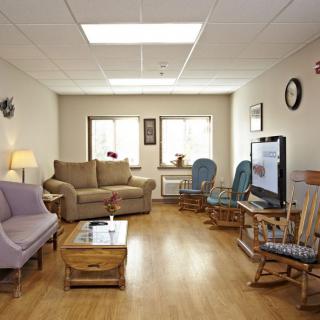
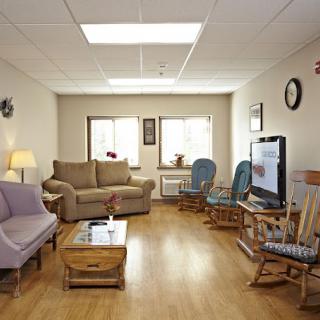
Our community offers a range of amenities to enhance the daily lives of our residents. With on-site activities and resident-run programs, there is always something engaging for everyone to enjoy. There are also devotional services both on-site and off-site for those who wish to participate. Additionally, our fully furnished indoor common areas provide spaces for relaxation and socialization.

Country View understands the importance of maintaining a healthy lifestyle, which is why we offer restaurant-style dining with special dietary restrictions in mind. Vegetarian options are available alongside regular meals, ensuring that all residents can find something they enjoy.

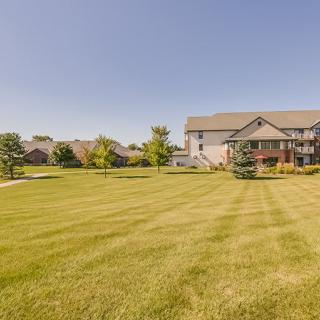
The beauty salon on-site allows residents to indulge in pampering sessions without leaving the community. To further enrich their lives, small library facilities are available for reading enthusiasts. Residents can also enjoy outdoor common areas and a garden space to spend time outdoors.

We strive to make our community easily accessible by offering move-in coordination services and wheelchair accessible showers. Wi-Fi/high-speed internet is provided throughout the premises for residents' convenience.

Country View is conveniently located near multiple amenities including pharmacies, physicians' offices, restaurants, places of worship, and hospitals. This makes it convenient for residents to access necessary services while still enjoying the tranquility of their home environment at our community.

At Country View in Oak Creek, WI, we aim to create a comfortable and engaging environment where individuals with memory care needs can thrive while receiving comprehensive care tailored to their specific requirements.

Videos

Nearby Places of Interest

This part of Oak Creek, Wisconsin offers a convenient location with easy access to a variety of amenities. There are several healthcare options nearby including Aurora Health Care and specialized clinics such as Rheumatology & Immunotherapy. Pharmacies like Walgreens and Pick 'n Save are also within close proximity for easy prescription refills. Additionally, there are plenty of dining options ranging from fast food chain restaurants like McDonald's and Chick-Fil-A to local favorites like Culver's. For those who enjoy outdoor activities, parks like Runway Dog Exercise Area and Racine Quarry Park provide opportunities for recreation. Nearby hospitals include Froedert Drexel Square Clinic and Aurora St Luke's South Shore for peace of mind in case of emergencies. Furthermore, the South Shore Cinema and cafes like Hawthorne Coffee Roasters offer entertainment options and social opportunities for residents looking to stay active and engaged in the community.

Physicians

  • Aurora Health Care (3.2 miles)
  • Aurora Health Care (4.9 miles)
  • Rheumatology & Immunotherapy (6 miles)
  • Innovative Pain Care (6.7 miles)
  • Rudy Byron, MD (8.1 miles)
  • Neurological Clinic (8.4 miles)
  • GI Associates (8.4 miles)

Pharmacies

  • Walgreens (3.3 miles)
  • Walgreens (3.4 miles)
  • Pick 'n Save Pharmacy (3.6 miles)
  • Meijer Pharmacy (4.4 miles)
  • Walgreens (5.1 miles)
  • Walgreens (5.2 miles)
  • CVS Pharmacy (6 miles)

Restaurants

  • McDonald's (3.6 miles)
  • McDonald's (4.2 miles)
  • Chick-Fil-A (4.5 miles)
  • Culver's (4.5 miles)
  • McDonald's (5.1 miles)
  • Subway (5.2 miles)
  • Culver's (5.7 miles)

Places of Worship

  • St Stephen's Catholic Church (4.1 miles)

Hospitals

  • Froedert Drexel Square Clinic (4.7 miles)
  • Aurora St Luke's South Shore (5.8 miles)
  • Wheaton Franciscan Healthcare - All Saints (8.5 miles)

Parks

  • Runway Dog Exercise Area (5.2 miles)
  • Racine Quarry Park (7.5 miles)
  • Humboldt Park (9.8 miles)
  • South Shore Park (9.8 miles)

Theaters

  • South Shore Cinema Oak Creek, Wi (5.8 miles)
  • Renaissance Cinema Sturtevant, Wi (9.8 miles)

Transportation

  • MKE Runway (6.8 miles)
  • Concourse D (6.9 miles)
  • Delta Ticket Counter (7 miles)
  • Milwaukee Mitchell International Airport (MKE) (7 miles)
  • Security Checkpoint (7.1 miles)
  • Concourse C (7.1 miles)

Cafes

  • Hawthorne Coffee Roasters (8.5 miles)
  • Wilson's Coffee & Tea (9.4 miles)
  • Starbucks (10 miles)

Frequently Asked Questions

How much does it cost to live at Country View in Oak Creek, WI?
Where is Country View?
Does Country View provide care for residents with dementia or Alzheimer's disease?
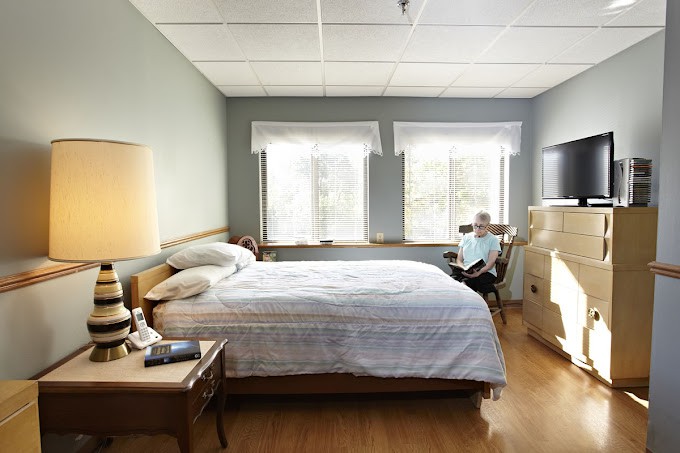
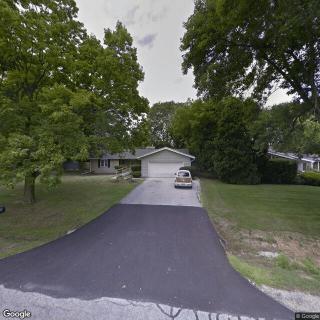
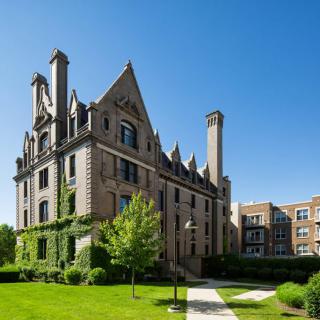
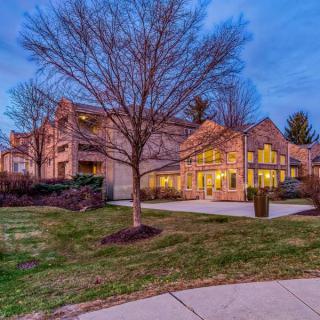
What photos are available for Country View in Oak Creek, Wisconsin?

Nearby Communities

  • Eliana Homes II

    Eliana Homes II

    Oak Creek, WI


    pro Intimate memory-care setting with 24/7 supervision and specialized programming.


  • Elizabeth Residence Oak Creek

    Elizabeth Residence Oak Creek

    Oak Creek, WI

    3.7 from 11 reviews
    $7,700 / month

    pro Beautiful grounds with an intimate, personalized care feel from a small, friendly staff.

  • Schmidt Home

    Schmidt Home

    Oak Creek, WI

    3.9 from 11 reviews
    $2,211 to $3,413 / month

    pro Competitive pricing vs county/state averages; includes diabetic care and on-site activities.

  • Oak Creek Place

    Oak Creek Place

    South Milwaukee, WI

    4.2 from 44 reviews
    $2,128 to $3,740 / month

    pro Friendly, compassionate staff in a clean, welcoming environment with engaging activities and dining options.

  • Willowcrest Health Services

    Willowcrest Health Services

    South Milwaukee, WI

    2.6 from 50 reviews
     

    pro Extensive care services and amenities.

  • Country Meadows Family Care Angel House

    Country Meadows Family Care Angel House

    Caledonia, WI


    pro Home-like assisted living with meals, housekeeping, 24/7 supervision, move-in coordination, and transportation to medical appointments.

  • Meadowmere Oak Creek

    Meadowmere Oak Creek

    Oak Creek, WI

    4.5 from 75 reviews
    $1,950 to $5,155 / month

    pro Engaging activities and caring staff.

  • Oak Park Place - Oak Creek

    Oak Park Place - Oak Creek

    Oak Creek, WI

    4.1 from 71 reviews
    $4,600 to $6,400 / month

    pro Friendly, responsive staff with engaging activities in a clean, well-kept setting.

  • Azura Memory Care of Oak Creek

    Azura Memory Care of Oak Creek

    Oak Creek, WI

    4.4 from 120 reviews
    $6,740 / month

    pro Compassionate staff in a warm, small, home-like setting with engaging activities.

Related Resources

  • dementia and angerWhen Dementia Sparks Anger and Aggression: Understanding the Connection and Ways to Cope

    Dementia leads to cognitive impairment and can cause emotional and behavioral changes, including aggression that arises from frustration, confusion, or fear. Effective coping strategies for caregivers include understanding dementia's nature, recognizing triggers, using empathetic communication, and employing non-pharmacological interventions like music and art therapy.

  • dementia behaviorsDementia Behaviors: In-Depth Understanding and Effective Coping Strategies

    Dementia causes cognitive decline and challenging behaviors that caregivers must manage, necessitating an understanding of the neurological basis of these issues. Effective strategies and self-care for caregivers can enhance support for those with dementia and improve their daily lives.

  • does my mom have dementia quiz5 Early Indicators of Dementia and What You Can Do
    The content outlines five key early indicators of dementia, including significant memory loss and confusion about time and place, while emphasizing the need for professional evaluation and emotional support for both individuals showing symptoms and their caregivers. It encourages family members to monitor these signs closely and use online quizzes for initial awareness.