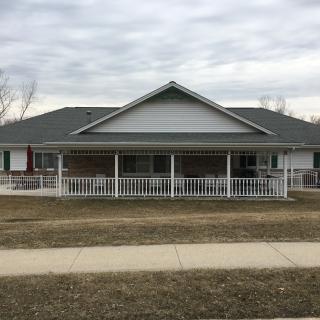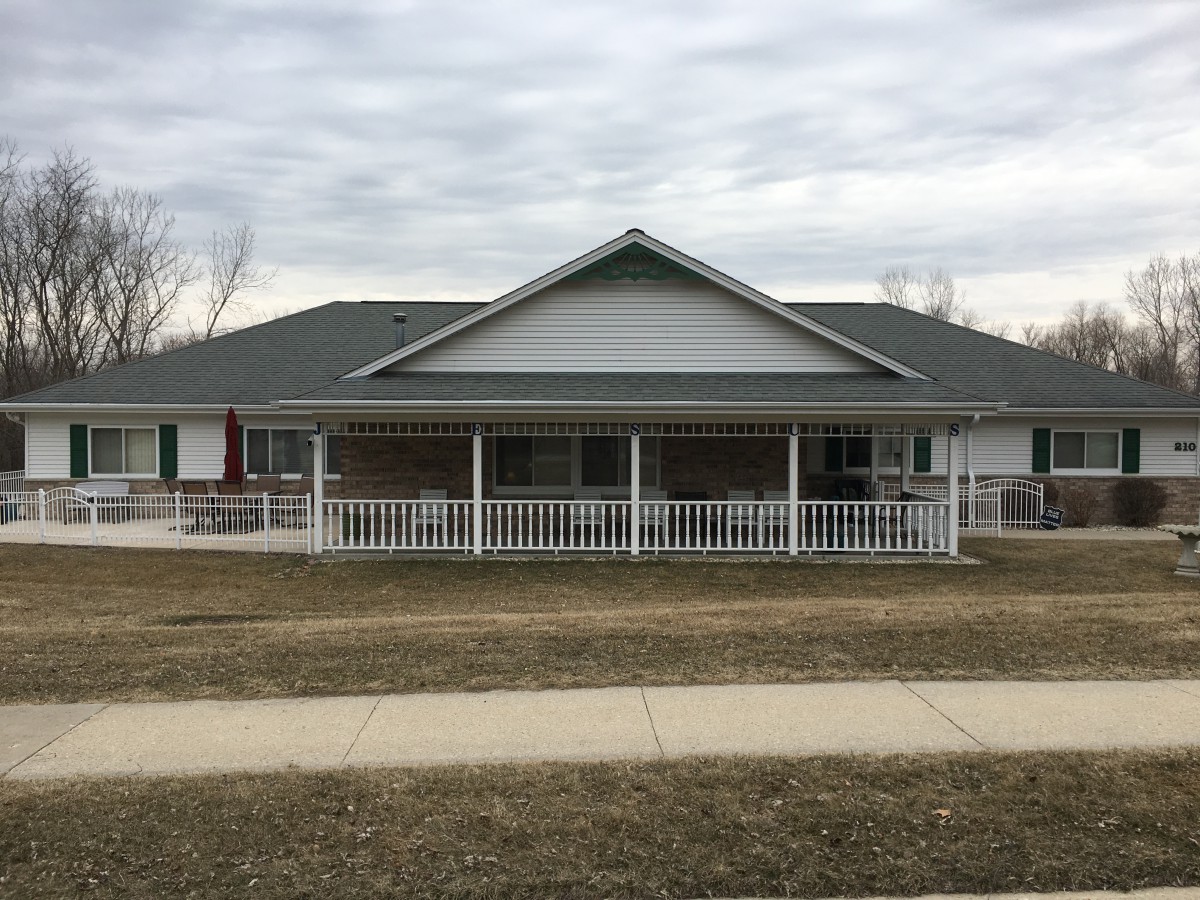
280 Birchrock Way, Mukwonago, WI 53149
For more information about senior living options: (866) 208-4318
Overall Review of Mukwonago - Birchrock Castle
Pros
 BirchRock Corners Homestyle is a family-run community that feels really nice.
- It feels like a group home but more family-oriented.
- The residents care for each other, and it’s fun to see.
- The group is lively, friendly, and caring.
- Everybody seems really happy there.
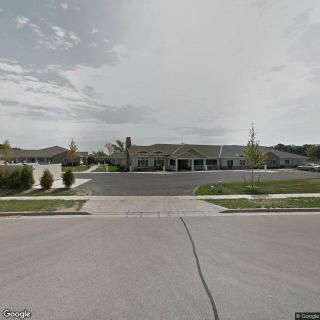
- BirchRock Corners Homestyle is a more intimate setting with a courtyard and a walking path outside.
- It is very clean and maintenance is kept up very well.
- There is staff 24/7 and they are wonderful.
- The rooms with a private bathroom are spacious.
- A full-time chef is very good, and meals are provided.
- There are activities like a group playing guitars, bowling, and vans that take people around.
Cons
 They didn't have a place for my mother.
- They didn't have doctors that came in to see the residents.
- They had all levels of care except for dementia.
- It was just a small place and the building wasn't huge.
Review
This community is best suited for seniors who want a small, family‑run environment where residents know each other and care feels deeply personal. With roughly 20 residents, Birchrock Castle offers a high‑touch, homelike setting rather than a clinical campus. The all‑inclusive approach to services, meals, housekeeping, maintenance, activities, and transportation, removes much of the logistical friction that often comes with senior living. The strongest draw is the intimate, caring culture: staff are consistently present, the atmosphere is social and lively, and accommodations include private rooms with full baths, a courtyard, and a well-regarded in-house kitchen. It is the right choice for families prioritizing predictability, direct access to caregivers, and a sense of belonging that resembles a well‑kept private home.
Alternatives are worth considering for residents who will eventually need dementia care or more robust medical oversight. A notable limitation here is the absence of on‑site doctors or routine clinician visits, which can be a mismatch for those requiring regular medical management or specialized memory support. The small footprint and limited number of rooms can also constrain the breadth of programming and environmental variety that some families expect from an assisted living campus. For seniors with cognitive challenges or significant medical needs, facilities with dedicated memory care wings and on‑site medical staff typically offer a safer, more comprehensive level of supervision.
The strongest pros, intimacy, reliability, and quality daily life, tend to offset the main drawbacks when aligned with resident needs. The intimate setting fosters meaningful relationships between residents and caregivers, and staff longevity contributes to consistent, attentive care. Cleanliness and meticulous maintenance ensure a comfortable living space, while a private bathroom in spacious rooms enhances privacy and dignity. A full‑time chef delivering meals on site, plus a dining room arranged for relaxed, social dining, eliminates meal‑planning stress and supports nutritious, appetizing options. Social activities, guitar group, bowling, and other outings, are balanced with dependable transportation via multiple vans, helping residents stay connected without a crowded campus feel.
Those same advantages also illuminate the trade‑offs. The trade‑off is most acute for families evaluating memory care or medical complexity: dementia care is not listed as available, and there is no on‑site physician presence, which means medical oversight relies on external providers. The small scale, while charming, can limit the diversity of programming and amenities that some aging adults expect, particularly for those who may later require more structured clinical support. However, for residents who prize a homey, neighborly vibe and do not require on‑site dementia programs or regular clinician visits, these limitations can be manageable if medical coordination is actively arranged with family physicians or specialists.
Practical decision guidance is clear. This community excels for families seeking a warm, low‑key environment where daily life centers on personal attention, good meals, and social engagement in a setting that feels like a private residence. It is less suitable for those anticipating dementia care or requiring frequent in‑person medical oversight. Prospective residents should confirm what “all services included” actually covers and discuss how care coordination will be handled with primary physicians, especially regarding medications and routine health checks. A campus visit is essential to gauge whether the intimate rhythm and resident interactions align with expectations for safety, mobility, and activity diversity.
Bottom line: Birchrock Castle/Mukwonago delivers a compelling option for a senior who prioritizes a close‑knit community, reliable staffing, and a chef‑driven dining plan within a clean, well‑kept, intimate setting. The absence of memory care and on‑site medical staff rightly signals alternatives should memory needs or medical oversight be anticipated. For families ready to embrace a homelike cadence, where transportation, private accommodations, and daily social life stay manageable and meaningful, this community stands out as a prudent, well‑executed choice. To finalize the fit, arrange a visit, verify current care capabilities, and observe resident–staff interactions with a critical eye toward safety, atmosphere, and the practical rhythm of daily living.
 20 resident community capacity
 Studio apartments
 Assisted Living
 Independent Living
 Beautician on-site
 Cable or satellite TV
 Dining room
 Financial aid
 Fully furnished
 Garden
 Housekeeping services
 Kitchenette
 Laundry
 Move-in coordination
 Outdoor space
 Party space
 Respite or short term stays offered
 Telephone
 Wi-Fi/high-speed internet available
 General Mitchell International (23 miles away)
 24-hour call system
 Activities of daily living assistance
 Assistance with bathing
 Assistance with dressing
 Assistance with transfers
 Diabetes diet
 Hospice waiver
 Meal preparation and service
 Medication management
 Mental wellness program
 Special dietary restrictions
 Transportation arrangement (medical)
 Transportation to doctors appointments
 Arts and crafts
 Fitness programs
 Games
Games Live musical performances
 Religious services
 Stories
 English


 Comprehensive Insights into Activities of Daily Living (ADLs) and Their Assessment
 Medicare Coverage for Assisted Living: An In-Depth Exploration
 Choosing the Right Senior Care: A Detailed Exploration of Assisted Living and Nursing Homes