

1340 Main Street, Mukwonago, WI 53149
For more information about senior living options: (866) 208-4318
Brolen Meadows Costs & Pricing
At Brolen Meadows, the monthly cost for a studio apartment is set at $4,000, positioning it competitively within the regional landscape. Compared to Waukesha County, where similar accommodations average around $4,225, Brolen Meadows offers a more attractive rate for prospective residents. Additionally, when examining the broader state of Wisconsin, which sees studio costs averaging slightly lower at $3,999, Brolen Meadows remains just above that threshold while providing unique value and amenities tailored to enhance resident experience. This pricing strategy reflects Brolen Meadows' commitment to offering quality living conditions while remaining mindful of the local market dynamics.
| Floor plans | Brolen Meadows | Waukesha County | Wisconsin |
|---|---|---|---|
| Studio | $4,000 | $4,225 | $3,999 |
Memory care communities with a similar price nearby
-
from -$500 / mo
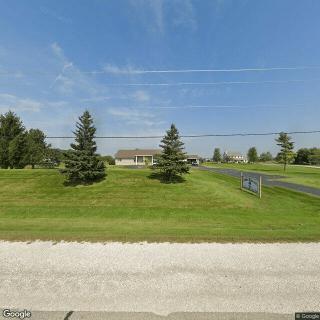
Dolphin Manor
$3,500 / month15.0 miles away -
from -$701 / mo

Our House Senior Living - Whitewater Memory Care
$3,299 to $4,675 / month18.9 miles away -
from -$200 / mo
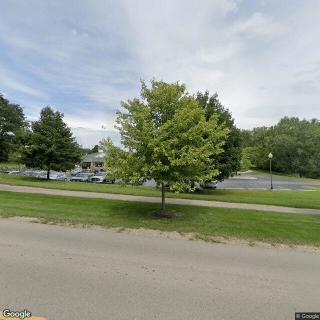
Geneva Crossing
$3,800 / month18.6 miles away -
About the same
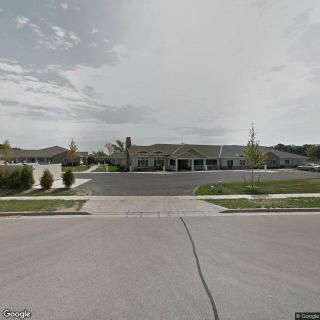
Waterford Senior Living
$4,050 to $5,450 / month9.0 miles away -
from -$705 / mo
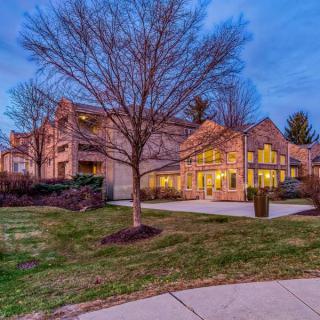
Harbour Village
$3,295 to $7,012 / month19.3 miles away
Overall Review of Brolen Meadows
Pros
 The facility is a rare gem.
- The administrator and staff are caring and kind, going above and beyond to meet residents’ needs.
- The facility greets visitors with warmth and sunshine.
- Residents are engaged in activities throughout the day.
- There is a true sense of harmony within the facility.
- The home-cooked meals have amazing aromas.
- Brolen Meadows is a great place for residents.
- The staff at Brolen Meadows are helpful and caring toward residents.
- They are on top of residents’ care and health.
- The living space is lovely, and the staff are kind.
Cons
 Loved ones are verbally mistreated at check-in.
- A nurse threatened to shove a pill down a resident's throat.
- The admin is unprofessional, hanging up on people and talking down to them.
Review
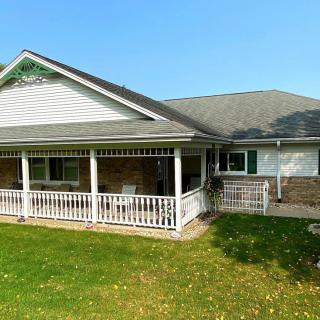
Brolen Meadows in Mukwonago, WI, is best suited for seniors who crave an intimate, home-like setting where staff are clearly invested in each resident and daily life centers on warmth, familiar routines, and household-style living. The small footprint, about 20 residents, creates an environment where aides, caregivers, and the administrator can form predictable, one-on-one relationships. Families will find comfort in the sense of harmony described by those who appreciate home-cooked meals, residents actively engaged in card games, bingo, and relaxed social time, and in a facility that feels more like a warmly run residence than a clinical campus. For families seeking personal touch, visible attentiveness, and a village feel, this community delivers strong day-to-day value.
That said, certain realities should push families to explore alternatives. While several reviews applaud the staff’s kindness and dedication, others raise serious concerns about how residents are treated and how issues are handled. One reviewer recounts verbal mistreatment tied to medication practices, and another cites unprofessional behavior from both nursing staff and administration. These reports are not incidental; they touch on core safety and dignity questions that cannot be ignored. Additionally, the small size that helps with intimacy can also mean fewer layers of oversight, limited medical support, and a narrower pool of programming. For anyone prioritizing rigorous clinical oversight, memory-care specialization, or consistently professional administrative conduct, alternatives should be weighed.
On the upside, the strongest positives center on people and atmosphere. Multiple accounts highlight administrators and staff who go above and beyond to meet needs, creating a welcoming entrance experience and a sense of daily calm. Residents are described as being actively engaged, whether in games, lounging, or meals, with the aroma of home cooking reinforcing a comforting, family-like environment. Families note that care coordination feels thorough and responsive, and the care team appears well-meaning and capable in routine situations. The facility’s modest size is a fit for families seeking visibility and accountability, where staff live in the same small community and respond with a consistent cadence.
Yet the notable negatives cannot be dismissed as minor caveats. The alleged mistreatment, if accurate, is a serious red flag that undermines trust in daily operations. Administrative interactions described as unprofessional, while not universal, suggest a potential risk in communication and dispute resolution. These issues matter because they directly affect a resident’s sense of safety and autonomy, especially around sensitive tasks like medication management. The mixed reviews also imply variability in experience: some families experience smooth, attentive care, while others encounter troubling incidents. This variance should prompt cautious, information-rich visits to observe interactions, question policy enforcement, and request direct confirmations of safety protocols before committing.
The balancing act here hinges on whether the positives can be safeguarded against the reported concerns. For families who can actively supervise and demand transparent, well-documented policies, especially around medication administration, staff training, and escalation processes, the warm, intimate environment has meaningful upside. To tilt the risk-reward in favor of choosing Brolen Meadows, prospective residents should insist on seeing current care plans, requesting direct input from nursing leadership about medication Procedures, and meeting the administrator to gauge responsiveness and tone. Scheduling visits at different times and engaging with current residents or families can reveal whether the claimed harmony holds up under routine demands.
Bottom line: Brolen Meadows is a compelling option for those who prize a small, homey atmosphere, close-knit staff relationships, and accessible social programming, provided there is vigilant oversight and a tolerance for potential variability in staff interactions. It is not the best fit for families prioritizing ironclad safety assurances, rigorous clinical oversight, or specialized memory-care environments. Alternatives worth considering include larger assisted-living communities with stronger standardized procedures, more robust medical staffing, and dedicated memory-care options. For families drawn to the warmth described here, the next steps are clear: visit with multiple staff members, request detailed care and medication policies, and speak candidly with current residents and their families to determine whether the day-to-day experience aligns with the expectations and safety standards required.
 20 resident community capacity
 Assisted Living
 Memory Care
 Activities on-site
 Beauty salon
 Cable or satellite TV
 Devotional services off-site
 Dining room
 Fully furnished
 Garden
 Housekeeping services
 Indoor common areas
 Kitchenette
 Move-in coordination
 Outdoor space
 Restaurant-style dining
 Small library
 Telephone
 Wi-Fi/high-speed internet available
 General Mitchell International (24 miles away)
 24-hour call system
 Ambulatory care
 Assistance with bathing
 Assistance with dressing
 Assistance with transfers
 Diabetes diet
 Medication management
 Mental wellness program
 Special dietary restrictions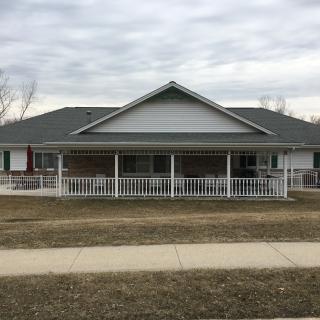



 Understanding Dementia Behaviors: Practical Insights and Strategies for Caregivers
 When Dementia Sparks Anger and Aggression: Understanding the Connection and Ways to Cope
 Dementia Behaviors: In-Depth Understanding and Effective Coping Strategies