Inas Helping Hands in Milwaukee, WI

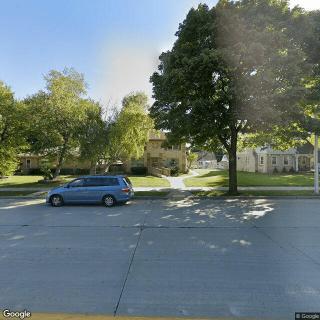
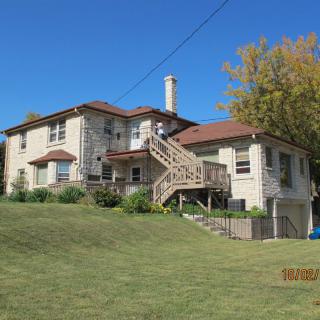
6617 West Beloit Road, Milwaukee, WI 53219

For more information about senior living options: (844) 490-3973

3.7 from 6 reviews
5 stars
4
4 stars
0
3 stars
0
2 stars
0
1 stars
2

Assisted Living Board and Care Home Memory Care

Overall Review of Inas Helping Hands

Pros

  • pro The staff at Ina's provide the absolute best care.
  • pro They are fun, friendly, caring, compassionate, and attentive to every resident's needs.
  • pro They are respectful and professional 24/7.
  • pro They have created a home environment for residents and all visitors.
  • pro The care provided is the best available.
  • pro The facility is great, clean, and comfortable.
  • pro The reviewer highly recommends their facilities.

Cons

  • pro The reviewer says the place should be closed and that staff and owner Wendy should face criminal charges for elder abuse, fraud, and theft.
  • pro They accuse certain staff members of drug dealing while on duty at Helping Hands.
  • pro They describe the facility as absolutely disgusting and note it remains licensed by the state.
  • pro The reviewer claims the woman neglected her client and that one of her staff hit the children in the home she was supposed to care for.
  • pro They state she released confidential HIPAA information about her clients directly to the reviewer.
  • pro They indicate DHS is involved and advise that no one should use this woman or her company for services.

Review

Inas Helping Hands is best suited for families seeking a warm, home-like environment where residents receive highly personalized attention from caregivers who are described as attentive, compassionate, and consistently present. The facility appears to function well as a small, residential-style setting in Milwaukee, appealing to seniors who thrive on close daily interactions, familiar routines, and a sense of family within the care team. For residents who need extensive medical supervision, high-level therapy, or formal, standardized oversight, this community may feel insufficient without additional external support.

That said, a clear caveat demands equal consideration: serious, conflicting claims have surfaced in reviews, including allegations of elder abuse, neglect, and privacy violations, along with accusations that staff were involved in illegal activities while on duty. Some reviewers warn potential families to avoid the operation tied to owner Wendy Thompson, citing DHS and HIPAA concerns. These assertions introduce substantial risk factors that cannot be ignored, particularly for families prioritizing safety, transparency, and regulatory accountability. Given the gravity of such claims, alternatives should be strongly considered by risk-averse shoppers and those requiring verifiable, independent oversight.

On the upside, the consistently praised elements describe a facility with a home-like footprint, cleanliness, and a calm, comfortable ambiance. Families highlight staff who are described as fun, friendly, and respectful, and residents who feel genuinely cared for in a setting that emphasizes individualized attention. The positive experiences emphasize professional, 24/7 engagement and a sense of security from caregivers who know residents' needs well, contributing to a reassuring daily rhythm for both residents and their families. In short, for those who value relational warmth, consistent caregiver presence, and a cordially lived-in environment, the positives here are meaningful and tangible.

The main cons, however, loom large in decision-making. The most serious concerns revolve around abuse and neglect allegations, breaches of privacy, and accusations of staff engaging in illegal off-duty activities, with specific reference to the owner and the operation's governance. These are not minor complaints; they strike at resident safety, privacy, and trust. When such claims appear alongside several glowing endorsements, the choice becomes a question of risk tolerance and due diligence. If credible, these issues have the potential to overshadow the positive day-to-day experiences and erode confidence in the facility's ability to maintain a safe, compliant environment over time.

The balance between pros and cons hinges on verifiable risk management. If a family can obtain independent, transparent confirmation of strong licensing status, responsive complaint resolution, robust staff screening, ongoing HIPAA training, and observable, corrective action where concerns exist, then the favorable care dynamics can justify deeper consideration. Conversely, if due diligence reveals unresolved safety issues, weak oversight, or corroborated patterns of negligent behavior, the favorable caregiver?resident interactions may not compensate for the potential harm. In other words, the decision should rest on the strength of oversight, safety controls, and a clear, enforceable plan to protect residents' welfare and privacy.

For families moving forward, concrete steps are essential. Schedule in-person meetings with leadership to discuss staffing ratios, care plans, and how privacy is safeguarded; request the most recent state inspection and any DHS communications, along with a detailed response plan addressing the raised concerns. Speak with current residents and families about their daily experiences, and seek references who can attest to sustained safety and reliability over time. Check background histories of key staff and the owner, and verify ongoing compliance through independent oversight channels. If these assurances align and the environment remains consistently welcoming, the community can be a strong fit for those prioritizing intimate, compassionate care in a home-like setting. If not, the search should continue toward facilities with unambiguous safety records and higher assurances of transparent governance.

Features

Housing

  • 4 resident community capacity 4 resident community capacity

Types of Care

  • Assisted Living Assisted LivingAssisted living facilities provide crucial support and care for seniors who may need help with daily tasks such as medication management, bathing, and meal preparation. These communities offer a safe and comfortable environment where seniors can maintain their independence while receiving the assistance they need to thrive in their golden years.
  • Board and Care Home Board and Care HomeBoard and care homes provide a smaller, more intimate setting for seniors who require assistance with daily tasks but do not need the level of care offered by a nursing home. They offer personalized care, meals, and social activities in a homelike environment, ensuring that seniors receive individualized attention and support in their golden years.
  • Memory Care Memory CareMemory care is crucial for seniors as it provides specialized support and services for individuals with dementia or Alzheimer's disease. These programs offer a safe and secure environment where residents receive personalized care, cognitive stimulation, and help with daily activities. Memory care helps seniors maintain their independence, quality of life, and dignity while also providing peace of mind for their families.

Amenities

  • Cable or satellite TV Cable or satellite TVCable or satellite TV is important for seniors because it provides entertainment, news, and companionship, helping to combat loneliness and boredom. It also offers a wide range of programming options tailored to different interests and preferences.
  • Dining room Dining roomDining rooms are important for seniors as they provide a space for socialization, connection, and nutritious meals. They offer opportunities for residents to bond over shared meals, foster a sense of community, and promote healthy eating habits. Dining rooms also ensure that seniors have access to well-balanced meals tailored to their dietary needs and preferences.
  • Fully furnished Fully furnishedFully furnished senior living communities are important for seniors because they provide convenience, comfort, and a hassle-free moving experience. Seniors can easily settle into their new living space without the stress of having to buy and move furniture. This allows them to focus on enjoying their new home and community.
  • Garden GardenGardens are important for seniors as they provide a peaceful and therapeutic environment for relaxation, physical activity, and socialization. Being in nature has been shown to reduce stress, improve mood, and promote overall well-being. Gardens also offer opportunities for seniors to engage in gardening activities, which can improve mobility, flexibility, and cognitive function. Additionally, gardens create a sense of community and connection with others who share a passion for plants and outdoor spaces.
  • Housekeeping services Housekeeping servicesHousekeeping services are important for seniors because they help maintain a clean and safe living environment, promote independence, and reduce the risk of accidents or illnesses. Additionally, having assistance with household chores can alleviate physical strain and allow seniors to focus on other aspects of their well-being.
  • Move-in coordination Move-in coordinationMove-in coordination is important for seniors because it helps ease the transition into their new living environment. It ensures that all logistics, such as packing, organizing movers, and setting up utilities are taken care of, allowing seniors to focus on settling in and adjusting to their new home. Having a smooth move-in process can alleviate stress and anxiety, making the transition smoother and more enjoyable for seniors.
  • Outdoor space Outdoor spaceOutdoor spaces are important for seniors as they provide opportunities for physical activity, social interaction, exposure to natural light and fresh air, and a sense of connection to nature. Having access to outdoor spaces can improve overall well-being and quality of life for older adults living in senior communities.
  • Telephone TelephoneTelephones are important for seniors as they provide a lifeline for communication with loved ones, emergency services, and healthcare providers. They offer a sense of security and independence, enabling seniors to stay connected and access assistance when needed.
  • Wi-Fi/high-speed internet available Wi-Fi/high-speed internet availableWi-Fi/high-speed internet is important for seniors to stay connected with loved ones, access online resources, and participate in virtual activities to combat feelings of loneliness and isolation. It also allows them to easily manage healthcare needs, access entertainment, and engage in lifelong learning opportunities.

Transportation

  • General Mitchell International (6 miles away) General Mitchell International (6 miles away)

Care Services

  • 24-hour supervision 24-hour supervision24-hour supervision is important for seniors to ensure their safety, well-being, and access to immediate assistance in case of emergencies or health issues. This constant support provides peace of mind for both seniors and their loved ones, allowing them to age in place with dignity and security.
  • Activities of daily living assistance Activities of daily living assistanceActivities of daily living assistance are important for seniors because they provide essential support with tasks such as eating, bathing, dressing, and mobility. This assistance helps seniors maintain their independence, dignity, and overall quality of life as they age.
  • Assistance with bathing Assistance with bathingAssistance with bathing is crucial for seniors as it helps maintain personal hygiene, prevents infections, and ensures their overall well-being and comfort. It also provides a sense of dignity and independence for seniors who may struggle with this task on their own.
  • Assistance with dressing Assistance with dressingAssistance with dressing is important for seniors because it helps maintain their independence, promotes personal hygiene, prevents accidents and injuries, and improves overall quality of life. This service ensures that seniors can continue to dress comfortably and confidently, despite any physical limitations they may have.
  • Assistance with transfers Assistance with transfersAssistance with transfers is crucial for seniors as it helps prevent falls and injuries, maintains their independence, and ensures they can safely navigate their living environment. It also provides peace of mind for both seniors and their loved ones.
  • Coordination with health care providers Coordination with health care providersCoordination with health care providers is crucial for seniors to ensure proper medical care, medication management, and overall well-being. This collaboration helps prevent overlapping treatments, track progress more effectively, and provide comprehensive support tailored to individual needs.
  • Dementia waiver Dementia waiverDementia waivers are essential for seniors as they provide critical protections and accommodations for those experiencing cognitive decline. These waivers ensure individuals with dementia receive appropriate care, support, and resources to maintain their quality of life and dignity as they navigate the challenges of this progressive condition.
  • Diabetes diet Diabetes dietA diabetes diet is crucial for seniors as it helps manage blood sugar levels, reduce risks of complications, and improve overall health and well-being. By following a balanced and nutritious diet tailored to their specific needs, seniors can better control their diabetes and enhance their quality of life.
  • Hospice waiver Hospice waiverHospice waivers are important for seniors because they allow individuals to receive specialized end-of-life care and support at home or in a hospice facility. This waiver ensures that seniors can access the necessary resources and services to maintain comfort and dignity during their final days.
  • Meal preparation and service Meal preparation and serviceMeal preparation and service are crucial for seniors as they may have limited mobility or energy to cook nutritious meals. Having access to healthy and convenient food options can ensure they are getting the proper nutrition needed to maintain their overall health and well-being.
  • Medication management Medication managementMedication management is crucial for seniors to ensure they are taking the right medications at the correct dosages and times. This helps prevent adverse drug interactions, reduces the risk of medication errors, and promotes overall health and well-being. Proactive management also allows for adjustments as needed based on changing health conditions or new prescriptions.
  • Mental wellness program Mental wellness programMental wellness programs are essential for seniors as they promote cognitive stimulation, emotional support, and social engagement. These programs help prevent isolation, depression, and cognitive decline, ultimately enhancing the overall quality of life for older adults.
  • Mild cognitive impairment Mild cognitive impairment"Mild cognitive impairment" is important for seniors because it is an early stage of cognitive decline that can potentially progress to more severe conditions such as dementia. Recognizing and addressing mild cognitive impairment can help seniors receive appropriate care and support to maintain their quality of life and independence for as long as possible.
  • Special dietary restrictions Special dietary restrictionsSpecial dietary restrictions are important for seniors because age-related changes in metabolism and health conditions can make it difficult for their bodies to process certain foods. By following a diet tailored to their specific needs, seniors can maintain their overall health and well-being, manage chronic conditions, and reduce the risk of complications such as malnutrition or food interactions with medications.
  • Specialized memory care programming Specialized memory care programmingSpecialized memory care programming is crucial for seniors with cognitive impairments such as dementia or Alzheimer's disease. These programs provide a safe and supportive environment tailored to the unique needs of individuals with memory loss, helping them maintain their independence, dignity, and quality of life.
  • Transportation arrangement (medical) Transportation arrangement (medical)Transportation arrangements for medical purposes are essential for seniors as they may have difficulty driving themselves to appointments or accessing public transportation. Having reliable and safe transportation options ensures that seniors can receive timely medical care and maintain their health and well-being.
  • Transportation to doctors appointments Transportation to doctors appointmentsTransportation to doctors' appointments is crucial for seniors as it ensures they have access to necessary medical care and support for their health needs. Without reliable transportation, seniors may struggle to attend important appointments, leading to potential delays in treatment and health complications. Providing transportation services helps seniors maintain their overall well-being and quality of life.

Dining

  • Diabetes diet Diabetes dietA diabetes diet is crucial for seniors as it helps manage blood sugar levels, reduce risks of complications, and improve overall health and well-being. By following a balanced and nutritious diet tailored to their specific needs, seniors can better control their diabetes and enhance their quality of life.
  • Special dietary restrictions Special dietary restrictionsSpecial dietary restrictions are important for seniors because age-related changes in metabolism and health conditions can make it difficult for their bodies to process certain foods. By following a diet tailored to their specific needs, seniors can maintain their overall health and well-being, manage chronic conditions, and reduce the risk of complications such as malnutrition or food interactions with medications.

Activities

  • Community-sponsored activities Community-sponsored activitiesCommunity-sponsored activities are important for seniors as they provide opportunities for social interaction, mental stimulation, and physical activity. These activities can help improve overall well-being, combat loneliness and isolation, and promote a sense of belonging and purpose among older adults.
  • Scheduled daily activities Scheduled daily activitiesScheduled daily activities are important for seniors because they provide structure, socialization, mental stimulation, and physical activity. Engaging in regular activities can improve overall well-being and quality of life for seniors living in a community setting.

Description

Inas Helping Hands in Milwaukee, WI is an assisted living community that provides exceptional care and support for individuals in need of board and care home services as well as memory care. The residents can enjoy a variety of amenities such as a comfortable dining room, fully furnished accommodations, a beautiful garden, and convenient housekeeping services. Additionally, Inas Helping Hands offers move-in coordination to ensure a seamless transition for new residents.

The community also provides outdoor spaces where residents can relax and take in the fresh air. Telephone and Wi-Fi/high-speed internet services are available to keep residents connected with their loved ones.

Care services at Inas Helping Hands include assistance with activities of daily living, such as bathing, dressing, and transfers. The staff also coordinates with healthcare providers to ensure that each resident's medical needs are met. Specialized care options such as the dementia waiver, diabetes diet management, hospice waiver, and medication management are also available.

To promote mental wellness and cognitive function, Inas Helping Hands offers a comprehensive mental wellness program. They provide support for individuals with mild cognitive impairment and implement specialized memory care programming tailored to the needs of those with memory-related conditions.

Transportation arrangements are made for medical purposes and doctor's appointments. The community is conveniently located near various cafes, parks, pharmacies, physicians' offices, restaurants, places of worship, and hospitals.

Inas Helping Hands is dedicated to providing compassionate care in a supportive environment that fosters independence and wellbeing for its residents.

Nearby Places of Interest

This part of Milwaukee, Wisconsin offers a variety of amenities and services that cater to senior living needs. With several parks nearby, such as West Allis West Milwaukee Recr and Greenfield Park, there are ample opportunities for outdoor activities and leisurely strolls. Additionally, there are multiple pharmacies in the vicinity, making it convenient to access medication and healthcare supplies. The area also boasts a selection of restaurants offering diverse dining options, as well as cafes like Starbucks for socializing or enjoying a cup of coffee. For medical needs, there are reputable physicians' offices like Maplewood Center and Froedtert Clinical Cancer Center in close proximity, along with hospitals like Aurora St Luke's Medical Center and Froedtert Pavilion for specialized care. With transportation options available through the Milwaukee Intermodal Station just 4.4 miles away, this neighborhood provides convenience and accessibility for seniors looking to settle in a welcoming community in Milwaukee.

Parks

  • West Allis West Milwaukee Recr (0.3 miles)
  • Greenfield Park (3.7 miles)
  • Hoyt Park (3.8 miles)
  • Wil-O-Way Underwood Park (4.1 miles)
  • Paliafito Park (4.3 miles)
  • Humboldt Park (4.8 miles)
  • Red Arrow Park (5.1 miles)

Pharmacies

  • Walgreens (0.9 miles)
  • Walgreens (1.1 miles)
  • CVS Pharmacy (1.2 miles)
  • Walgreens (1.4 miles)
  • CVS Pharmacy (1.9 miles)
  • Walgreens (2 miles)
  • CVS Pharmacy (2.3 miles)

Restaurants

  • Taco Bell (1 miles)
  • Paulie's Pub & Eatery (1.2 miles)
  • McDonald's (1.4 miles)
  • O'Connor's Perfect Pint (1.4 miles)
  • Bull Shooter Saloon (1.5 miles)
  • Liquid Johnny's (1.7 miles)
  • Danny Lynch's (2.6 miles)

Physicians

  • Maplewood Center (1.7 miles)
  • Oklahoma Pediatrics-Children's Wisconsin (2.7 miles)
  • Froedtert Clinical Cancer Center (2.9 miles)
  • Lincoln Avenue Clinic (2.9 miles)
  • Froedtert Hospital (3 miles)
  • Sports Medicine & Orthopedic Center (3.8 miles)
  • Layton Avenue Dermatolgy Clinic (3.8 miles)

Cafes

  • Starbucks (2.4 miles)
  • Starbucks (2.7 miles)
  • Starbucks (3.2 miles)
  • Starbucks (3.3 miles)
  • Starbucks (4.5 miles)
  • Colectivo Coffee (4.6 miles)
  • Hawthorne Coffee Roasters (4.9 miles)

Places of Worship

  • Honey Creek Church (2.5 miles)

Hospitals

  • Aurora St Luke's Medical Center (2.5 miles)
  • Surgicenter - Children's Wisconsin (2.6 miles)
  • Rogers Memorial Hospital (2.8 miles)
  • Froedtert Pavilion (2.9 miles)
  • Aurora Psychiatric Hospital (3 miles)
  • Aurora Sinai Medical Center (4.3 miles)
  • Wheaton Franciscan - St. Joseph Campus (5 miles)

Transportation

  • Milwaukee Intermodal Station (4.4 miles)

Frequently Asked Questions

Where is Inas Helping Hands?
Does Inas Helping Hands provide care for residents with dementia or Alzheimer's disease?

Nearby Communities

  • All For You Adult Family Home 2

    All For You Adult Family Home 2

    West Allis, WI


    pro Cozy small-family setting with 24/7 supervision and personalized ADL support.

  • Brotoloc West Allis

    Brotoloc West Allis

    Milwaukee, WI

    3.5 from 8 reviews
     

    pro Small, intimate setting with personalized care and comprehensive services.

  • Cla West Arthur

    Cla West Arthur

    West Allis, WI

    4.1 from 45 reviews
     

    pro Fully furnished apartments with meals, housekeeping, ADL support, 24-hour supervision, and on-site amenities

  • Care's R US Group Home

    Care's R US Group Home

    Milwaukee, WI

    5 from 3 reviews
     

    pro Strong local resources and supportive staff.

  • Lincoln Terrace Group Home

    Lincoln Terrace Group Home

    Milwaukee, WI

    5 from 3 reviews
    $4,000 to $5,000 / month

    pro Small 8-bed home with personalized 24/7 care and dementia support.

  • Next Step In Res Services Cleveland

    Next Step In Res Services Cleveland

    Milwaukee, WI

    4.3 from 27 reviews
     

    pro Small, intimate setting with personalized care and comprehensive services.

  • Aria at Mitchell Manor

    Aria at Mitchell Manor

    West Allis, WI

    3.2 from 84 reviews
    $3,710 to $4,400 / month

    pro Spacious rooms with friendly staff and well-kept grounds.

  • The Landmark of West Allis

    The Landmark of West Allis

    West Allis, WI

    4.4 from 79 reviews
    $1,040 to $1,120 / month

    pro Clean, spacious rooms with ample storage; friendly staff; wide range of on-site and community activities.

  • Heritage West Allis

    Heritage West Allis

    Milwaukee, WI

    4 from 85 reviews
    $4,695 to $5,095 / month

    pro Beautiful, welcoming setting with engaging activities and smooth move-in support.

Related Resources

  • does medicaid pay for assisted livingUnderstanding Medicaid Coverage for Assisted Living: A Comprehensive Guide

    The guide outlines the complexities of Medicaid coverage for assisted living, highlighting significant state-to-state variations, limited coverage often restricted to personal care services, and the existence of specialized waivers for certain needs like memory care. It advises families to consult local Medicaid offices for options while emphasizing the importance of understanding state-specific regulations and facility policies.

  • does medicaid pay for assisted livingHow and When Medicaid May Cover Assisted Living Costs

    Medicaid coverage for assisted living varies by state and is primarily available to low-income individuals, with eligibility dependent on strict income and asset limits. Some states offer HCBS waivers for specific services in assisted living, but families must generally cover room and board costs, and should verify facility acceptance of Medicaid while considering potential waiting lists.

  • assisted living waiver programA Detailed Exploration of Assisted Living Medicaid Waivers Across the United States

    Medicaid waivers for assisted living services provide vital support for seniors and individuals with disabilities in need of long-term care, with varying state-specific eligibility criteria and benefits. These waivers cover personal care and case management but often do not fully cover room and board, leading to waiting lists for many applicants.