
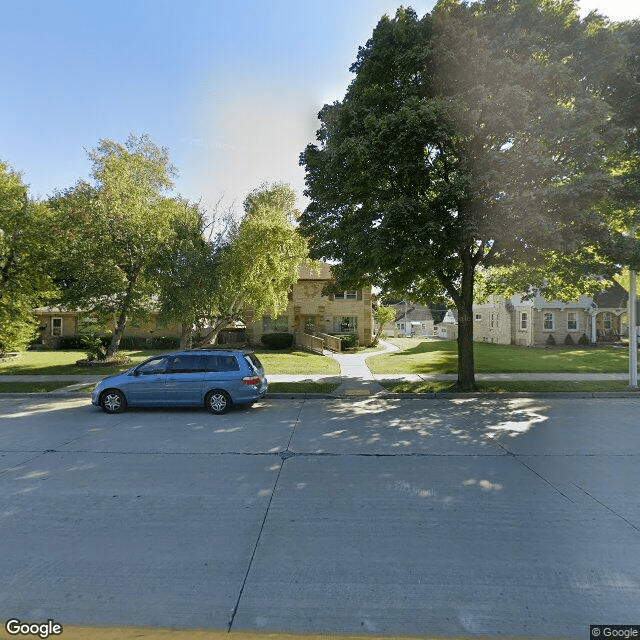
2416 S 60th St, Milwaukee, WI 53219
To contact a resident: (414) 329-1777
For more information about senior living options: (866) 208-4318
Overall Review of Care's R US Group Home
Pros
 Ben is an exceptional therapist.
- He is kind, knowledgeable, and always goes above and beyond to support his patients.
- He is highly recommended.
Review
This Milwaukee community is best suited for seniors who want a hands-on, rehab-minded approach in a small, homelike setting, where a dedicated therapist can drive meaningful gains in mobility and confidence. Families pursuing one-on-one attention, consistent encouragement, and staff who consistently go the extra mile will find alignment here. The standout example is the exceptionally skilled therapist who can translate care into real functional progress, helping a resident regain self-sufficiency and a sense of autonomy. In short, it is the kind of place where personalized rehab support and a warm, intimate atmosphere can make a tangible difference in daily life.
Those weighing alternatives should consider whether 24/7 medical nursing, complex chronic condition management, or dementia-focused memory care are non-negotiable requirements. If the need is for a facility with robust on-site medical oversight, a larger campus with broader nursing teams, or a unit dedicated to memory care with specialized programming, other communities may be more suitable. Families seeking a facility with extensive resort-style amenities or a wide array of social activities across a big resident population might also prefer alternatives. For residents whose primary goal is steady rehabilitation and relational care in a small setting, this group home stands out; for those needing intensive medical infrastructure, plan for an additional option.
The strongest pro is clearly the therapy-driven culture demonstrated by staff like Ben, described as kind, knowledgeable, and relentlessly supportive. The ability to deliver concrete improvements in mobility and confidence is a compelling differentiator, translating into greater independence for residents. Beyond the clinical edge, the care team’s willingness to go above and beyond fosters trust and predictability, critical factors for families navigating transitions. The intimate, home-like environment enhances communication, speeds responsive adjustments to care plans, and often shortens the gap between therapy sessions and real-world functional gains.
Yet, several potential gaps merit careful follow-up. The overall experience can hinge on the availability and consistency of high-caliber therapists and frontline staff; if a resident develops a dependence on a particular clinician, turnover or scheduling gaps could temporarily blunt the quality of care. Medical oversight in a smaller setting may not match the breadth of a larger facility, so residents with escalating health needs should verify what level of nursing and physician access is guaranteed around the clock. Activities and programming may be more limited than at bigger campuses, so families should confirm a plan that aligns with the resident’s social and recreational goals and ensure meals, transport, and safety services meet expectations.
These pros offset the cons when rehab progress and emotional well-being are the priority. A highly skilled therapist who consistently helps a parent regain mobility can reduce risk, improve independence, and lower caregiver burden, creating a compelling return on investment even if medical staffing is not exhaustive. The small-scale, attentive culture also mitigates the risk of feeling overwhelmed or anonymous, fostering closer relationships with caregivers and more timely communication with families. When the objective is to stabilize function, restore confidence, and enjoy a home-like routine, the positives can substantially outweigh the potential downsides.
For families moving through the decision process, practical steps are essential. Schedule a attentive tour focused on therapy access, scheduling flexibility, and the stability of the care team. Ask about how therapy integrates with daily routines, how frequently residents meet with clinicians, and what happens if a preferred therapist isn’t available. Confirm the level of nursing support, emergency procedures, and how quickly care plans are updated in response to changing needs. Finally, compare costs and what’s included to ensure there are no hidden charges that could erode value. When rehab outcomes and a nurturing, intimate setting top the list, Care's R US Group Home is a strong candidate worth pursuing. If those elements are secondary to medical intensity or dementia-focused programming, other options should be explored with the same disciplined eye.
 Board and Care Home
 General Mitchell International (6 miles away)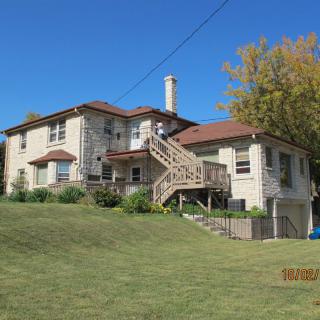




 Understanding the Nuances of Palliative Care and Hospice: A Comprehensive Exploration
 Fecal Incontinence in Older Adults: A Comprehensive Guide
 Recognizing the Journey: Understanding and Navigating Anticipatory Grief