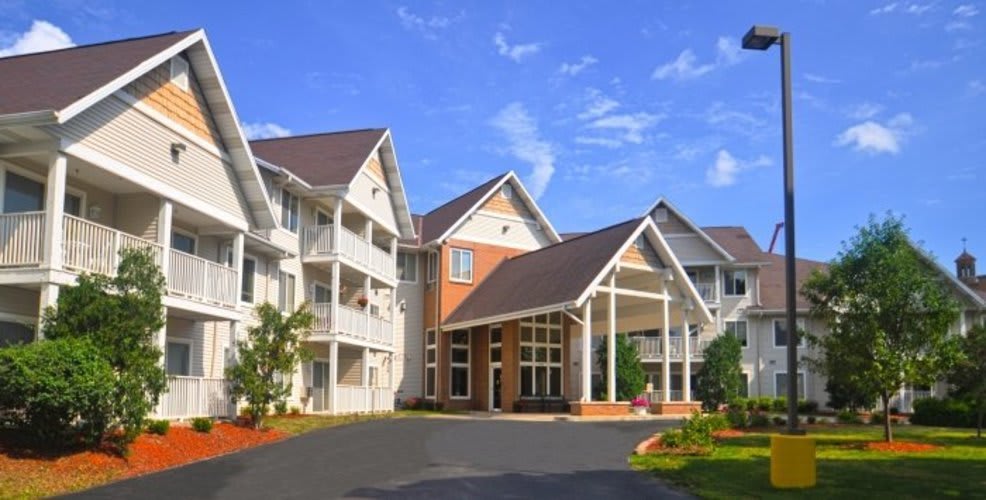
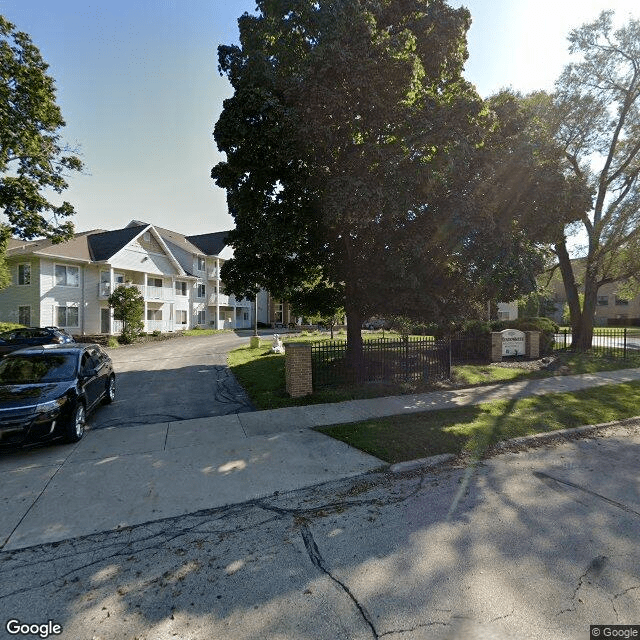
2330 S 54th St, West Allis, WI 53219
To contact a resident: (414) 615-7100
For more information about senior living options: (866) 208-4318

Euphoria West Allis Costs & Pricing
Euphoria West Allis offers competitive pricing across various room types when compared to Milwaukee County and the broader Wisconsin market. For a studio, residents can expect to pay $3,260, which is significantly lower than both Milwaukee County's average of $3,841 and the state average of $3,999. However, for one-bedroom accommodations, Euphoria West Allis comes in at $3,600, surpassing the county's more affordable rate of $3,057 but remaining higher than the statewide average of $3,412. Notably, two-bedroom units are priced at $4,600 at Euphoria West Allis; this figure stands in stark contrast to Milwaukee County's average of just $2,654 and is above the state average of $3,111. Overall, while Euphoria West Allis presents attractive options for studio living, its pricing for one- and two-bedroom units reflects a nuanced position within the regional marketplace.
| Floor plans | Euphoria West Allis | Milwaukee County | Wisconsin |
|---|---|---|---|
| Studio | $3,260 | $3,841 | $3,999 |
| 1 Bedroom | $3,600 | $3,057 | $3,412 |
| 2 Bedrooms | $4,600 | $2,654 | $3,111 |
Assisted Living communities with a similar price nearby
-
from +$240 / mo

Dolphin Manor
$3,500 / month17.9 miles away -
from -$460 / mo

Deerwood Crossing Senior Residence
$2,800 to $3,200 / month11.7 miles away -
from +$240 / mo

Open Arms 20 III
$3,500 to $4,000 / month21.6 miles away -
from -$191 / mo
Matthews of Oak Creek
$3,069 / month6.7 miles away -
from -$640 / mo
Gall Family Care Home
$2,620 to $2,988 / month22.3 miles away
Overall Review of Euphoria West Allis
Pros
 The facility has many good features and offers a variety of activity options for residents.
- The staff are very helpful, talented, and friendly.
- The food is great.
- The apartments are private and residents are treated with respect by kind, caring, knowledgeable, and patient staff.
- The atmosphere is beautiful and the facility is welcoming.
- The staff listen to residents' comments and are always trying to improve.
- The Therapy Dog Program provides a wonderful experience for everyone involved.
- The maintenance staff are always working to resolve problems and keep things running smoothly.
Cons
 There are frequent gaps in staffing.
- There are not always responses to emergency call buttons.
- There was no response to a hospital readmission request for more than 24 hours.
- Dietary restrictions are not accommodated.
- Concerns raised with staff were initially discounted.
- Since a change of ownership, there has been a significant decline in services and safety.
- The reviewer would not recommend Meadowmere for families with a member who has dementia.
Review
Euphoria West Allis is best suited for active seniors who want a bright, well-kept, social environment and value strong dining and programming within a private-apartment setting. It works well for residents who are relatively independent or only mildly assisted, who enjoy a bustling calendar of activities, and who appreciate approachable, friendly staff. The community rewards residents who embrace group meals, shared social time, and on-site programming, and it can be a good fit for families seeking a turnkey, community-focused living arrangement with visible resident engagement. Those who need dedicated memory-care supervision or 24/7 vigilant safety oversight should look elsewhere.
Alternatives are worth considering for any loved one with meaningful cognitive impairment, frequent incontinence episodes requiring tight supervision, or a history of wandering or aggressive behavior. Families facing dementia or complex behavioral needs should evaluate memory-care communities or providers with specialized staff trained in dementia care and secure environments. Similarly, if rapid, reliably prompt emergency responses and consistent, hands-on monitoring are non-negotiable, this campus may prove insufficient. Prospective residents with stringent dietary constraints or strict medical-management needs should verify that the kitchen and caregiving team can accommodate nonstandard requirements before signing.
The most persuasive positives here are the tangible quality of life drivers: a meticulously maintained setting, attractive private apartments, and a robust social ecosystem. The meals are frequently praised, and the dining experience is more than just sustenance; it’s a social anchor that supports daily routine. Activities extend beyond the walls with both in-house and off-site options, giving residents meaningful choices and opportunities to socialize. The staff is consistently described as friendly, accessible, and capable in day-to-day interactions, and housekeeping and maintenance are typically reliable. A therapy-dog program adds an emotional lift that many families value highly, reinforcing a sense of warmth and moments of joy.
However, the weight of the cons cannot be ignored. A care model that previously benefited from steady leadership is described by some families as slipping after a change in ownership, with noticeable gaps in staffing and uneven response to emergencies. The most troubling instances involve delayed responses to emergency call buttons, including a fall network where help took a long half-hour. Hospital readmission handoffs have also been problematic at times, and dietary accommodations were not always met. These safety and reliability gaps undermine confidence, especially for families balancing risk with daily care demands. While some residents and families report strong personal connections and consistent kindness, the structural issues matter for decision-making.
Pros offset the cons to a degree when the resident highly values social immersion and everyday comfort. For a generally independent senior who thrives on routine, companionship, and predictable culinary quality, the positives, pleasant living spaces, approachable staff, a vibrant activity calendar, and a caring community atmosphere, can maintain high quality of life even amid occasional service gaps. The key question is whether safety and reliability can be aligned with those strengths through targeted assurances from management, improved staffing, and transparent communication. If both outcomes align, the trade-offs become manageable.
In practical terms, families evaluating Euphoria West Allis should verify current leadership stability and ask direct questions about emergency-response times, staffing levels on peak shifts, and the process for escalating concerns. Inquire about how dietary needs are handled and whether individualized care plans are consistently followed. During tours, speak with residents and family members about recent experiences with emergency calls, housekeeping reliability, and nurse availability. Request a trial stay or short-term programming assessment if possible, and insist on a clear plan showing how gaps would be addressed. Only with concrete assurances and demonstrable improvements can the advantages of a vibrant, well-run community outweigh the safety and continuity concerns that some families have encountered.
 Assisted Living
 Cats allowed
 Dogs allowed
 Activities off-site
 Air-conditioning
 Bath tubs
 Beautician on-site
 Cable or satellite TV
 Devotional services off-site
 Full kitchen
 Ground floor units
 Handicap accessible
 Indoor common areas
 Outdoor common areas
 Private bathrooms
 Respite or short term stays offered
 Wheelchair accessible showers
 Wi-Fi/high-speed internet available
 General Mitchell International (6 miles away)
 Ambulatory care
 Diabetic care
 High acuity care
 Incontinence care
 Medication management
 Gluten-free
 Art classes
 Catholic services
 Cooking classes
 Day trips and outings
 Happy hour
 Karaoke
 Live musical performances
 Live well programs
 Wine tasting


 Comprehensive Insights into Activities of Daily Living (ADLs) and Their Assessment
 Guiding Elderly Parents Who Refuse Assisted Living: 6 Practical Steps
 Your Comprehensive Guide to Luxury Assisted Living: Elevated Facilities, Amenities, and Costs