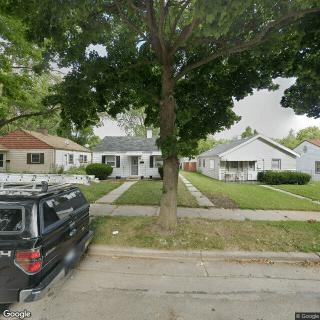
Hands at Home

6401-6403 North 42Nd Street, Milwaukee, WI 53209

For more information about senior living options: (844) 490-3973

4.5 from 28 reviews
5 stars
24
4 stars
1
3 stars
0
2 stars
0
1 stars
3

Assisted Living Memory Care

Overall Review of Hands at Home

Pros

  • pro The staff are consistently praised for kindness, empathy, and making care work.
  • pro Letty is described as amazing, professionally skilled, gentle, and respectful to both patient and family.
  • pro Laura the CNA is called a wonder - warm, empathetic, and highly capable in patient care.
  • pro Greg Davis is portrayed as a responsive, compassionate leader who has built a strong, flexible team.
  • pro The agency is credited with mobilizing a top-quality team that exceeds expectations and keeps the patient comfortable.
  • pro The coordination and willingness to accommodate schedules are highlighted as outstanding.
  • pro Families report outstanding service, dependable coverage, and care that treats loved ones with dignity.
  • pro The agency is highly recommended for trustworthy, dependable elderly care and for expediting start of care when needed.

Cons

  • pro The reviewer described their experience with Assisting Hands as nothing short of a nightmare and a complete disaster.
  • pro The caregivers were described as completely useless, unprofessional, and either unable or unwilling to provide basic care and empathy.
  • pro The reviewer stated that the brochure misrepresented the services offered and the quality of care.
  • pro The handling of the family's needs was described as unprofessional and disturbing, with an uncaring attitude and incompetence.
  • pro The reviewer warns others to interview potential caregivers themselves rather than relying on the agency.

Review

Assisting Hands Home Care elicits a wide range of experiences from families who turned to them in moments of need. On one end of the spectrum, there are voices of deep gratitude for a small group of staff who seemed to excel at the delicate balance of competence, compassion, and accessibility. This gratitude centers on individuals like Greg, Laura, and Amanda, whose dedication is repeatedly credited with making courageous, last-minute care possible, helping families navigate everything from daily support to the intricacies of long-term care insurance billing. In these accounts, the agency's leadership and its carefully assembled team are depicted as capable, responsive, and genuinely invested in easing the heavy burden that comes with caring for an aging loved one.

Several testimonials highlight the practical and emotional benefits of working with a tightly knit team led by Greg Davis. Families speak of rapid mobilization when needs change or escalate, the ability to adapt schedules to difficult or unusual situations, and the assurance that a supervisor - often Lara - was available to guide and adjust care. The praise isn't limited to logistics; it extends to the human touch. The care team is described as not only professional but also warm, empathetic, and attentive to the nuanced needs of patients and their families. The appreciation isn't generic; it is anchored in concrete examples - caregivers who anticipated pain, changes in comfort, and moments when the patient's dignity and well-being required vigilant, gentle hands.

The operational reach of the agency is also lauded in several reviews. Commentators recall the sense that the staff could "step in and fill in" when a primary caregiver was out, even for demanding arrangements like 24-hour care or weekend coverage. The ability to organize and deploy a capable roster quickly - people like Samantha, Lauren, and Jada - creates a sense of reliability during what can be an acutely stressful period. Notably, the testimonials repeatedly mention that the team's coordinated effort involved not just direct care but also supportive actions for families and facilities, reflecting a holistic approach to caregiving that many families found reassuring.

Interwoven with these positive narratives is a candid reminder of the risks and disappointments that can accompany care agency experiences. A number of reviews describe a "nightmare" of unmet expectations, a brochure that seemed to promise more than what was delivered, and caregivers who were "completely useless." Language such as "unprofessional" and "uncaring attitude" appears, painting a stark contrast to the glowing stories of individual caregivers who did well. In these accounts, the grim takeaway is the same as in any service sector: the quality of care hinges on the people who show up, how well they are matched to the patient's needs, and the consistency of the agency's oversight. One reviewer even emphasizes the importance of personally interviewing potential caregivers rather than relying solely on an agency's assignments, underscoring a crucial lesson learned the hard way.

Among the strongest reminders of why families seek out these services are the letters of gratitude that acknowledge something deeply human: a caregiver's presence can become a meaningful part of a family's memory during a difficult chapter. A letter to Greg recounts the "miraculous appearance" of a new caregiver, Letty, whose orientation and willingness to provide care were described as nothing short of extraordinary. The writer portrays Letty as professional, gentle, and profoundly sincere - an embodiment of the compassionate care families hope for. Another note sings the praises of Laura, a CNA, who not only carried out tangible tasks with competence but also offered warmth and empathy that helped Bruce and his loved ones feel seen and cared for. The letter describes a professional instinct - Laura's insistence on appropriate pain management - that prioritized Bruce's comfort and dignity, while the family emphasized their gratitude that she understood what was "good and not good" for the patient.

The people at Assisting Hands are repeatedly portrayed as the agency's strongest asset. Several testimonials single out Greg as a leadership figure who gathers capable, compassionate people and demonstrates a "caring and compassionate attitude." Families recount how his responsiveness and ability to expedite care have made a meaningful difference, even when the path was unclear or time was of the essence. The appreciation extends to individual caregivers and supervisors - Samantha's sharp observations, Laura's proactive communication, Amanda's dependable presence, and the visible expertise of Lara as a supervisor who could offer guidance based on experience. When everything aligns, these pieces come together to produce a care experience that families describe as astoundingly positive, with their loved ones feeling respected, comfortable, and well tended.

Across these varied experiences, the recurring theme is the importance of relationship and reliability in home care. For many families, the right caregiver means more than just meeting basic needs; it means restoring a sense of normalcy, dignity, and warmth during a period that is often emotionally and physically exhausting. The stories about 24-hour coverage, weekend availability, and the ability to adapt to shifting schedules underscore how crucial timely, steady support is to both patients and their families. And where the care has truly shined, families describe a chain of communication and action - caregivers who notice changes, supervisors who offer practical guidance, and a leadership team that remains accessible and responsive.

In the end, the mixed set of reviews paints a nuanced picture. When Assisting Hands hits the mark, it is because dedicated individuals - supported by a responsive leadership - bring together professional skill, empathy, and practical problem-solving to create a caregiving experience that can be life-changing for patients and deeply reassuring for families. When the experience falls short, the gaps are painful and unmistakable: untrained hands, a mismatch between caregiver and patient, and what one reviewer called a complete disaster. The enduring lesson across these accounts is clear: care is as much about the people who show up as it is about the services promised. Families seeking assistance would be well-served to engage with the agency thoughtfully, interviews in hand, and a careful eye toward both leadership responsiveness and the daily chemistry between caregiver and patient.

Features

Housing

  • 6 resident community capacity 6 resident community capacity

Types of Care

  • Assisted Living Assisted LivingAssisted living facilities provide crucial support and care for seniors who may need help with daily tasks such as medication management, bathing, and meal preparation. These communities offer a safe and comfortable environment where seniors can maintain their independence while receiving the assistance they need to thrive in their golden years.
  • Memory Care Memory CareMemory care is crucial for seniors as it provides specialized support and services for individuals with dementia or Alzheimer's disease. These programs offer a safe and secure environment where residents receive personalized care, cognitive stimulation, and help with daily activities. Memory care helps seniors maintain their independence, quality of life, and dignity while also providing peace of mind for their families.

Amenities

  • Cable or satellite TV Cable or satellite TVCable or satellite TV is important for seniors because it provides entertainment, news, and companionship, helping to combat loneliness and boredom. It also offers a wide range of programming options tailored to different interests and preferences.
  • Dining room Dining roomDining rooms are important for seniors as they provide a space for socialization, connection, and nutritious meals. They offer opportunities for residents to bond over shared meals, foster a sense of community, and promote healthy eating habits. Dining rooms also ensure that seniors have access to well-balanced meals tailored to their dietary needs and preferences.
  • Fully furnished Fully furnishedFully furnished senior living communities are important for seniors because they provide convenience, comfort, and a hassle-free moving experience. Seniors can easily settle into their new living space without the stress of having to buy and move furniture. This allows them to focus on enjoying their new home and community.
  • Garden GardenGardens are important for seniors as they provide a peaceful and therapeutic environment for relaxation, physical activity, and socialization. Being in nature has been shown to reduce stress, improve mood, and promote overall well-being. Gardens also offer opportunities for seniors to engage in gardening activities, which can improve mobility, flexibility, and cognitive function. Additionally, gardens create a sense of community and connection with others who share a passion for plants and outdoor spaces.
  • Housekeeping services Housekeeping servicesHousekeeping services are important for seniors because they help maintain a clean and safe living environment, promote independence, and reduce the risk of accidents or illnesses. Additionally, having assistance with household chores can alleviate physical strain and allow seniors to focus on other aspects of their well-being.
  • Move-in coordination Move-in coordinationMove-in coordination is important for seniors because it helps ease the transition into their new living environment. It ensures that all logistics, such as packing, organizing movers, and setting up utilities are taken care of, allowing seniors to focus on settling in and adjusting to their new home. Having a smooth move-in process can alleviate stress and anxiety, making the transition smoother and more enjoyable for seniors.
  • Outdoor space Outdoor spaceOutdoor spaces are important for seniors as they provide opportunities for physical activity, social interaction, exposure to natural light and fresh air, and a sense of connection to nature. Having access to outdoor spaces can improve overall well-being and quality of life for older adults living in senior communities.
  • Telephone TelephoneTelephones are important for seniors as they provide a lifeline for communication with loved ones, emergency services, and healthcare providers. They offer a sense of security and independence, enabling seniors to stay connected and access assistance when needed.
  • Wi-Fi/high-speed internet available Wi-Fi/high-speed internet availableWi-Fi/high-speed internet is important for seniors to stay connected with loved ones, access online resources, and participate in virtual activities to combat feelings of loneliness and isolation. It also allows them to easily manage healthcare needs, access entertainment, and engage in lifelong learning opportunities.

Transportation

  • General Mitchell International (13 miles away) General Mitchell International (13 miles away)

Care Services

  • 24-hour supervision 24-hour supervision24-hour supervision is important for seniors to ensure their safety, well-being, and access to immediate assistance in case of emergencies or health issues. This constant support provides peace of mind for both seniors and their loved ones, allowing them to age in place with dignity and security.
  • Activities of daily living assistance Activities of daily living assistanceActivities of daily living assistance are important for seniors because they provide essential support with tasks such as eating, bathing, dressing, and mobility. This assistance helps seniors maintain their independence, dignity, and overall quality of life as they age.
  • Assistance with bathing Assistance with bathingAssistance with bathing is crucial for seniors as it helps maintain personal hygiene, prevents infections, and ensures their overall well-being and comfort. It also provides a sense of dignity and independence for seniors who may struggle with this task on their own.
  • Assistance with dressing Assistance with dressingAssistance with dressing is important for seniors because it helps maintain their independence, promotes personal hygiene, prevents accidents and injuries, and improves overall quality of life. This service ensures that seniors can continue to dress comfortably and confidently, despite any physical limitations they may have.
  • Assistance with transfers Assistance with transfersAssistance with transfers is crucial for seniors as it helps prevent falls and injuries, maintains their independence, and ensures they can safely navigate their living environment. It also provides peace of mind for both seniors and their loved ones.
  • Coordination with health care providers Coordination with health care providersCoordination with health care providers is crucial for seniors to ensure proper medical care, medication management, and overall well-being. This collaboration helps prevent overlapping treatments, track progress more effectively, and provide comprehensive support tailored to individual needs.
  • Dementia waiver Dementia waiverDementia waivers are essential for seniors as they provide critical protections and accommodations for those experiencing cognitive decline. These waivers ensure individuals with dementia receive appropriate care, support, and resources to maintain their quality of life and dignity as they navigate the challenges of this progressive condition.
  • Diabetes diet Diabetes dietA diabetes diet is crucial for seniors as it helps manage blood sugar levels, reduce risks of complications, and improve overall health and well-being. By following a balanced and nutritious diet tailored to their specific needs, seniors can better control their diabetes and enhance their quality of life.
  • Hospice waiver Hospice waiverHospice waivers are important for seniors because they allow individuals to receive specialized end-of-life care and support at home or in a hospice facility. This waiver ensures that seniors can access the necessary resources and services to maintain comfort and dignity during their final days.
  • Meal preparation and service Meal preparation and serviceMeal preparation and service are crucial for seniors as they may have limited mobility or energy to cook nutritious meals. Having access to healthy and convenient food options can ensure they are getting the proper nutrition needed to maintain their overall health and well-being.
  • Medication management Medication managementMedication management is crucial for seniors to ensure they are taking the right medications at the correct dosages and times. This helps prevent adverse drug interactions, reduces the risk of medication errors, and promotes overall health and well-being. Proactive management also allows for adjustments as needed based on changing health conditions or new prescriptions.
  • Mental wellness program Mental wellness programMental wellness programs are essential for seniors as they promote cognitive stimulation, emotional support, and social engagement. These programs help prevent isolation, depression, and cognitive decline, ultimately enhancing the overall quality of life for older adults.
  • Mild cognitive impairment Mild cognitive impairment"Mild cognitive impairment" is important for seniors because it is an early stage of cognitive decline that can potentially progress to more severe conditions such as dementia. Recognizing and addressing mild cognitive impairment can help seniors receive appropriate care and support to maintain their quality of life and independence for as long as possible.
  • Special dietary restrictions Special dietary restrictionsSpecial dietary restrictions are important for seniors because age-related changes in metabolism and health conditions can make it difficult for their bodies to process certain foods. By following a diet tailored to their specific needs, seniors can maintain their overall health and well-being, manage chronic conditions, and reduce the risk of complications such as malnutrition or food interactions with medications.
  • Specialized memory care programming Specialized memory care programmingSpecialized memory care programming is crucial for seniors with cognitive impairments such as dementia or Alzheimer's disease. These programs provide a safe and supportive environment tailored to the unique needs of individuals with memory loss, helping them maintain their independence, dignity, and quality of life.
  • Transportation arrangement (medical) Transportation arrangement (medical)Transportation arrangements for medical purposes are essential for seniors as they may have difficulty driving themselves to appointments or accessing public transportation. Having reliable and safe transportation options ensures that seniors can receive timely medical care and maintain their health and well-being.
  • Transportation to doctors appointments Transportation to doctors appointmentsTransportation to doctors' appointments is crucial for seniors as it ensures they have access to necessary medical care and support for their health needs. Without reliable transportation, seniors may struggle to attend important appointments, leading to potential delays in treatment and health complications. Providing transportation services helps seniors maintain their overall well-being and quality of life.

Dining

  • Diabetes diet Diabetes dietA diabetes diet is crucial for seniors as it helps manage blood sugar levels, reduce risks of complications, and improve overall health and well-being. By following a balanced and nutritious diet tailored to their specific needs, seniors can better control their diabetes and enhance their quality of life.
  • Special dietary restrictions Special dietary restrictionsSpecial dietary restrictions are important for seniors because age-related changes in metabolism and health conditions can make it difficult for their bodies to process certain foods. By following a diet tailored to their specific needs, seniors can maintain their overall health and well-being, manage chronic conditions, and reduce the risk of complications such as malnutrition or food interactions with medications.

Activities

  • Community-sponsored activities Community-sponsored activitiesCommunity-sponsored activities are important for seniors as they provide opportunities for social interaction, mental stimulation, and physical activity. These activities can help improve overall well-being, combat loneliness and isolation, and promote a sense of belonging and purpose among older adults.
  • Scheduled daily activities Scheduled daily activitiesScheduled daily activities are important for seniors because they provide structure, socialization, mental stimulation, and physical activity. Engaging in regular activities can improve overall well-being and quality of life for seniors living in a community setting.

Description

Hands at Home in Milwaukee, WI is an assisted living community that specializes in providing exceptional care for individuals with memory impairments. Our dedicated staff is trained to provide personalized assistance with daily activities such as bathing, dressing, and transfers, ensuring that each resident receives the support they need.

Our community offers a range of amenities to enhance the comfort and convenience of our residents. The dining room provides delicious meals with special dietary restrictions taken into consideration, ensuring that each resident's nutritional needs are met. Our fully furnished accommodations create a welcoming and cozy atmosphere for residents to feel at home. The beautiful garden and outdoor space offer opportunities for relaxation and enjoyment of nature.

At Hands at Home, we understand that maintaining a clean living environment is crucial for our residents' well-being. Our housekeeping services ensure that common areas and individual living spaces are kept tidy and comfortable. We also provide move-in coordination services to make the transition into our community as smooth as possible.

We prioritize the mental wellness of our residents by offering a specialized memory care programming designed to stimulate cognitive abilities and promote engagement. Additionally, our dedicated staff works closely with health care providers to ensure coordination of care for each individual's unique needs. We also offer medication management services to assist with proper administration.

Transportation arrangements are available for medical appointments, allowing residents easy access to necessary healthcare services. Scheduled daily activities provide opportunities for socialization, entertainment, and enrichment.

Hands at Home is conveniently located near several amenities including cafes, parks, pharmacies, physicians' offices, restaurants, places of worship, and hospitals. This ensures easy access to additional services and recreational opportunities for both residents and their families.

At Hands at Home in Milwaukee, WI, we strive to provide compassionate care within a warm and supportive environment.

Nearby Places of Interest

Pharmacies

  • Walgreens (1 miles)
  • CVS Pharmacy (1.7 miles)
  • Walgreens (2 miles)
  • Walgreens (2.8 miles)
  • Walgreens (3.1 miles)
  • Walgreens (3.2 miles)
  • Walgreens (3.2 miles)

Restaurants

  • McDonald's (1.1 miles)
  • KFC (1.1 miles)
  • The Brick Pub & Grill (1.6 miles)
  • Shark's Fish & Chicken (1.8 miles)
  • Papa John's Pizza (1.9 miles)
  • McDonald's (2.2 miles)
  • The Cheesecake Factory (2.7 miles)

Physicians

  • Aurora Nephrology (1.2 miles)
  • Rheumatic Disease Center (2.8 miles)
  • Aurora Advanced Healthcare (5.7 miles)
  • Premier Vision (5.9 miles)
  • Mequon Clinical Associates (6.7 miles)
  • Wheaton Franciscan Medical Group (6.8 miles)
  • Estetika Skin & Laser Specialists (6.8 miles)

Transportation

  • U-Haul Moving & Storage (1.4 miles)

Places of Worship

  • Redemption Lutheran Church (1.8 miles)
  • Northwest Baptist Church (4.1 miles)

Parks

  • Algonquin Park (1.9 miles)
  • Brown Deer Park (1.9 miles)
  • A C Hanson Park (3.6 miles)
  • Estabrook Park (3.9 miles)
  • Kern Park (5 miles)
  • Atwater Park (5.5 miles)
  • Hoyt Park (6.2 miles)

Cafes

  • Starbucks (2.1 miles)
  • Starbucks (2.6 miles)
  • Starbucks (6.2 miles)
  • Panera Bread (6.4 miles)
  • Starbucks (6.5 miles)
  • Colectivo Lakefront (6.8 miles)

Hospitals

  • Rogers Memorial Hospital (3.7 miles)
  • Wheaton Franciscan - St. Joseph Campus (4.2 miles)
  • Ambulatory EEG Recordings (4.3 miles)
  • Aurora Psychiatric Hospital (6.5 miles)
  • Aurora Sinai Medical Center (6.6 miles)
  • Froedtert Pavilion (7 miles)

Frequently Asked Questions

Where is Hands at Home?
Does Hands at Home provide care for residents with dementia or Alzheimer's disease?

Nearby Communities

Related Resources

  • dementia behaviorsUnderstanding Dementia Behaviors: Practical Insights and Strategies for Caregivers

    Dementia affects memory and cognitive function in older adults, presenting challenges for caregivers due to behavioral changes such as confusion and mood swings. Compassionate, person-centered care that considers individual history and preferences, along with effective communication and environmental modifications, is essential for supporting both patients and their caregivers.

  • dementia and angerWhen Dementia Sparks Anger and Aggression: Understanding the Connection and Ways to Cope

    Dementia leads to cognitive impairment and can cause emotional and behavioral changes, including aggression that arises from frustration, confusion, or fear. Effective coping strategies for caregivers include understanding dementia's nature, recognizing triggers, using empathetic communication, and employing non-pharmacological interventions like music and art therapy.

  • dementia behaviorsDementia Behaviors: In-Depth Understanding and Effective Coping Strategies

    Dementia causes cognitive decline and challenging behaviors that caregivers must manage, necessitating an understanding of the neurological basis of these issues. Effective strategies and self-care for caregivers can enhance support for those with dementia and improve their daily lives.