Willow Creek Residential Care

9379 West Brentwood Ct, Milwaukee, WI 53223

For more information about senior living options: (844) 490-3973

2.5 from 49 reviews
5 stars
16
4 stars
3
3 stars
0
2 stars
2
1 stars
28

Assisted Living Board and Care Home

Overall Review of Willow Creek Residential Care

Pros

  • pro Willowcrest Health Services is described as exceptional and helpful by the reviewers.
  • pro Sara and Clarissa at the front counter are consistently helpful during visits.
  • pro The staff routinely arrange wheelchairs, showers for special occasions, and other needs for residents and families.
  • pro Kim in the financial office is described as good-hearted and supportive to Patricia Jones.
  • pro Jules, Noah, and a second-shift nurse (Nellie) are highlighted as caring and dedicated staff.
  • pro The reviewers would recommend Willowcrest to friends and family due to the wonderful staff.
  • pro The East unit staff are praised for their care, with thanks to Sam D.

Cons

  • pro They described the rehab as "a puppy mill of rehab centers," saying expectations were low and the facility got worse, even claiming mom contracted norovirus there.
  • pro They stated the smells were putrid and called the place a "petri dish."
  • pro They claimed the administrators should be forced to eat a meal from the kitchen to see what is served.
  • pro They described neglect and slow responsiveness, with long delays for basic needs like using the bathroom and several missed call bells.
  • pro They reported dehydration, UTIs, and bedsores as a result of inadequate care.
  • pro They warned others not to send loved ones there, calling it awful and giving it zero stars.
  • pro They cited moving a resident without notice and the absence of PT/OT during holidays.
  • pro They claimed staff do not pay attention to residents and do not seem to know what is going on.

Review

Across the collection of feedback, Willowcrest Health Services comes across as a place that inspires strong loyalty in some families and deep concern in others. A large portion of the comments praise specific staff members and the willingness of the facility to accommodate individual needs. Families repeatedly name front desk staff such as Sara and Clarissa as consistently helpful, with Roxane's visits noted as welcome and supportive. Several reviewers credit staff with practical, compassionate acts - borrowing a wheelchair, arranging showers for special occasions, finding mom's glasses and dentures, and coordinating social supports through Elizabeth, the social worker. Kim in the financial office is singled out as well, with one reviewer mentioning that Kim's kindness felt personal and connected to shared history. In addition, the presence of dedicated team members like Jules, Noah, and a second-shift nurse nicknamed Nellie is highlighted as a steady, positive influence, and there are repeated references to the overall quality and warmth of the Willowcrest staff. One reviewer even urges friends to consider Willowcrest after praising the team's responsiveness and the care they observed, calling the staff wonderful and expressing thanks to named individuals such as Rhonda and Roxane for their roles.

The positive narratives extend beyond individual staff interactions to a broader sense that Willowcrest can be a competent and caring place for some residents. For example, a reviewer who has a family member living there since September 2024 describes Willowcrest as the best option among several facilities they have encountered outside the home, noting that patience and attentiveness to each resident's needs are central. There is a belief that the facility offers meaningful support, including tours to help prospective families make informed decisions by speaking with staff and residents. In these accounts, Sara and Clarissa are singled out again for their helpfulness with the reviewer's grandma, and another comment simply affirms that Willowcrest has "the best staff" and that the food is edible - a surprisingly positive takeaway in a sector where food quality is frequently a source of criticism. A representative sentiment across the favorable notes is that the staff members are dedicated, responsive, and capable of forming supportive relationships with residents and their families.

Yet the experiences at Willowcrest are not uniformly positive. A prominent thread among several reviews is a stark, negative portrayal that casts the facility as chaotic or neglectful. One reviewer describes Willowcrest as "a puppy mill of rehab centers," recounting that the person's mom contracted norovirus there and ended up in Willowcrest as a result. The same account highlights putrid smells and a sense that the environment is unsanitary, to the point of needing to mask up, with explicit criticisms of food quality - the claim that the kitchen serves "uncooked, gray food" that even administrators should be required to sample. The frustration is heightened by stories of delays in basic care, such as long waits for bedpans and unfulfilled calls for assistance. This reviewer argues that staff and administration fail to meet basic standards of care and suggests that the facility's impact on residents is negative enough to consider steering clear.

Other reviews amplify a sense of ongoing, systemic issues. A separate, emotionally charged entry describes experiences in which the facility appears to fall short in routine care, with phrases like "the place SUCKS" and warnings that loved ones should not be placed there. Some commenters acknowledge that any health-care setting comes with imperfect moments, but they feel these moments are chronic rather than isolated, emphasizing missed calls, delayed responses, and perceived neglect. The East wing receives mixed signals: one note praises a staff member (Sam D) while the overall tone remains skeptical or negative in other comments. A particularly troubling narrative describes a patient whose care deteriorated over days - through a sequence of inadequate hydration, unaddressed needs, and a lack of timely attention from nurses and CNAs - culminating in a distressing day-by-day account of neglect, including a failure to respond to call buttons, delays in hydration and toileting, and a sense that staff were disengaged or unavailable when needed.

Another extensive testimony adds weight to the concerns about daily care routines, documenting a long stretch of days in which the patient received little meaningful assistance, with repeated observations of caregivers leaving patients unattended and a visible deterioration in health. References to dehydration, urinary-tract infections, bedsores, and missed opportunities for timely PT/OT services weave a narrative of a facility struggling with staffing and execution of basic care duties. In this view, strong family involvement and frequent communications with staff were essential, but they did not fully counterbalance the gaps in care that the reviewer experienced. The tone across these accounts ranges from disappointment to outright alarm, with several reviewers categorizing Willowcrest as a place to avoid for those who are especially concerned about safety, dignity, and consistent quality of care.

Taken together, the reviews reveal a facility with a dual reality: moments of genuine, patient-centered care and notable strengths in staff engagement, communication, and responsiveness in some cases, alongside serious concerns about care quality, sanitation, nutrition, and timely assistance in others. The positive testimonials emphasize kindness, reliability, and practical problem-solving from individual staff members, alongside supportive family involvement and meaningful amenities. The negative accounts, by contrast, describe disorganization, neglect, and unsafe conditions, including dehydration, infections, prolonged delays in assistance, and distressing experiences of bedsores and hospital transfers. For anyone considering Willowcrest, these perspectives suggest careful due diligence: tour the facility, speak directly with staff and residents, and solicit first-hand experiences about nurse responsiveness, dietary quality, sanitation, and the speed and reliability of care across shifts. The stories speak to a facility that can be a lifeline and a source of genuine care in some moments, while also illustrating a need for ongoing attention to safety, staffing, and consistent adherence to high standards of resident well-being.

Features

Housing

  • 4 resident community capacity 4 resident community capacity

Types of Care

  • Assisted Living Assisted LivingAssisted living facilities provide crucial support and care for seniors who may need help with daily tasks such as medication management, bathing, and meal preparation. These communities offer a safe and comfortable environment where seniors can maintain their independence while receiving the assistance they need to thrive in their golden years.
  • Board and Care Home Board and Care HomeBoard and care homes provide a smaller, more intimate setting for seniors who require assistance with daily tasks but do not need the level of care offered by a nursing home. They offer personalized care, meals, and social activities in a homelike environment, ensuring that seniors receive individualized attention and support in their golden years.

Amenities

  • Cable or satellite TV Cable or satellite TVCable or satellite TV is important for seniors because it provides entertainment, news, and companionship, helping to combat loneliness and boredom. It also offers a wide range of programming options tailored to different interests and preferences.
  • Dining room Dining roomDining rooms are important for seniors as they provide a space for socialization, connection, and nutritious meals. They offer opportunities for residents to bond over shared meals, foster a sense of community, and promote healthy eating habits. Dining rooms also ensure that seniors have access to well-balanced meals tailored to their dietary needs and preferences.
  • Fully furnished Fully furnishedFully furnished senior living communities are important for seniors because they provide convenience, comfort, and a hassle-free moving experience. Seniors can easily settle into their new living space without the stress of having to buy and move furniture. This allows them to focus on enjoying their new home and community.
  • Garden GardenGardens are important for seniors as they provide a peaceful and therapeutic environment for relaxation, physical activity, and socialization. Being in nature has been shown to reduce stress, improve mood, and promote overall well-being. Gardens also offer opportunities for seniors to engage in gardening activities, which can improve mobility, flexibility, and cognitive function. Additionally, gardens create a sense of community and connection with others who share a passion for plants and outdoor spaces.
  • Housekeeping services Housekeeping servicesHousekeeping services are important for seniors because they help maintain a clean and safe living environment, promote independence, and reduce the risk of accidents or illnesses. Additionally, having assistance with household chores can alleviate physical strain and allow seniors to focus on other aspects of their well-being.
  • Move-in coordination Move-in coordinationMove-in coordination is important for seniors because it helps ease the transition into their new living environment. It ensures that all logistics, such as packing, organizing movers, and setting up utilities are taken care of, allowing seniors to focus on settling in and adjusting to their new home. Having a smooth move-in process can alleviate stress and anxiety, making the transition smoother and more enjoyable for seniors.
  • Outdoor space Outdoor spaceOutdoor spaces are important for seniors as they provide opportunities for physical activity, social interaction, exposure to natural light and fresh air, and a sense of connection to nature. Having access to outdoor spaces can improve overall well-being and quality of life for older adults living in senior communities.
  • Telephone TelephoneTelephones are important for seniors as they provide a lifeline for communication with loved ones, emergency services, and healthcare providers. They offer a sense of security and independence, enabling seniors to stay connected and access assistance when needed.
  • Wi-Fi/high-speed internet available Wi-Fi/high-speed internet availableWi-Fi/high-speed internet is important for seniors to stay connected with loved ones, access online resources, and participate in virtual activities to combat feelings of loneliness and isolation. It also allows them to easily manage healthcare needs, access entertainment, and engage in lifelong learning opportunities.

Transportation

  • General Mitchell International (14 miles away) General Mitchell International (14 miles away)

Care Services

  • 24-hour supervision 24-hour supervision24-hour supervision is important for seniors to ensure their safety, well-being, and access to immediate assistance in case of emergencies or health issues. This constant support provides peace of mind for both seniors and their loved ones, allowing them to age in place with dignity and security.
  • Activities of daily living assistance Activities of daily living assistanceActivities of daily living assistance are important for seniors because they provide essential support with tasks such as eating, bathing, dressing, and mobility. This assistance helps seniors maintain their independence, dignity, and overall quality of life as they age.
  • Assistance with bathing Assistance with bathingAssistance with bathing is crucial for seniors as it helps maintain personal hygiene, prevents infections, and ensures their overall well-being and comfort. It also provides a sense of dignity and independence for seniors who may struggle with this task on their own.
  • Assistance with dressing Assistance with dressingAssistance with dressing is important for seniors because it helps maintain their independence, promotes personal hygiene, prevents accidents and injuries, and improves overall quality of life. This service ensures that seniors can continue to dress comfortably and confidently, despite any physical limitations they may have.
  • Assistance with transfers Assistance with transfersAssistance with transfers is crucial for seniors as it helps prevent falls and injuries, maintains their independence, and ensures they can safely navigate their living environment. It also provides peace of mind for both seniors and their loved ones.
  • Coordination with health care providers Coordination with health care providersCoordination with health care providers is crucial for seniors to ensure proper medical care, medication management, and overall well-being. This collaboration helps prevent overlapping treatments, track progress more effectively, and provide comprehensive support tailored to individual needs.
  • Diabetes diet Diabetes dietA diabetes diet is crucial for seniors as it helps manage blood sugar levels, reduce risks of complications, and improve overall health and well-being. By following a balanced and nutritious diet tailored to their specific needs, seniors can better control their diabetes and enhance their quality of life.
  • Meal preparation and service Meal preparation and serviceMeal preparation and service are crucial for seniors as they may have limited mobility or energy to cook nutritious meals. Having access to healthy and convenient food options can ensure they are getting the proper nutrition needed to maintain their overall health and well-being.
  • Medication management Medication managementMedication management is crucial for seniors to ensure they are taking the right medications at the correct dosages and times. This helps prevent adverse drug interactions, reduces the risk of medication errors, and promotes overall health and well-being. Proactive management also allows for adjustments as needed based on changing health conditions or new prescriptions.
  • Special dietary restrictions Special dietary restrictionsSpecial dietary restrictions are important for seniors because age-related changes in metabolism and health conditions can make it difficult for their bodies to process certain foods. By following a diet tailored to their specific needs, seniors can maintain their overall health and well-being, manage chronic conditions, and reduce the risk of complications such as malnutrition or food interactions with medications.
  • Transportation arrangement (medical) Transportation arrangement (medical)Transportation arrangements for medical purposes are essential for seniors as they may have difficulty driving themselves to appointments or accessing public transportation. Having reliable and safe transportation options ensures that seniors can receive timely medical care and maintain their health and well-being.
  • Transportation to doctors appointments Transportation to doctors appointmentsTransportation to doctors' appointments is crucial for seniors as it ensures they have access to necessary medical care and support for their health needs. Without reliable transportation, seniors may struggle to attend important appointments, leading to potential delays in treatment and health complications. Providing transportation services helps seniors maintain their overall well-being and quality of life.

Dining

  • Diabetes diet Diabetes dietA diabetes diet is crucial for seniors as it helps manage blood sugar levels, reduce risks of complications, and improve overall health and well-being. By following a balanced and nutritious diet tailored to their specific needs, seniors can better control their diabetes and enhance their quality of life.
  • Special dietary restrictions Special dietary restrictionsSpecial dietary restrictions are important for seniors because age-related changes in metabolism and health conditions can make it difficult for their bodies to process certain foods. By following a diet tailored to their specific needs, seniors can maintain their overall health and well-being, manage chronic conditions, and reduce the risk of complications such as malnutrition or food interactions with medications.

Activities

  • Community-sponsored activities Community-sponsored activitiesCommunity-sponsored activities are important for seniors as they provide opportunities for social interaction, mental stimulation, and physical activity. These activities can help improve overall well-being, combat loneliness and isolation, and promote a sense of belonging and purpose among older adults.
  • Scheduled daily activities Scheduled daily activitiesScheduled daily activities are important for seniors because they provide structure, socialization, mental stimulation, and physical activity. Engaging in regular activities can improve overall well-being and quality of life for seniors living in a community setting.

Description

Willow Creek Residential Care is a welcoming and fully furnished board and care home located in the vibrant city of Milwaukee, WI. Our community offers a range of amenities and services to ensure our residents enjoy a comfortable and fulfilling lifestyle.

Residents can gather in our inviting dining room to savor delicious meals that cater to their special dietary restrictions. Our dedicated staff also provides housekeeping services to maintain a clean and organized living environment for all residents.

Our outdoor space allows residents to enjoy fresh air, scenic views, and provides opportunities for leisurely walks or gardening. We understand the importance of staying connected, which is why we offer telephone and Wi-Fi/high-speed internet access throughout the community.

At Willow Creek Residential Care, we prioritize the well-being of our residents by offering comprehensive care services. Our compassionate team assists with activities of daily living, including bathing, dressing, and transfers. We collaborate closely with health care providers to ensure seamless coordination of any necessary medical support or treatments. For those with diabetes, we provide specialized diet plans tailored to their needs.

To ease daily responsibilities, our staff takes charge of meal preparation and service, medication management, as well as transportation arrangements for medical visits. Residents can rely on us to arrange transportation for doctors' appointments as needed.

In addition to personalized care services, we believe in promoting an active lifestyle for our residents. We schedule daily activities that cater to various interests and abilities so that everyone can engage in meaningful experiences.

Our prime location offers convenience with numerous amenities nearby. There are two cafes within close proximity for social gatherings or casual meetups with friends. Four parks provide ample opportunities for enjoying nature or participating in outdoor recreational activities. With 13 pharmacies nearby, it's easy for residents to access prescription medications conveniently. Two physicians are situated conveniently close by for regular check-ups or medical consultations.

For dining out options or special occasions, there are 19 restaurants in the vicinity offering diverse culinary choices. Should transportation be required, we have a transportation service located close by. Additionally, there are two places of worship where residents can nurture their spiritual needs. Three hospitals in the vicinity provide peace of mind knowing that medical assistance is easily accessible.

At Willow Creek Residential Care, we are committed to providing compassionate and comprehensive care in a comfortable setting. Our amenities, services, and proximity to various conveniences make us the ideal choice for seniors seeking an assisted living community in Milwaukee, WI.

Nearby Places of Interest

Transportation

  • U-Haul Moving & Storage (1.1 miles)

Pharmacies

  • Walgreens (1.1 miles)
  • Walgreens (1.7 miles)
  • CVS Pharmacy (1.9 miles)
  • Walgreens (2.8 miles)
  • Walgreens (3 miles)
  • Walgreens (3.1 miles)
  • Walgreens (3.2 miles)

Restaurants

  • McDonald's (1.2 miles)
  • KFC (1.2 miles)
  • Shark's Fish & Chicken (1.7 miles)
  • McDonald's (1.9 miles)
  • Papa John's Pizza (1.9 miles)
  • The Brick Pub & Grill (2 miles)
  • The Cheesecake Factory (3 miles)

Physicians

  • Aurora Nephrology (1.4 miles)
  • Rheumatic Disease Center (3.1 miles)
  • Aurora Advanced Healthcare (5.5 miles)
  • Premier Vision (6 miles)
  • Wheaton Franciscan Medical Group (6.5 miles)
  • Mequon Clinical Associates (6.8 miles)
  • Estetika Skin & Laser Specialists (6.9 miles)

Places of Worship

  • Redemption Lutheran Church (1.6 miles)
  • Northwest Baptist Church (3.9 miles)

Parks

  • Algonquin Park (1.8 miles)
  • Brown Deer Park (2 miles)
  • A C Hanson Park (3.5 miles)
  • Estabrook Park (4.2 miles)
  • Kern Park (5.3 miles)
  • Atwater Park (5.9 miles)
  • Hoyt Park (6.2 miles)

Cafes

  • Starbucks (1.8 miles)
  • Starbucks (3 miles)
  • Starbucks (6.1 miles)
  • Panera Bread (6.4 miles)
  • Starbucks (6.5 miles)

Hospitals

  • Rogers Memorial Hospital (3.6 miles)
  • Ambulatory EEG Recordings (4 miles)
  • Wheaton Franciscan - St. Joseph Campus (4.2 miles)
  • Aurora Psychiatric Hospital (6.4 miles)
  • Aurora Sinai Medical Center (6.8 miles)
  • Froedtert Pavilion (6.9 miles)

Frequently Asked Questions

Where is Willow Creek Residential Care?

Nearby Communities

  • Nadines Care II

    Nadines Care II

    Milwaukee, WI


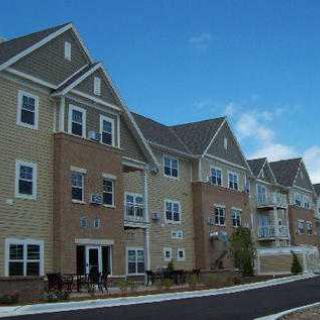
    pro Small-scale, personalized assisted living with 24-hour supervision, ADL support, meal service, medication management, diabetes diet, and coordinated medical transport.


  • Mill Adult Family Home I (Upper)

    Mill Adult Family Home I (Upper)

    Milwaukee, WI


    pro Intimate 4-resident setting with personalized care.

  • Mill Adult Family Home II

    Mill Adult Family Home II

    Milwaukee, WI

     
    $2,025 / month

    pro Small 4-bed board-and-care with an affordable $2,025/month rate.

    Mill Adult Family Home II costs

  • Hands at Home

    Hands at Home

    Milwaukee, WI

    4.5 from 28 reviews
     

    pro Specialized memory care with 24/7 supervision, ADL support, medication management, and coordinated health care.

    Hands at Home reviews

  • Homes Of Hope

    Homes Of Hope

    Milwaukee, WI

    5 from 3 reviews
     

    pro Homelike setting with personalized care, 24/7 supervision, and dedicated memory care programming.

    Homes Of Hope reviews

  • Sun Vale Adult Family Home 3

    Sun Vale Adult Family Home 3

    Milwaukee, WI


    pro Intimate 4-resident setting with 24-hour supervision and memory care.

  • Algonquin Manor

    Algonquin Manor

    Brown Deer, WI

    2.4 from 11 reviews
    $850 to $995 / month

    pro Friendly staff (e.g., Cathryn) and attentive maintenance; active social events.

    Algonquin Manor costs
    Algonquin Manor reviews

  • Deerwood Crossing Senior Residence

    Deerwood Crossing Senior Residence

    Brown Deer, WI

    4.8 from 12 reviews
    $2,800 to $3,200 / month

    pro Good value with multiple care levels and a modern, peaceful setting with abundant on-site amenities.

    Deerwood Crossing Senior Residence costs
    Deerwood Crossing Senior Residence reviews
    Deerwood Crossing Senior Residence images

  • Laurel Oaks Senior Living

    Laurel Oaks Senior Living

    Glendale, WI

    4.6 from 53 reviews
     

    pro Friendly, attentive staff in a clean, home-like setting with engaging activities and well-maintained grounds.

    Laurel Oaks Senior Living reviews
    Laurel Oaks Senior Living images

Related Resources

  • when to move from assisted living to nursing home8 Key Indicators That Suggest It May Be Time to Transition from Assisted Living to Skilled Nursing Care

    The transition from assisted living to skilled nursing care is often prompted by complex medical needs that assisted living cannot meet, with key indicators including frequent health declines, increased falls, severe memory issues, and caregiver burnout. Families should recognize these signs early to discuss options with healthcare providers and prepare for the emotional and logistical aspects of moving to a facility that offers comprehensive medical support.

  • active senior livingVibrant Senior Living: A Comprehensive Guide for Active Older Adults

    Vibrant Senior Living emphasizes active senior living communities that promote independence and engagement through diverse amenities and activities, fostering wellness and social interaction among older adults. These communities range from independent to assisted living, with a focus on personal growth, family involvement, financial planning, and leveraging technology to enhance residents' experiences.

  • when to move from assisted living to memory careWhen to Transition from Assisted Living to Memory Care: Key Indicators, Steps, and Finding the Right Community

    Transitioning from assisted living to memory care is driven by an individual's cognitive decline and specific needs, requiring careful evaluation of indicators like increased confusion and wandering. The process involves consulting medical professionals, researching suitable communities, considering financial and legal aspects, and ensuring effective communication for personalized care plans.
