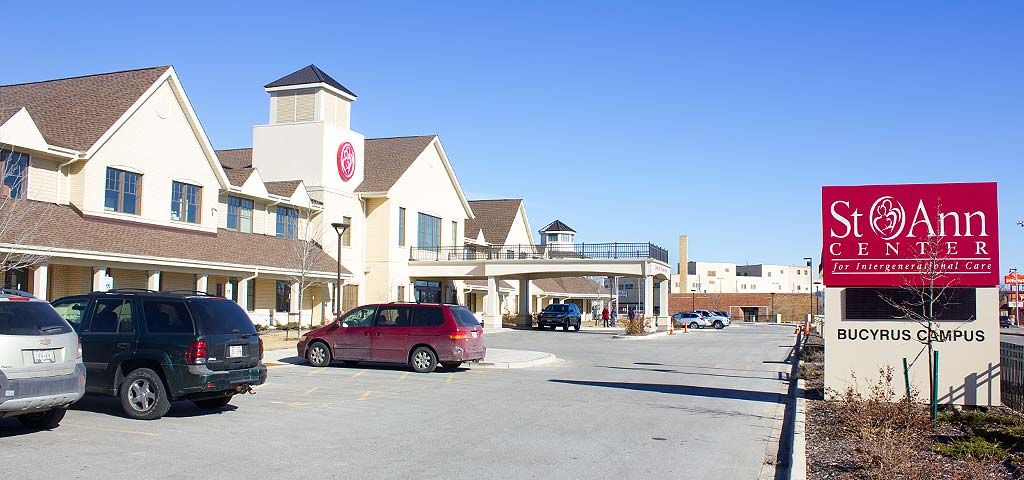
Bucyrus Campus

Save
Bucyrus Campus

Bucyrus Campus

2450 West North Avenue, Milwaukee, WI 53205

For more information about senior living options: (844) 490-3973

4.2 from 41 reviews
5 stars
26
4 stars
5
3 stars
4
2 stars
3
1 stars
3

Assisted Living Memory Care Respite Care

Overall Review of Bucyrus Campus

Pros

  • pro St. Ann's private swim lessons provide one-on-one attention and are well worth the cost.
  • pro The pool is warm, has a ramp for easy entry, and includes diving toys to keep children engaged.
  • pro Families describe St. Ann's as a godsend for individuals with autism and epilepsy.
  • pro Visitors are welcomed and treated like family upon arrival at St. Ann's.
  • pro Z. is praised for her calmness and understanding during dental cleanings.
  • pro Everyone at St. Ann's is described as caring about all who come there.
  • pro The doctor and hygienist are described as awesome and effective with children.
  • pro St. Ann Center is a wonderful place with a gorgeous facility and specialized services for kids and aging loved ones.
  • pro Parents would recommend St. Ann's to others.

Cons

  • pro They say the organization created unsafe conditions for children in daycare, and that the staff who harmed them tried to fight them.
  • pro They allege they were harassed by security and told they were not allowed on the premises.
  • pro They state Dayo has always harbored hostility toward them.
  • pro They feel no one is willing to see children with special needs and that the clinic is "picking and choosing" who to treat.
  • pro They believe the dental clinic cancels appointments and frequently changes dentists, suggesting it is a front for making money.
  • pro They describe the receptionist as rude and unwelcoming, not acknowledging them, not checking them in, and wearing a mask under the nose.
  • pro They report miscommunication about appointment times, which led to a poor experience as a new patient.
  • pro They claim the facility lacks true care for people with special needs and advocate for state intervention to stop the mistreatment.

Review

The set of reviews presents a complex and often contradictory picture of a community organization that runs both dental services and childcare/daycare programs. On one hand, several accounts speak to warmth, care, and the value of the services for people with special needs. On the other hand, there are serious complaints about safety, staffing, scheduling, and management that leave some families feeling unsafe or ignored. Taken together, the comments trace a landscape of strong positives in some moments and troubling concerns in others, depending on which department, staff member, or encounter a family describes.

A common thread across multiple comments is the frustration surrounding dental care, especially when it involves children with special needs. One parent bluntly states, "my child has been a patient, this is abandonment if the dentist won't see my child for a check up just because you don't have a dental hygienist." That sentiment captures a fear that logistical gaps - like not having a dental hygienist - can translate into unsafe or neglectful care for a vulnerable child. Another reviewer accuses the organization of unsafe conditions in the childcare setting and notes that the same daycare staff who harmed their children attempted to fight them, adding a layer of danger and intimidation to what should be a supportive environment. There are also accounts of treatment disruption and a sense of powerlessness - "I refuse to come to a place of business and be treated that way" - and of unresponsive leadership, with mentions that Dayo and Sister Edna did not reply when contacted. Security intrusion and perceived hostility from leadership further deepen the sense of an unsafe or hostile atmosphere for some families.

Several reviewers specifically criticize the dental clinic's ability to serve those with special needs, suggesting that the clinic's mission is not fully realized in practice. One person writes that the place is "said to be for people with special needs who need dental care," but that the experience falls short because there aren't "true caring dentists," with repeated appointment cancellations and "new dentists" appearing so often that it feels like a front for making money. The tone is one of disappointment and suspicion that the clinic is not consistently delivering reliable, compassionate care to a population that requires patience and continuity.

Yet the same venue also earns praise from other families, illustrating that experiences vary widely within the same organization. A particularly moving account describes an adult son with autism and epilepsy who found a welcoming, family-like environment. The reviewer highlights a specific staff member, Z, who "amazed me with her calmness and understanding of what my son was feeling." She managed his anxiety during dental cleaning, helping him stay calm when he would otherwise be in fight-or-flight mode. This story conveys the powerful difference that a single empathetic, skilled clinician can make for patients who struggle with traditional dental care routines. It stands as a stark counterpoint to the more negative experiences and suggests that care quality can, in fact, be exceptional in particular interactions.

Beyond dental care, several reviews paint a strongly positive portrait of the organization's day care and related programs. The swimming lessons, for example, are described as a valuable, high-quality offering: four rounds of private swim lessons are "well worth the cost," with a warm pool, a ramp for easy entry, and engaging diving toys and activities that keep children interested. Many comments generously praise the day care facility itself as a "top notch facility," noting its excellence in service for both adults and children. Phrases like "gorgeous facility with specialized services for kids or your aging loved one" and "wonderful place" appear repeatedly, reinforcing a deep sense of appreciation from families who rely on these services. For some, the staff's daily interactions are described as consistently pleasant, and the environment is portrayed as one where caregivers genuinely care and take responsibility for the well-being of the people they serve.

There is also a clear sense of community and belonging in several testimonials. People describe feeling welcomed, respected, and valued, whether they are dropping off a child for care or bringing a loved one to day programming. The positive experiences extend to social events, graduation ceremonies, and communal gatherings, with multiple reviewers labeling the center as a "nice place," a "good environment for disabled adults," and a setting that fosters interaction with younger participants. The repeated use of positive adjectives - "amazing," "wonderful," "gorgeous," and "top notch" - creates an overall impression that, when functioning at its best, the organization can be a transformative and supportive resource for families navigating the challenges of disability, autism, epilepsy, and aging.

In summary, the reviews collectively illustrate a program with significant strengths and notable weaknesses. Families describe life-changing, positive experiences when the staff demonstrate empathy, patience, and professional skill, especially in individualized care like the compassionate approach of a staff member such as Z. They also recount serious concerns about safety, consistent access to care, and administrative responsiveness, including situations where appointments are canceled, communication fails, or security and management tactics create a hostile or unwelcoming environment. The overarching takeaway is a mixed assessment: a capable, valuable set of services with substantial room for improvement in consistency, safety, and leadership responsiveness. For families considering engagement, the message is clear - there are moments of outstanding care that can make a real difference, but recent experiences and administrative issues warrant careful, individualized evaluation before relying on the services for ongoing needs.

Features

Housing

  • 200 resident community capacity 200 resident community capacity

Types of Care

  • Assisted Living Assisted LivingAssisted living facilities provide crucial support and care for seniors who may need help with daily tasks such as medication management, bathing, and meal preparation. These communities offer a safe and comfortable environment where seniors can maintain their independence while receiving the assistance they need to thrive in their golden years.
  • Memory Care Memory CareMemory care is crucial for seniors as it provides specialized support and services for individuals with dementia or Alzheimer's disease. These programs offer a safe and secure environment where residents receive personalized care, cognitive stimulation, and help with daily activities. Memory care helps seniors maintain their independence, quality of life, and dignity while also providing peace of mind for their families.
  • Respite Care Respite CareRespite care provides temporary relief for caregivers, allowing them to recharge and attend to their own needs. It also gives seniors the opportunity to socialize, receive professional care, and experience a change of scenery, promoting overall well-being and reducing feelings of isolation.

Amenities

  • Air-conditioning Air-conditioningAir conditioning is important for seniors as they are more vulnerable to heat-related illnesses and may have underlying health conditions that make it difficult for them to regulate their body temperature. It helps to keep them comfortable, safe, and healthy in hot weather.
  • Beauty salon Beauty salonBeauty salons are important for seniors because they provide a space for them to feel pampered, socialize, and maintain their personal grooming and hygiene. Regular visits to a beauty salon can help boost seniors' self-esteem and overall well-being.
  • Cable or satellite TV Cable or satellite TVCable or satellite TV is important for seniors because it provides entertainment, news, and companionship, helping to combat loneliness and boredom. It also offers a wide range of programming options tailored to different interests and preferences.
  • Computer center Computer centerA computer center is essential for seniors as it provides access to technology, communication tools, and resources that can enhance their daily lives. It allows them to stay connected with loved ones, engage in online activities, and learn new skills, ultimately promoting socialization and mental stimulation.
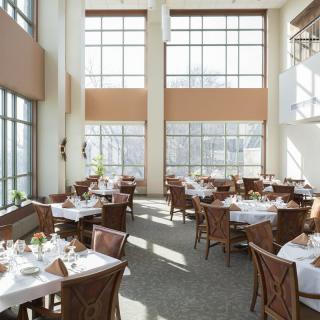
  • Dining room Dining roomDining rooms are important for seniors as they provide a space for socialization, connection, and nutritious meals. They offer opportunities for residents to bond over shared meals, foster a sense of community, and promote healthy eating habits. Dining rooms also ensure that seniors have access to well-balanced meals tailored to their dietary needs and preferences.
  • Fitness room Fitness roomHaving a fitness room in a senior living community is essential for seniors to stay active, maintain their physical health, and improve their overall well-being. Regular exercise can help prevent falls, reduce the risk of chronic diseases, and promote mental sharpness. It also provides social opportunities for residents to connect with others and enjoy a sense of community.
  • Fully furnished Fully furnishedFully furnished senior living communities are important for seniors because they provide convenience, comfort, and a hassle-free moving experience. Seniors can easily settle into their new living space without the stress of having to buy and move furniture. This allows them to focus on enjoying their new home and community.
  • Gaming room Gaming roomGaming rooms are important for seniors as they provide a fun and engaging environment for socializing, cognitive stimulation, and physical activity. Games can improve memory, problem-solving skills, and overall mental well-being while fostering friendships and reducing feelings of isolation.
  • Garden GardenGardens are important for seniors as they provide a peaceful and therapeutic environment for relaxation, physical activity, and socialization. Being in nature has been shown to reduce stress, improve mood, and promote overall well-being. Gardens also offer opportunities for seniors to engage in gardening activities, which can improve mobility, flexibility, and cognitive function. Additionally, gardens create a sense of community and connection with others who share a passion for plants and outdoor spaces.
  • Housekeeping services Housekeeping servicesHousekeeping services are important for seniors because they help maintain a clean and safe living environment, promote independence, and reduce the risk of accidents or illnesses. Additionally, having assistance with household chores can alleviate physical strain and allow seniors to focus on other aspects of their well-being.
  • Kitchenette KitchenetteKitchenettes are important for seniors living in senior living communities because they provide the convenience and independence of being able to prepare simple meals and snacks in the comfort of their own living space. This can help promote a sense of autonomy and well-being for seniors, allowing them to maintain some level of control over their dietary choices and daily routines.
  • Move-in coordination Move-in coordinationMove-in coordination is important for seniors because it helps ease the transition into their new living environment. It ensures that all logistics, such as packing, organizing movers, and setting up utilities are taken care of, allowing seniors to focus on settling in and adjusting to their new home. Having a smooth move-in process can alleviate stress and anxiety, making the transition smoother and more enjoyable for seniors.
  • Outdoor space Outdoor spaceOutdoor spaces are important for seniors as they provide opportunities for physical activity, social interaction, exposure to natural light and fresh air, and a sense of connection to nature. Having access to outdoor spaces can improve overall well-being and quality of life for older adults living in senior communities.
  • Private bathrooms Private bathroomsPrivate bathrooms are important for seniors in senior living communities because they provide independence, dignity, and comfort. Having a private bathroom allows seniors to maintain their personal hygiene routines without the need for assistance, promoting a sense of autonomy and privacy. Additionally, private bathrooms help prevent the spread of infections and provide a safe and clean environment for seniors to navigate safely.
  • Restaurant-style dining Restaurant-style diningRestaurant-style dining is important for seniors because it allows them to enjoy delicious, nutritious meals in a social and upscale setting. This enhances their dining experience, promotes healthy eating habits, and fosters socialization with fellow residents, ultimately contributing to their overall well-being and quality of life.
  • Small library Small librarySmall libraries are important for seniors as they provide access to a variety of reading materials, including books, newspapers, and magazines. This can help stimulate their minds, keep them engaged, and provide a sense of community through book clubs and other social activities. Additionally, reading has been shown to improve cognitive function and overall mental well-being in older adults.
  • Telephone TelephoneTelephones are important for seniors as they provide a lifeline for communication with loved ones, emergency services, and healthcare providers. They offer a sense of security and independence, enabling seniors to stay connected and access assistance when needed.
  • Wellness center Wellness centerWellness centers are important for seniors because they offer a variety of programs and services that promote physical, mental, and emotional well-being. These centers provide opportunities for exercise, socialization, education, and relaxation, helping seniors maintain their overall health and quality of life.
  • Wi-Fi/high-speed internet available Wi-Fi/high-speed internet availableWi-Fi/high-speed internet is important for seniors to stay connected with loved ones, access online resources, and participate in virtual activities to combat feelings of loneliness and isolation. It also allows them to easily manage healthcare needs, access entertainment, and engage in lifelong learning opportunities.

Transportation

  • General Mitchell International (8 miles away) General Mitchell International (8 miles away)
  • Community operated transportation Community operated transportationCommunity operated transportation is crucial for seniors as it provides them with the means to access essential services, social activities, and medical appointments. It allows seniors to maintain their independence and quality of life by ensuring they can participate in activities outside of their homes. Additionally, community-operated transportation services offer a safe and reliable way for seniors to travel without having to rely on family or friends for assistance.
  • Transportation arrangement Transportation arrangementTransportation arrangements are crucial for seniors as they may face challenges with driving, mobility, or access to public transportation. Having reliable transportation services ensures that seniors can easily attend appointments, social activities, and maintain their independence and quality of life.
  • Transportation arrangement (non-medical) Transportation arrangement (non-medical)Transportation arrangements are essential for seniors as they provide access to essential services, activities, and social interactions outside the home. This service helps maintain independence, mobility, and overall well-being for seniors who may have limited transportation options.
  • Transportation to doctors appointments Transportation to doctors appointmentsTransportation to doctors appointments is crucial for seniors as it ensures they have access to necessary medical care and support, promoting their health and well-being. It allows them to receive timely treatment, monitor existing conditions, and address any new health concerns efficiently. Additionally, transportation services can help seniors maintain their independence and quality of life by enabling them to stay connected with their healthcare providers.

Care Services

  • 12-16 hour nursing 12-16 hour nursing12-16 hour nursing care is crucial for seniors in order to ensure around-the-clock monitoring, timely medication administration, and prompt response to any health concerns or emergencies. This level of care helps to promote the overall well-being and safety of seniors living in senior living communities.
  • 24-hour call system 24-hour call system24-hour call systems are important for seniors because they provide peace of mind and immediate assistance in case of emergencies. This technology ensures that help is always available, promoting safety and security for elderly individuals living alone or in assisted living facilities.
  • 24-hour supervision 24-hour supervision24-hour supervision is important for seniors to ensure their safety, well-being, and access to immediate assistance in case of emergencies or health issues. This constant support provides peace of mind for both seniors and their loved ones, allowing them to age in place with dignity and security.
  • Activities of daily living assistance Activities of daily living assistanceActivities of daily living assistance are important for seniors because they provide essential support with tasks such as eating, bathing, dressing, and mobility. This assistance helps seniors maintain their independence, dignity, and overall quality of life as they age.
  • Assistance with bathing Assistance with bathingAssistance with bathing is crucial for seniors as it helps maintain personal hygiene, prevents infections, and ensures their overall well-being and comfort. It also provides a sense of dignity and independence for seniors who may struggle with this task on their own.
  • Assistance with dressing Assistance with dressingAssistance with dressing is important for seniors because it helps maintain their independence, promotes personal hygiene, prevents accidents and injuries, and improves overall quality of life. This service ensures that seniors can continue to dress comfortably and confidently, despite any physical limitations they may have.
  • Assistance with transfers Assistance with transfersAssistance with transfers is crucial for seniors as it helps prevent falls and injuries, maintains their independence, and ensures they can safely navigate their living environment. It also provides peace of mind for both seniors and their loved ones.
  • Diabetes diet Diabetes dietA diabetes diet is crucial for seniors as it helps manage blood sugar levels, reduce risks of complications, and improve overall health and well-being. By following a balanced and nutritious diet tailored to their specific needs, seniors can better control their diabetes and enhance their quality of life.
  • Meal preparation and service Meal preparation and serviceMeal preparation and service are crucial for seniors as they may have limited mobility or energy to cook nutritious meals. Having access to healthy and convenient food options can ensure they are getting the proper nutrition needed to maintain their overall health and well-being.
  • Medication management Medication managementMedication management is crucial for seniors to ensure they are taking the right medications at the correct dosages and times. This helps prevent adverse drug interactions, reduces the risk of medication errors, and promotes overall health and well-being. Proactive management also allows for adjustments as needed based on changing health conditions or new prescriptions.
  • Mental wellness program Mental wellness programMental wellness programs are essential for seniors as they promote cognitive stimulation, emotional support, and social engagement. These programs help prevent isolation, depression, and cognitive decline, ultimately enhancing the overall quality of life for older adults.
  • Mild cognitive impairment Mild cognitive impairment"Mild cognitive impairment" is important for seniors because it is an early stage of cognitive decline that can potentially progress to more severe conditions such as dementia. Recognizing and addressing mild cognitive impairment can help seniors receive appropriate care and support to maintain their quality of life and independence for as long as possible.
  • Special dietary restrictions Special dietary restrictionsSpecial dietary restrictions are important for seniors because age-related changes in metabolism and health conditions can make it difficult for their bodies to process certain foods. By following a diet tailored to their specific needs, seniors can maintain their overall health and well-being, manage chronic conditions, and reduce the risk of complications such as malnutrition or food interactions with medications.
  • Specialized memory care programming Specialized memory care programmingSpecialized memory care programming is crucial for seniors with cognitive impairments such as dementia or Alzheimer's disease. These programs provide a safe and supportive environment tailored to the unique needs of individuals with memory loss, helping them maintain their independence, dignity, and quality of life.

Dining

  • Diabetes diet Diabetes dietA diabetes diet is crucial for seniors as it helps manage blood sugar levels, reduce risks of complications, and improve overall health and well-being. By following a balanced and nutritious diet tailored to their specific needs, seniors can better control their diabetes and enhance their quality of life.
  • Special dietary restrictions Special dietary restrictionsSpecial dietary restrictions are important for seniors because age-related changes in metabolism and health conditions can make it difficult for their bodies to process certain foods. By following a diet tailored to their specific needs, seniors can maintain their overall health and well-being, manage chronic conditions, and reduce the risk of complications such as malnutrition or food interactions with medications.

Activities

  • Community-sponsored activities Community-sponsored activitiesCommunity-sponsored activities are important for seniors as they provide opportunities for social interaction, mental stimulation, and physical activity. These activities can help improve overall well-being, combat loneliness and isolation, and promote a sense of belonging and purpose among older adults.
  • Concierge services Concierge servicesConcierge services are essential for seniors as they provide assistance with daily tasks and errands, enhance their quality of life by offering convenience and personalized care, and promote a sense of safety and security.
  • Fitness programs Fitness programsFitness programs are crucial for seniors as they help improve strength, flexibility, balance, and overall well-being. Staying active can reduce the risk of chronic diseases, improve mental health, and enhance quality of life in older adults.
  • Planned day trips Planned day tripsPlanned day trips are important for seniors because they offer opportunities for socialization, mental stimulation, and physical activity. They provide a change of scenery and help seniors stay engaged and connected to their community, promoting overall well-being and quality of life.
  • Resident-run activities Resident-run activitiesResident-run activities are important for seniors as they encourage social interaction, creativity, and a sense of autonomy. These activities empower seniors to stay engaged and active in their community while fostering meaningful connections with their peers.
  • Scheduled daily activities Scheduled daily activitiesScheduled daily activities are important for seniors because they provide structure, socialization, mental stimulation, and physical activity. Engaging in regular activities can improve overall well-being and quality of life for seniors living in a community setting.

Description

The Bucyrus Campus in Milwaukee, WI is an assisted living community that specializes in Memory Care and Respite Care. Our campus offers a wide range of amenities to ensure the comfort and convenience of our residents. With a beauty salon on-site, our residents can easily take care of their grooming needs. They can also enjoy their favorite shows with cable or satellite TV in their fully furnished apartments.

Transportation is made easy with our community-operated transportation services, which can be utilized for outings or even transportation to doctors' appointments. For those who prefer to stay active, we have a fitness room and outdoor space available. Our computer center allows residents to stay connected with loved ones or pursue personal interests online.

Meals are served in a restaurant-style dining room where residents can enjoy delicious cuisine prepared by our staff. Special dietary restrictions are accommodated so that everyone can enjoy satisfying meals. In addition, housekeeping services are provided to ensure a clean and comfortable living environment.

Our caring staff provides 24-hour supervision and assistance with activities of daily living such as bathing, dressing, and transfers. Medication management is also available to ensure proper administration of medications. We have specialized memory care programming for those with cognitive impairments, as well as mental wellness programs for overall emotional well-being.

Residents can participate in a variety of activities throughout the day, including fitness programs, planned day trips, resident-run activities, and scheduled daily activities. We also offer concierge services to assist with any additional needs or requests.

The Bucyrus Campus is conveniently located near cafes, parks, pharmacies, physicians' offices, restaurants, places of worship, and hospitals. This allows residents to easily access important amenities and services within close proximity.

At the Bucyrus Campus in Milwaukee, WI, we strive to provide a comfortable and engaging environment where residents can receive quality care while enjoying an active lifestyle surrounded by helpful amenities and nearby conveniences.

Nearby Places of Interest

Hospitals

  • Aurora Sinai Medical Center (1.5 miles)
  • Wheaton Franciscan - St. Joseph Campus (1.9 miles)
  • Aurora Psychiatric Hospital (3.5 miles)
  • Froedtert Pavilion (4.2 miles)
  • Aurora St Luke's Medical Center (5 miles)

Pharmacies

  • Walgreens (1.6 miles)
  • Walgreens (1.7 miles)
  • Walgreens (2.2 miles)
  • Metro Market Pharmacy (2.3 miles)
  • Walgreens (2.6 miles)
  • Walgreens (2.6 miles)
  • CVS Pharmacy (2.7 miles)

Restaurants

  • Veggas Pub (2.1 miles)
  • Casablanca (2.1 miles)
  • Company Brewing (2.2 miles)
  • Glorioso's Italian Market (2.3 miles)
  • Elsa's On the Park (2.3 miles)
  • The Tracks (2.4 miles)
  • Shah Jee's Restaurant (2.4 miles)

Parks

  • Red Arrow Park (2.1 miles)
  • Kern Park (2.9 miles)
  • Lakeshore State Park (2.9 miles)
  • Paliafito Park (3.1 miles)
  • Estabrook Park (3.2 miles)
  • Henry Maier Festival Park (3.3 miles)
  • Atwater Park (4.1 miles)

Transportation

  • Milwaukee Intermodal Station (2.3 miles)

Cafes

  • Colectivo Lakefront (2.9 miles)
  • Starbucks (3.3 miles)
  • Starbucks (4 miles)
  • Colectivo Coffee (4.5 miles)
  • Starbucks (5.1 miles)

Places of Worship

  • Honey Creek Church (4 miles)
  • Redemption Lutheran Church (4.9 miles)
  • Northwest Baptist Church (4.9 miles)

Physicians

  • Froedtert Clinical Cancer Center (4.2 miles)
  • Froedtert Hospital (4.3 miles)
  • Aurora Health Center (5.4 miles)

Frequently Asked Questions

Where is Bucyrus Campus?
Does Bucyrus Campus provide care for residents with dementia or Alzheimer's disease?

Nearby Communities

Related Resources

  • active senior livingVibrant Senior Living: A Comprehensive Guide for Active Older Adults

    Vibrant Senior Living emphasizes active senior living communities that promote independence and engagement through diverse amenities and activities, fostering wellness and social interaction among older adults. These communities range from independent to assisted living, with a focus on personal growth, family involvement, financial planning, and leveraging technology to enhance residents' experiences.

  • assisted living vs memory careAssisted Living and Memory Care: Understanding Their Core Differences

    Assisted living provides moderate support for seniors seeking independence, while memory care offers specialized support for individuals with dementia or cognitive impairments through structured routines and trained staff. Key differences include care approaches, environment security measures, staff training levels, activity types, and cost considerations.

  • assisted living vs nursing homeChoosing the Right Senior Care: A Detailed Exploration of Assisted Living and Nursing Homes
    Choosing between assisted living and nursing homes involves evaluating emotional and financial factors, with assisted living offering independence and support for daily activities at a lower cost, while nursing homes provide intensive medical care for individuals with significant health needs. The decision is influenced by personal preferences, health status, cognitive function, and varying Medicaid coverage across states.